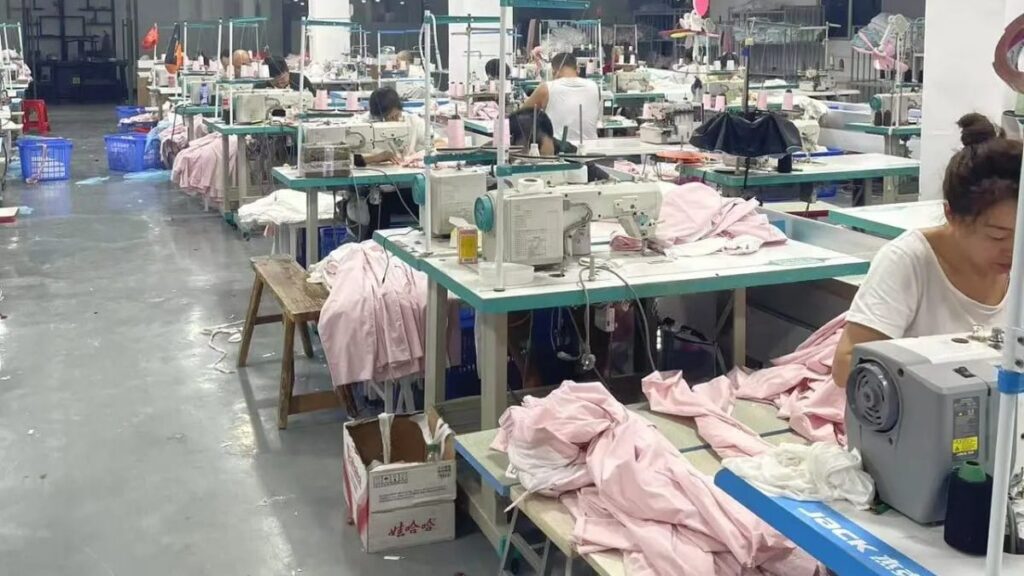
"What should I include in a spec sheet for my denim order?" A good spec sheet for denim jeans and garments should provide clear and precise details to ensure smooth communication and production with suppliers like Dongguan City Salati Apparel Co., Ltd. Essential elements include measurements, fabric specifications, stitching and seam styles, and finishing treatments. Additionally, specify any custom labels, tags, and packaging requirements. By anticipating potential questions and being thorough, you increase the likelihood of receiving a product that matches your vision and quality standards.
What Components Make Up a Denim Spec Sheet?
Specification sheets are the backbone of any denim manufacturing project, ensuring clear communication between the buyer and the supplier. Let's dive into the core components that need to be included for a comprehensive spec sheet.
Measurements
Precise measurements are crucial for ensuring the right fit for denim garments. Key measurements include the waist, inseam, and hem width. Accurate sizing ensures that the finished product aligns with the intended fit and reduces the risk of costly revisions in production.
Fabric Details
Designate the fabric type, such as raw or stretch denim, along with specific color and texture details. The fabric choice influences the overall look, feel, and performance of the garment. Clear fabric specifications are critical especially for small-batch buyers who might be experimenting with unique styles.
Stitching Specifications
Specify the type of stitching to be used, along with thread color. For example, contrast stitching is often used for visual effect, while chain stitching might be desired for durability in stress areas. These specifications impact both the aesthetic appeal and durability of the jeans.
Labeling Requirements
Detail your labeling requirements, including the placement and style of brand labels. This could include woven labels, leather patches, or printed tags. These elements are crucial for brand identity and consumer recognition. Additionally, ensure that your labeling complies with local regulations and guidelines.
Unique Design Elements
Include any custom features or unique design elements such as embroidery, custom pockets, or distressing techniques. These features can set your product apart in the market but must be clearly communicated in the spec sheet to avoid misinterpretation.
Basic Components of a Denim Spec Sheet
| Component | Description | Why It's Important |
|---|---|---|
| Measurements | Includes waist, inseam, and hem width. | Ensures proper fit and reduces production errors. |
| Fabric Details | Details on type, color, and texture of fabric. | Affects the garment's overall look and wearability. |
| Stitching Specs | Specifies stitching type and thread color. | Influences both the aesthetics and durability of the garment. |
| Labeling Requirements | Placement and style of brand and size labels. | Vital for brand identity and compliance with regulations. |
| Unique Design Elements | Any additional custom features like embroidery or custom pockets. | Differentiates the product and requires precise communication. |
For those looking to expand beyond denim, exploring options like Jackets and outerwear for brands can complement a brand's lineup.
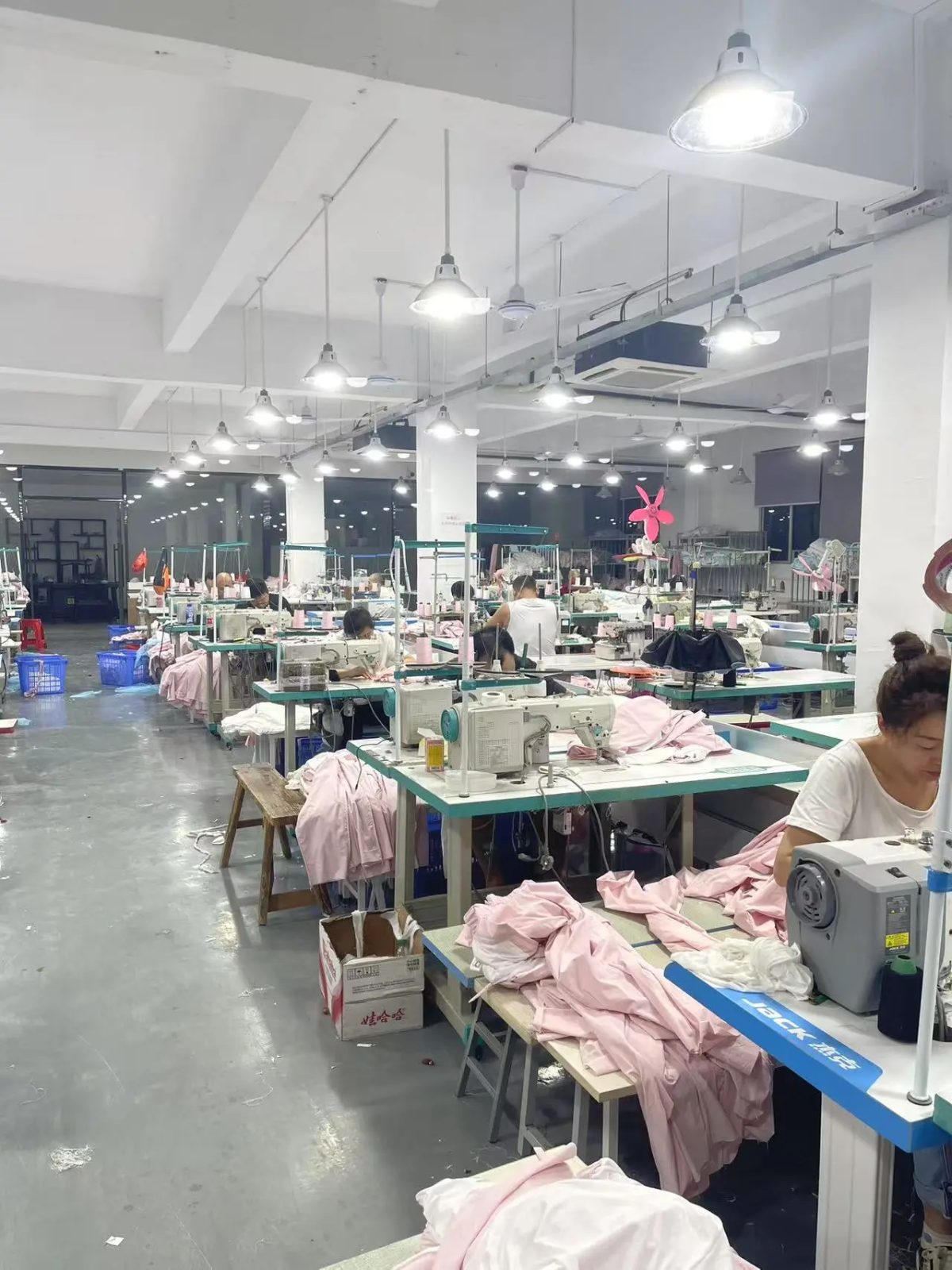
How Do Fabric Choices Affect My Denim Order?
Fabric choices are critical in shaping the fit, comfort, and overall quality of your denim garments. The fabric weight is a primary factor: a heavier denim, typically over 14 oz per square yard, offers more structure and warmth, which may be ideal for cooler seasons or a robust, traditional look. Conversely, lighter denim, commonly around 10-12 oz per square yard, is softer and more breathable, enhancing comfort in warmer climates and for casual styles.
The type of denim also impacts the feel and flexibility of the garment. Stretch denim includes elastane fibers, providing added comfort and movement, which is especially beneficial in skinny or fitted jeans. On the other hand, raw denim, which is untreated and rigid, offers a darker, more authentic appearance that molds to the wearer's body over time, though it lacks the immediate comfort of stretch denim.
Fabric dyeing processes significantly influence color consistency. Most denim is indigo-dyed through a rope dyeing method, which creates a unique fading pattern over time. However, variations in dye batches can lead to color differences in the final product. Consistent quality checks and specification of dye types in your order can mitigate this risk.
Additionally, fabric shrinkage must be anticipated, particularly in raw denim, which can contract by up to 10% if not pre-shrunk. Finishes such as sanforization can reduce shrinkage, enhancing fit reliability post-wash.
Selecting fabric also depends on current fashion trends and durability needs. Seasonal trends may dictate the choice between heavier or lighter weights, while durability considerations might prioritize raw denim for its long-lasting wear. Understanding these factors will aid in developing a spec sheet that captures your vision accurately.
For brands seeking to extend their product line beyond denim, exploring complementary garments like oversized and heavyweight T-shirts can provide a broader product range, as seen in SALATI's offerings of Oversized and heavyweight T-shirts for brands.
What is the Role of Stitching and Seams in Denim?
Stitching and seam construction are fundamental in denim manufacturing for both aesthetic appeal and garment durability. Among the most common seam types used in denim jeans are the overlock/serged seams, flat-felled seams, and chain stitch. The overlock seam secures raw edges, reducing fraying, while a flat-felled seam, typically seen on the side seams of jeans, is both strong and clean, lending itself to the rugged durability jeans are known for. Chain stitch, often used in hems, is celebrated for its ornamental looping but is also vital for its elasticity, making it resilient in areas prone to wear.
Thread selection significantly impacts the durability of denim garments. Cotton threads, while common, can wear down quickly under stress, whereas polyester or a cotton-poly blend offers greater strength and longevity. Thread weight also matters—leaning towards heavier-duty threads that are less prone to breakage in high-stress areas, like the crotch or knees, can substantially extend the garment’s life.
Stitching styles contribute to a garment's overall aesthetic. Contrasting thread colors can enhance the design's visual appeal, while matching threads provide a sleeker, more subdued look. However, the choice must balance visual style with function, ensuring the seams remain sturdy under strain.
In high-stress areas, reinforcement stitches such as bar tacks are employed to strengthen places like pocket corners or belt loops, curbing tears and increasing durability. These strategic stitching reinforcements not only prolong the life of the garment but also maintain its structural integrity over repeated use.
Stitching styles can dramatically alter a piece's final appearance and brand identity. The deliberate application of specific colors, seam placements, and embellishment stitches allows designers to craft a unique look that reflects the brand’s ethos, capturing both an individualistic style and practical durability.
Why Are Finishing Treatments Important for Denim?
Finishing treatments are critical for denim because they define the garment’s final appearance, feel, and performance. Processes such as washing, distressing, and coating can give denim its signature worn-in look or a unique texture that sets a brand apart. For example, a stone wash creates a faded appearance, while distressing or sandblasting gives an edgy, lived-in feel. These treatments not only enhance aesthetics but can also improve the fabric's softness, making denim more comfortable to wear.
Chemical and mechanical finishes are applied to adjust not just the look but also the tactile experience of denim. Enzyme washes, for instance, use chemicals that help soften the fabric and reduce shrinking, maintaining the structural integrity over a garment’s lifecycle. Mechanical treatments, like tumbling, give denim a softer hand without the use of harsh chemicals, making it a preferred choice for environmentally conscious brands focused on minimizing chemical use.
The longevity and appeal of denim are significantly affected by these finishes. While a dark, unwashed denim maintains its original lifecycle longer, a heavily distressed pair may show wear faster in exchange for immediate style impact. This trade-off makes it essential for brands to decide which finishes align with their quality standards and consumer expectations.
Eco-friendly treatments are becoming prevalent as brands address sustainability concerns. Ozone washing reduces water consumption and avoids the pollution typical with traditional methods. Laser distressing offers similar fashion results using less energy and fewer resources. As more consumers demand sustainable practices, incorporating these technologies can significantly enhance a brand's image.
Ultimately, selecting the right finishes is crucial. It requires aligning the treatment types with the brand's quality criteria while meeting market preferences, ensuring each pair of jeans appeals to both environmental sensibilities and fashion expectations.
What Must I Include About Custom Labels and Tags?
Specifying the right details for custom labels and tags in your denim spec sheet is crucial to ensure your brand's identity shines through while complying with necessary guidelines. Start by considering the types of labels suitable for denim garments: woven, printed, leather, or PVC. Each comes with unique attributes; for example, leather labels often present a more premium feel, whereas woven labels can be highly detailed and durable.
Next, clearly define the size, color, and placement of your labels and tags. Label sizes should harmonize with the design of the garment, avoiding overshadow or understatement. Color choices should align with the brand palette and garment hues, ensuring consistency across your product line. Placement is not just about aesthetics; it can affect the garment's comfort and must comply with industry norms, such as back waistband for jeans, to avoid consumer discomfort.
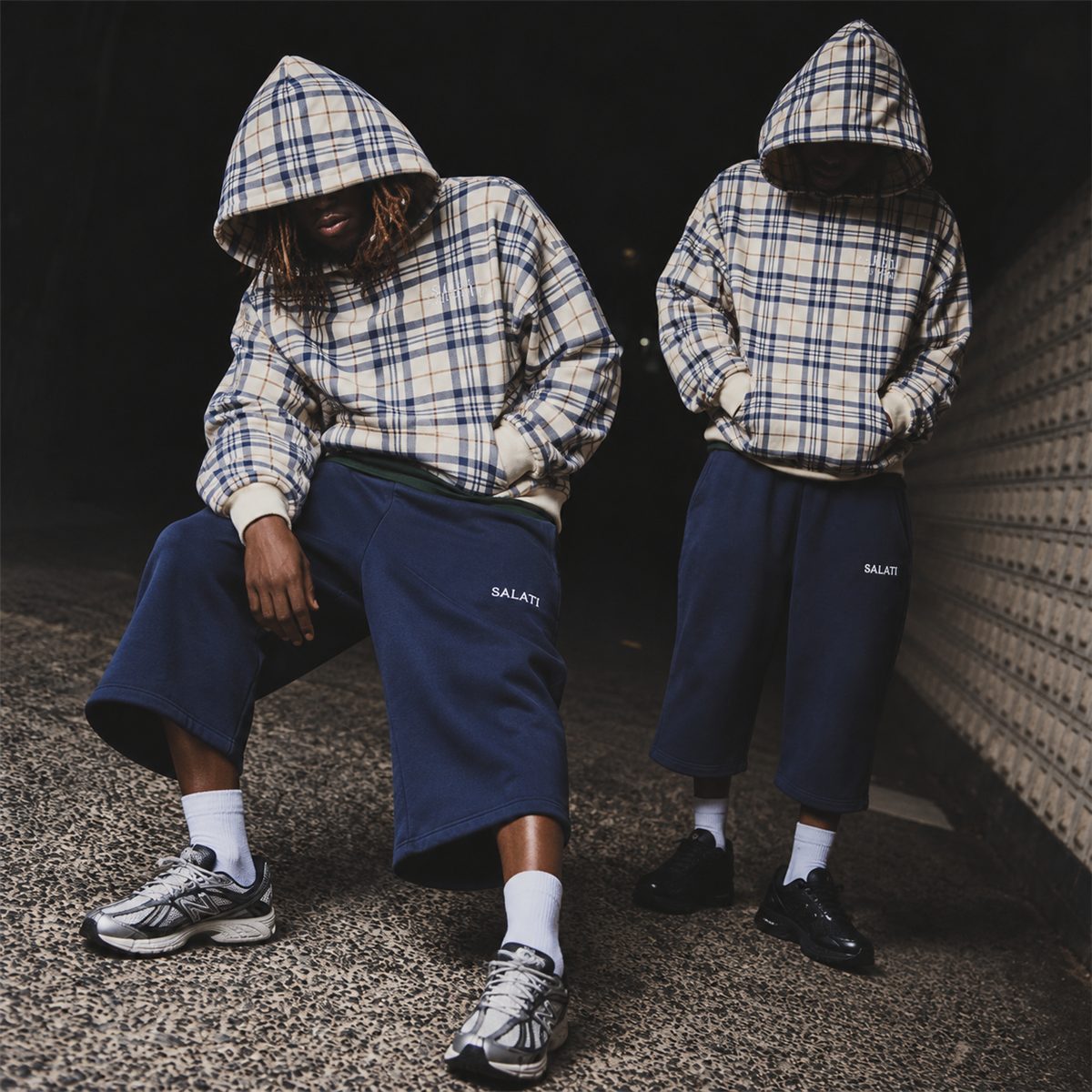
Legal and branding requirements must also be factored in. Laws in various jurisdictions might demand certain information be present on swing tags or care labels, like country of origin or fiber content. From a branding standpoint, this is your opportunity to make a statement—be it an embossed logo on a leather patch or a distinctive printed tag, maintaining a consistent brand message across all items is essential.
Prototyping or creating samples of your labels is indispensable. This step helps verify how the final product aligns with your specifications before mass production begins, saving potential issues down the line. Coordination is key to synchronizing these elements with the rest of your production phases, achieving a seamless transition from spec sheet to delivery.
What Additional Instructions Should Accompany the Spec Sheet?
Clear and precise additional instructions are crucial when creating a spec sheet for your denim jeans and garments. Packaging requirements should be detailed, specifying how you want each item handled. Whether you prefer folding, hanging, or individual wrapping, clear guidelines ensure the product arrives in the desired condition. Precise instructions on how garments should be packed—such as grouping by size or color or particular folding techniques—avoid damage during transport.
When it comes to transportation needs or logistics, any specific instructions must be communicated to your supplier. For example, if temperature-controlled shipping is necessary for your fabric choices, stating it in the instruction can prevent quality deterioration. Knowing the route and method of transport can help avoid unexpected delays and maintain better control over the delivery schedule.
Outlining quality control measures directly impacts the final product quality. Specify the desired parameters for process checks and emphasize the importance of inspections, like those for raw materials or seam strength, to maintain consistency throughout production. While Dongguan City Salati Apparel Co., Ltd. adheres to recognized standards such as BSCI, WRAP, and GRS for social responsibility and management, detailed product-specific testing methods should be clarified directly with them.
Define timing expectations for delivery and feedback loops within your instruction set. Specify not only the production timelines but also when you expect feedback and sample approvals. This promotes smoother operations and helps both parties adhere to mutually agreed schedules. Ensure all critical time points, including potential delay protocols, are clearly stated.
Finally, identifying potential issues early through clear documentation can save time and costs. Anticipate common production or design challenges and offer solutions upfront. Addressing common hurdles, such as batch variances or fit inaccuracies, helps in preemptively tackling issues before they become significant problems.
Taking the Next Step with Your Denim Spec Sheet
When preparing your denim spec sheet, make sure to cross-check all necessary details — from measurements to finishes — for a comprehensive overview. Consider input from various stakeholders and align the spec sheet with your brand's overall strategy as a general practice. It's beneficial to review samples or prototypes and be open to feedback for continuous improvements. Tweak the document iteratively; a well-rounded spec sheet not only informs the production process but sets the foundation for a product that embodies your brand's vision.
FAQ: Writing a Denim Spec Sheet for Suppliers
What are the key measurements to include in a denim spec sheet?
Key measurements typically include waist size, inseam length, rise, hip width, and leg opening. Accurate measurements ensure a good fit, vital for customer satisfaction and reducing returns.
How does fabric type influence the design process?
Fabric type affects the garment's fit, comfort, color, and overall durability. Choosing the right fabric is crucial for meeting seasonal trends and ensuring customer satisfaction while factoring in cost and sourcing availability.
Why is stitching important in denim jeans?
Stitching affects both the durability and appearance of denim jeans. Selecting the correct thread type and seam design helps ensure the garment can withstand wear and tear while maintaining its aesthetic.
What should be considered when selecting finishing treatments?
Considerations for finishing treatments include the desired texture, aesthetic appeal, longevity of the fabric, and sustainability. Treatments must align with the brand’s image and the target market’s expectations for quality.
Why are prototypes important when designing custom labels?
Prototypes are important because they allow for adjustments before mass production, minimizing errors and ensuring brand consistency in the final product. Requesting prototypes can help ensure labels meet brand specifications and quality expectations.