Development support
Fit development, construction refinement, fabric and trim recommendations, technique assessment and cost review.
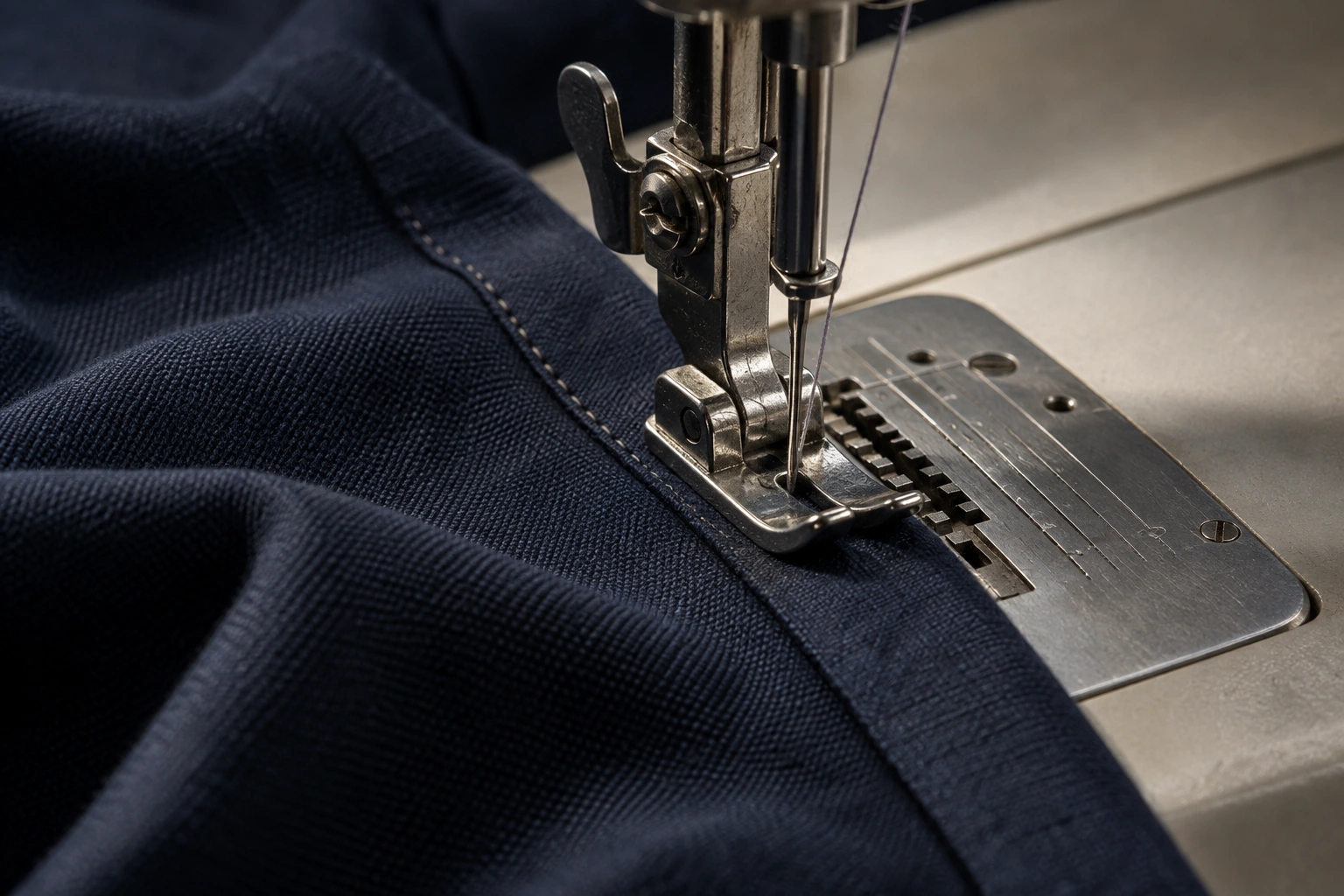
A closer look at SALATI’s garment development and production, from the first reference to the finishing details.
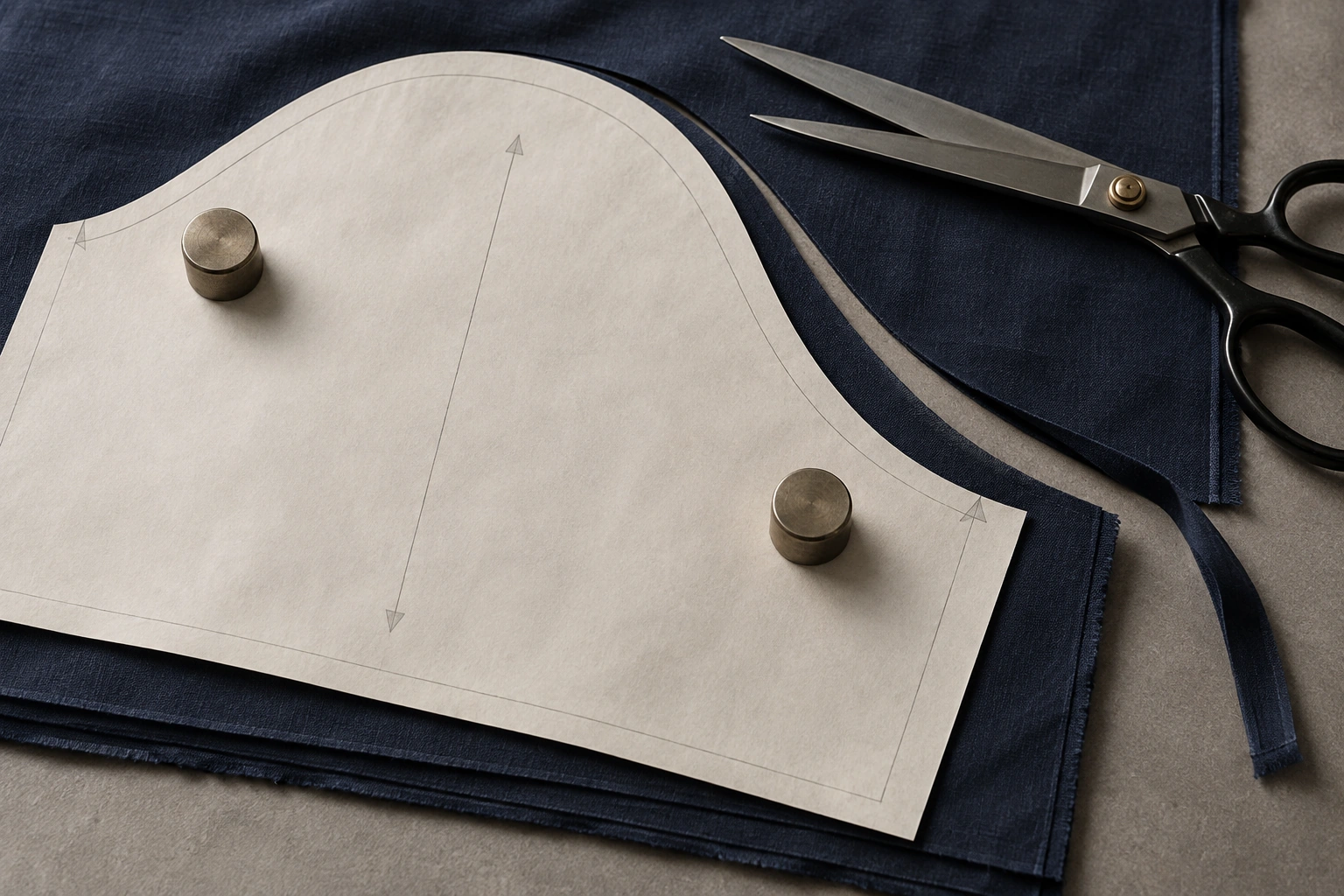
Start with your garment type, tech pack or reference. Agree the intended materials, construction, artwork and quantity before development.
Discuss your garment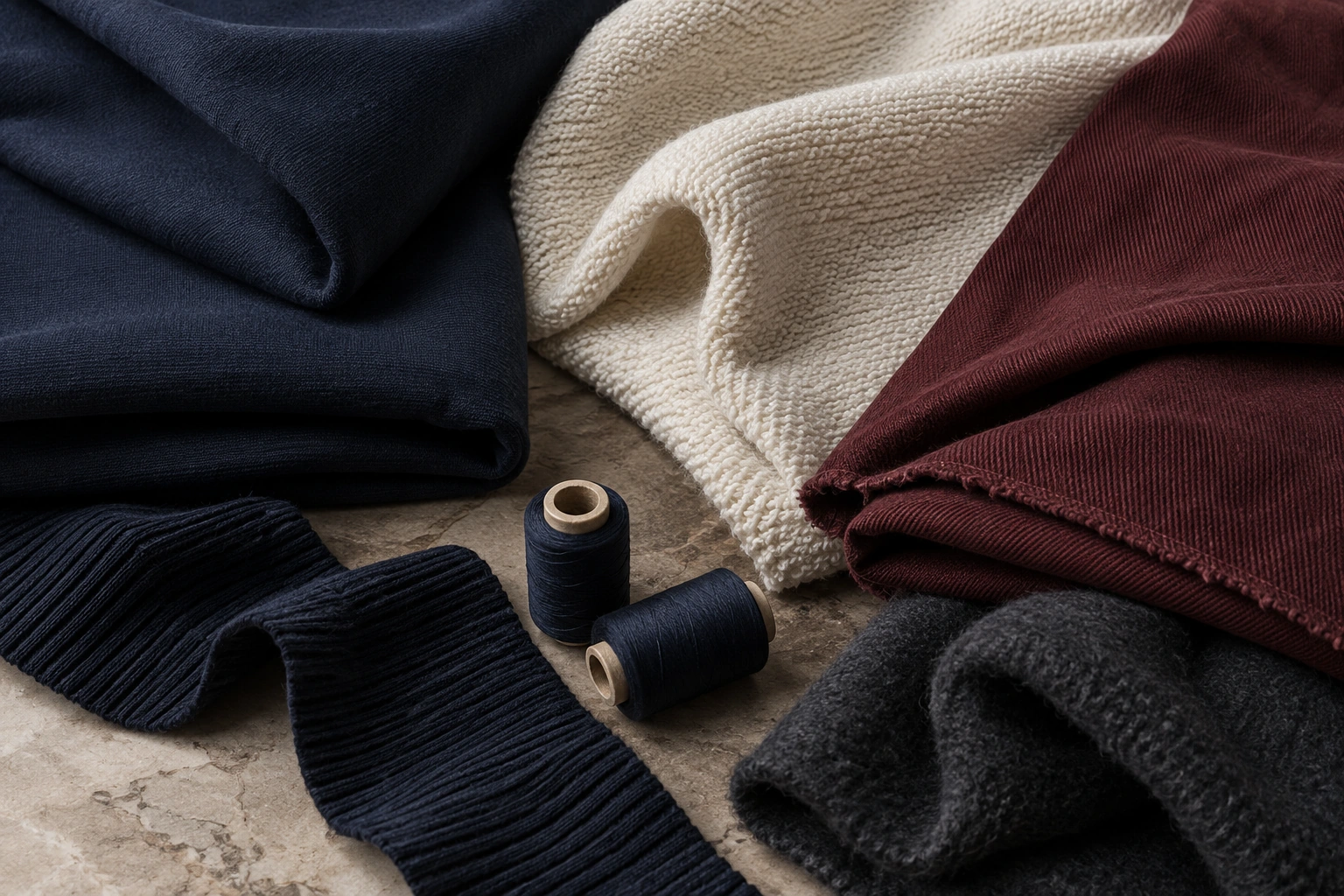
Bring the fabric direction into the project. A swatch or reference garment helps establish color, handfeel and the structure you want to achieve.
Discuss your garment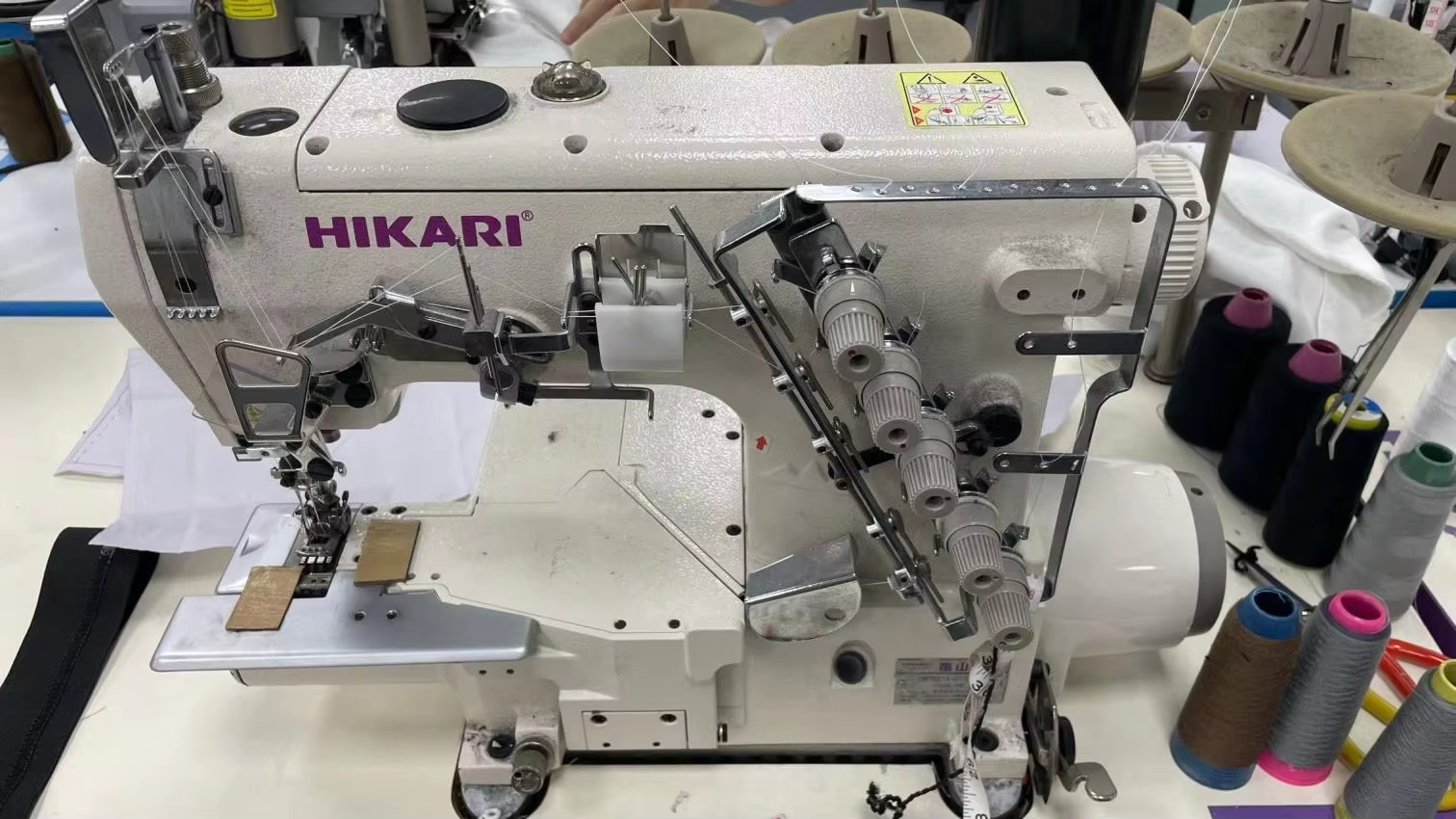 Interlock sewing
 Four-needle interlock
 Pattern sewing
 Buttonhole finishing
The approved pattern becomes the working reference for garment construction. Cutting and sewing bring the individual parts into one shape. SALATI’s sewing workstations support the seam, stitch and buttonhole details specified for the garment; review these together on the sample.
Discuss your garment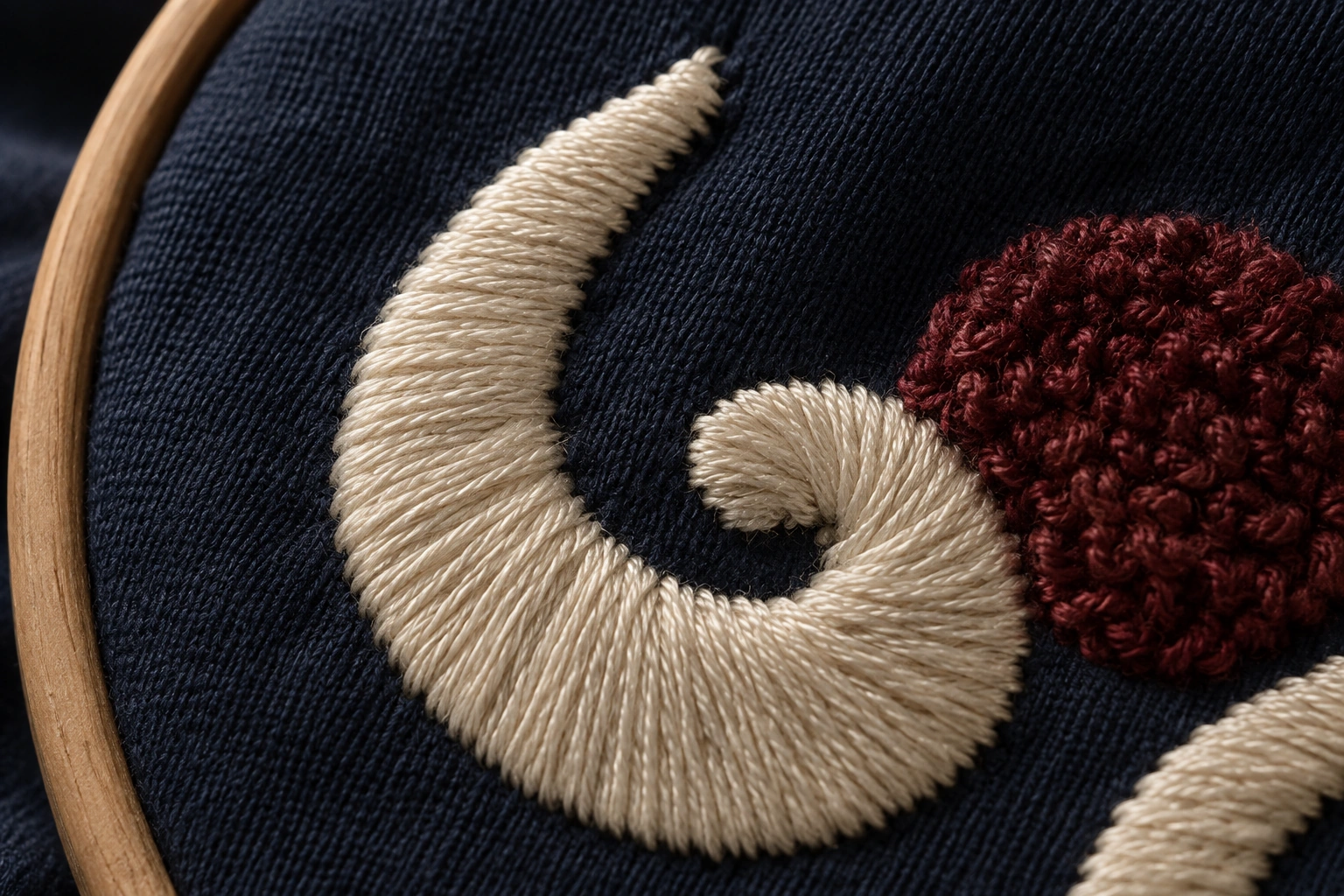
Plan embroidery, printing and other surface details alongside the construction. Confirm the effect, placement and sequencing for the individual garment.
Discuss your garment
Use the agreed sample and order requirements to review the finished garment. Confirm labels, packing and shipment arrangements for the production order.
Discuss your garmentFollow the details that connect the cutting pattern, seam construction, garment decoration and finished pack. The process is defined around the approved sample.
Match the cutting reference, grain direction and garment panels before assembly.
Pattern & cutting preparationSpecify seam type, stitch appearance and construction details for each part of the garment.
Cut-and-sew constructionReview thread, surface relief and placement on the selected base fabric.
Embroidery & applied texture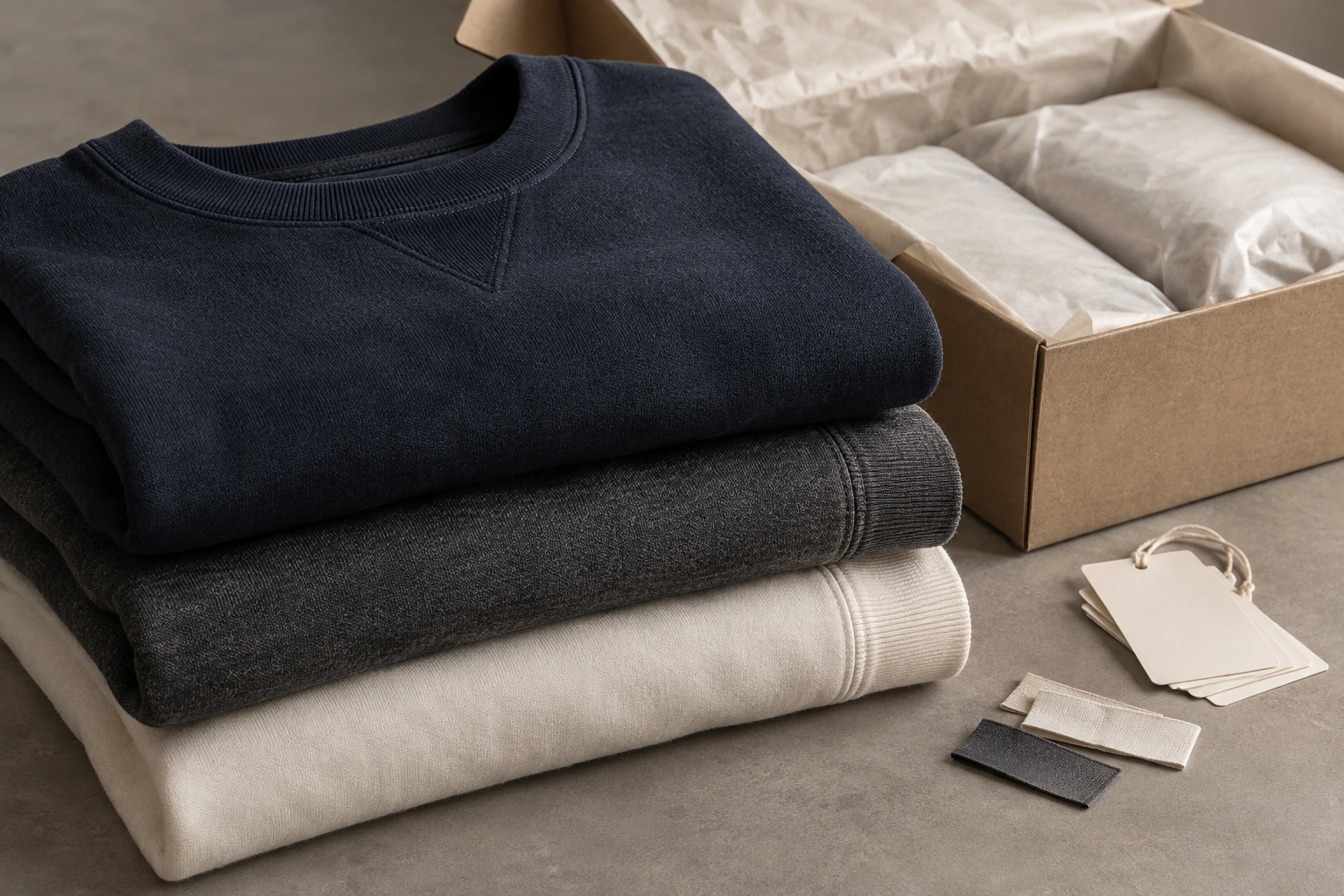
Connect the finished garment, labels and packing breakdown to the production order.
Finished garments & packing preparationSALATI production equipment includes four-needle six-thread, double-needle chainstitch, computerized coverstitch, waistband and template sewing machines. The garment construction determines the equipment and sequence used.
Review artwork size, placement, color and texture on the sample before approving production. Confirm the decoration method and its compatibility with the garment fabric.
SALATI supports garment design, development, manufacturing and export, with production bases in Humen and Jiangxi.
Fit development, construction refinement, fabric and trim recommendations, technique assessment and cost review.
First samples for standard styles can be ready in as little as 3 days, depending on fabric sourcing, construction and technique complexity. Fees are quoted by project.
The approved sample and agreed requirements for fit, workmanship, color and dimensions guide production. Inspection is included before packing.
Individual packs, hang tags, carton marks and export packing can be specified. Sea, air or international express arrangements are confirmed for each order and destination.
Dongguan City Salati Apparel Co., Ltd., also presented as SALATI and Salati Apparel, develops and manufactures clothing for brands and wholesalers. The product focus includes custom streetwear: hoodies, T-shirts, matching sets, jackets, shirts, pants, denim, shorts and knitwear. Services connect design development, pattern making, sampling and garment production.
A manufacturing enquiry can begin with a tech pack, reference photograph or physical garment. Identify the product category, intended quantity and changes required so SALATI can assess the appropriate materials, construction and production scope.
About Salati Apparel and its company milestonesSALATI confirms the minimum order quantity, or MOQ, for the actual style, fabric, color and technique. A collection total does not establish the quantity available for each design. Share the proposed units by style and color, plus the size breakdown, before comparing quotations.
Material sourcing, custom dyeing, trims and decoration can affect the viable order quantity. Salati Apparel can review the specific project rather than applying one advertised MOQ to every product. Request written confirmation of the quantity and specification covered by the quotation.
Clothing MOQ and quotation planningCustom apparel lead time depends on material availability, order quantity, garment construction, decoration, sample approvals and the production schedule. Shipment planning adds another stage. SALATI needs the intended launch or delivery date at the enquiry stage to assess the complete sequence.
Distinguish sample completion, bulk-production completion, dispatch and destination arrival. Salati Apparel confirms dates for the agreed project after reviewing the specification and approval progress. A fast pattern or sample-development target is not a promise of the same lead time for bulk manufacturing.
Understand the garment production sequenceAgree the inspection stages, approved sample, measurement tolerances, appearance criteria, decoration placement and packing requirements with SALATI before production. Identify the checks and records required for the garment rather than relying on “premium quality” as a specification.
Salati Apparel can review the intended inspection scope alongside the order. Any specific laboratory testing, third-party inspection arrangement or acceptance method needs separate confirmation. Keep the approved sample and specification version available as a common reference when reviewing production quality.
Garment inspection and quality-control planningMain labels, care labels, hang tags, individual garment packaging, carton marks and export packing can be included in a SALATI apparel project. Provide the brand artwork, label dimensions, content, attachment position and preferred packing format with the garment brief.
Review the label and packing references before production approval. Confirm the size and color breakdown for each pack or carton, and any destination or sales-channel requirements. Salati Apparel should quote and confirm these details for the specific order rather than treating every packaging option as standard.
Labels, packing and production approvalExport packing and sea, air or international express arrangements can be discussed according to the destination and agreed commercial terms. Send SALATI the destination, order breakdown, delivery priorities and any packaging or shipment-document requirements.
Separate garment production time from transit and arrival planning. Confirm which party handles each shipping stage and what the quotation includes. Salati Apparel should agree the actual packing, shipment scope and dates for the order; the production-completion date does not automatically mean delivery to the buyer on that day.
From garment production to packing and dispatchA repeat order should identify the previously approved style, sample version, material specification, artwork files, measurements, labels and packing instructions. Tell SALATI what must remain the same and whether any colors, quantities or sizes are changing.
Salati Apparel still needs to confirm current material availability, quantity requirements, price and scheduling. If a material or trim changes, review the proposed substitution before approval. A previous order is a useful reference, but the new order should have its own clear, confirmed specification.
Approved garment references and quality checksConfirm the approved sample, specification, artwork, materials and order breakdown before production is scheduled. The production process then connects cutting, sewing, decoration, finishing, quality review and packing. Agree the sequence and acceptance requirements for the actual garment.
Read the full guideThe approved sample is the shared reference, supported by a current measurement sheet and production instructions. Keep unresolved materials, revisions and packing details visible until they are confirmed. A change after approval needs a matching update to the order record.
| Stage | Input to confirm | Decision or record |
|---|---|---|
| Development and release | Sample, specification, materials and artwork | Approved reference and closed or identified open items |
| Material planning and cutting | Fabric, trims, pattern and quantity breakdown | Current material and construction instructions |
| Sewing and decoration | Seams, artwork, placements and process sequence | Construction and finished-effect reference |
| Finishing and quality review | Measurements, appearance and agreed criteria | Inspection scope, findings and any required follow-up |
| Packing and dispatch | Labels, style/size/color allocation and destination | Packing instructions and shipment arrangement |
Customer review, revisions and pre-production sample approval come before bulk scheduling. Confirm the sample identifier, materials, measurements, artwork and trim choices that production should follow. If a sample used a temporary component, record the final decision before release.
A practical release file also connects the quantity breakdown, labels and packing instructions to the same style codes. Name the person who can approve further changes. Discuss any amendment to fabric, fit or decoration before it becomes a production instruction.
Production connects cutting, sewing, printing or embroidery, washing and other finishing, pressing, quality review and packing. Their arrangement depends on the design. A printed T-shirt and a washed hoodie with applied details may need different preparation and finishing decisions.
Ask which process is proposed for your material and where specialist work will take place. Confirm the relevant arrangement for the order alongside the construction, decoration and finishing requirements.
Connect review criteria to the approved sample, measurement sheet, artwork and order instructions. Identify which dimensions, construction details, surface effects, labels and packing requirements need to be checked. Agree what evidence you need and how an outstanding issue will be resolved.
Agree the inspection sampling level, tolerances and any required laboratory tests for your project. Request the relevant scope and documentation for a specific certification or test requirement. Raise these requirements during the brief so they can be reviewed before the order is agreed.
Individual packaging, hang tags, carton marks and export packing can be specified with the order. Discuss sea freight, air freight or international express for the destination and shipment requirements. Supply the destination and delivery contact, plus any packing artwork or carton allocation requirements.
Confirm the shipment method, commercial terms and what the quotation includes. Track production completion, dispatch and expected arrival as different milestones. Any requested launch or arrival date should be reviewed alongside material sourcing, sample approvals, production and transit.