
See the shape.
Make it your own.
Explore our product categories. Find your starting point, then develop the fabric, fit and finish for your label.
Styled product references. Final details are agreed during development.
Explore the full product catalogYour idea.
A collection in the making.
Bring your starting point.
We’ll work through the details together.
Send your idea
Send a design or garment reference. Tell us what caught your eye, what you want to change and roughly how many pieces you plan.
Step 02Review the quote
Review materials, decoration, quantities and development work together, so you can see what is included before taking the next step.
Step 03Approve the sample
Feel the fabric, review the proportions and look closely at the details. Bring your comments together before agreeing the production reference.
Step 04Make the collection
Confirm the sample, specification and order breakdown, then agree inspection, packing and shipment requirements for the collection.
It begins
with the cloth.
Choose your material, weight and handfeel. Develop the silhouette and measurements around your fit.
Material illustrations · Actual color, composition and weight are confirmed with a sample.
Select a material to explore the details.
Your artwork.
Your signature.
Bring a graphic to life through print, thread and applied detail. Explore garment decoration with SALATI, from the first artwork file to the texture and placement of the approved sample.
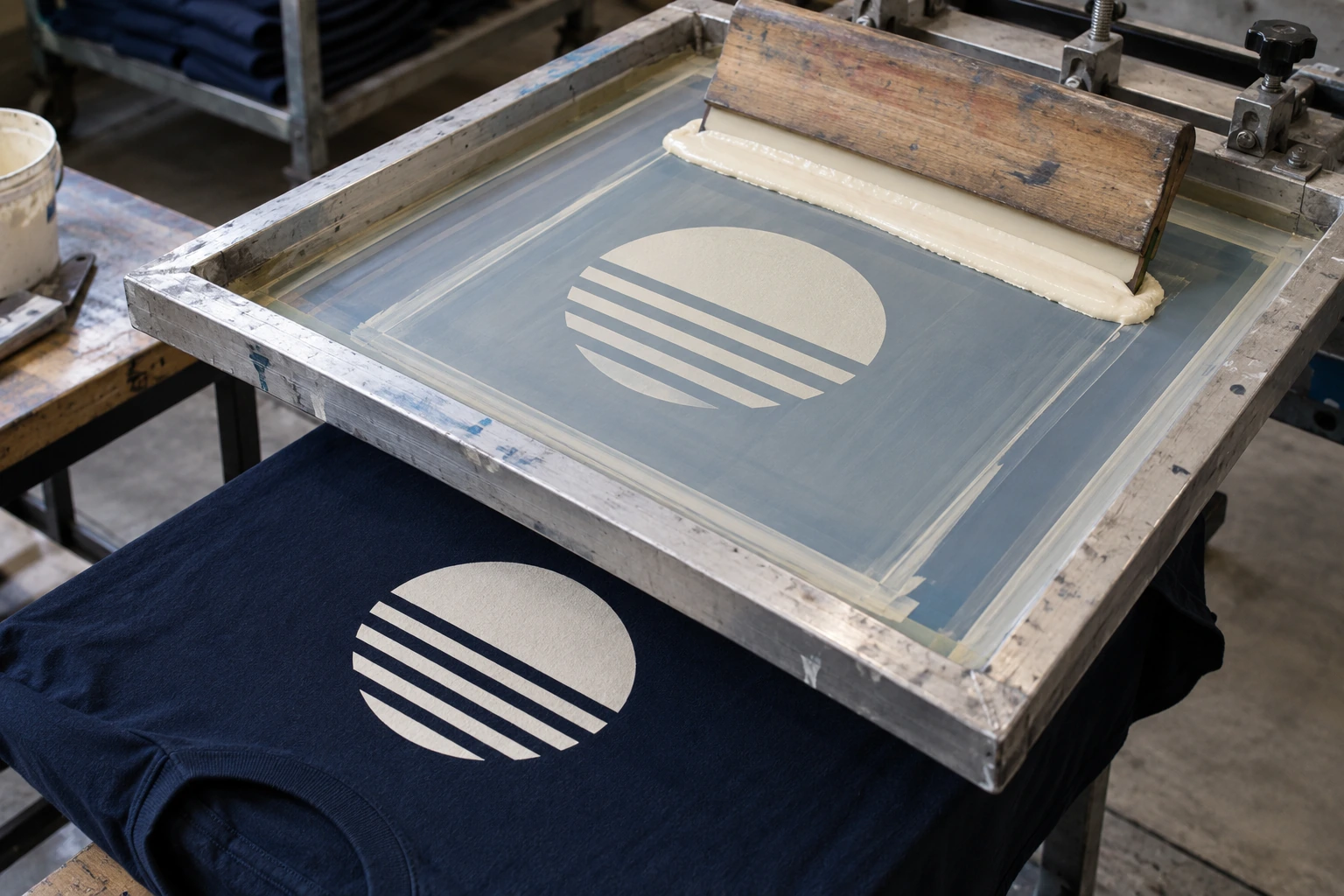
Screen printing
Plastisol, water-based and discharge inks bring logos and layered color to custom T-shirts and hoodies.
Explore techniques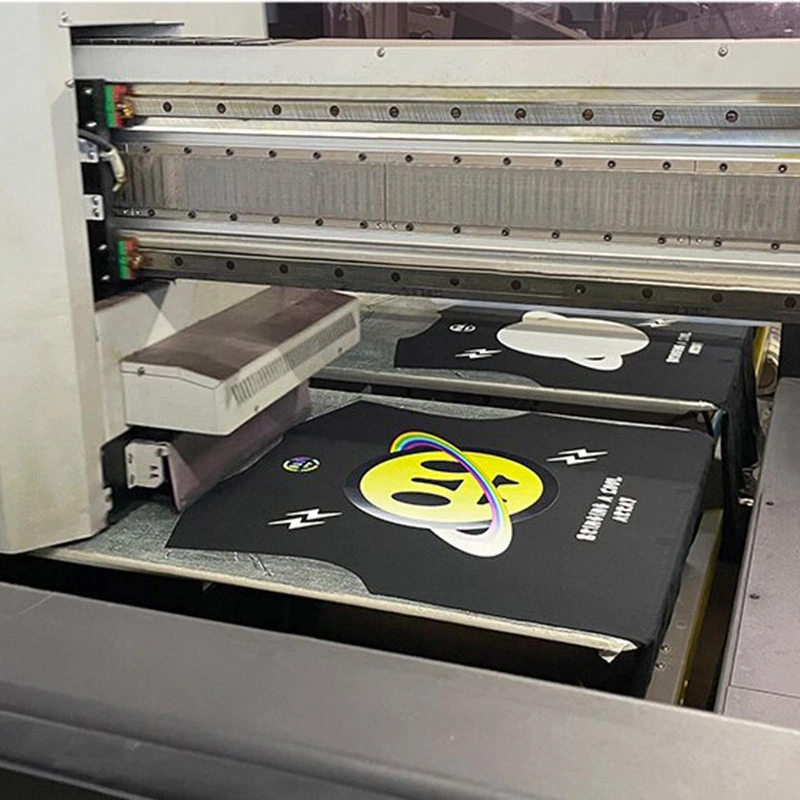
Digital & transfer
Compare DTG, DTF, sublimation and heat transfers for detailed illustrations, gradients, names and numbers.
Explore techniques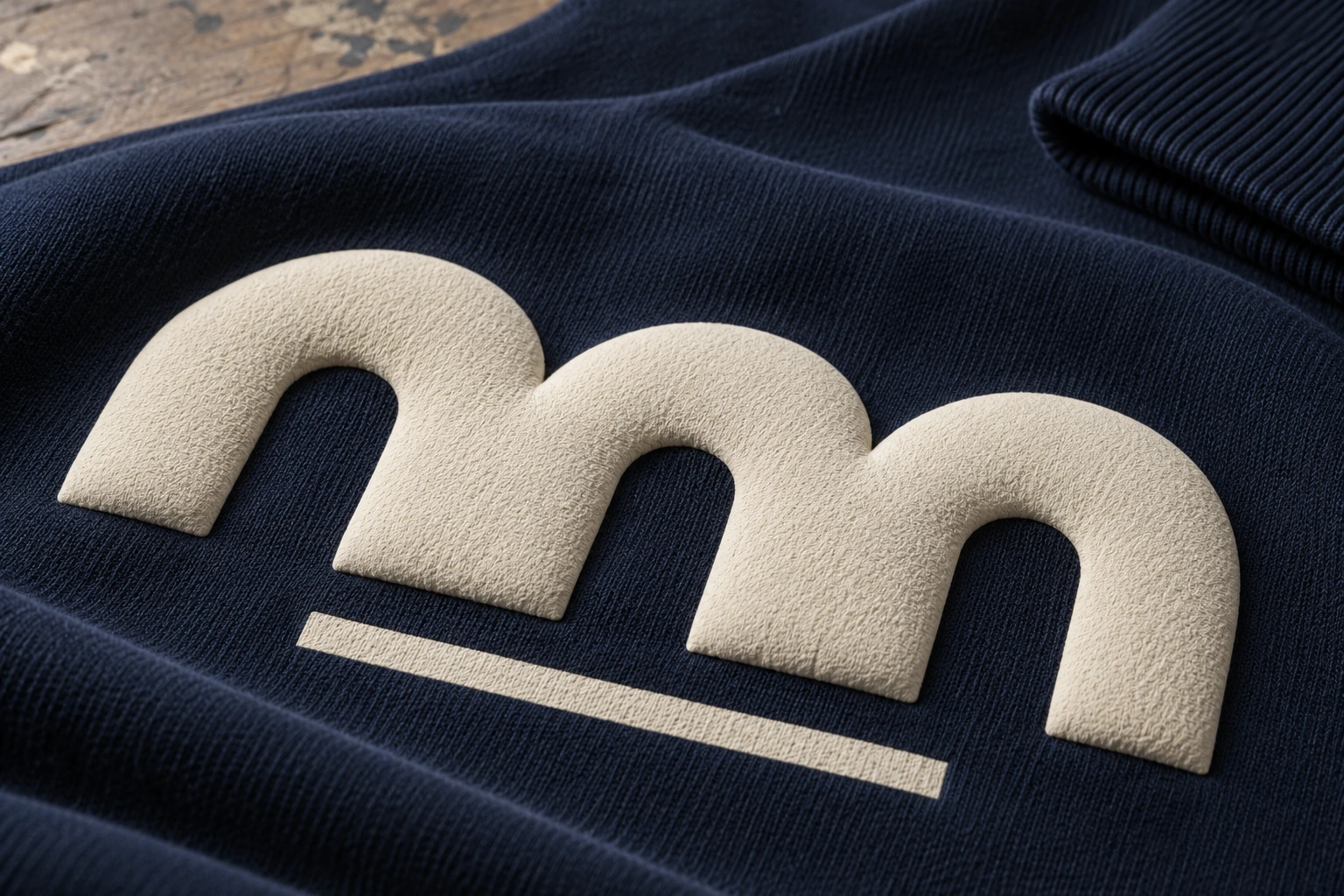
Raised & special effects
Build texture with puff, high-density, silicone and flock; explore foil, reflective and light-reactive finishes.
Explore techniques
Embroidery
Flat stitching, chenille, 3D embroidery and cording create distinct thread textures and dimensional lettering.
Explore techniques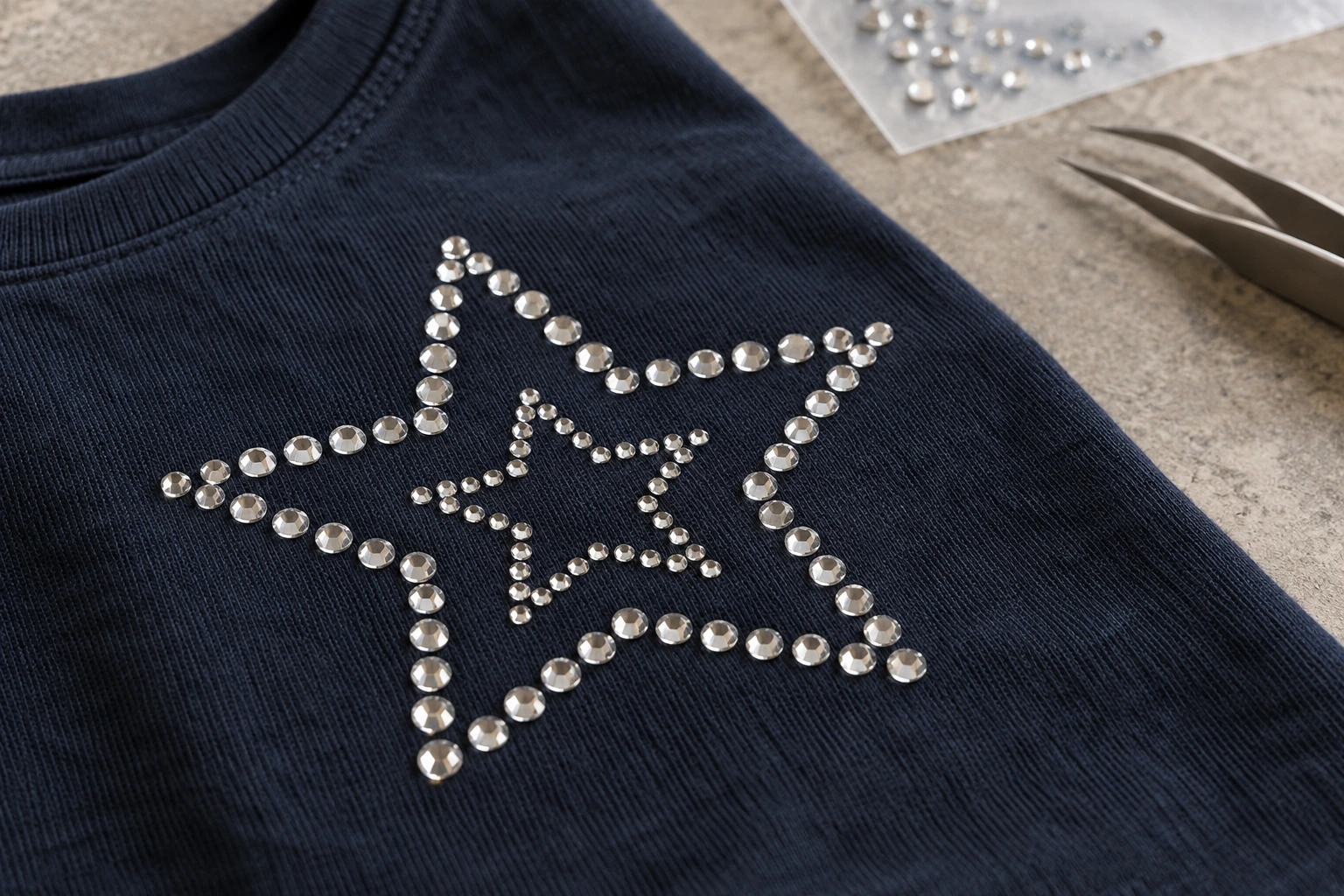
Appliqué & embellishment
Add appliqué, patches, rhinestones, sequins or molded badges. Match the attachment and weight to the garment.
Explore techniques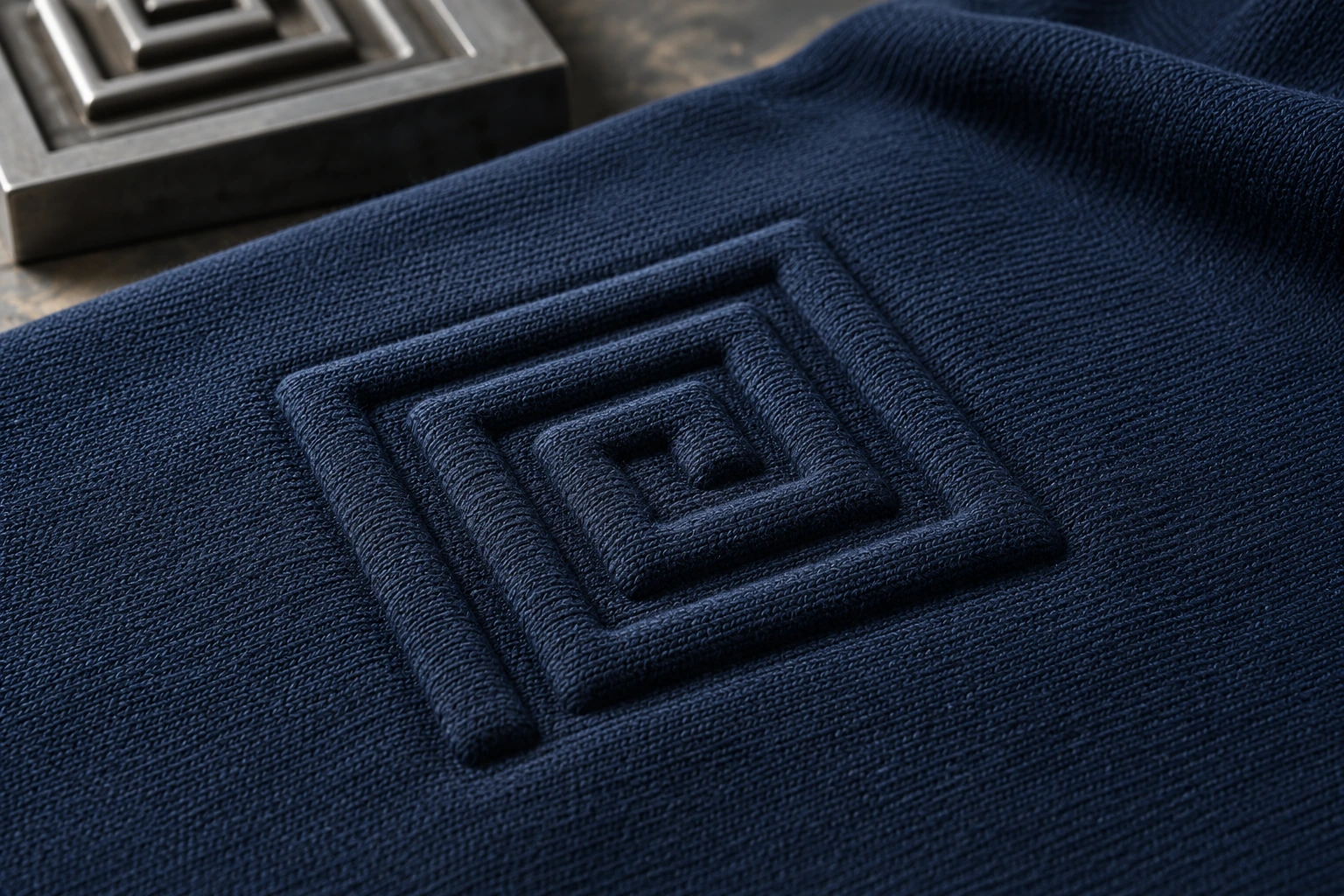
Other pattern methods
Explore tonal embossing, laser motifs, jacquard, intarsia and patterned dyeing when the design belongs in the fabric itself.
Explore techniquesGarment printing, embroidery & applied details
Explore the garment decoration guideA closer look.
A better collection.
Fabric, fit and the decisions behind a well-made garment.
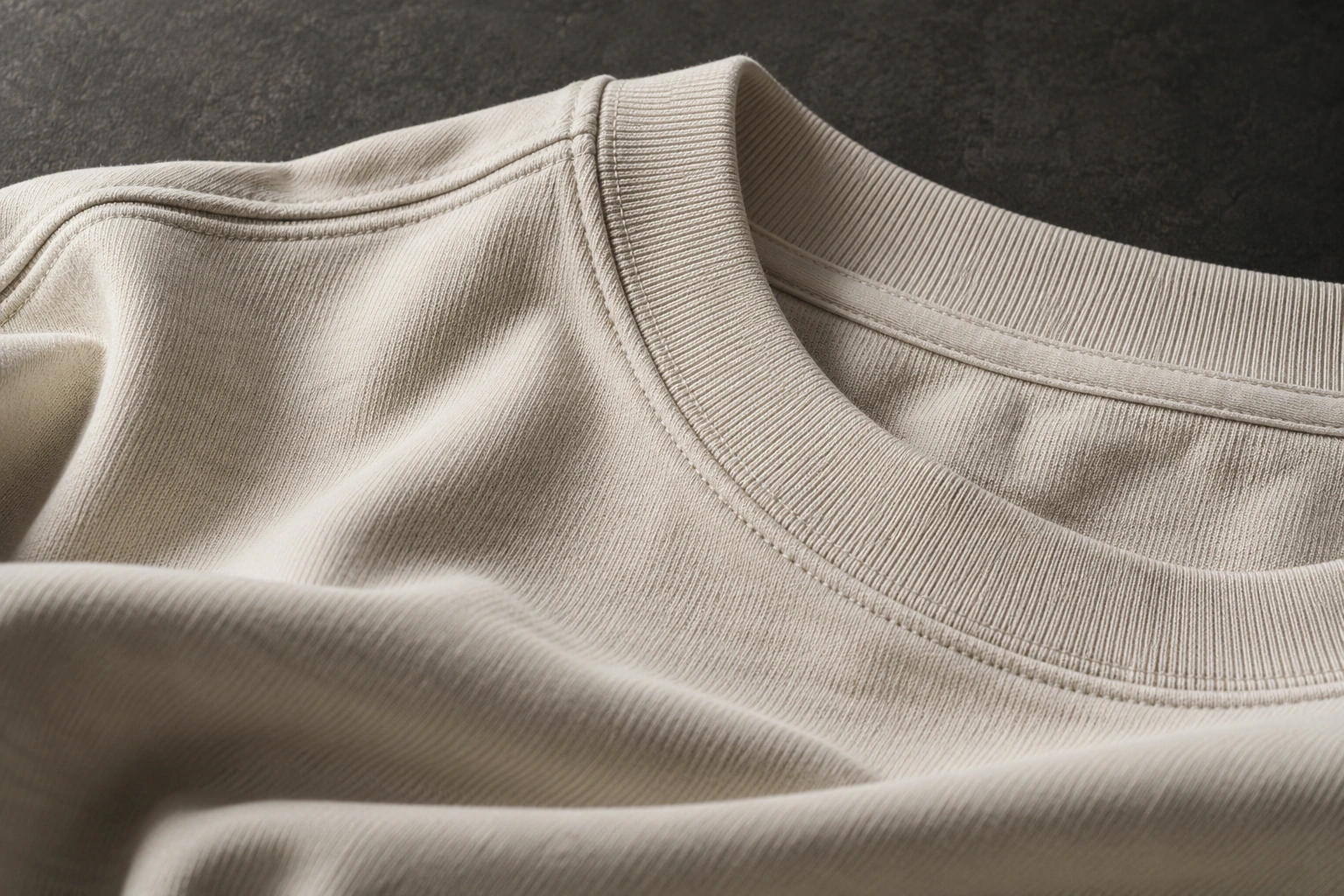
How to Choose Fabric for a Heavyweight T-Shirt
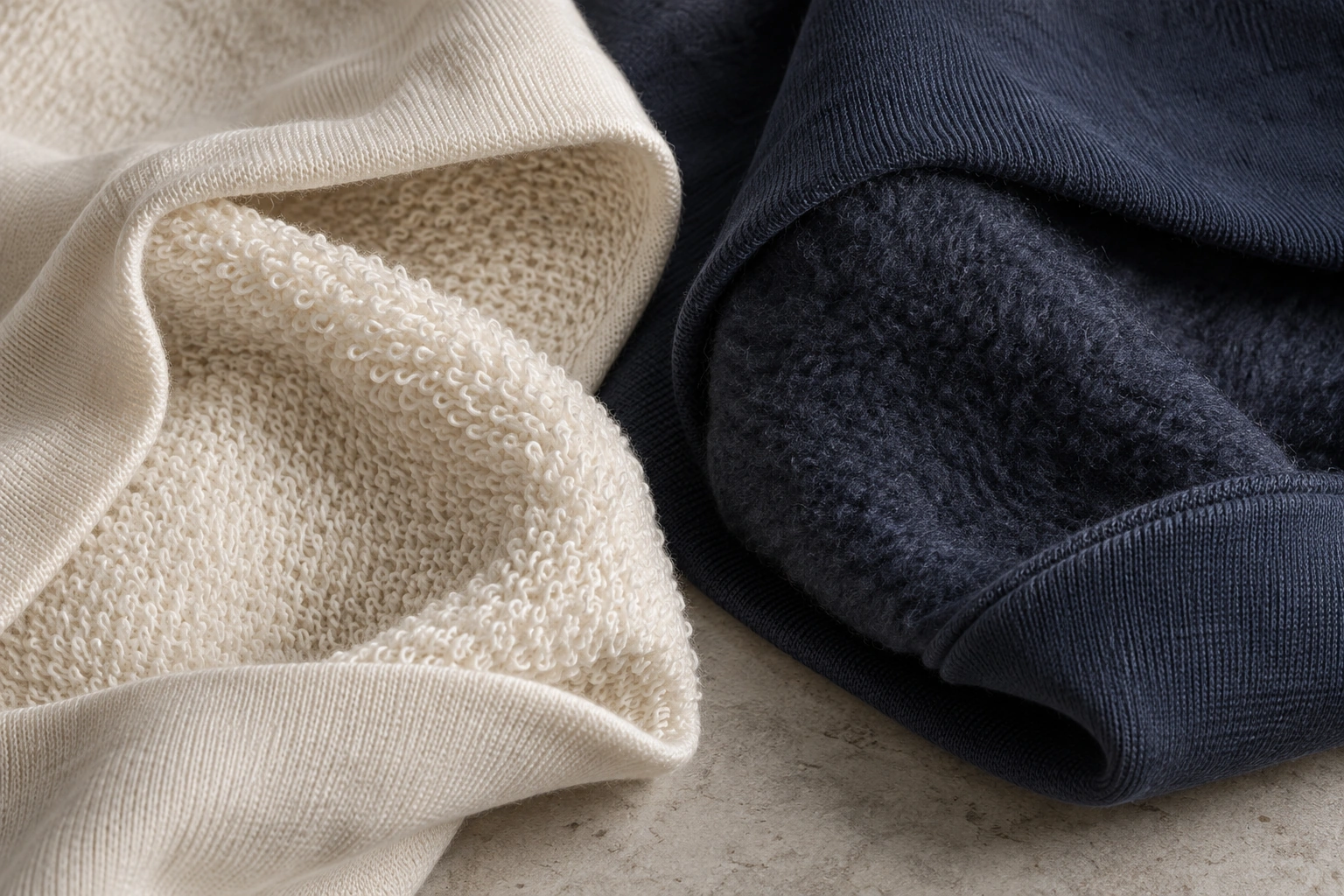
French Terry vs Fleece: Choosing a Hoodie Fabric
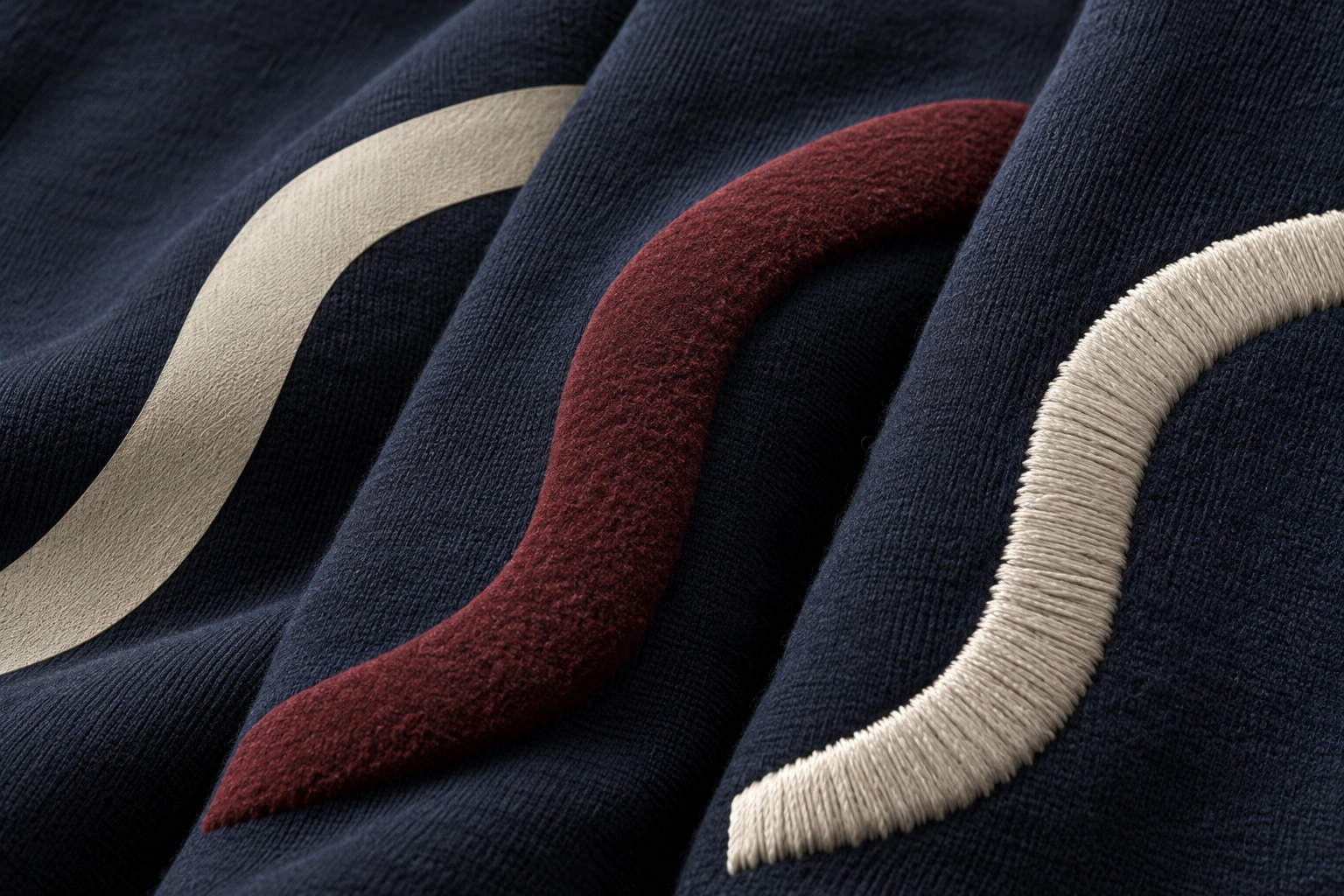
Puff Print, Flat Screen Print or Embroidery?
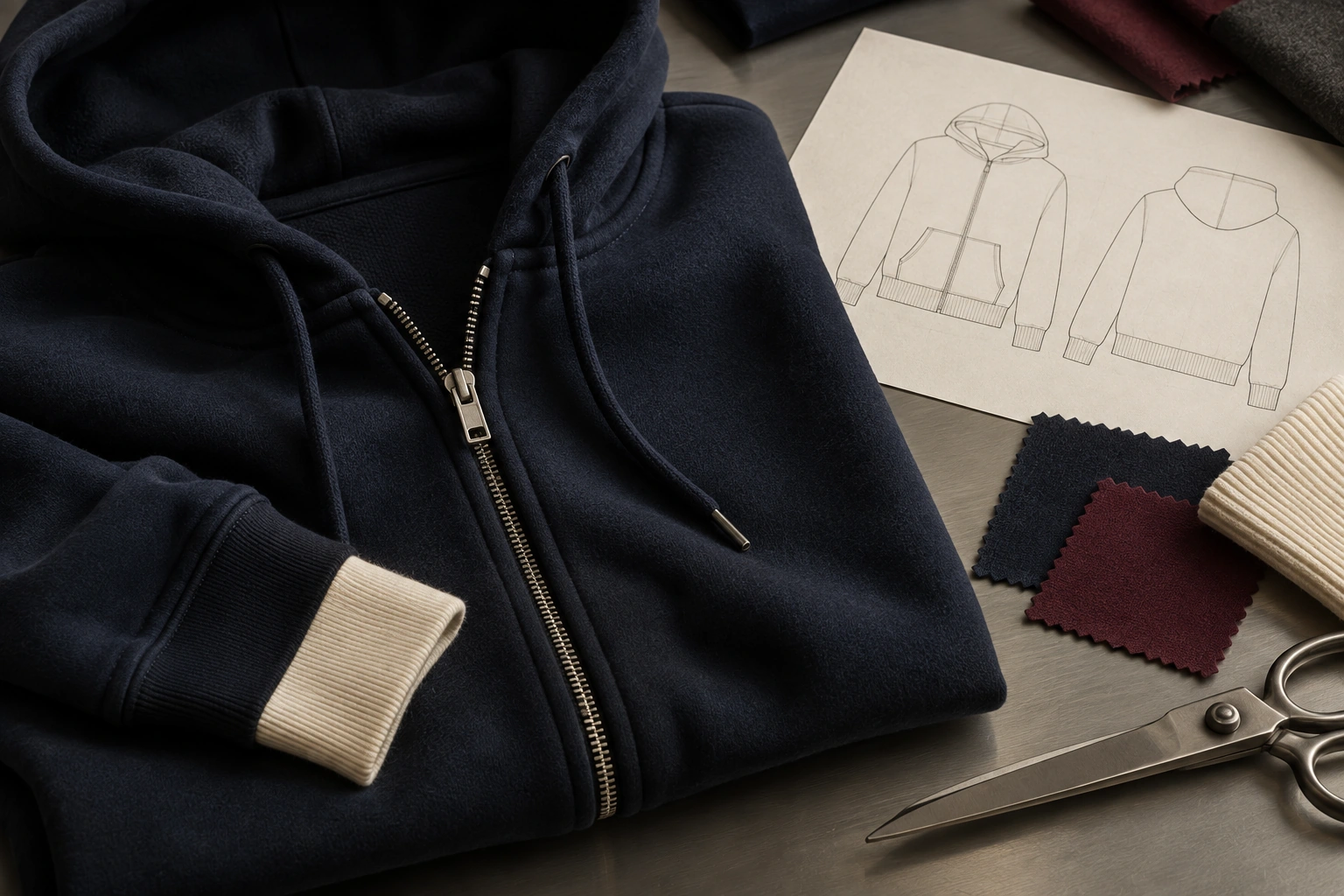
What to include in a clothing manufacturing brief
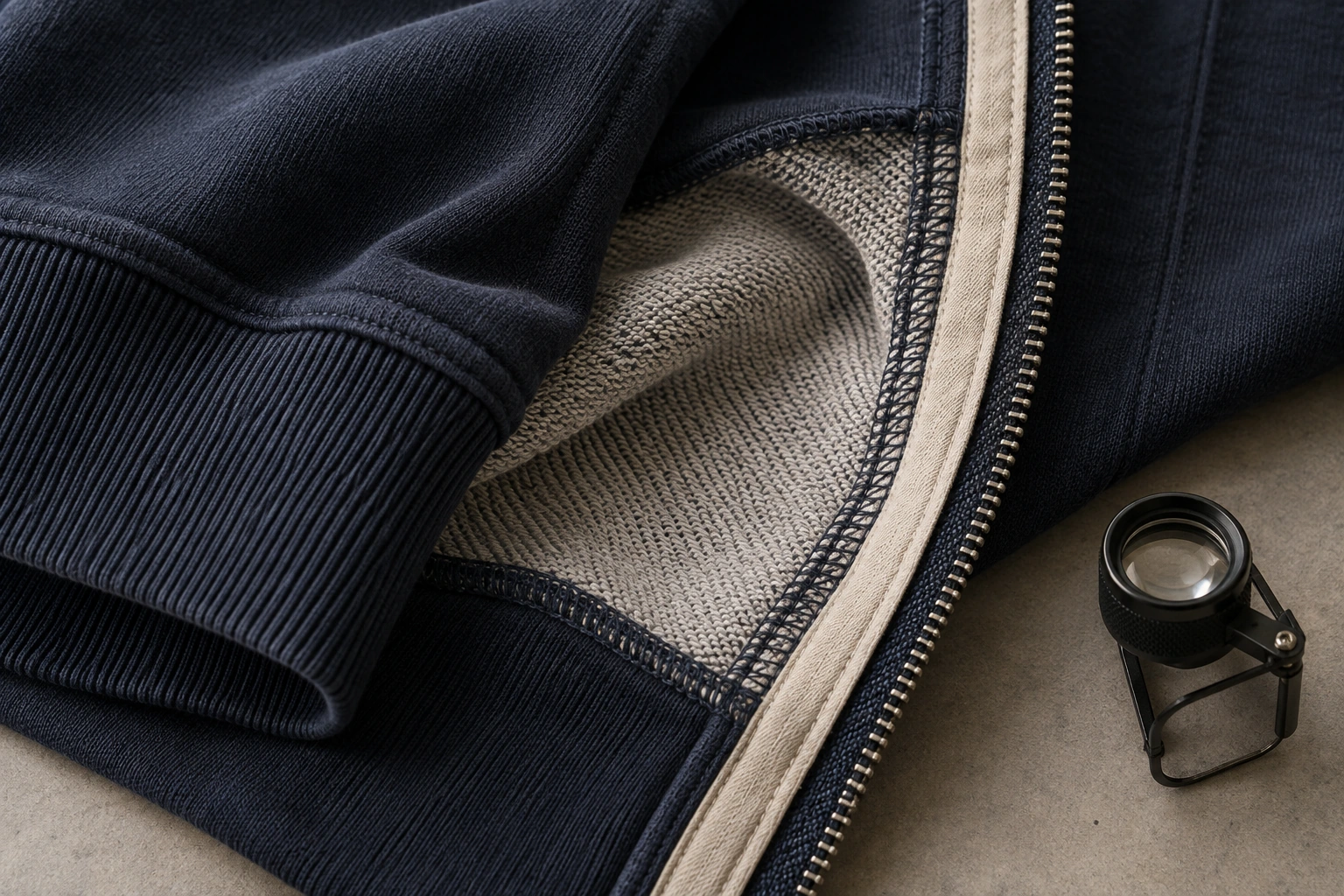
How to Review Your First Clothing Sample
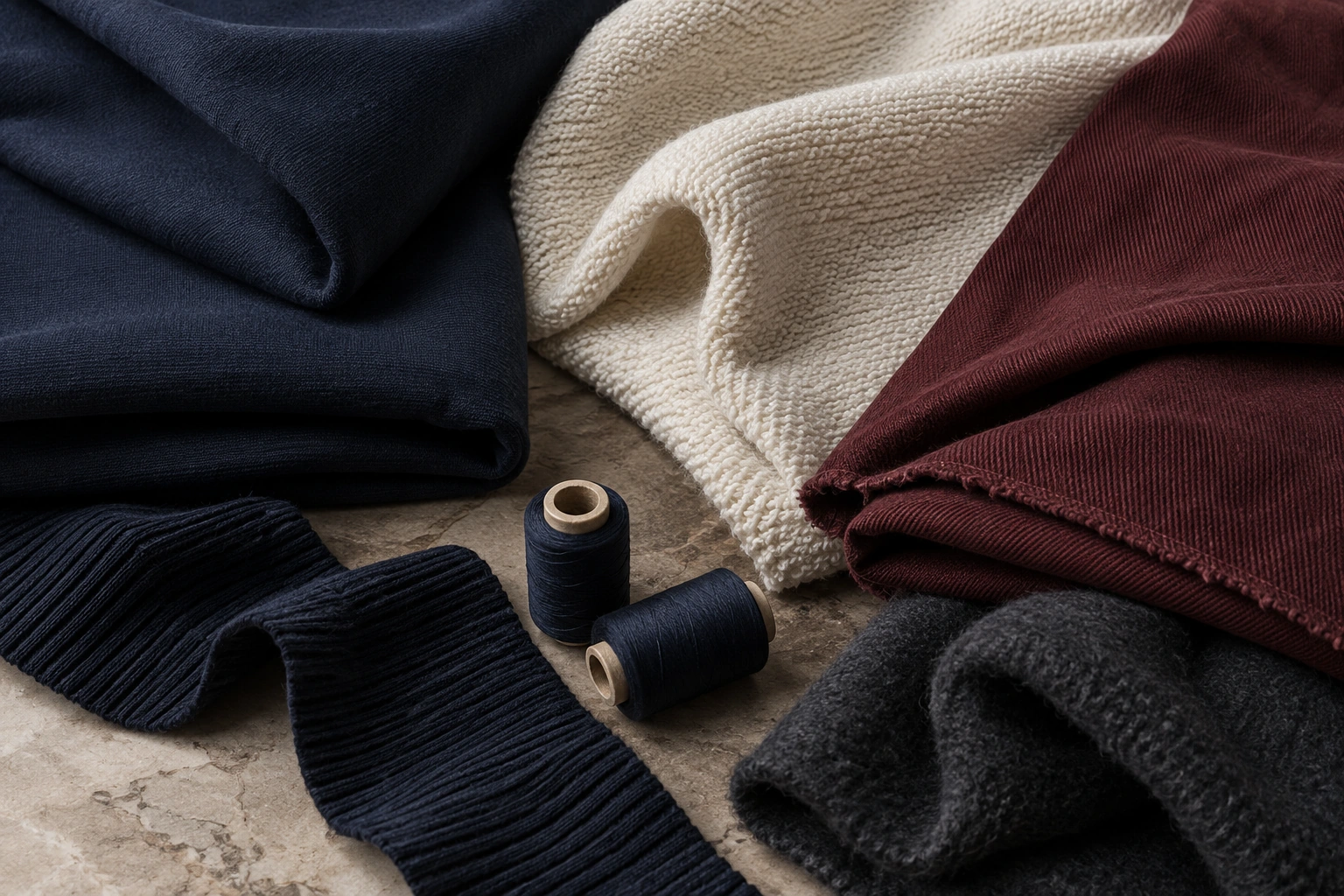
MOQ and pricing: how to compare a clothing quotation
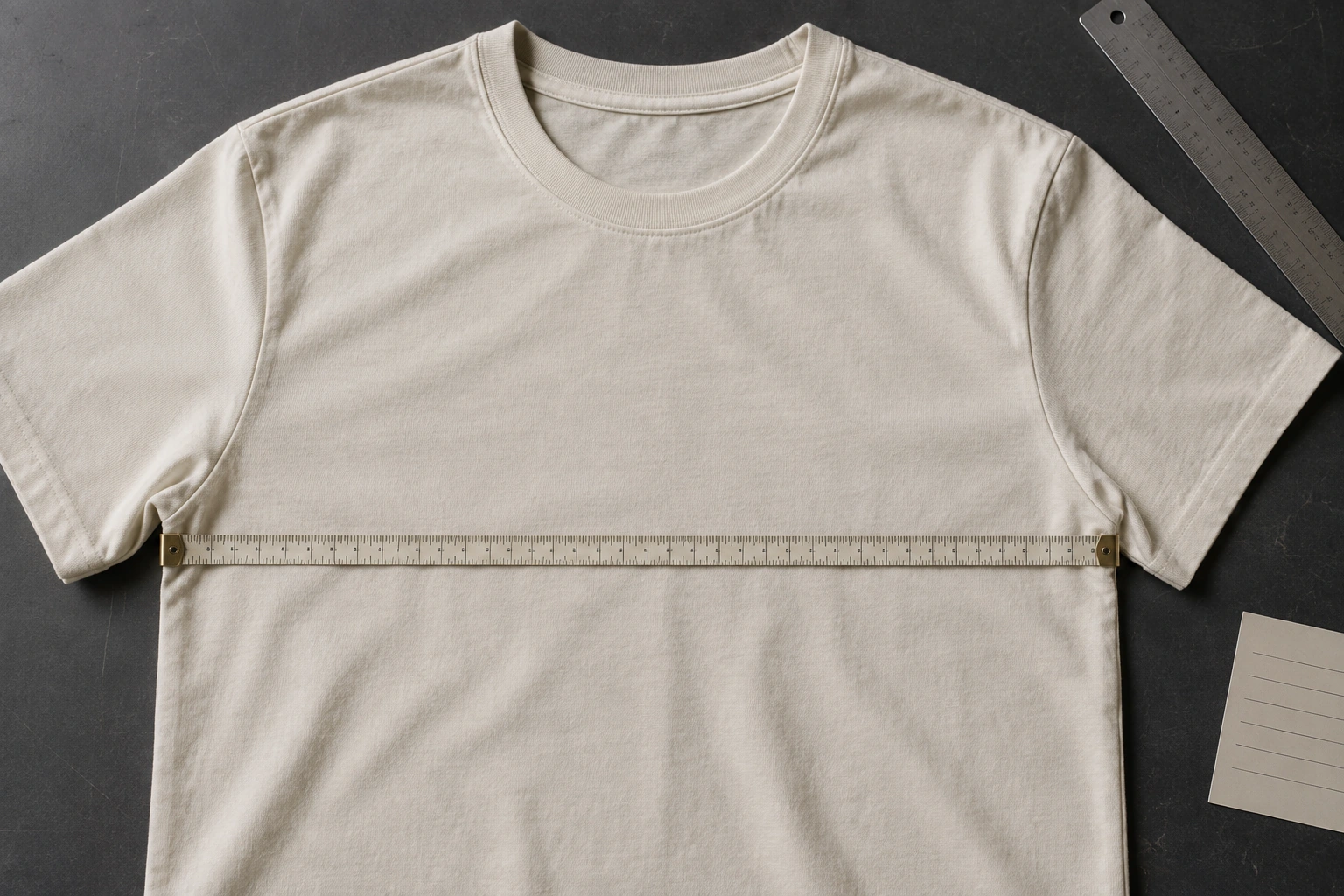
Fabric, GSM and fit: building a useful specification
From approved sample to bulk production

A small studio.
A first customer who believed.
In August 2010, Eddy Wu and his wife borrowed RMB 200,000 from a friend and began making samples in a rented apartment. Months passed without the customers they had been expecting.
Their first order came from an older couple from Singapore. On a rainy delivery night, they wrapped the clothes in waterproof bags and came back soaked but happy. The customers came back, valuing the products and delivery times. In 2011, Eddy and his wife opened a factory with 15 workers.
Quality, delivery and care for the people doing the work.
Read Eddy’s storyFeel it. Discuss it.
Put the decision on record.
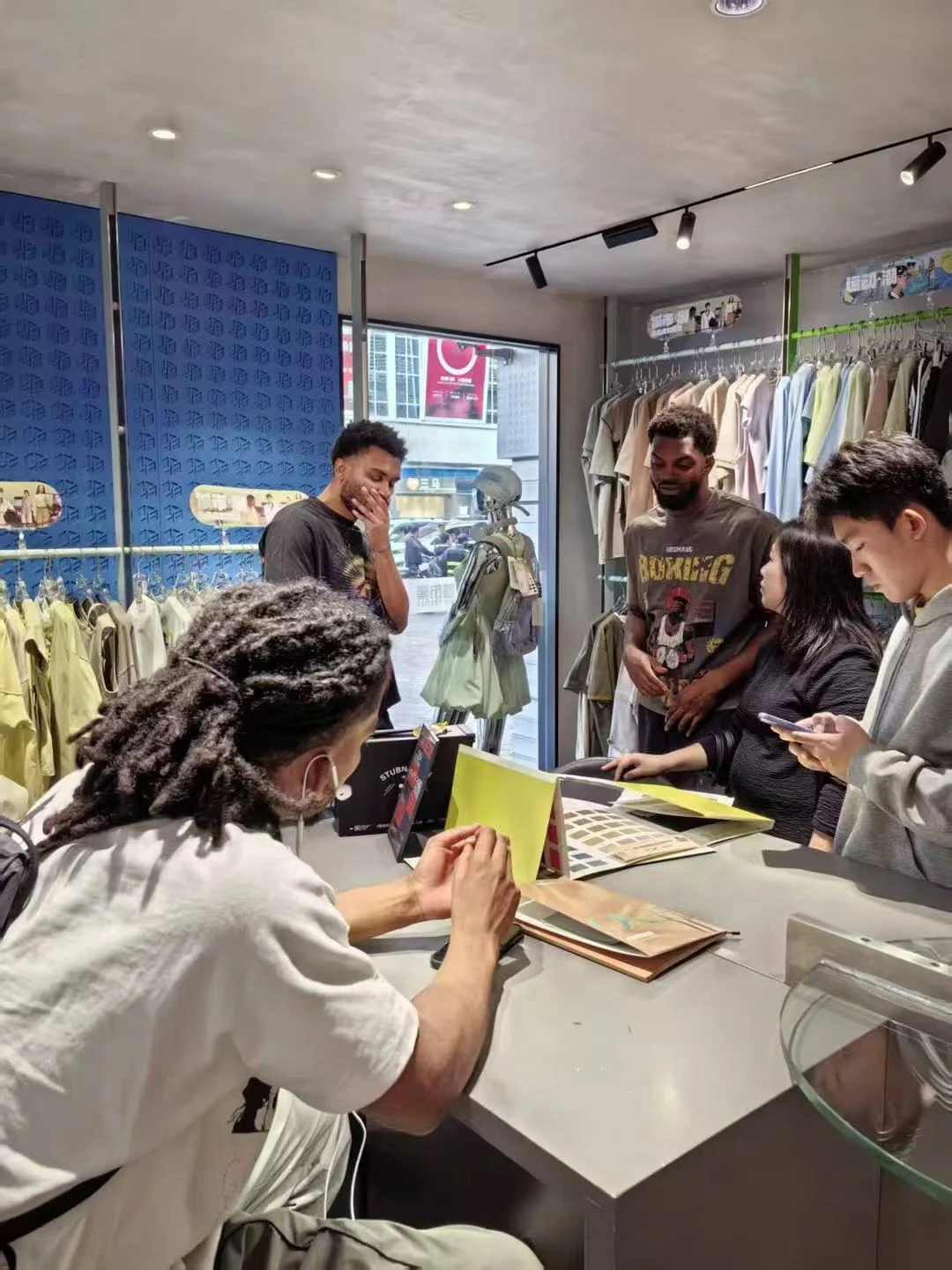
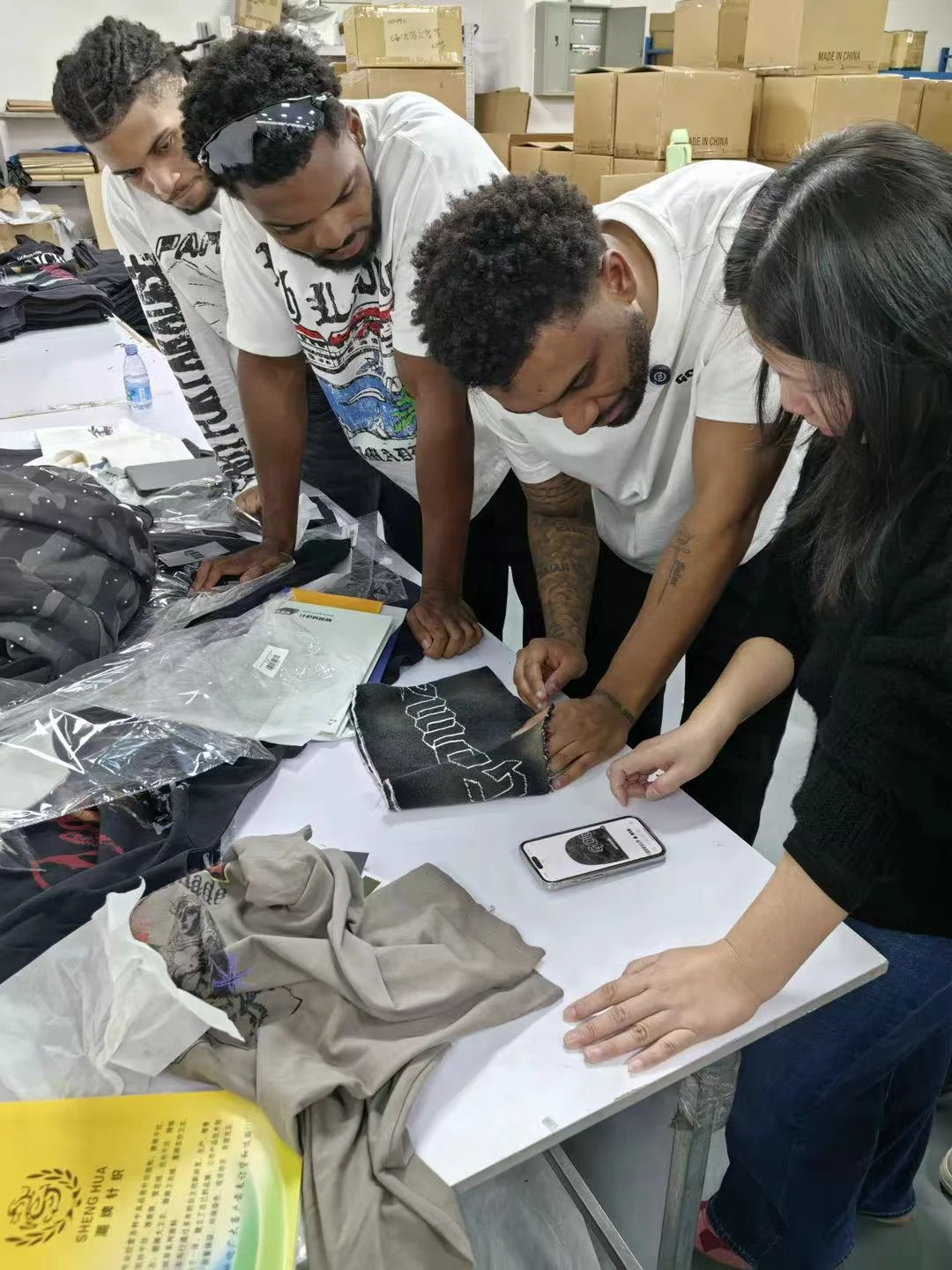
A color on screen and a garment in your hands can tell different stories. A sample review with Salati Apparel gives each change a clear reference before approval.
Keep the comments with the sample.
Use the fillable sample-review PDF to collect measurements, marked details and remaining questions in one place. Save a copy for each revision.
The craft.
In every detail.
Follow the details that connect the cutting pattern, seam construction, garment decoration and finished pack. The process is defined around the approved sample.
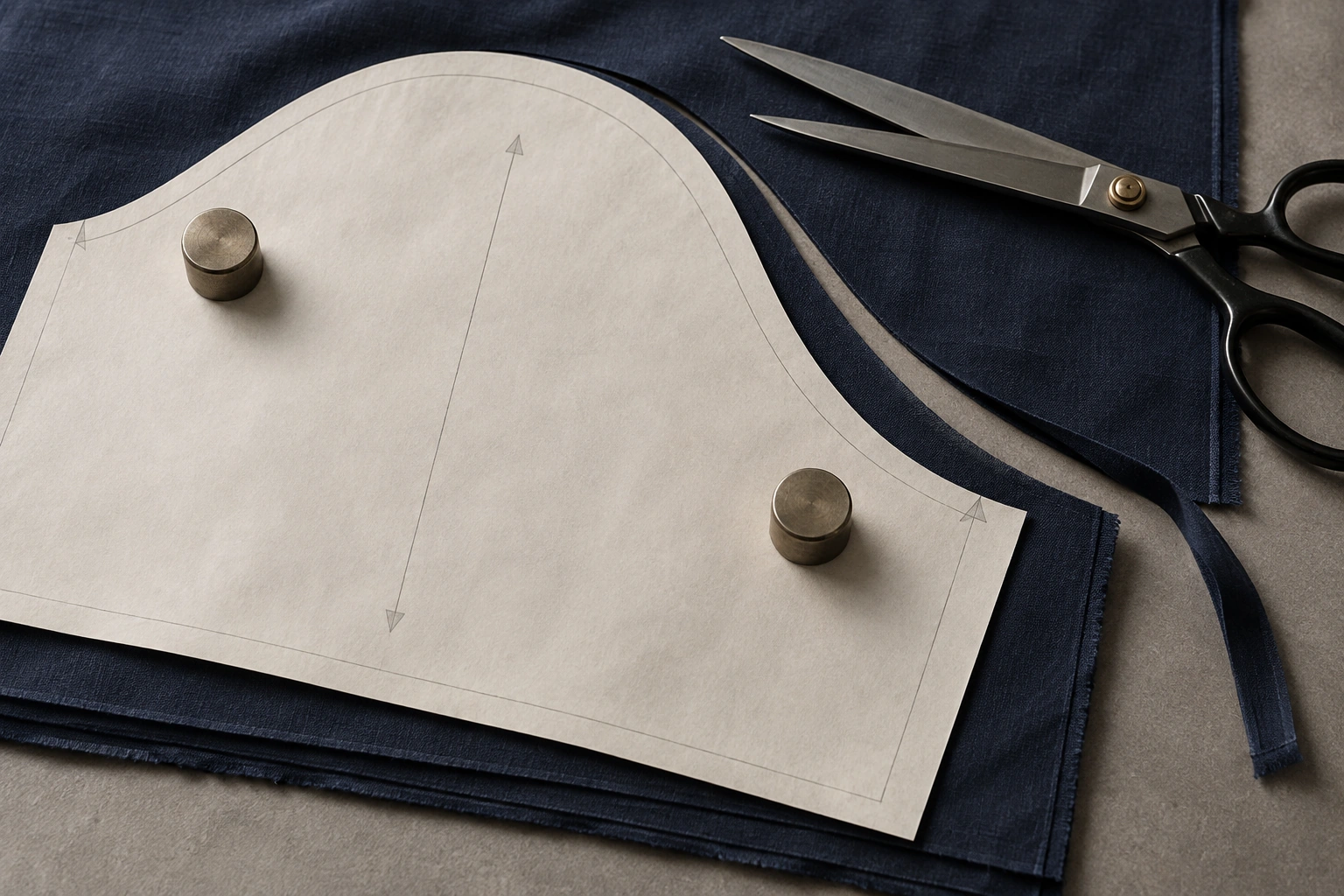
Pattern & cutting
Match the cutting reference, grain direction and garment panels before assembly.
Pattern & cutting preparation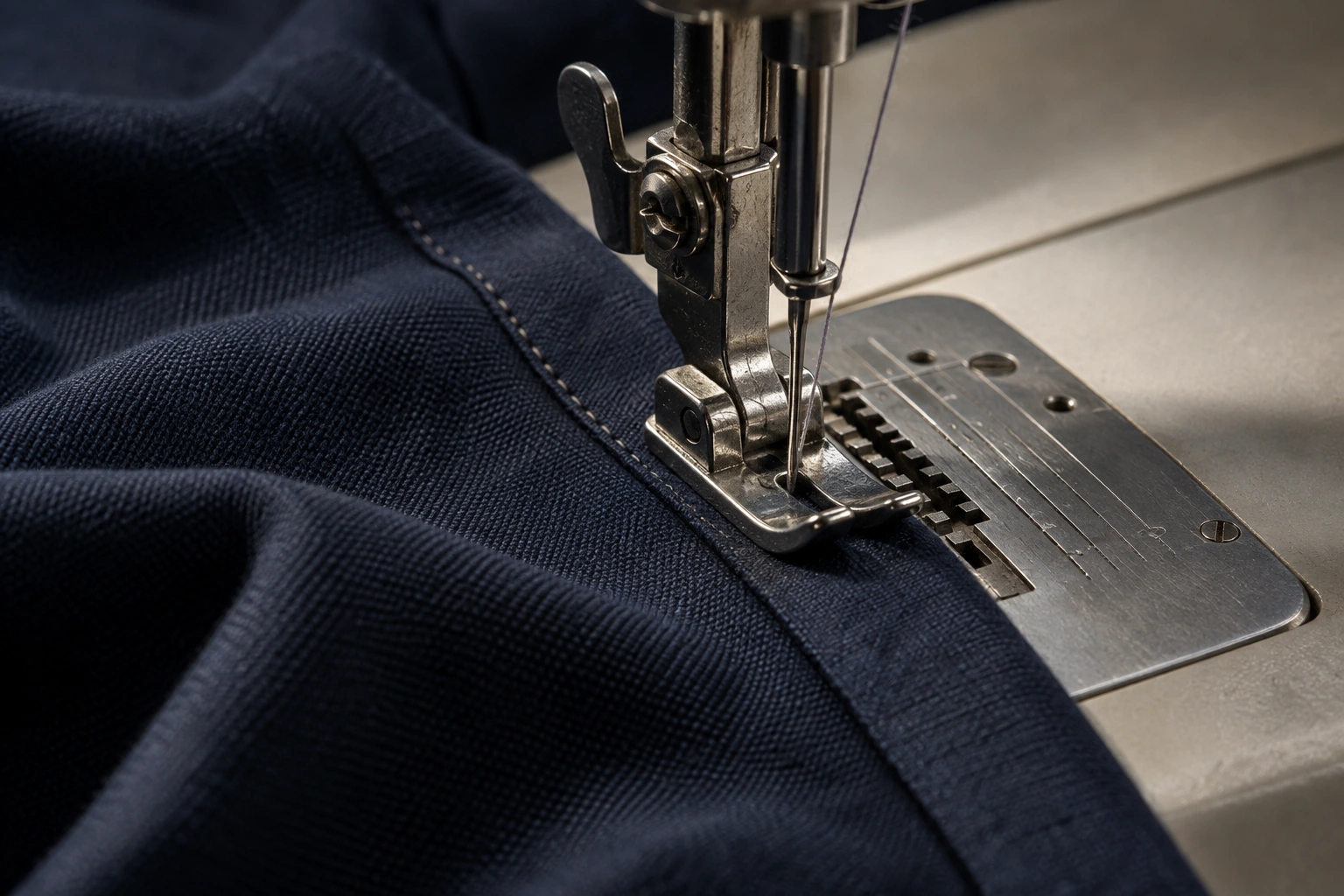
Seams & construction
Specify seam type, stitch appearance and construction details for each part of the garment.
Cut-and-sew construction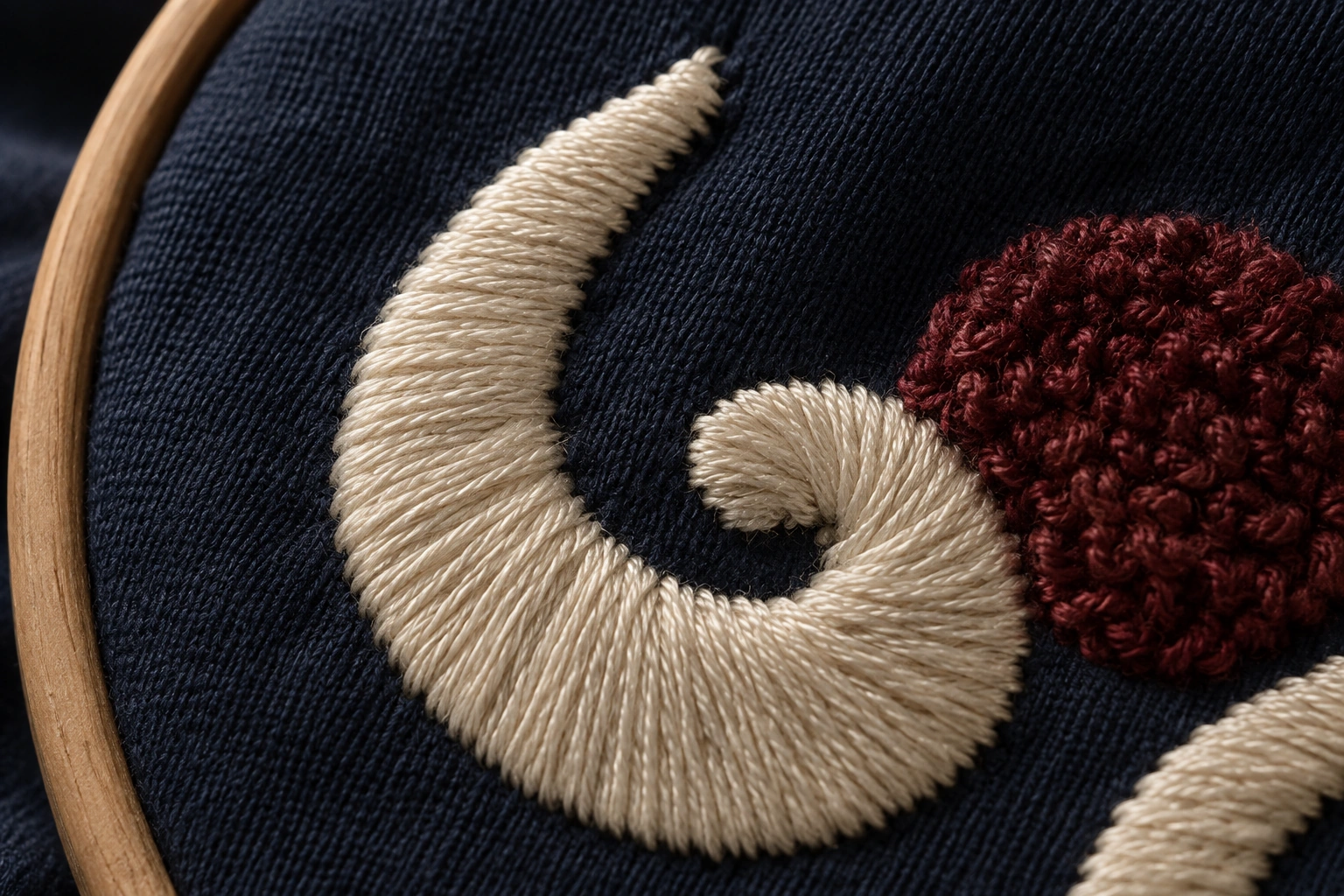
Artwork & texture
Review thread, surface relief and placement on the selected base fabric.
Embroidery & applied texture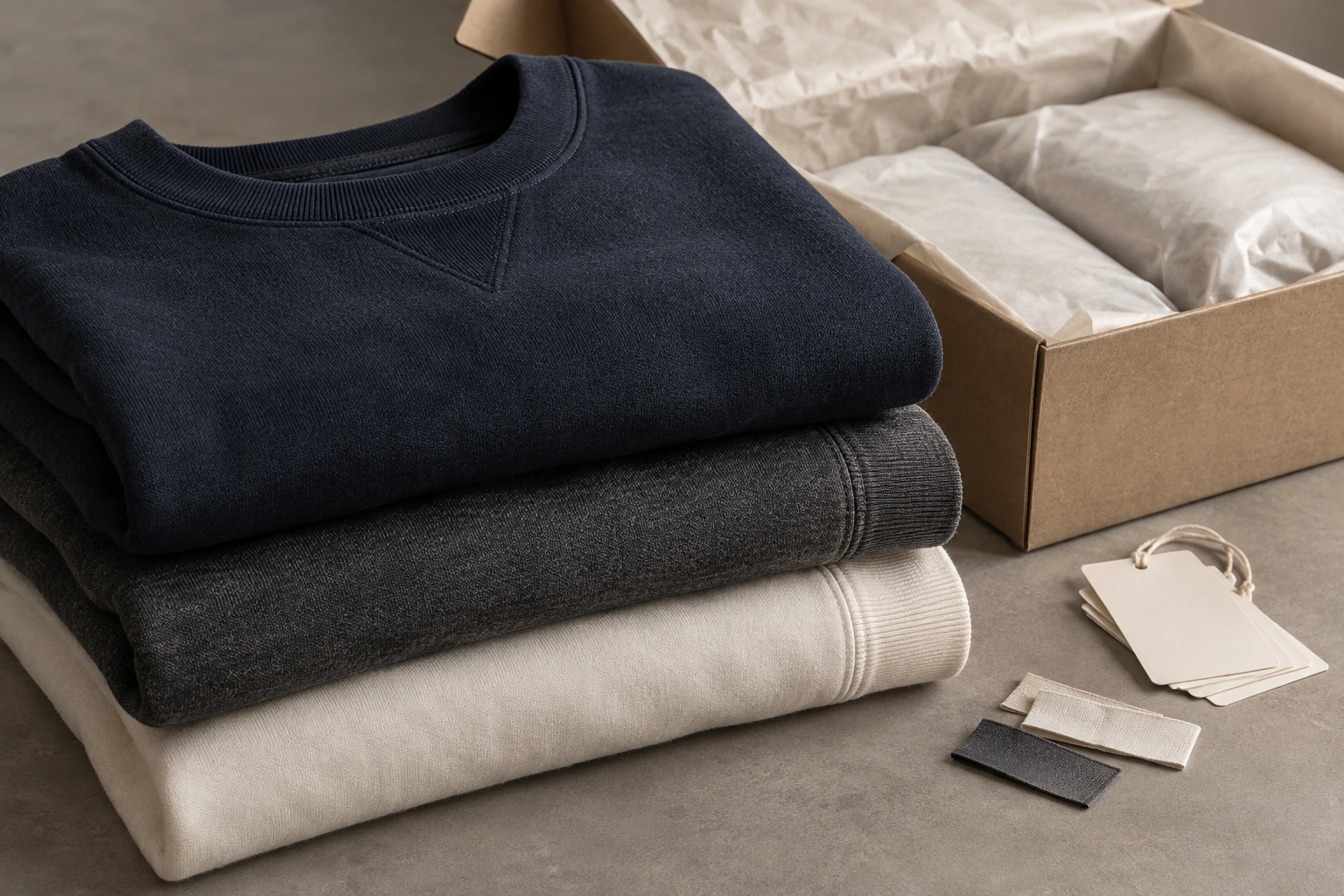
Finishing & packing
Connect the finished garment, labels and packing breakdown to the production order.
Finished garments & packing preparationMachines selected for the seam.
SALATI production equipment includes four-needle six-thread, double-needle chainstitch, computerized coverstitch, waistband and template sewing machines. The garment construction determines the equipment and sequence used.
From artwork to the finished detail.
Review artwork size, placement, color and texture on the sample before approving production. Confirm the decoration method and its compatibility with the garment fabric.
Meet the people.
Feel the garments.
A collection starts with a conversation. At an exhibition booth, around a sample table or here in our showroom — meet the people we share the work with.
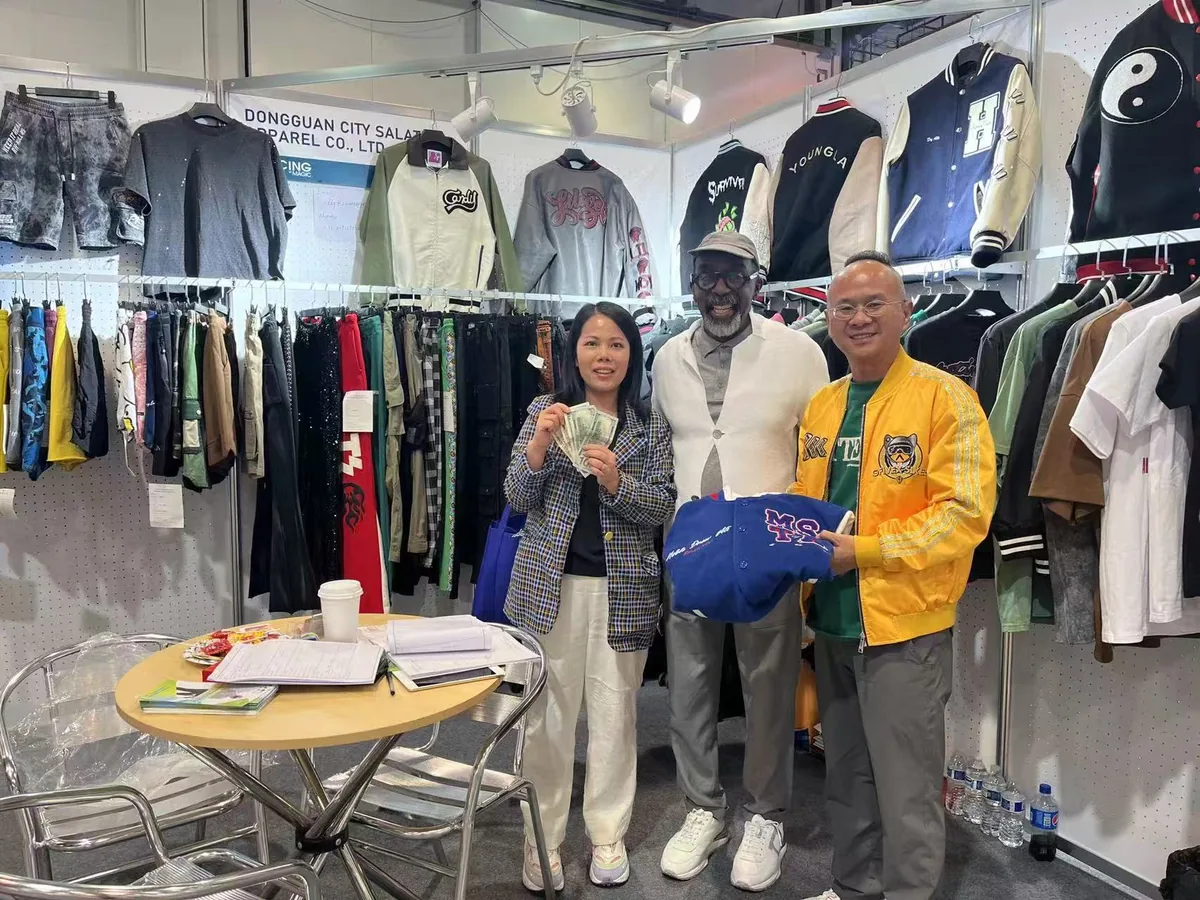

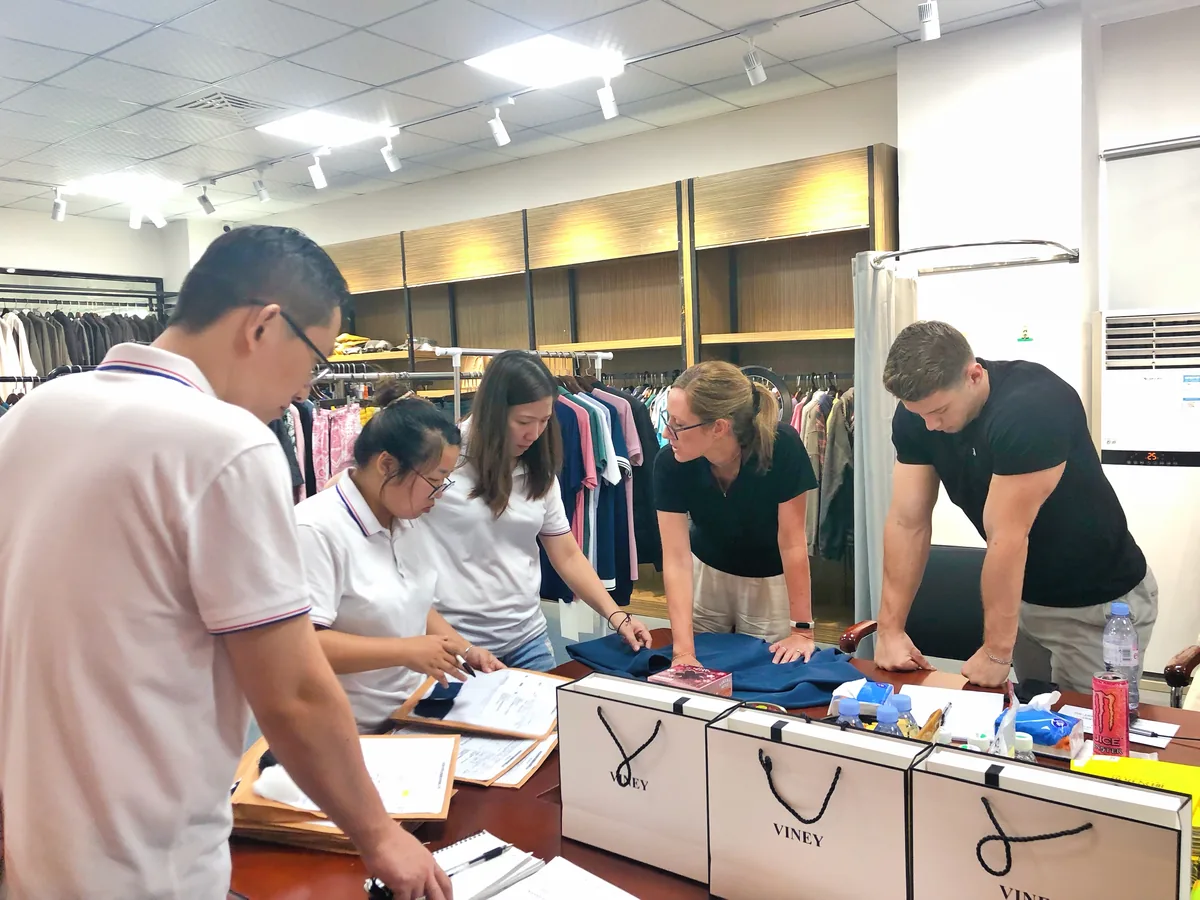
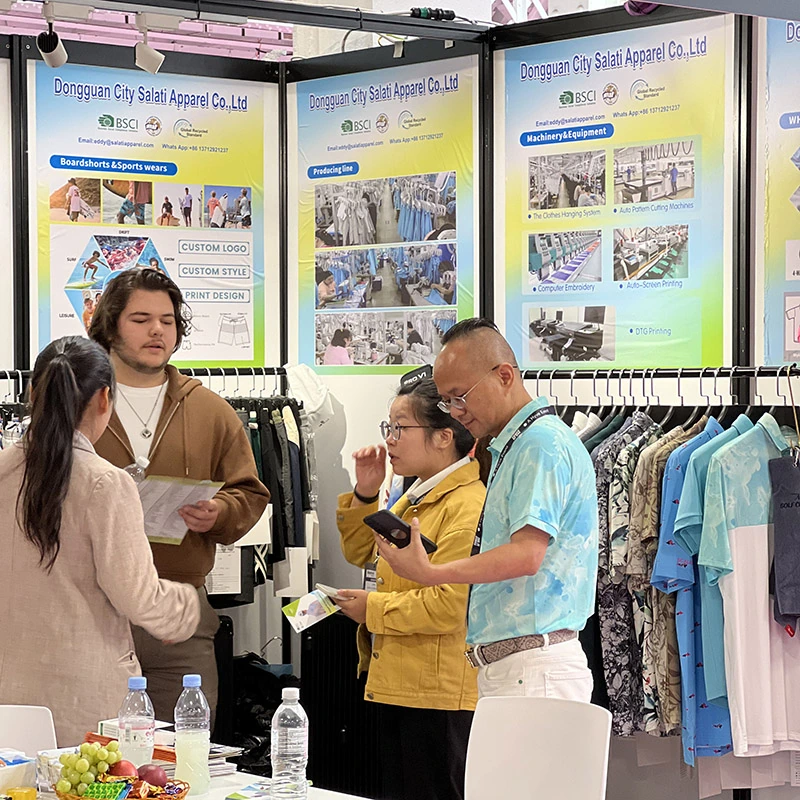
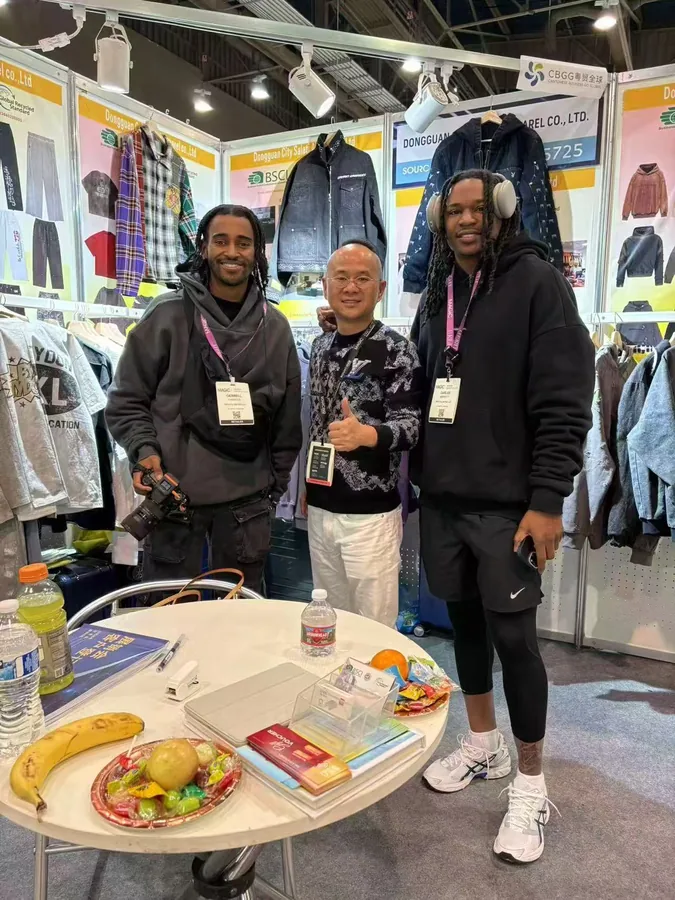
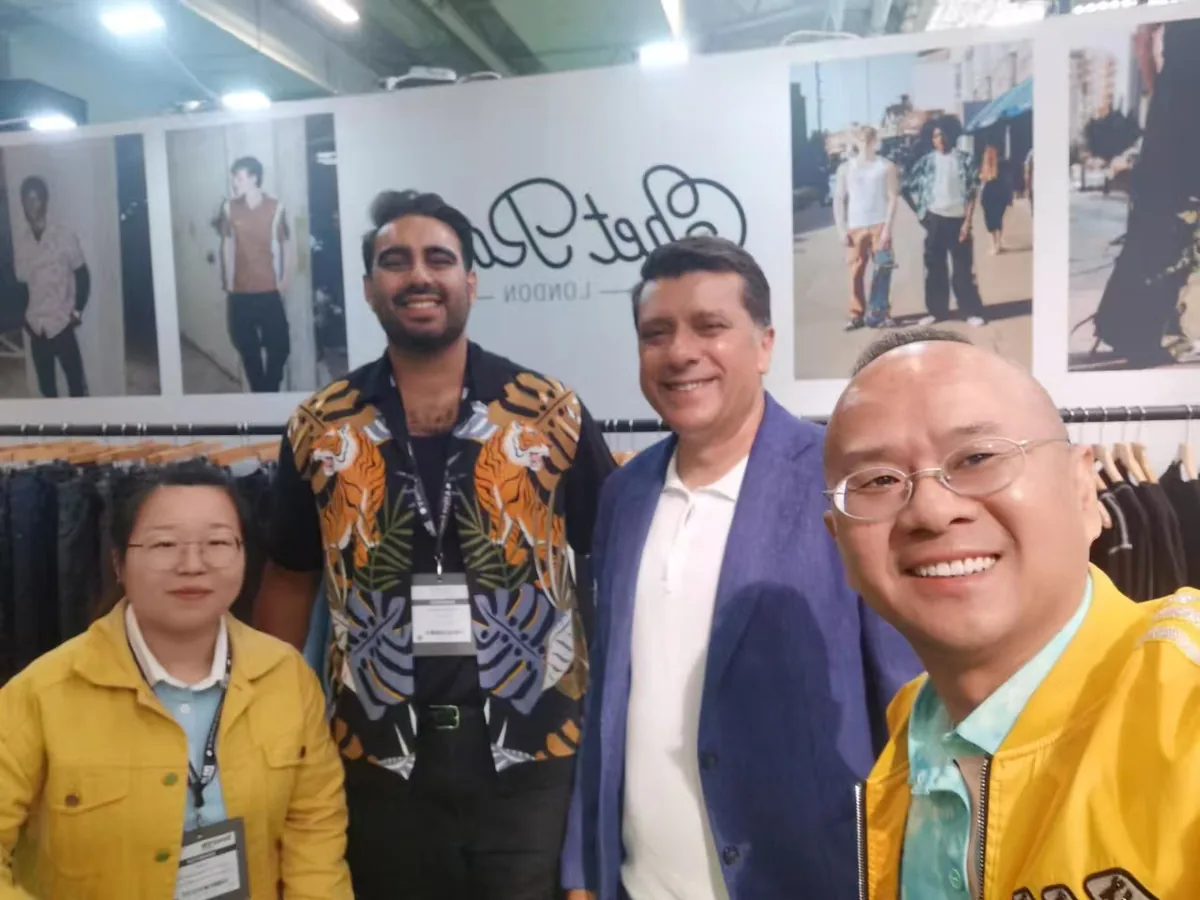
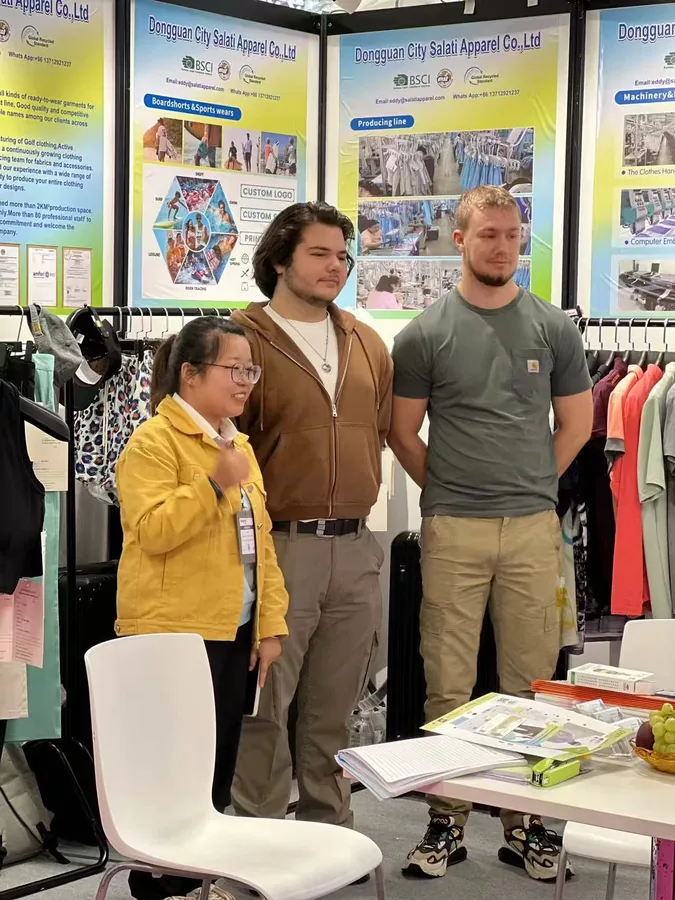
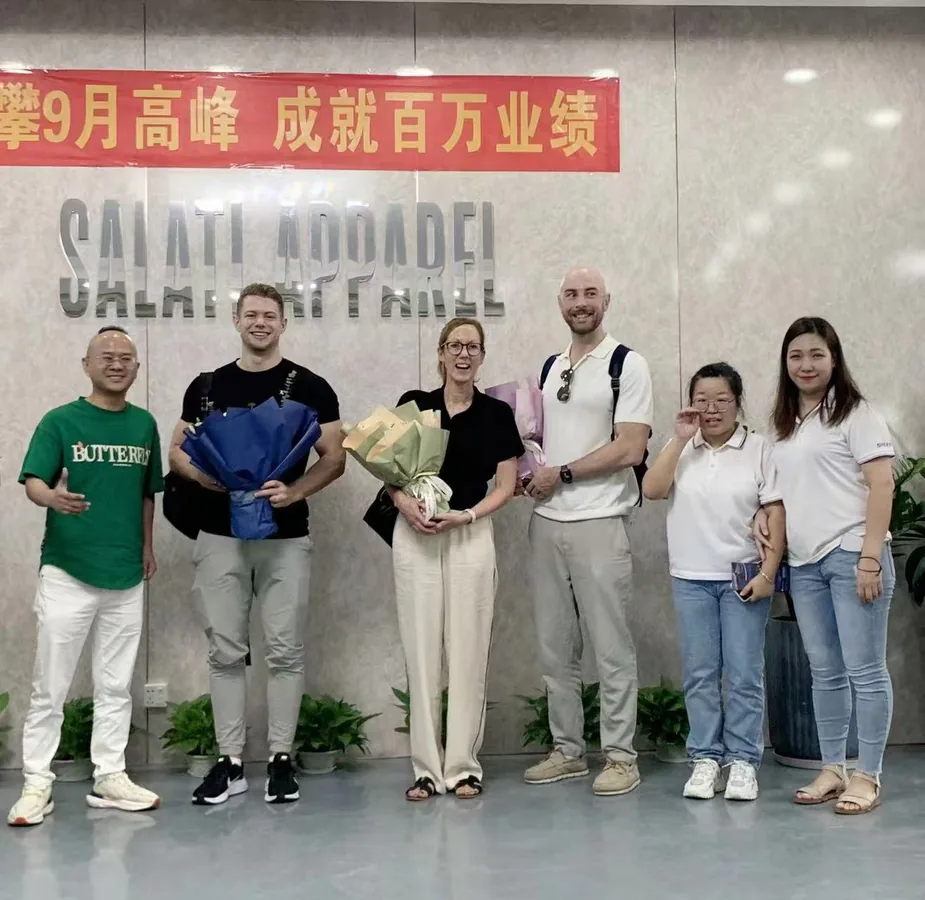
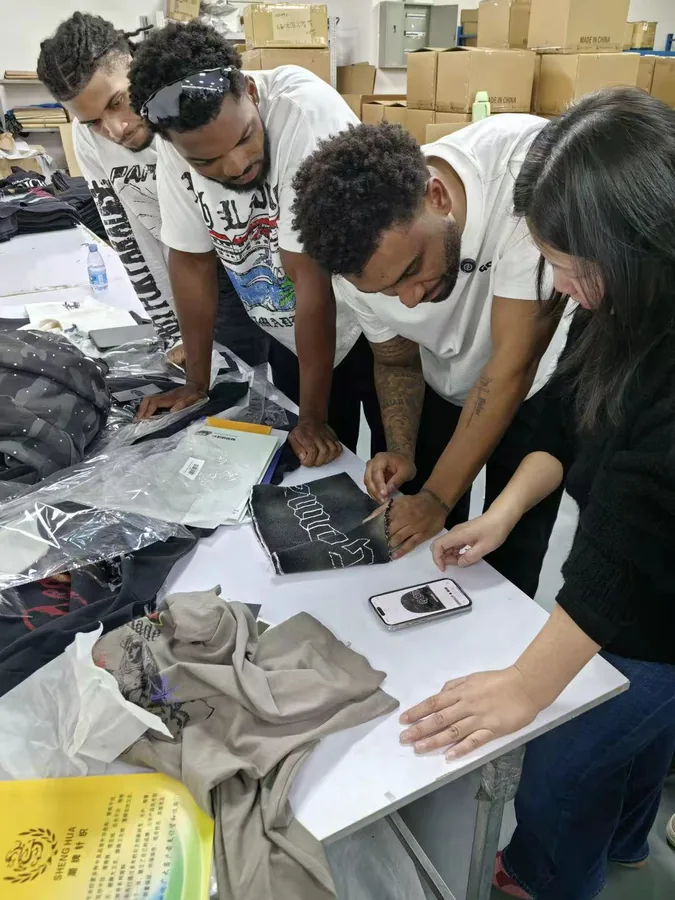
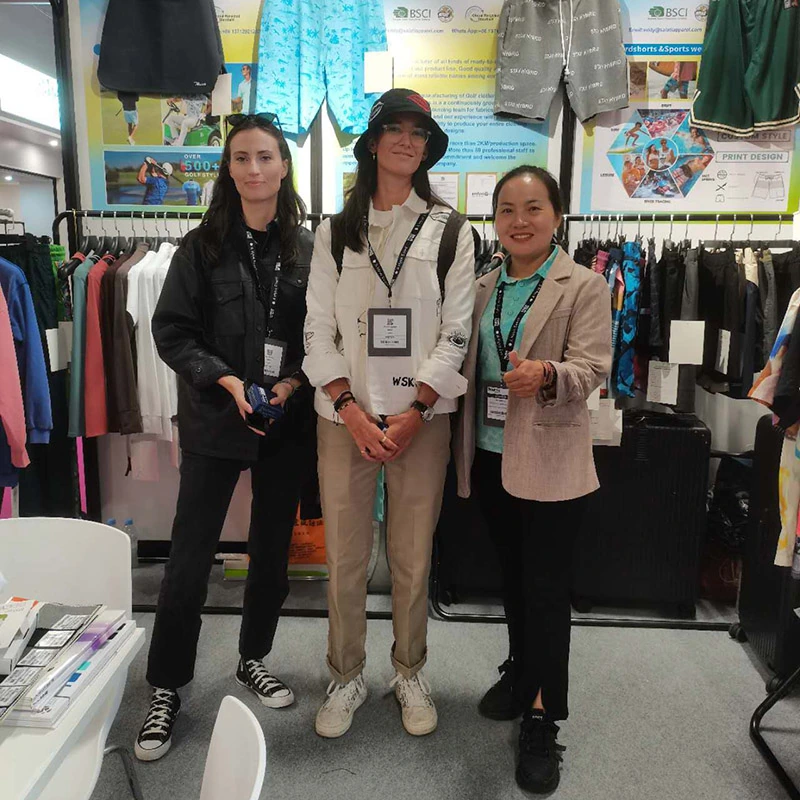
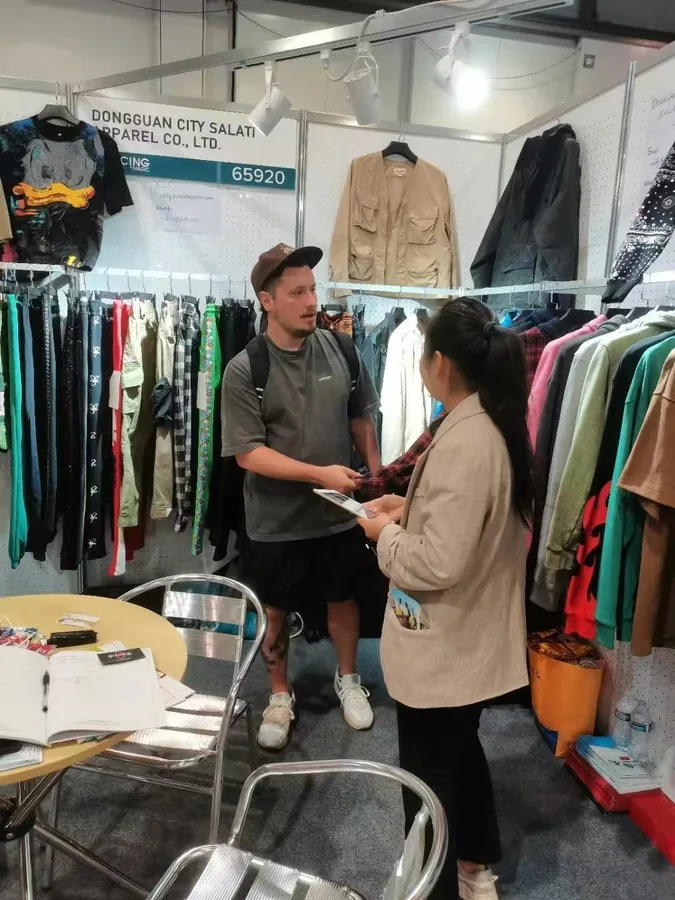
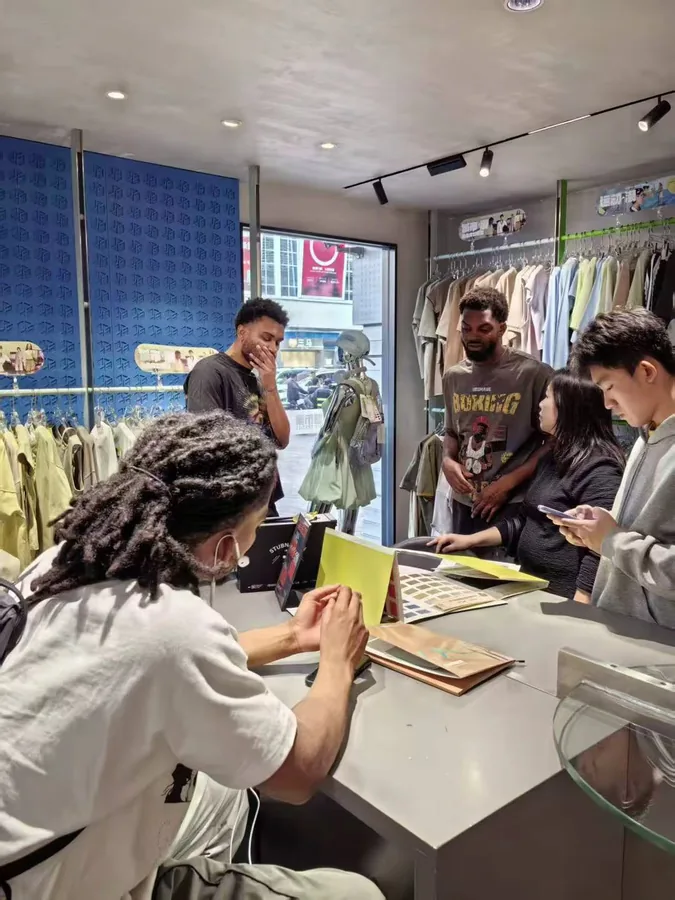
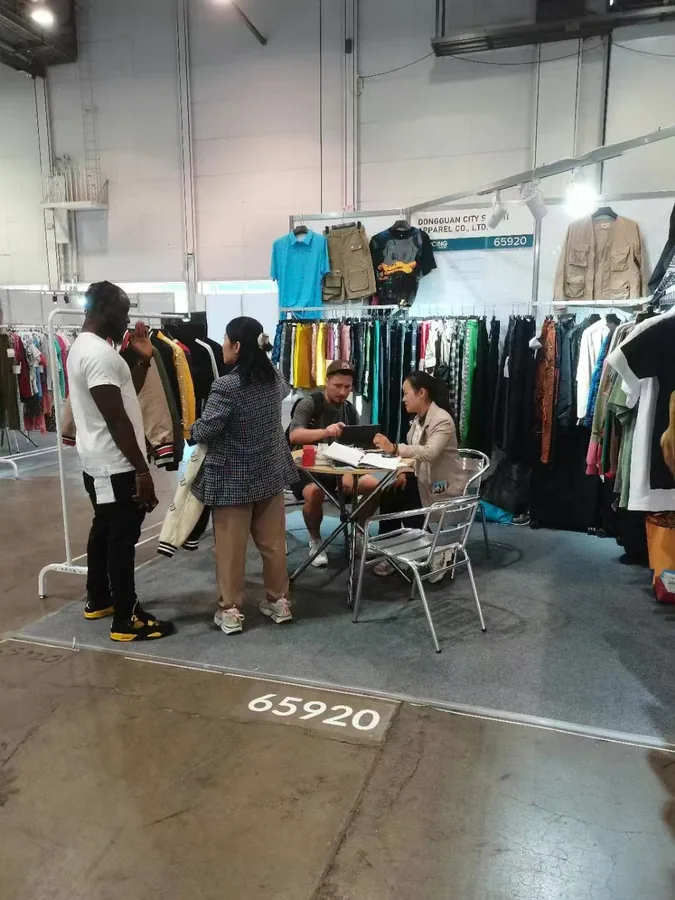
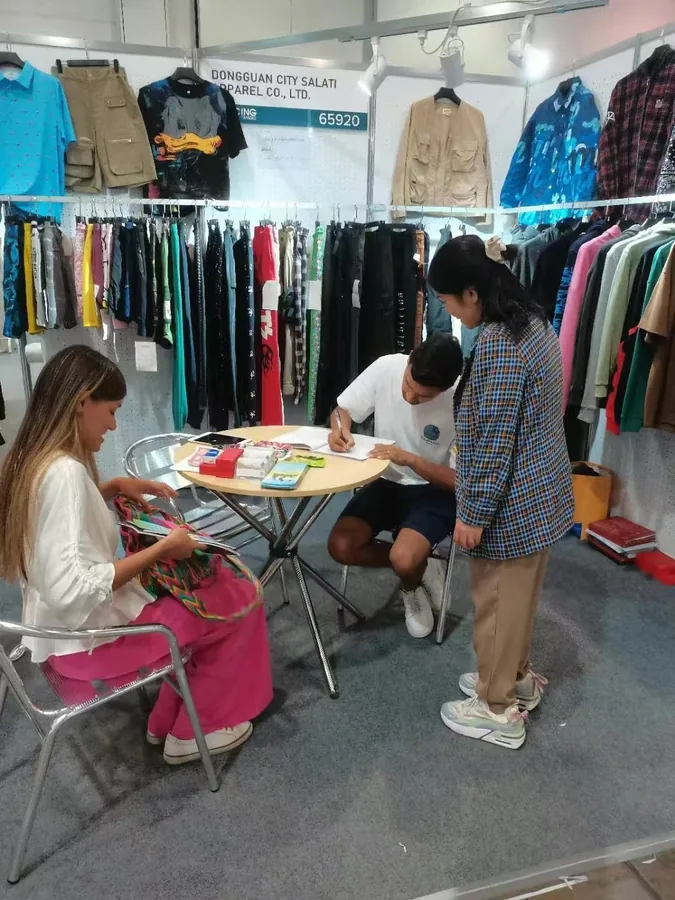

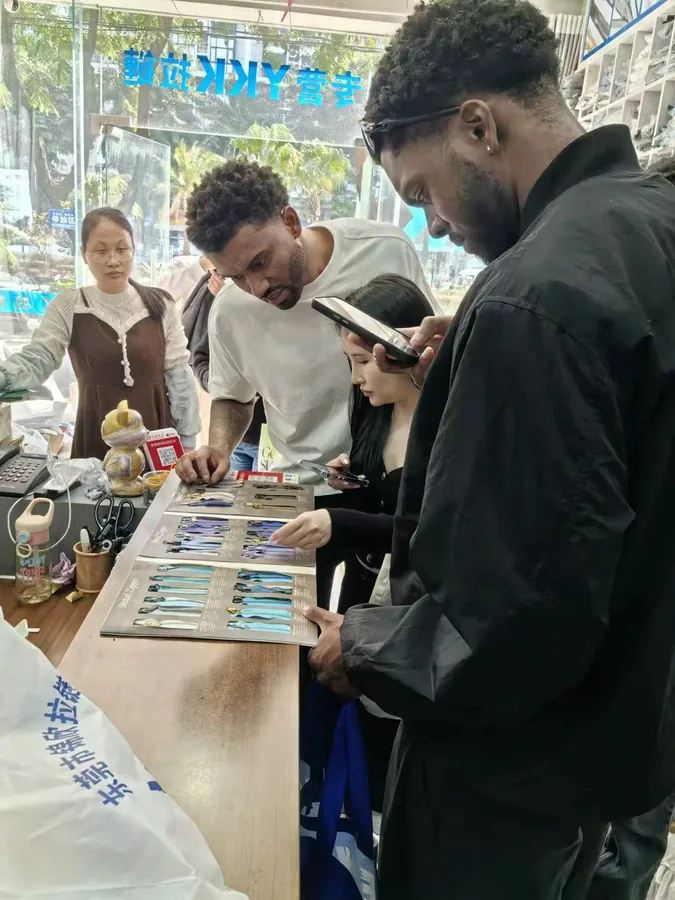
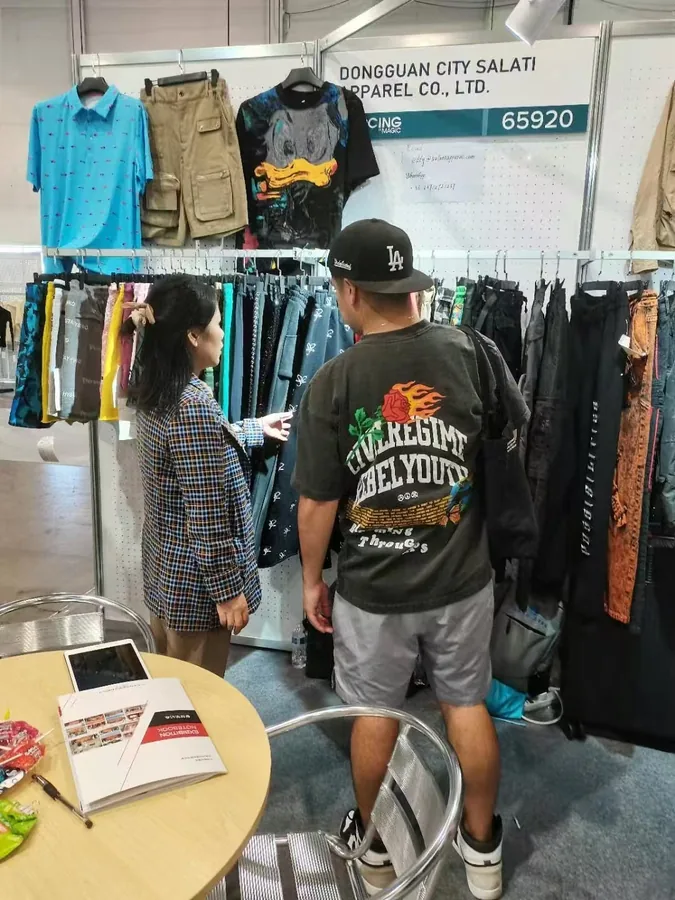
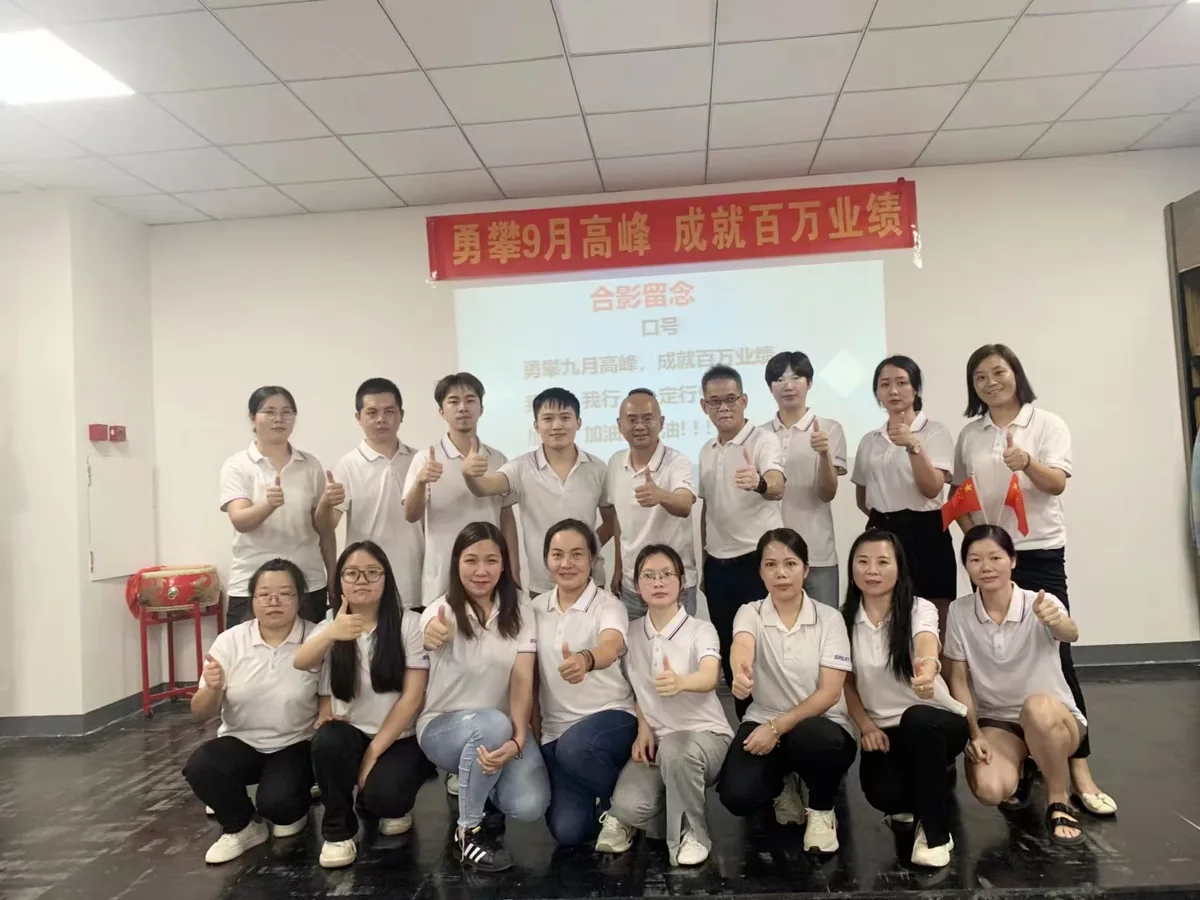
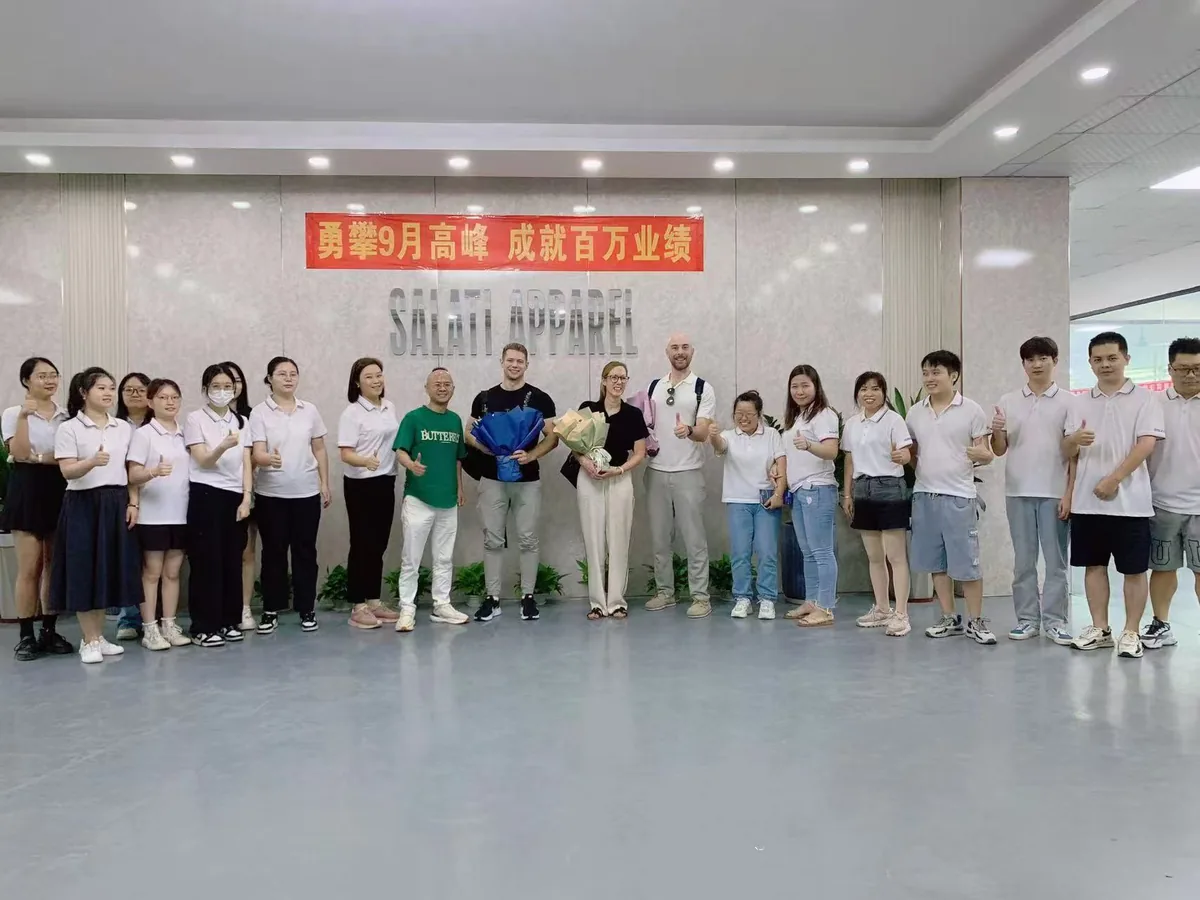
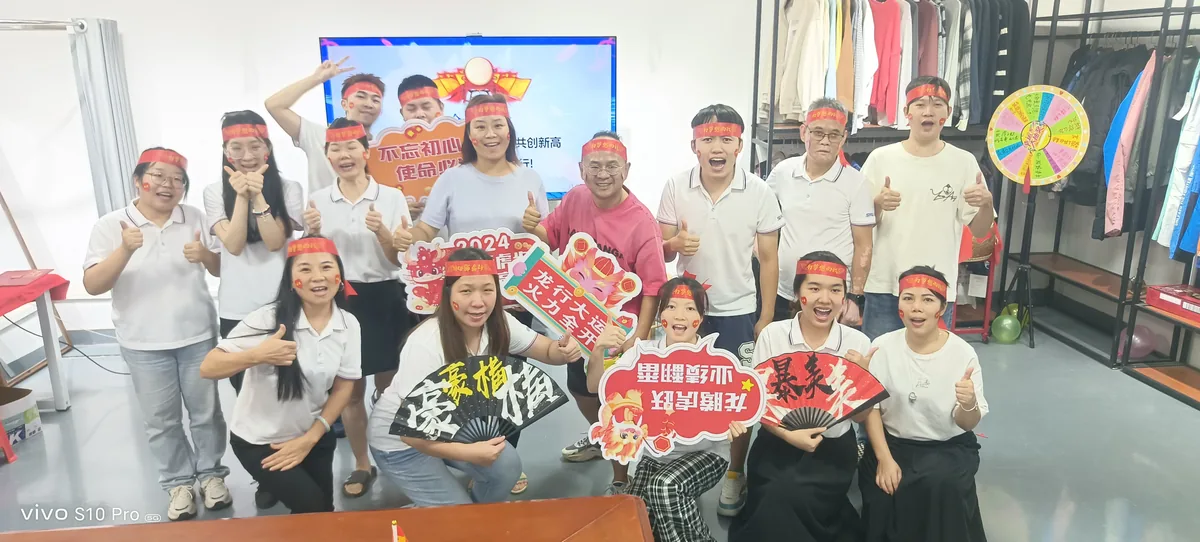
Talk through your collection, compare garment references and bring the details into your development brief.
Our exhibition archive
Before your
first sample.
Send SALATI a tech pack, sketch, reference image or physical sample, together with the garment type, intended quantity by style and color, size range and delivery destination. Add fabric preferences, artwork, label requirements and the date the collection is needed. A complete tech pack is useful, but it is not required for an initial discussion.
Separate fixed requirements from details that need development advice. For example, specify whether an oversized hoodie must keep a particular shoulder shape or whether Salati Apparel can suggest a suitable French terry or fleece. Clear priorities make the sampling quotation more useful.
Prepare a custom clothing manufacturing briefSalati Apparel can discuss fabric composition and weight, color, fit, dimensions, panel construction, lining, trims, zippers, buttons, artwork, washes, labels, hang tags and packaging. Custom streetwear development should consider these choices together because a finish or trim can affect construction and fit.
Mark important details on a technical drawing or reference photograph. Identify artwork sizes and placements, intended fabric handfeel and the desired silhouette. SALATI confirms feasibility and the final specification through the agreed development and sample-review process.
Custom apparel development optionsSALATI confirms the minimum order quantity, or MOQ, for the actual style, fabric, color and technique. A collection total does not establish the quantity available for each design. Share the proposed units by style and color, plus the size breakdown, before comparing quotations.
Material sourcing, custom dyeing, trims and decoration can affect the viable order quantity. Salati Apparel can review the specific project rather than applying one advertised MOQ to every product. Request written confirmation of the quantity and specification covered by the quotation.
Clothing MOQ and quotation planningSample fees depend on the garment, materials, pattern work and techniques required. Ask Salati Apparel to identify the sample scope, included development work, timing and revision arrangements in the quotation. A complex washed or embroidered garment may need a different scope from a basic construction sample.
Confirm how additional changes will be reviewed and charged before requesting them. Any credit of a sample fee against a later production order is agreed for the individual project; it should not be assumed from the initial sample quotation.
Sampling scope and garment revisionsSALATI’s company profile describes pattern-making capability from three days and a seven-day sample-delivery capability. These are project-dependent capabilities, not a guaranteed schedule for every custom garment or bulk order. Fabric sourcing, construction, decoration and review requirements affect the actual timing.
Send Salati Apparel the reference, materials, artwork and requested review date. Confirm when the schedule starts, which sample stage is included and whether the date means completion, dispatch or arrival. A garment requiring custom materials or several revisions needs its own agreed development plan.
Plan a garment-sampling scheduleExport packing and sea, air or international express arrangements can be discussed according to the destination and agreed commercial terms. Send SALATI the destination, order breakdown, delivery priorities and any packaging or shipment-document requirements.
Separate garment production time from transit and arrival planning. Confirm which party handles each shipping stage and what the quotation includes. Salati Apparel should agree the actual packing, shipment scope and dates for the order; the production-completion date does not automatically mean delivery to the buyer on that day.
From garment production to packing and dispatch