Quick answer
Specify fiber composition, fabric construction, GSM, color and finishing separately. Then connect those choices to garment measurements and the intended silhouette. A weight number alone cannot establish handfeel, fit, warmth or the result after washing.
Separate the material decisions
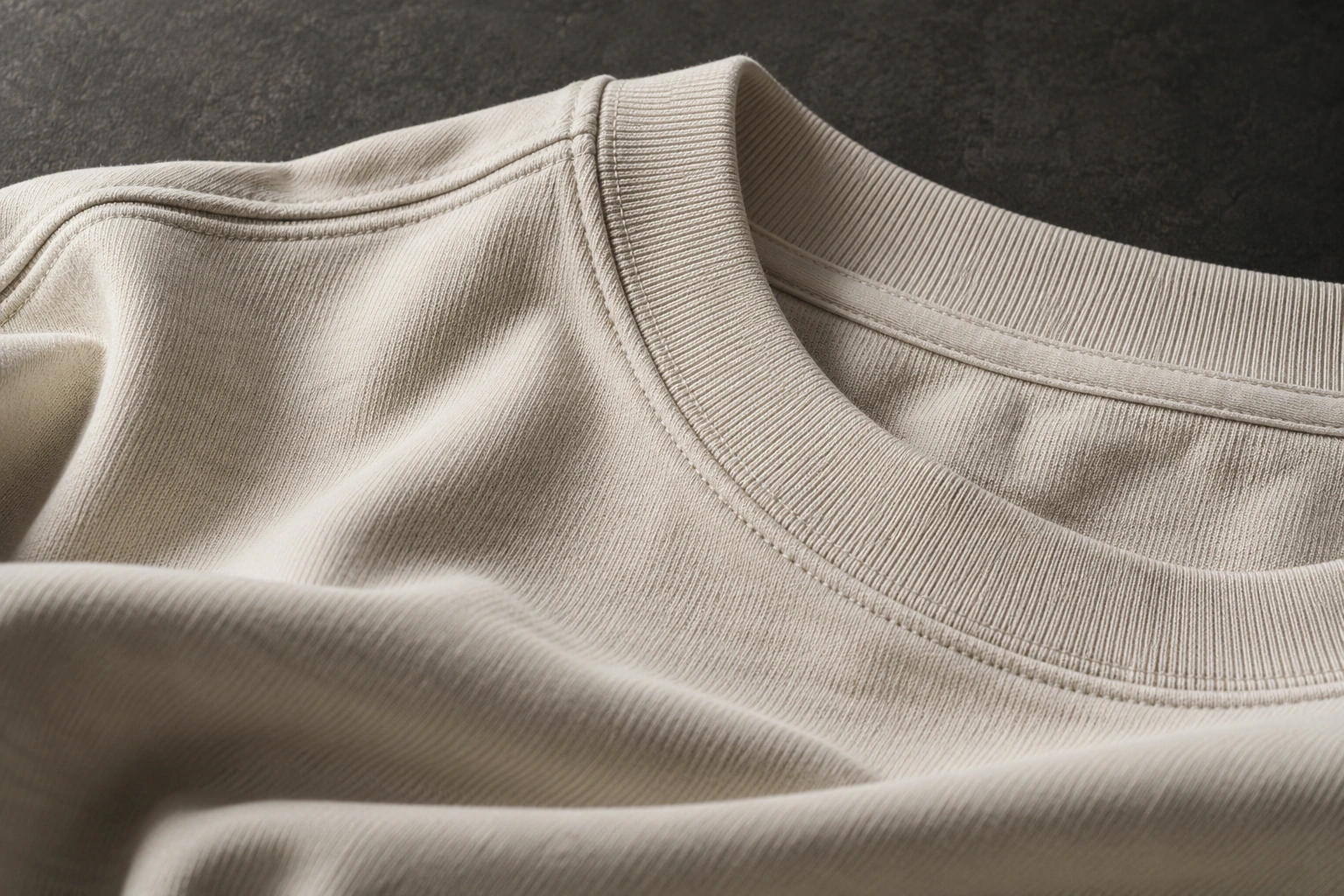
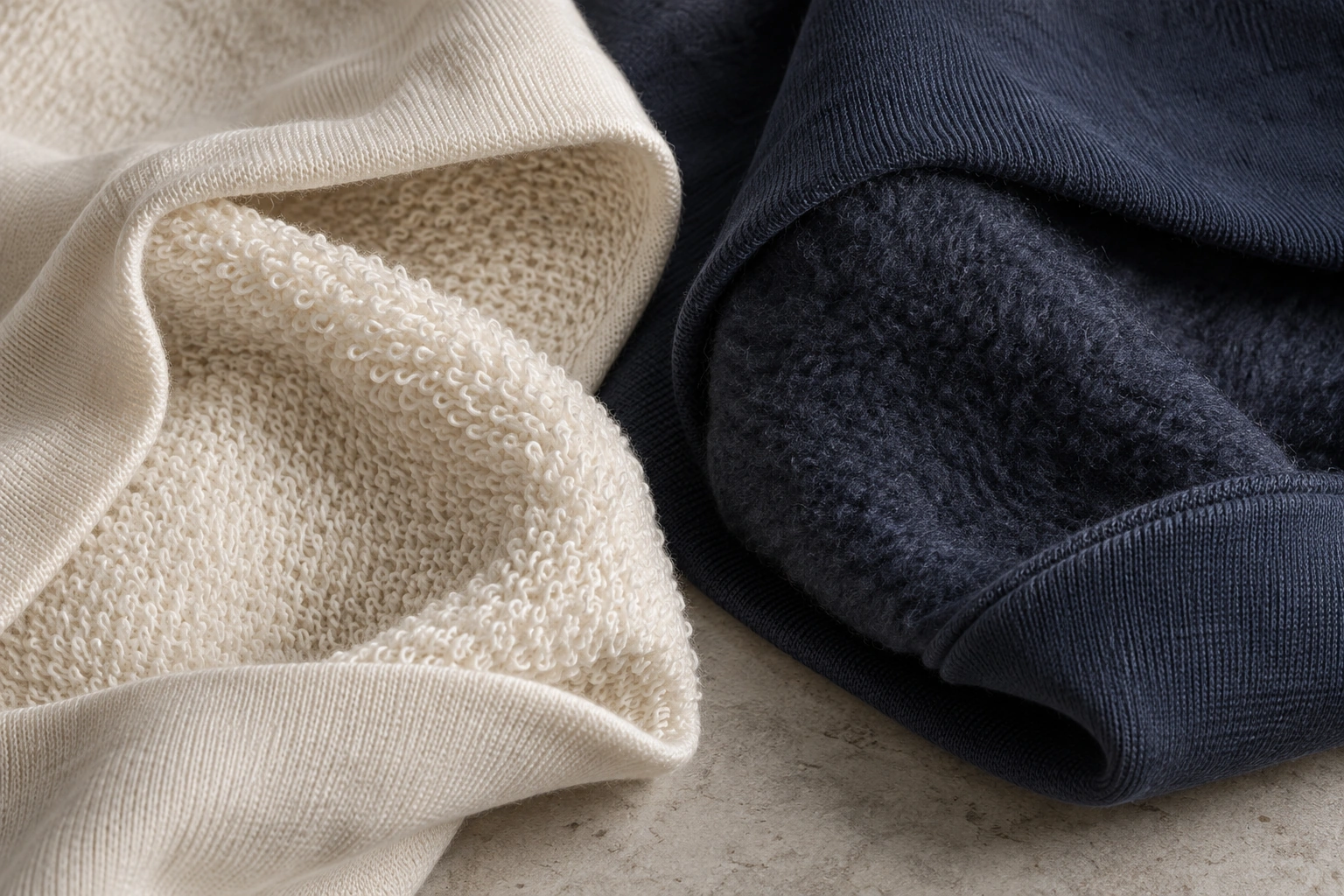
Describe the material through separate fields: fiber composition, fabric construction, weight, color, surface and finishing. Words such as heavyweight, vintage or premium communicate a direction but do not complete a specification. If the weight is unknown, say that it needs to be proposed and reviewed; do not turn a collection name into a numerical requirement.
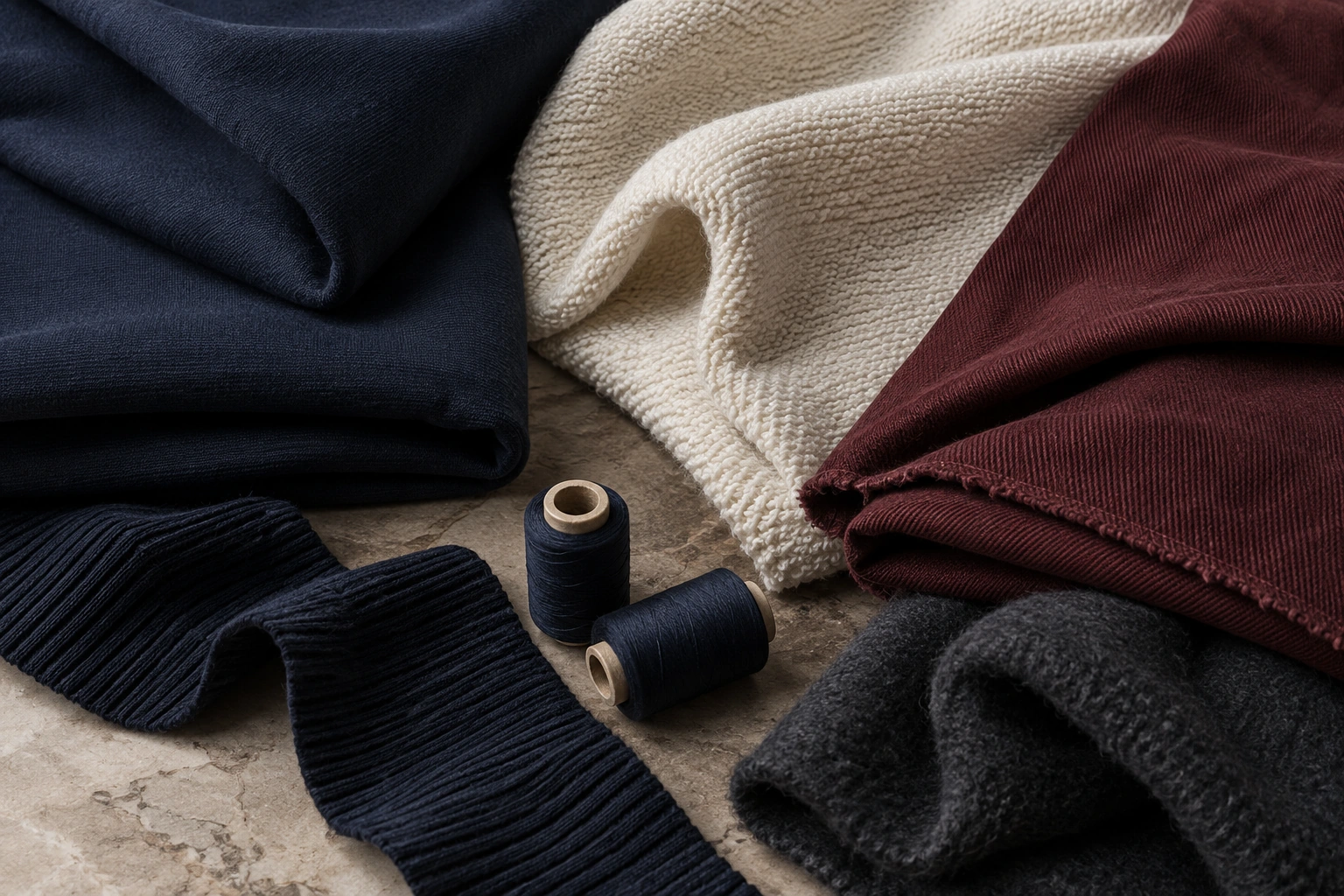
SALATI’s T-shirt development series include cotton and cotton-blend options. Hoodie and set directions include cotton, cotton-polyester, fleece and French terry. Workwear and utility styles list options such as canvas, cotton twill, denim and nylon. These are options for the named development series, not confirmation of the composition of every archive photograph.
Ask for the composition and available specification of each proposed material. Keep a material reference code beside the answer. If a blend is offered, record its actual ratio when confirmed, and carry that same identification into the sample brief.
Give every swatch a purpose
A swatch review begins with the garment you intend to make. Explain the desired surface, softness, structure and movement using a reference and a few precise observations. Rather than asking for something better, describe the difference you want: a smoother face, a different inner feel or more structure in the intended silhouette.
Label each physical swatch and photograph it with that label visible. Record what you like, what you do not like and which point still needs a sample. A photograph helps identify the swatch, but it should not replace a physical review of handfeel. Keep accepted and rejected options separate so an old choice is not selected later.
For a matching top and bottom, ask how the proposed materials, colors and trims will be coordinated. Review the pieces together. If a different material is proposed for one part of the set, make that a deliberate decision in the brief.
Translate the silhouette into measurements
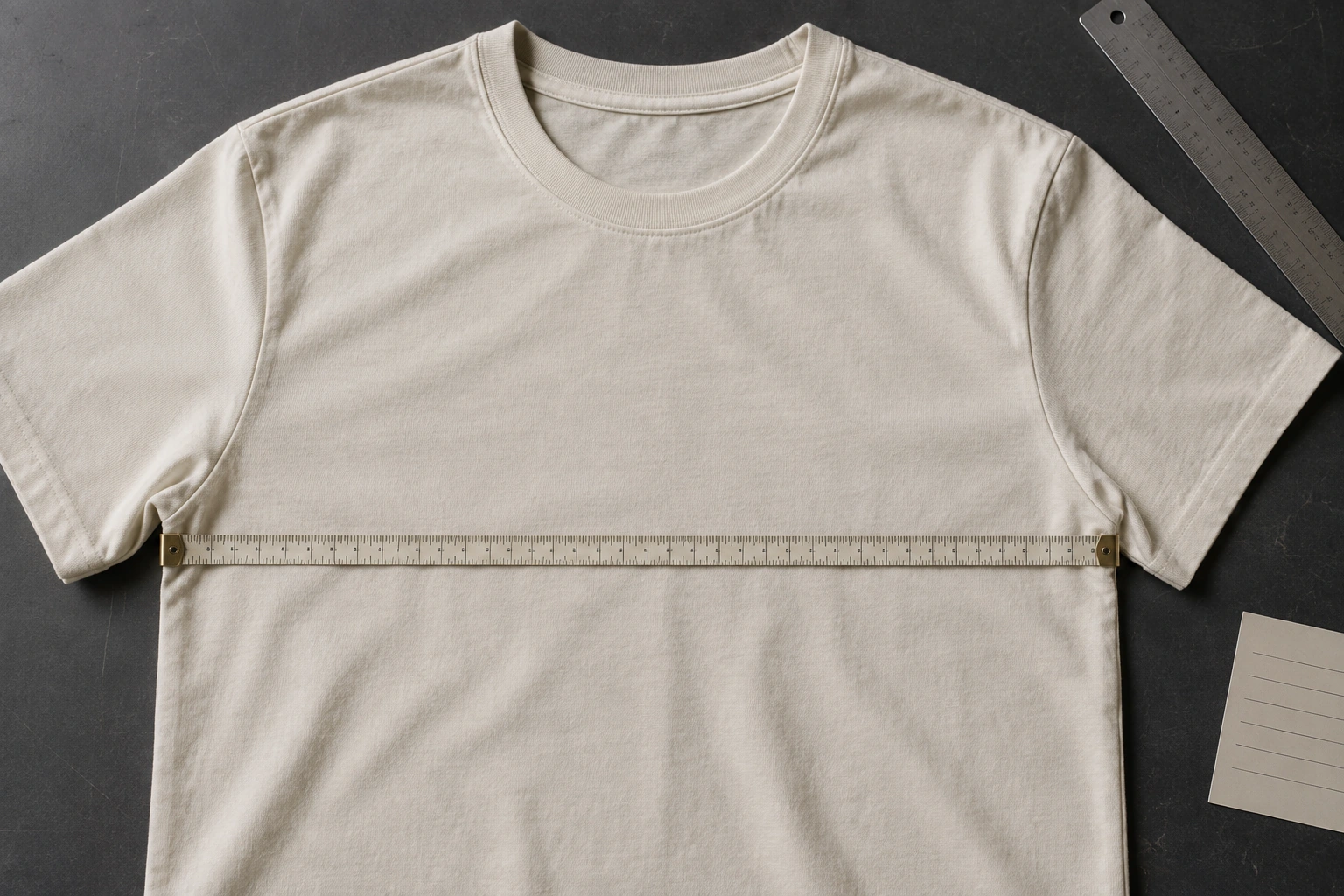
Choose a reference size and explain how the garment should sit on the intended wearer. For a T-shirt or hoodie, useful discussion points include body length, width, shoulder position, sleeve length and opening. For pants, describe the waist, rise, leg shape, length and opening. Identify the measurement points on a drawing instead of relying on a list of numbers alone.
Confirm the measurement unit, measuring method and whether the numbers describe the body or the finished garment. These are different references. If you provide an existing garment, state which measurements should be retained and which should change.
A size label alone does not define fit. SALATI’s collection lists size ranges, but those lists do not contain a finished measurement chart or agreed tolerances. Develop the base size first, then ask how the approved proportions will be carried into the other sizes needed for your order.
Review material and decoration as one combination
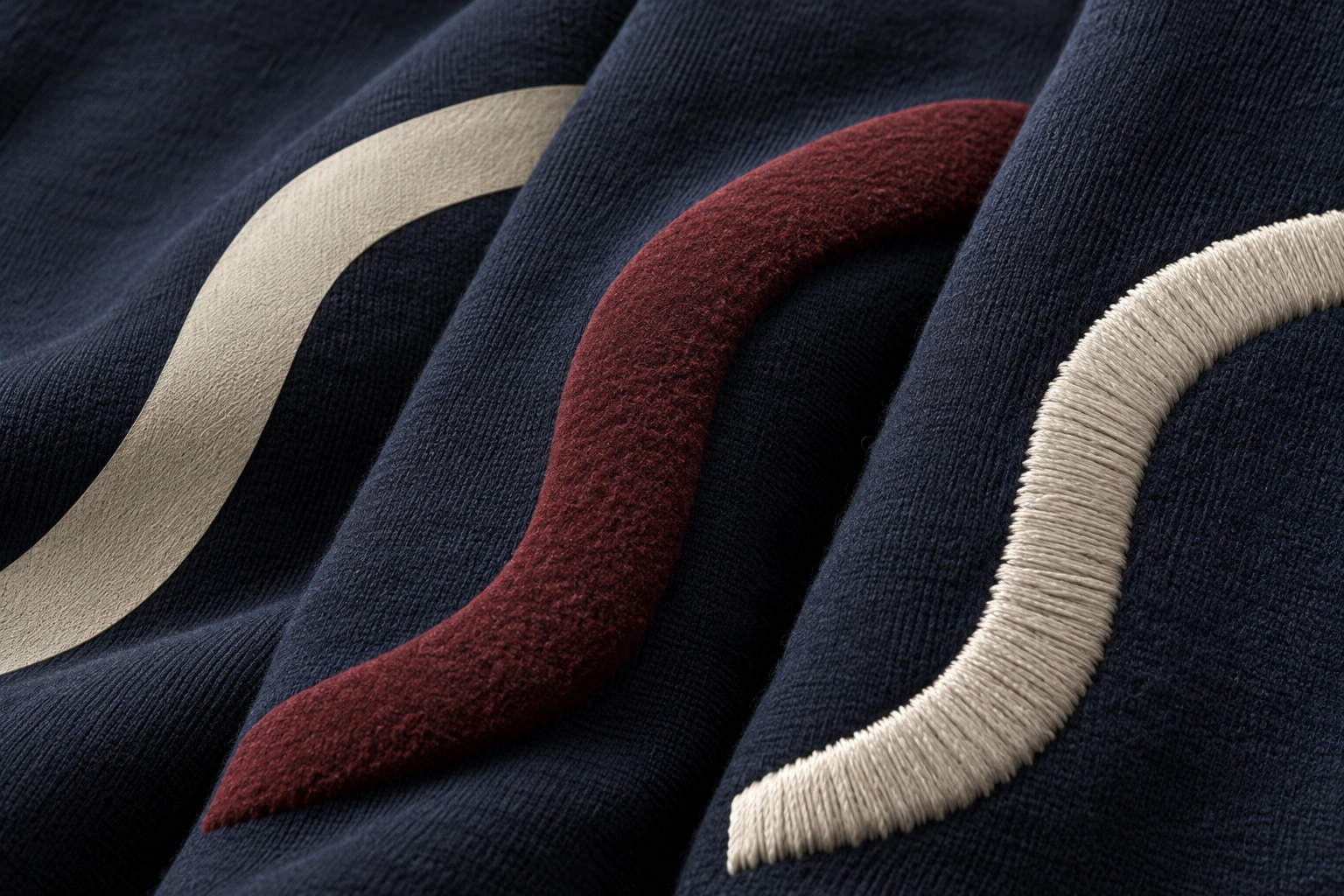
Show the proposed material beside the artwork and finish direction. A graphic, wash or embroidery decision should be reviewed on the intended garment combination, especially when the finished appearance is central to the design. Ask which part needs a separate trial and what should be included in the physical garment sample.
For a washed hoodie or denim piece, label the areas where you want fading, contrast, abrasion or distressing. Use annotated close-ups and an overall view so the local detail remains connected to the complete garment. Ask how the reference appearance will be recorded and what variation needs to be agreed for production.
For trims, examine their relationship to the main fabric. Compare rib, drawcord, lining, zipper tape and visible labels where they apply. Record the approved combination together. Do not assume approval of one material also approves every color, trim or decorative treatment proposed for it.
Make the sample the working reference
When the sample arrives, review it against the material identification, fit drawing and reference measurements. Note the sample code, size and revision before checking the garment. Photograph the overall silhouette and any detail that needs discussion. Describe a fit issue by its location and intended change rather than sending an unlabelled picture.
Try the garment in the conditions relevant to its use: standing, sitting, reaching or layering with the planned companion piece. These observations help explain the wearing experience, but they do not replace an agreed measurement check. If several people review the fit, record which wearer and sample size produced each comment.
Agree any wash or performance evaluation with SALATI before treating it as an acceptance test. Record the method and the result separately from personal preference. Once a material and fit are accepted, preserve the identified reference and update the written specification to match the approved garment.
From the brief to the workroom
Material and fit checklist
Keep these decisions together in the style record. A clear reference is more useful than a folder of unnamed swatch photographs.
- Material options have identifiable names or reference codes.
- Composition, weight and finishing are confirmed or marked open.
- Physical swatches are labelled and review notes are attached.
- The reference size, units and measurement points are defined.
- Body measurements and finished garment measurements are distinguished.
- Artwork, trims and wash direction are reviewed with the fabric.
- The accepted sample and written specification share one revision.
Example: separate a fit change from a care-review finding
A sample review can produce two different reasons to change a measurement: the original silhouette needs revision, or the garment changed during the agreed care review. Keep those reasons in separate records. Otherwise, a design adjustment can conceal an unresolved material question, or a care-related observation can be mistaken for a request to redesign the fit.
The template below is an example of record structure, not a test result or a recommended tolerance. Enter the same measurement point, unit and method across the relevant checks. Identify the specimen and care conditions with the observations. Where a measurement was not recorded, mark it missing instead of reconstructing it from memory.
Decide the next action only after the records can be compared. You might ask for a new target measurement, another material proposal or a repeat review under agreed conditions. State which question the next sample must answer. Preserve the earlier sample identity so the reason for the revision remains visible when the final specification is issued.
| Record | Information to enter | Decision it supports |
|---|---|---|
| Fit review | Target, actual measurement and wearer observation | Whether the design target should change |
| Care review | Before and after observations under identified conditions | Whether further material or care evaluation is needed |
| Next revision | Changed requirement and remaining question | What the next sample must demonstrate |
Common questions
Does a higher GSM mean better quality?
No. GSM describes mass per unit area. Evaluate composition, construction, finishing and performance in the intended garment rather than treating weight as a quality score.
Should I approve fabric and fit separately?
Review each requirement clearly, but also examine them together in the garment. Material changes can affect silhouette, seams and dimensions.
Bring the details to SALATI.
Share your reference, planned quantity and the decisions you would like help with.
Discuss your projectPreview & download the working checklist
Keep these points with your project notes. The PDF includes the complete guide and checklist.
- Material options have identifiable names or reference codes.
- Composition, weight and finishing are confirmed or marked open.
- Physical swatches are labelled and review notes are attached.
- The reference size, units and measurement points are defined.
- Body measurements and finished garment measurements are distinguished.
- Artwork, trims and wash direction are reviewed with the fabric.
- The accepted sample and written specification share one revision.
This guide explains development decisions. Confirm fabric availability, specifications, minimum quantities, fees and delivery terms for your individual project with SALATI.