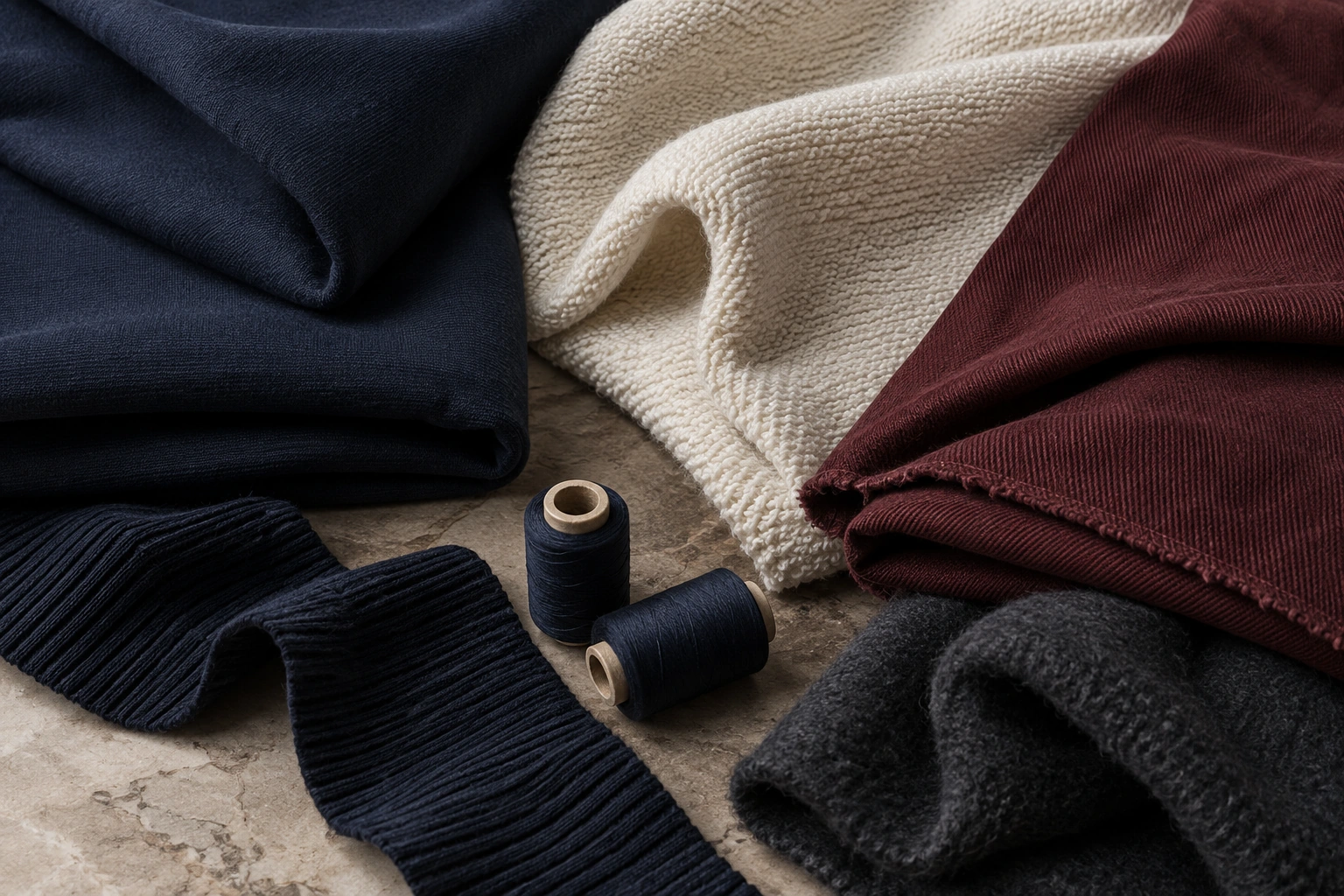
The feel. The shape.
The finished garment.
Start with the material. Consider the proportion. Bring both into the sample.
Material illustrations · Actual color, composition and weight are confirmed with a sample.
Choose the
right starting point.
Composition, weight and finishing are confirmed for the individual sample.
| Material | Garment direction | What to define |
|---|---|---|
| Jersey | T-shirts & everyday layers | Composition, weight, handfeel and neckline |
| French terry | Hoodies, sweats & sets | Loopback feel, weight, color and rib |
| Fleece | Hoodies & sweatshirts | Inner finish, bulk, weight and shape |
| Denim & woven | Utility, outerwear & denim | Structure, movement, construction and wash |
A number is a starting point.
GSM measures fabric weight in grams per square metre. Composition, construction and finishing also change how the garment feels and moves. Compare the material itself, then confirm it in the sample.
A fit that belongs
to your label.
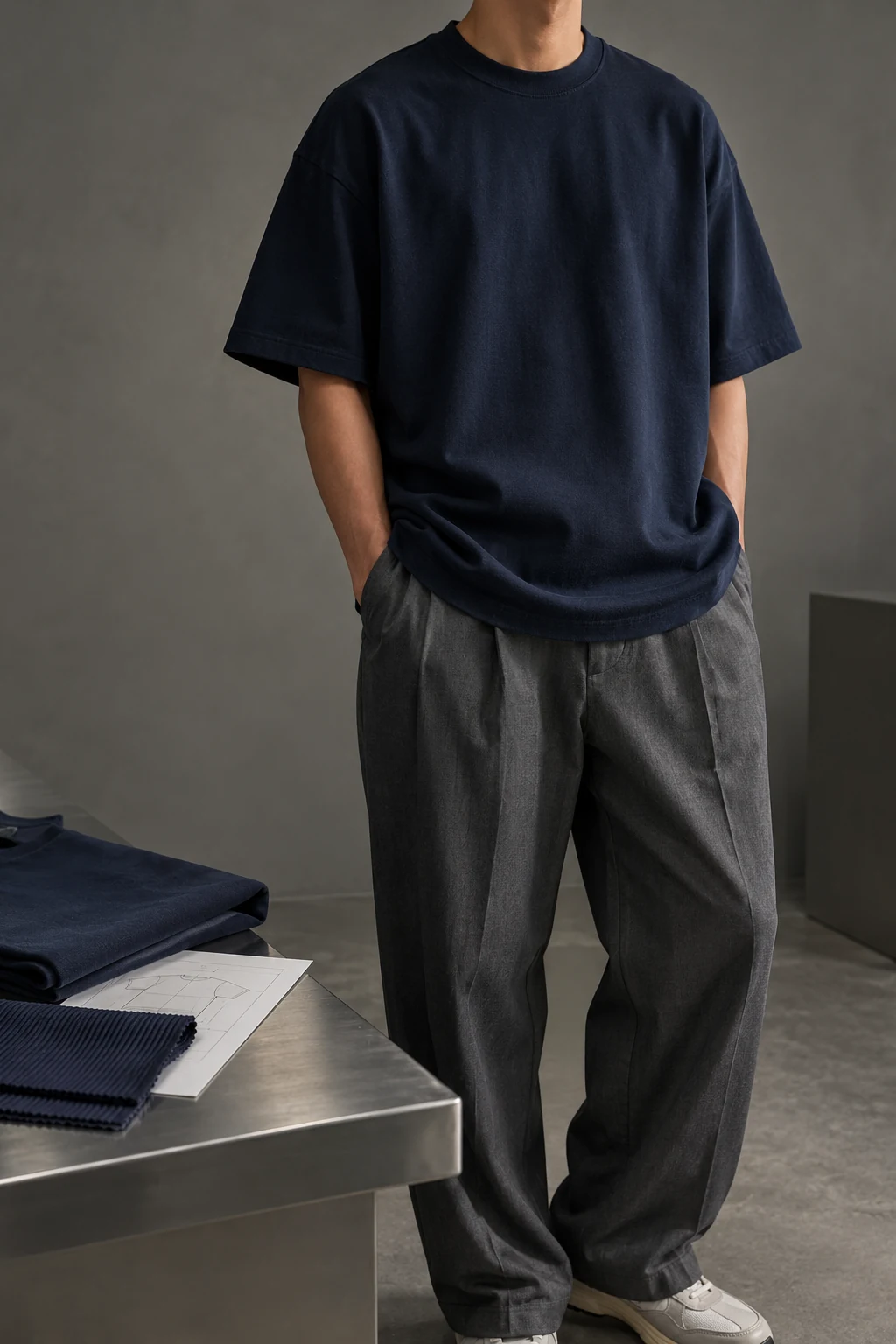
ROOM THROUGH THE BODY.
An oversized tee starts with proportion. Define the body width, sleeve shape and length together, then review them in your sample size.
- BODY WIDTH
- Describe the room you want through the chest.
- LENGTH
- Measure from a defined point on your reference garment.
- SLEEVE
- Confirm length, opening and shoulder position.
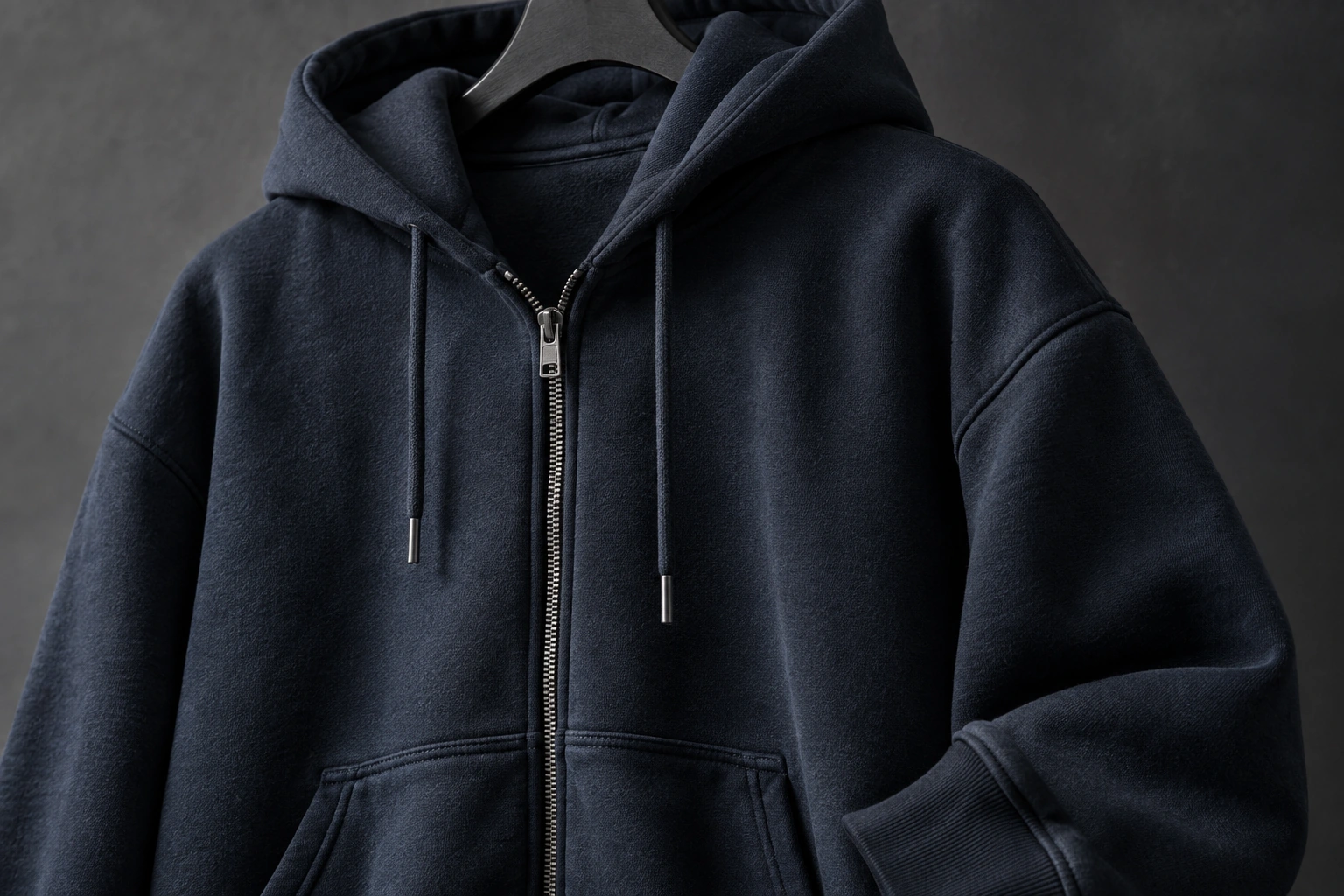
CONSIDER THE WHOLE SHAPE.
The hood, sleeves and ribbing all affect the silhouette. Review those details with the fabric so the sample has the shape and handfeel you intend.
- HOOD
- Define the size, construction and lining.
- BODY & SLEEVE
- Review proportions together in a physical sample.
- RIB
- Specify the cuff and hem shape and attachment.
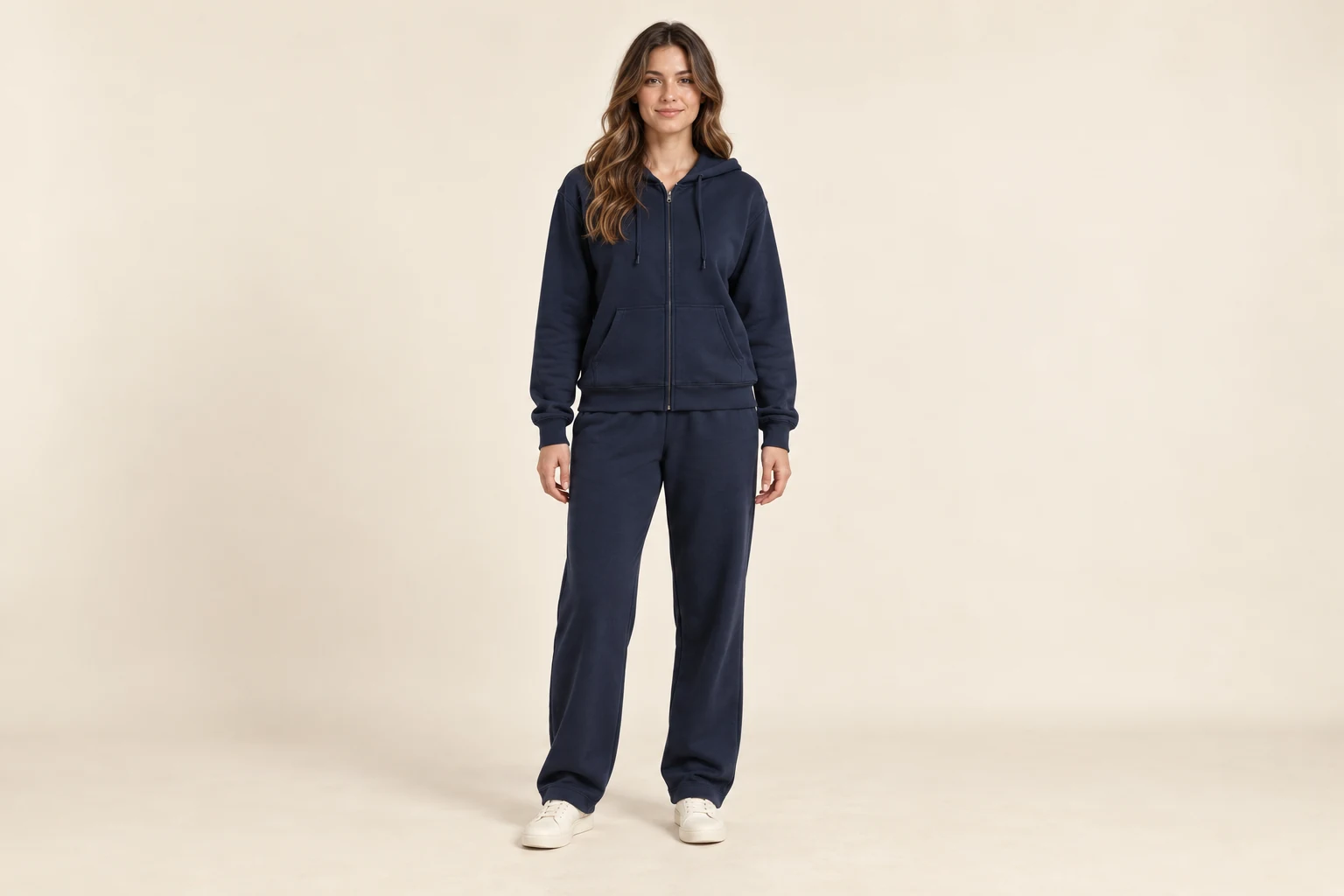
DEVELOP THE PIECES TOGETHER.
A coordinated range depends on the relationship between its pieces. Define the fit, material and color of the top and bottom as one brief.
- PROPORTION
- Review how the top and bottom work together.
- MATERIAL
- Agree the fabric, color and finishing across pieces.
- DETAILS
- Coordinate trims, artwork and labels.
What makes a complete fabric and fit specification?
Record composition, construction, finished fabric weight, color and finishing separately. Then define garment measurements, measurement methods and the intended silhouette. Compare these decisions in a physical sample, including the agreed care review.
Read the full guideGSM describes fabric mass per unit area. It does not describe the weight of an entire hoodie, and it does not by itself establish softness, thickness, quality or warmth. Keep an identified swatch beside the number. Two materials can share a nominal weight while behaving differently in a boxy T-shirt or a layered hood.
Garment measurements and body measurements are different records. State the sample size, intended wearer and how each garment point is measured. A photograph labelled oversized cannot replace chest width, body length, shoulder and sleeve measurements. For a set, examine the top and bottom together so their proportions support the same direction.
Evaluate the finished material rather than only its name. French terry identifies a loopback sweatshirt construction; brushed sweatshirt fleece identifies a raised reverse. Neither term provides a composition ratio. Ask for the proposed material specification and note substitutions in development samples.
| Record | Example of useful information | Why it matters |
|---|---|---|
| Material reference | Supplier reference and physical swatch identifier | Connects the sample to the selected material |
| Construction and composition | Jersey / loopback / brushed reverse; confirmed fiber ratio | Separates fabric structure from fiber content |
| Measurements | Target, actual measurement and agreed method | Distinguishes a fit change from a measurement error |
| Care review | Specimen, conditions and before/after record | Makes later comparisons meaningful |
Before you move forward
- Record the finished fabric weight when confirmed.
- Define the collar, cuffs, hem and other rib separately.
- Mark temporary sample materials and unapproved choices.
- Confirm relevant tolerances for the actual garment; avoid generic assumptions.
Material questions. Clear specifications.
A fabric specification should state fiber composition, target weight in GSM, knit or weave structure, color, handfeel and intended finish. Identify the product and its use: a structured T-shirt, soft hoodie and lightweight woven shirt require different material decisions.
Send Salati Apparel a swatch or garment reference when touch and drape matter. Record which details are targets and which have already been approved. Final material availability, composition, weight and finishing are confirmed for the selected style before the production specification is agreed.
Fabric selection, garment weight and fitGSM means grams per square metre and describes fabric mass per unit area. It is useful when briefing SALATI on fabric weight, but it does not by itself describe softness, opacity, durability or garment fit. Yarn, structure, composition and finishing also affect the result.
Specify a target GSM with the intended product and a reference for handfeel or drape. Salati Apparel can then discuss a material direction that supports the garment. Confirm the approved fabric and sample rather than treating a higher GSM as an automatic quality guarantee.
Plan fabric weight and garment proportionsFrench terry typically has visible loops on the reverse, while brushed fleece has a softer raised interior. For a SALATI hoodie or matching set, the choice should reflect the intended handfeel, warmth, drape and season alongside composition and fabric weight.
Provide a preferred swatch or reference garment and explain how the finished piece should feel. Salati Apparel can review the proposed material during sampling. Two fabrics with the same GSM can still behave differently, so compare the actual sample instead of selecting only by a material name.
Compare fabric directions for custom streetwearSend SALATI a measurement sheet that names each point of measure and explains how it is taken. Include the base size, intended size range, grade increments and any tolerance requirements. A fit reference helps communicate the shape behind the numbers.
For oversized streetwear, distinguish chest width, shoulder drop, sleeve shape and body length rather than relying on a standard size label. Salati Apparel can review the pattern and sample against the agreed measurements. Confirm the final size breakdown separately for the production order.
Pattern making and fit-sample reviewFor a custom hoodie enquiry, SALATI needs the silhouette, target fabric composition and GSM, size chart, hood construction, rib details and decoration requirements. Specify whether the garment is a pullover or zip-up, whether it needs a brushed fleece or loopback interior, and how the hem and sleeves should sit.
Heavyweight fabric alone does not guarantee the intended fit. Salati Apparel reviews the fabric with the pattern, shoulder shape, hood volume and finishing. A physical sample allows the brand to assess handfeel, drape and proportions before agreeing the production reference.
Custom hoodies and sweatshirtsSalati Apparel develops T-shirt references with different proportions, fabric weights and decoration directions. For an oversized or boxy-fit T-shirt, provide chest width, body length, shoulder width, sleeve dimensions, neckline and the desired hem position. Include the intended print or embroidery placement.
Share a reference garment or a clear fit image with the measurement sheet. SALATI can discuss cotton jersey, fabric weight and finishing against that brief. Review the sample on the intended fit rather than using “oversized” as the only size instruction.
Oversized and graphic T-shirt references