A business built by people.
A name built on trust.
The story of founder Eddy Wu, the people behind SALATI and the responsibility that comes with making another brand’s clothes.

Eddy Wu.
Responsibility comes first.
On 15 August 2010, Eddy Wu and his wife borrowed RMB 200,000 from a friend and rented a small apartment with two bedrooms and a living room. That was where they began making samples and building their own clothing business.
For the next three months, they worked on samples, but the customers they had been expecting did not come. Both had come from employed work and had few business connections. Eddy remembers nights spent unable to sleep, wondering whether their effort would lead anywhere.
The first order finally came from an older couple from Singapore who visited the studio and liked the samples. Their decision gave Eddy and his wife more than work to do. It was the first real encouragement that the business could continue.
The clothes stayed dry. They did not.
It rained heavily on the night they delivered that first order. Eddy and his wife wrapped the clothes carefully in waterproof bags. By the time they returned, both were soaked, but the garments had been protected. In his account, Eddy remembers the happiness of that night more than the rain.
The following year, the couple from Singapore praised the products and delivery times and asked to entrust their design and production work to the business. That confidence gave Eddy and his wife a reason to keep concentrating on product development and quality.
In 2011, they opened a garment factory with 15 workers. The business now had a team behind it, and the responsibility of making sure the work could support them.
Explore design & sampling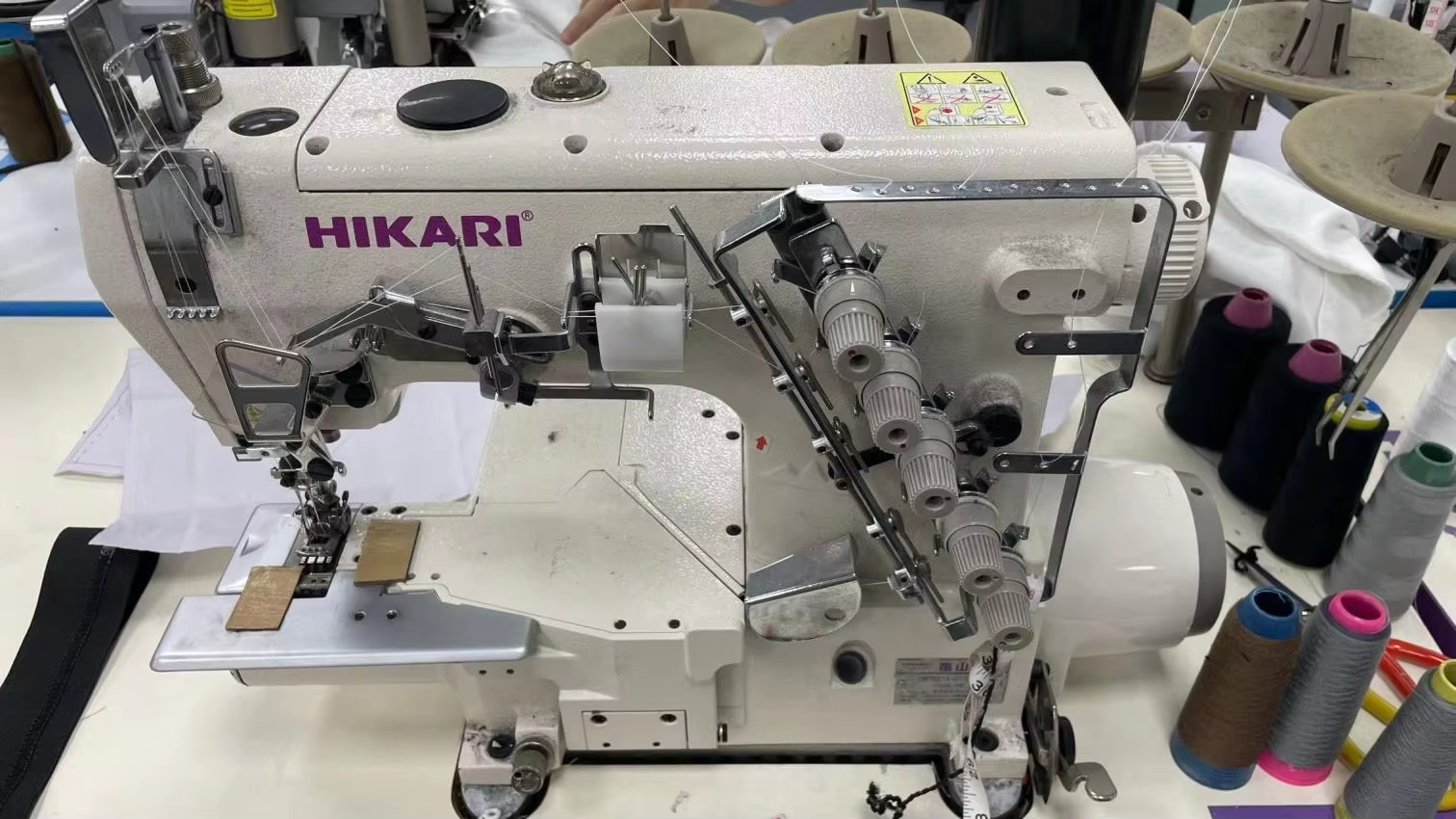
A loss reaches beyond the owner.
In 2012, Eddy met a customer whose courteous manner made a good impression. The team spent three months developing samples without charge. Two orders followed. After collecting the goods, the customer disappeared.
It was the first time the business had been cheated. Eddy came away with a difficult distinction: a friendly relationship could not take the place of clear business rules.
The lesson was about more than protecting his own investment. A mistake could affect the workers earning their living at the factory and the families behind them. Setting boundaries became part of taking responsibility for those people.
Explore garment manufacturing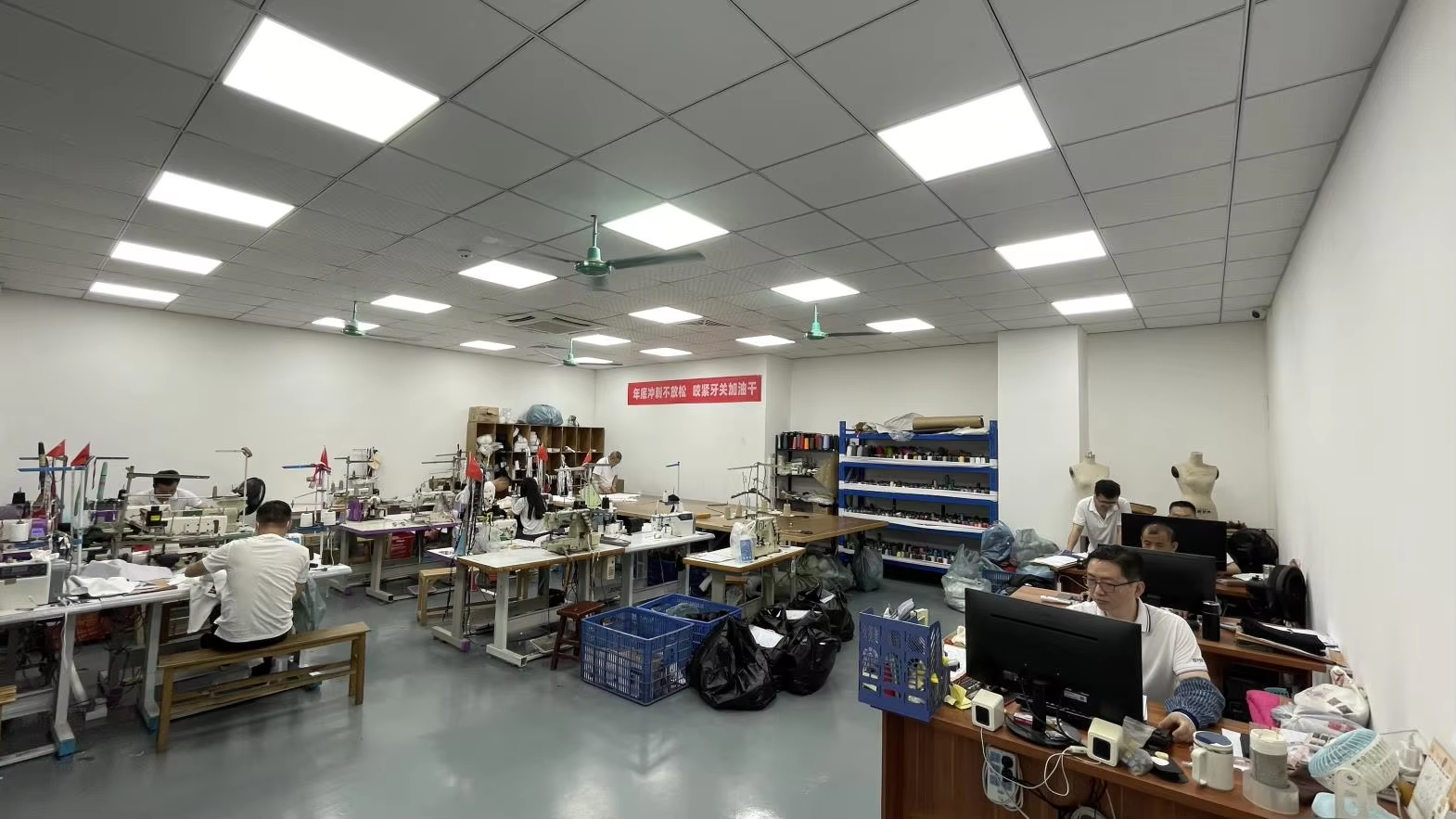
Growth came in stages.
In 2017, SALATI began using Alibaba’s international platform and exhibiting in Las Vegas. In 2019, the business expanded its workshops and opened factories in Jiangxi and Hunan, with a production workforce of 100.
Between 2023 and 2026, the company invested in production automation, including a garment hanging system and an automatic cutting machine. Eddy’s account records a production workforce of 150 during this stage.
Looking back, he puts quality and delivery at the centre of a manufacturing business. Equipment matters, but a factory depends on people doing their work carefully and responsibly. For Eddy, treating employees well is part of keeping the business alive.
Inside SALATI manufacturingQuality and delivery.
Responsibility to people.
The first customers gave Eddy and his wife a reason to continue. The loss in 2012 taught them to set clearer boundaries. As the factory grew, both experiences shaped how Eddy understood his responsibility as an owner.
In his account of the business, he places quality and delivery at the heart of manufacturing. Business decisions also have to protect the livelihoods that depend on the factory. Treating employees well follows from recognising how much their careful, responsible work contributes to its survival.
Those lessons remain relevant as SALATI develops garments, works with customers and invests in production. Growth brings more people into the business, and more reasons to make each commitment carefully.
Make quality the foundation.
The first customers returned because they valued the products. Eddy regards quality as a core part of a manufacturer’s ability to keep its customers.
Take delivery seriously.
Those same customers also valued delivery times. Keeping a production commitment matters alongside making the garment well.
Keep clear business boundaries.
The loss in 2012 taught Eddy to follow business rules even when a relationship feels promising. The consequences of a mistake can reach the employees and their families.
Treat employees well.
A factory continues because people bring care and responsibility to their work. Eddy believes that looking after those people is an essential part of running the business.
Built over time.
Developed through people.
Eddy’s account begins with a rented apartment in 2010, followed by a factory in 2011. Customer relationships, difficult lessons and investment in production shaped the years that followed.
- 2010The beginning
A borrowed start in a rented apartment.
On 15 August, Eddy Wu and his wife borrowed RMB 200,000 from a friend and rented a two-bedroom apartment with a living room. They began developing samples while looking for their first customers.
- 15 August 2010
- RMB 200,000 borrowed from a friend
- 2011The first factory
A production team of 15.
The couple opened a garment factory with 15 workers, following the early studio period and the confidence of their first customers.
- Garment factory opened
- 15 production workers
- 2012A difficult lesson
Learning to protect the business and its people.
After three months of sample development, a customer placed two orders, collected the goods and disappeared. The experience taught Eddy why clear business rules matter to the workers and families who depend on the factory.
- A lasting lesson in business boundaries
- 2017Meeting international buyers
Alibaba and exhibitions in Las Vegas.
SALATI began working through Alibaba’s international platform and participating in exhibitions in Las Vegas.
- Alibaba international platform
- Las Vegas exhibitions
- 2019Expanding production
Factories in Jiangxi and Hunan.
The business expanded its production workshops and opened factories in Jiangxi and Hunan. Eddy’s account records 100 production employees at this stage.
- 100 production employees
- Reported monthly capacity at this stage: 60,000 knitted and 20,000 woven garments
- 2020The local industry
Joining the Humen garment community.
Eddy joined the Humen Garment Association as a council member.
- Council membership in the Humen Garment Association
- 2023–2026Investment in production
Adding automation as the team grows.
The company invested in production automation, including a garment hanging system and an automatic cutting machine. Eddy’s account records a production workforce of 150 during this period.
- Production automation and cutting equipment
- 150 production employees
- Reported monthly capacity at this stage: 150,000 knitted and 50,000 woven garments
Our history continues in the collections we develop and the relationships we build.
Meet the people in our archiveYour next collection.
A conversation with SALATI.
Send a sketch, a tech pack or a reference garment. Add your approximate quantity and the details that matter most. If something is still undecided, the SALATI team can help identify the next step.
A few useful answers.
Dongguan City Salati Apparel Co., Ltd., also presented as SALATI and Salati Apparel, develops and manufactures clothing for brands and wholesalers. The product focus includes custom streetwear: hoodies, T-shirts, matching sets, jackets, shirts, pants, denim, shorts and knitwear. Services connect design development, pattern making, sampling and garment production.
A manufacturing enquiry can begin with a tech pack, reference photograph or physical garment. Identify the product category, intended quantity and changes required so SALATI can assess the appropriate materials, construction and production scope.
About Salati Apparel and its company milestonesSalati Apparel is based in Humen, Dongguan, Guangdong, China, with production bases in Humen and Jiangxi. The company brings garment design, sample development and production coordination together for clothing brands and wholesale buyers.
For a factory or showroom visit, contact SALATI with preferred dates, product interests and the purpose of the meeting. Confirm the address and appointment before travelling, especially when the visit needs to include specific samples or production processes.
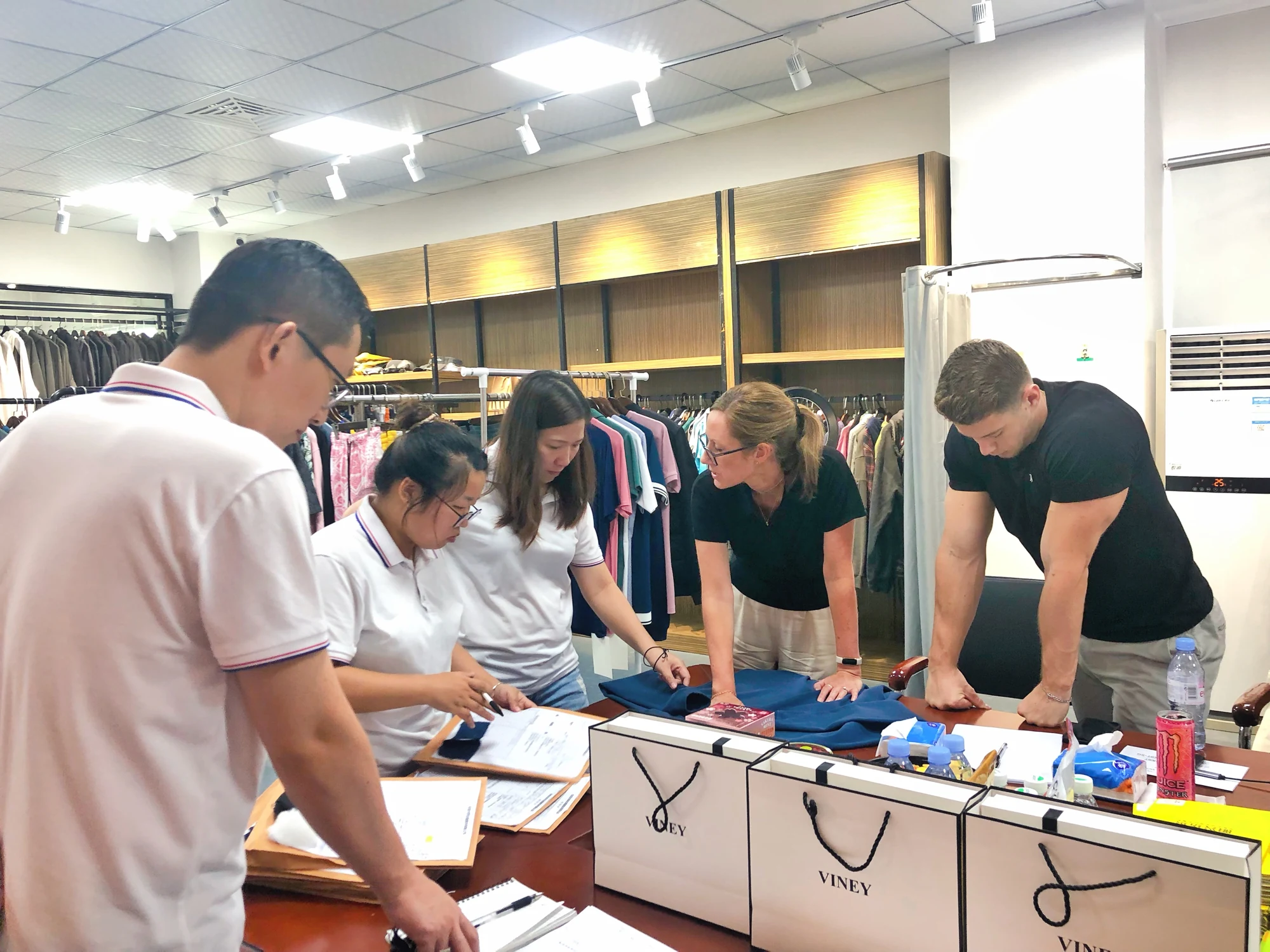
SALATI garment manufacturing and production workflowSALATI has an independent design and sample-development department. The design team includes designers, pattern makers and sample machinists with more than 15 years of experience, alongside seasonal development of more than 300 new styles.
For an ODM clothing project, share the target customer, product categories, reference styles and the details that distinguish the brand. Salati Apparel can then discuss a development direction. A seasonal collection reference is a starting point; the final fit, artwork, materials and branding still require a project brief and sample approval.
OEM and ODM clothing development at SALATIBuyers can contact Salati Apparel to arrange a showroom conversation or enquire about exhibition plans. A visit provides time to handle garments, compare fabrics and discuss construction or decoration with physical references on the table.
Bring collection images, product links, a preliminary quantity breakdown and any questions about sampling. SALATI’s exhibition archive shows booth displays, customer meetings and company visits; contact the team for confirmed upcoming dates rather than treating archive photographs as a current event schedule.
SALATI exhibitions, customer visits and partnershipsFor an OEM clothing project, a brand usually supplies the design direction and specifications for SALATI to develop into a sample and production reference. An ODM project starts with more development support, such as adapting a garment reference or exploring material, fit and detail options with Salati Apparel.
The service name alone does not define the work included. Agree responsibility for patterns, artwork, sourcing, sample revisions and final approvals in the quotation. Both routes need a clear garment specification before bulk production.
Compare SALATI OEM and ODM development routes