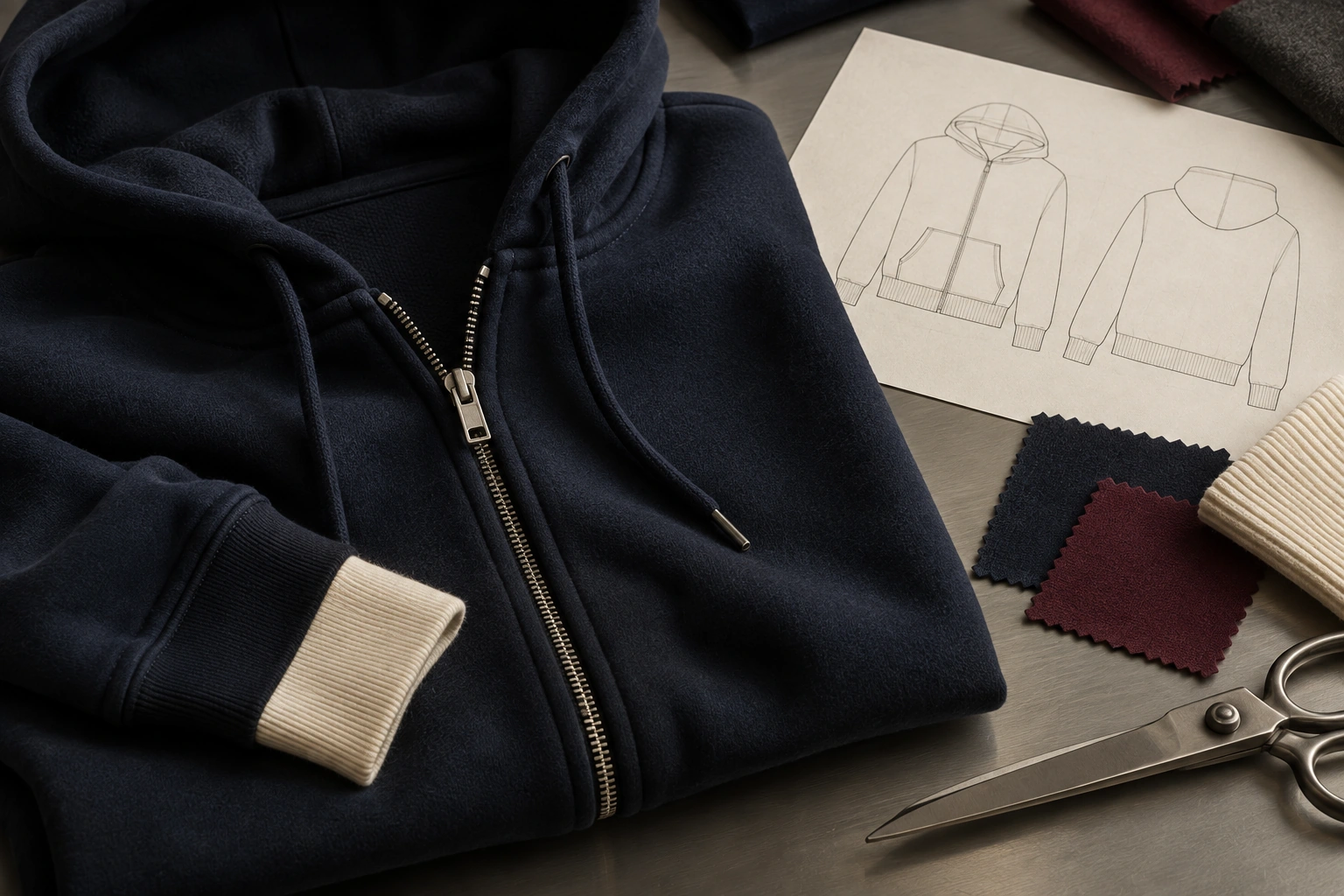
The idea becomes real in the sample.
Plan garment design, pattern making and clothing samples with SALATI. Prepare a tech pack, review fit and artwork, and confirm the production specification.
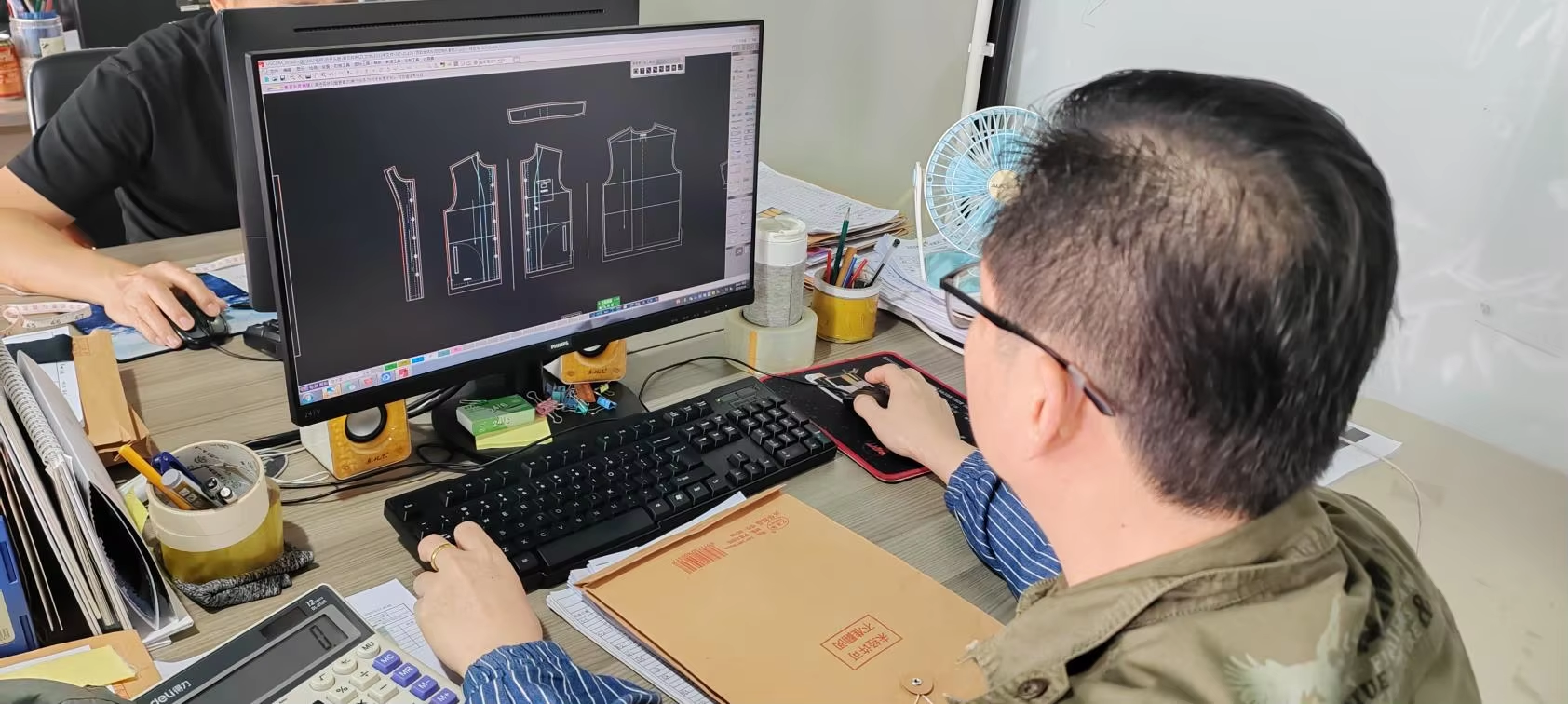
Give the first sample a clear brief.
Include front and back views, a measurement sheet, fabric direction, artwork and label positions. These references guide SALATI’s digital pattern development. Mark any detail that is essential to the identity of the garment.
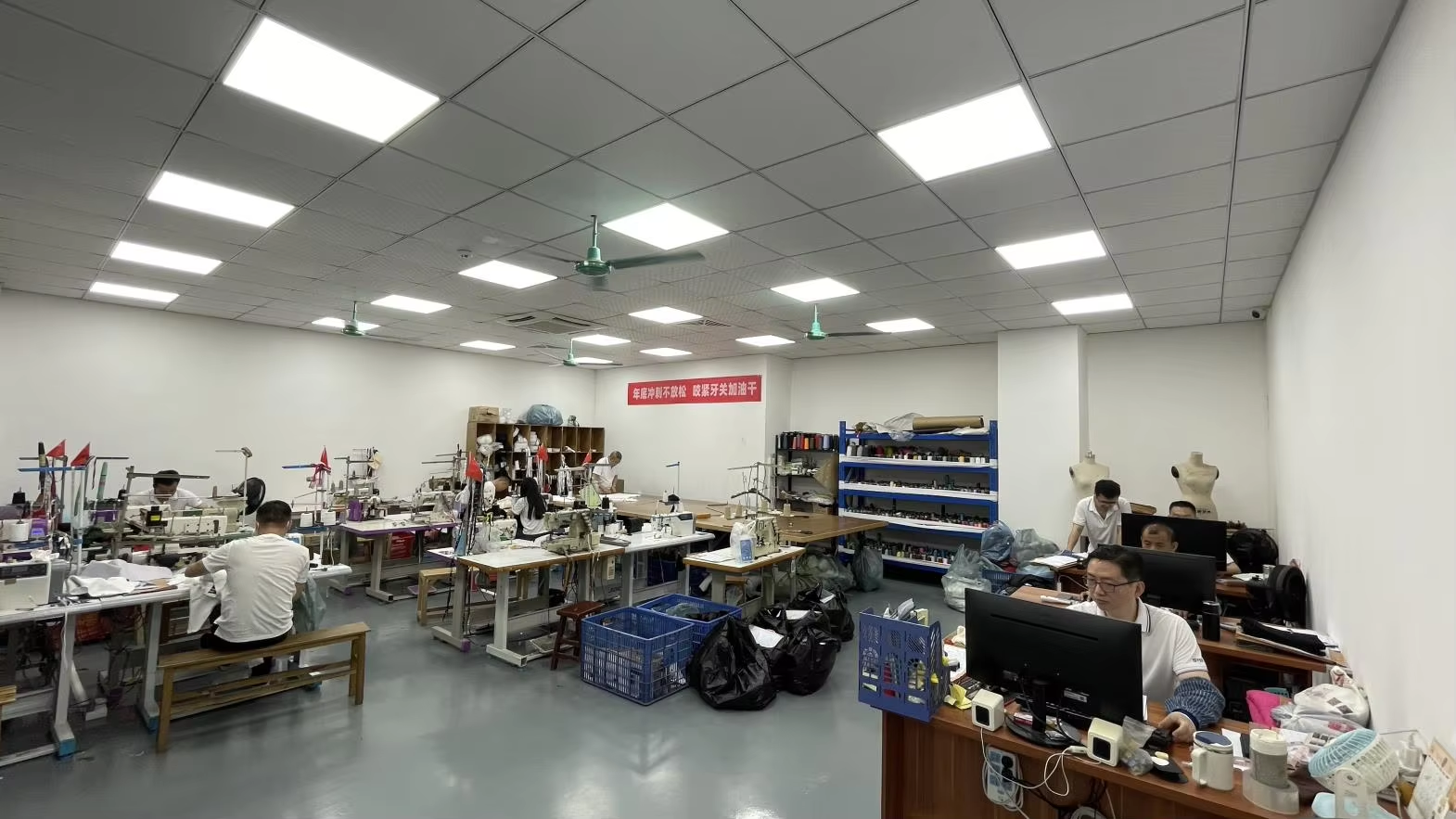
Review the garment as a whole.
The SALATI sample room brings the pattern, material and construction together in a physical garment. Check the way the material supports the shape, how the garment sits when worn, and how decoration interacts with seams and pockets. A clear sample review is more useful than disconnected comments.
- Measure against the agreed sheet
- Review silhouette and movement
- Compare fabric handle and color
- Inspect artwork, labels and finish
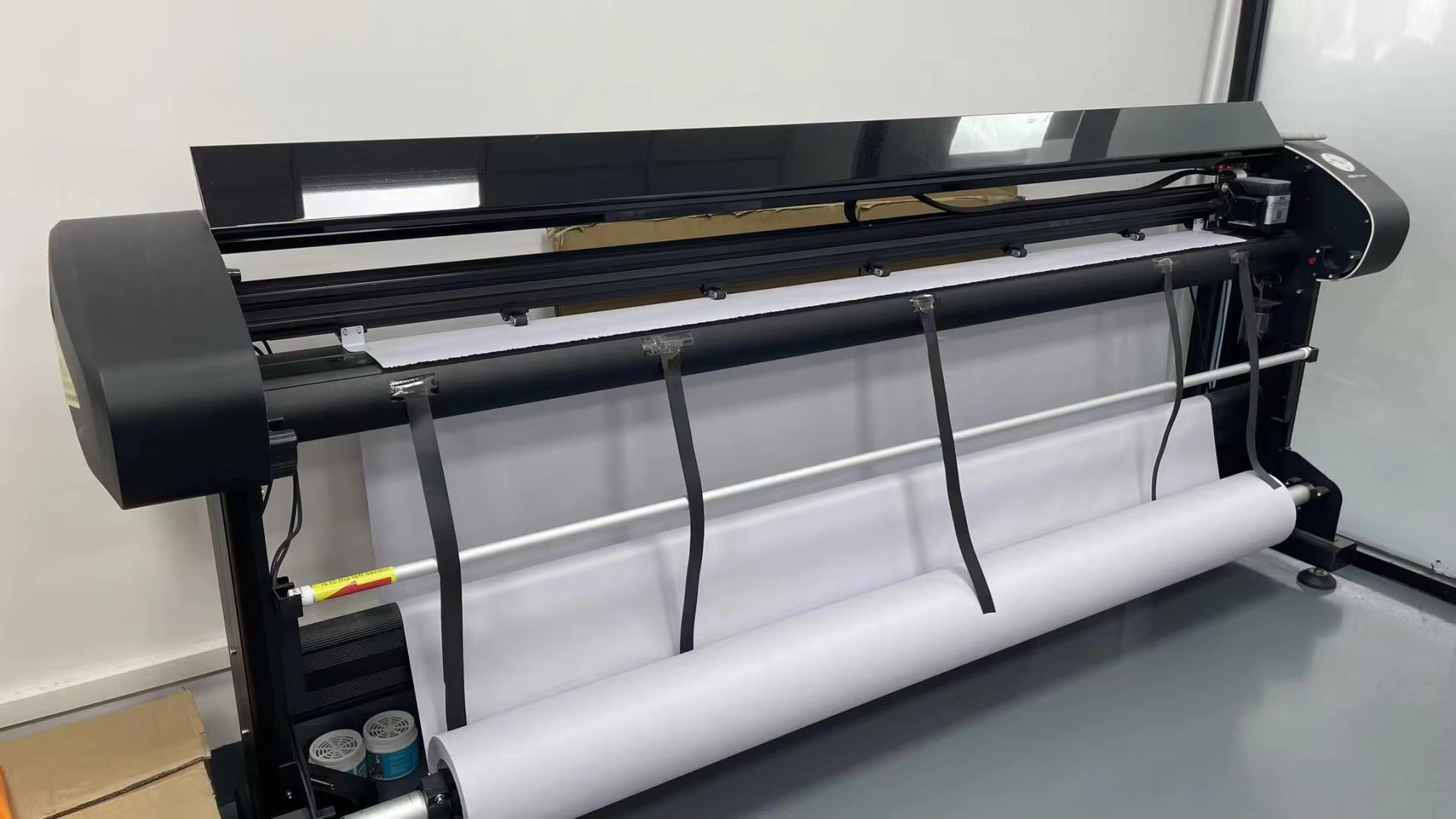
Consolidate the changes.
Keep each revision in one document with an identifiable date or version. Annotated photographs and specific measurements communicate changes more clearly than phrases such as “a little wider”. Update the digital pattern and plotted paper reference together so the next sample follows the same specification.
Approve the reference for production.
Once the sample is agreed, confirm the specification version, size breakdown, materials, artwork and packing requirements. Record any approved changes so the order has one shared reference.
What should each sample approval establish?
A sample should answer a defined set of development questions. Identify its purpose and substitutions, compare it against the correct specification and return one decision record that distinguishes approved details, revisions and unresolved requirements.
Read the full guideThe first sample is a way to make the brief tangible. Review fabric, fit, construction and decoration, but do not approve a feature that the sample does not represent. A temporary zipper or substituted fabric should remain open even if the silhouette is accepted. Ask what material will be used for the next review.
Use annotated photographs and a measurement record. State the target, observation and next action. If the garment matches the drawing but the design needs more sleeve volume, revise the drawing and measurement sheet; do not leave a contradictory instruction beside the old specification.
Before approving production, name the sample and file versions that define the order. Confirm how the remaining sizes will be reviewed, which materials and trims are final and whether the packaging has been checked. Discuss the fees and timing for additional revisions when the development scope changes.
| Review point | Decision to make | Record to retain |
|---|---|---|
| Development sample | Does the proposed garment express the brief? | Sample identifier, substitutions and consolidated comments |
| Revised sample | Have the requested changes been resolved? | Measurement record and closed/open revision list |
| Production reference | Are garment and order requirements agreed? | Identified approved sample, final specification and written release |
Before you move forward
- Photograph the front, back, side and important details.
- Review movement as well as the garment at rest.
- Separate a correction from a new design request.
- State revise and resubmit or approve for a specific next step.
A few questions.
A clearer brief.
Send SALATI a tech pack, sketch, reference image or physical sample, together with the garment type, intended quantity by style and color, size range and delivery destination. Add fabric preferences, artwork, label requirements and the date the collection is needed. A complete tech pack is useful, but it is not required for an initial discussion.
Separate fixed requirements from details that need development advice. For example, specify whether an oversized hoodie must keep a particular shoulder shape or whether Salati Apparel can suggest a suitable French terry or fleece. Clear priorities make the sampling quotation more useful.
Prepare a custom clothing manufacturing briefSALATI sample development moves from the brief and material discussion to a quotation, pattern making, sample construction and review. The buyer should evaluate measurements, fit, handfeel, artwork, finishing and labels against the intended product.
Send one consolidated set of comments with annotated photographs and measurement changes. Salati Apparel can review the revisions and establish the next sample version. Bulk planning should refer to the approved garment and written specification, including the final materials, artwork and order breakdown.
SALATI pattern making and sample approvalSALATI’s company profile describes pattern-making capability from three days and a seven-day sample-delivery capability. These are project-dependent capabilities, not a guaranteed schedule for every custom garment or bulk order. Fabric sourcing, construction, decoration and review requirements affect the actual timing.
Send Salati Apparel the reference, materials, artwork and requested review date. Confirm when the schedule starts, which sample stage is included and whether the date means completion, dispatch or arrival. A garment requiring custom materials or several revisions needs its own agreed development plan.
Plan a garment-sampling scheduleSample fees depend on the garment, materials, pattern work and techniques required. Ask Salati Apparel to identify the sample scope, included development work, timing and revision arrangements in the quotation. A complex washed or embroidered garment may need a different scope from a basic construction sample.
Confirm how additional changes will be reviewed and charged before requesting them. Any credit of a sample fee against a later production order is agreed for the individual project; it should not be assumed from the initial sample quotation.
Sampling scope and garment revisionsSend Salati Apparel a consolidated revision list that refers to the sample version, measurement point or artwork location. Include annotated photographs and the proposed measurement or detail, rather than a general instruction such as “make it better” or “more oversized.”
Separate corrections against the existing brief from new design changes. SALATI can review the effect on materials, patterns, sample charges and timing. Once a revised version is approved, identify the final files and physical reference clearly so earlier instructions do not remain in circulation.
Review fit, construction and sample versionsSend SALATI a measurement sheet that names each point of measure and explains how it is taken. Include the base size, intended size range, grade increments and any tolerance requirements. A fit reference helps communicate the shape behind the numbers.
For oversized streetwear, distinguish chest width, shoulder drop, sleeve shape and body length rather than relying on a standard size label. Salati Apparel can review the pattern and sample against the agreed measurements. Confirm the final size breakdown separately for the production order.
Pattern making and fit-sample review