Quick answer
A useful clothing manufacturing brief links your design, measurements, fabric, artwork and quantity breakdown to one style code. Include what is confirmed, identify decisions still open, and send the same version to everyone reviewing the sample.
Give the project a clear identity
Start with your brand name, contact person, project name and a separate style code for each garment. A hoodie and its matching pants need individual records even when they belong to one set. Give every file the same style code so the drawing, artwork and measurement sheet can be connected without guesswork.
Describe who will wear the product, where it will be sold and the role it plays in your collection. A graphic T-shirt intended as an everyday staple asks different questions from a detailed outerwear piece. Keep the description specific: intended silhouette, season, use and the feeling you want the garment to communicate.
Identify the person who can approve design changes. If a designer, buyer and founder all contribute, collect their feedback before sending it. One named decision owner and one current brief help the development conversation move in a consistent direction.
Explain what each reference is showing
Reference images are most useful when each has a job. Label one for the body shape, another for the fabric surface and another for a pocket or neckline. Add a short note beneath each image explaining the feature to study. This prevents an attractive reference from being interpreted as approval of every visible detail.
If you send a physical sample, identify what should stay and what should change. For example, you may want its body width but a different sleeve opening, or its fabric feel with a different finish. Photograph and label that sample before sending it so both sides can refer to the same object.
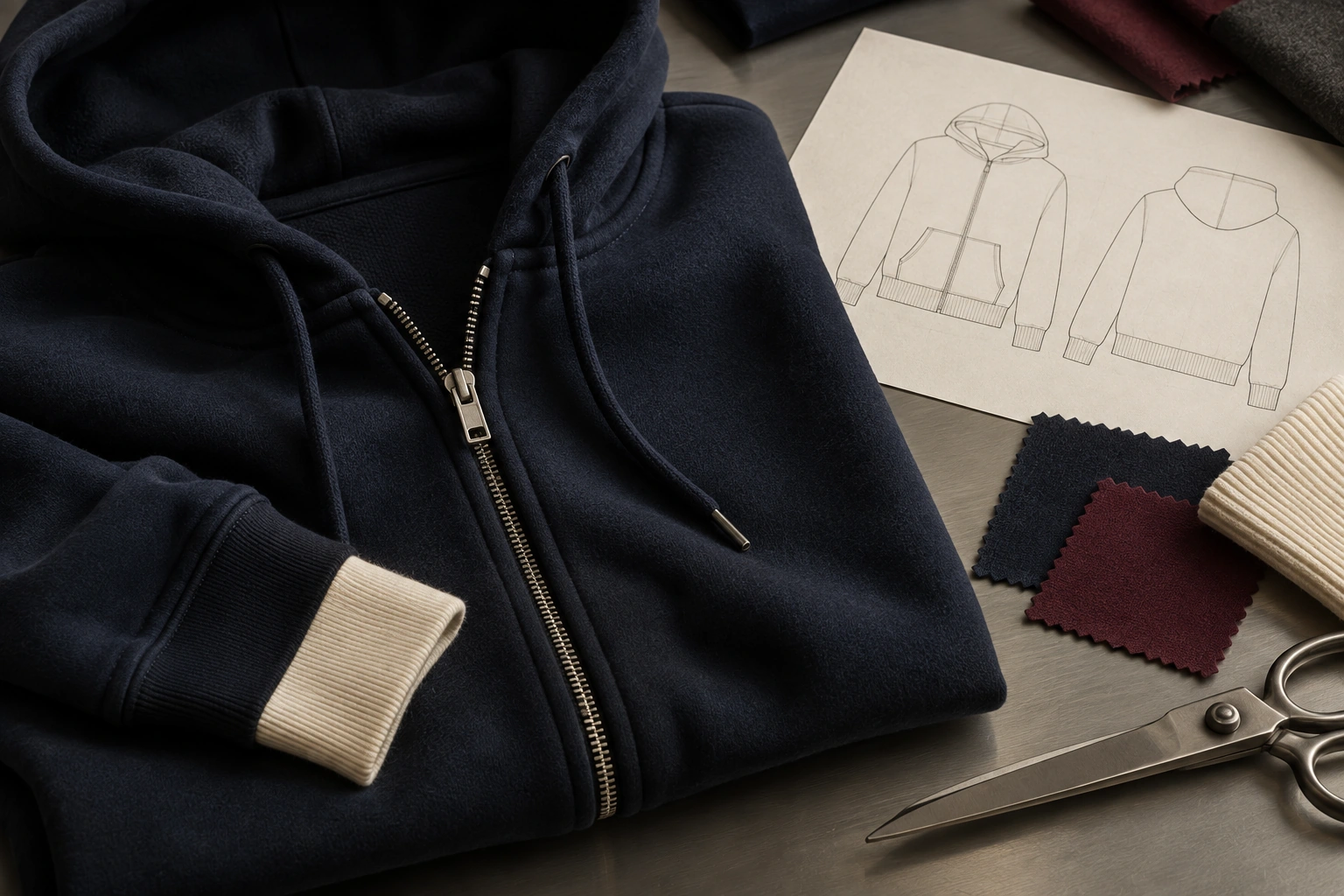
Mark your own proposed design as the main reference. Include front and back views, plus detail views where a feature is difficult to understand. Keep inspiration, confirmed requirements and open questions visibly separate. The development team should not have to infer which document takes priority.
Describe the garment in connected parts
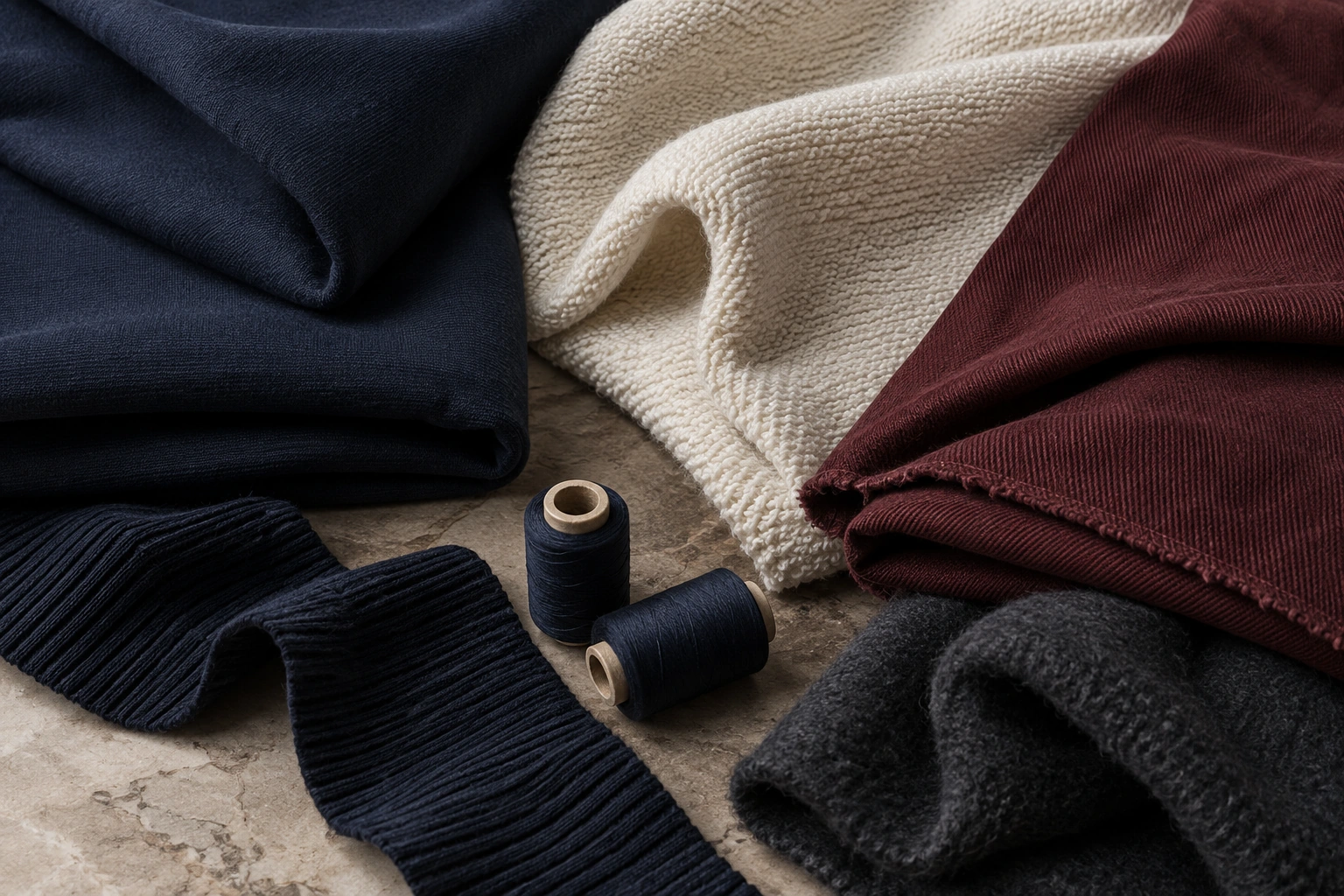
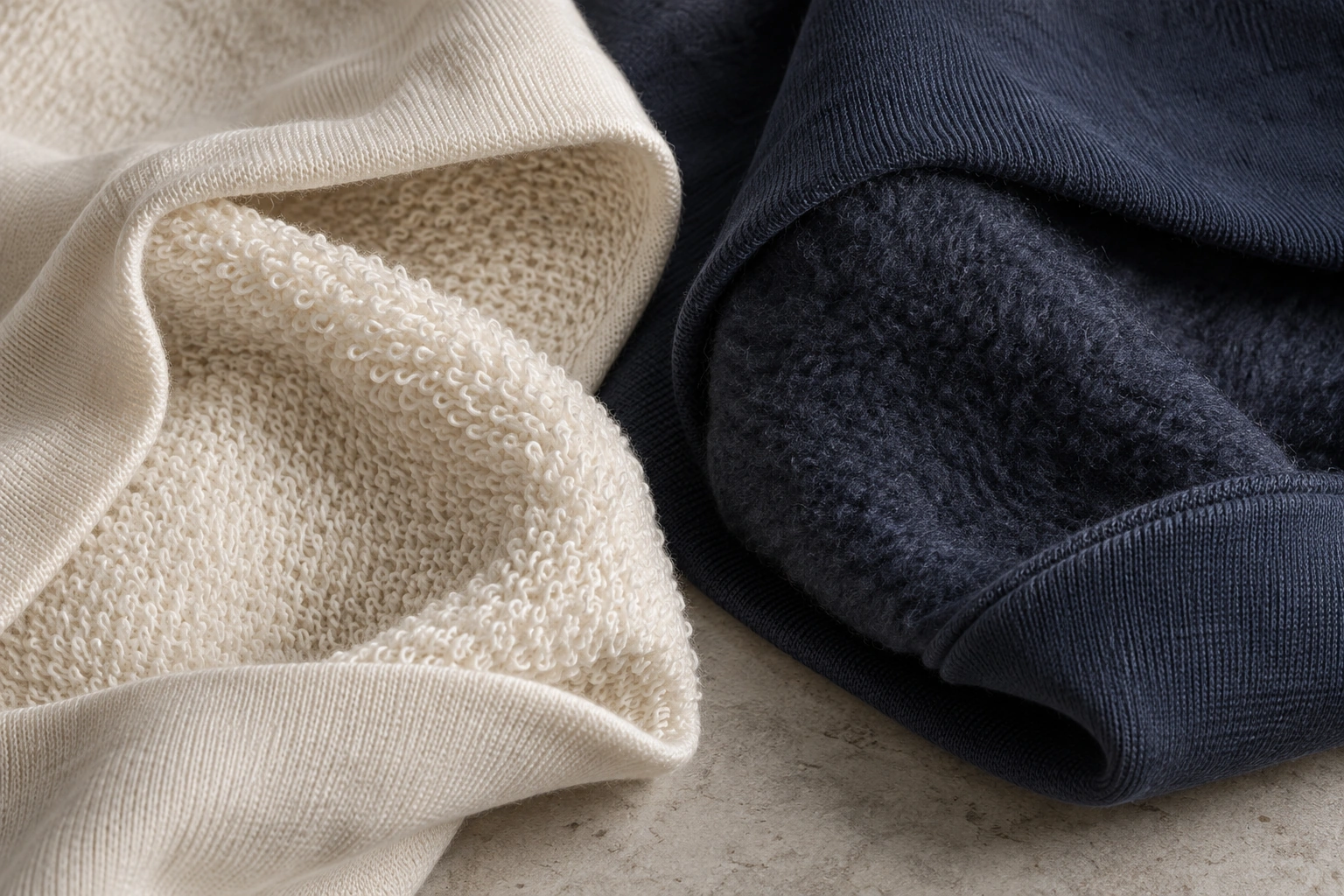
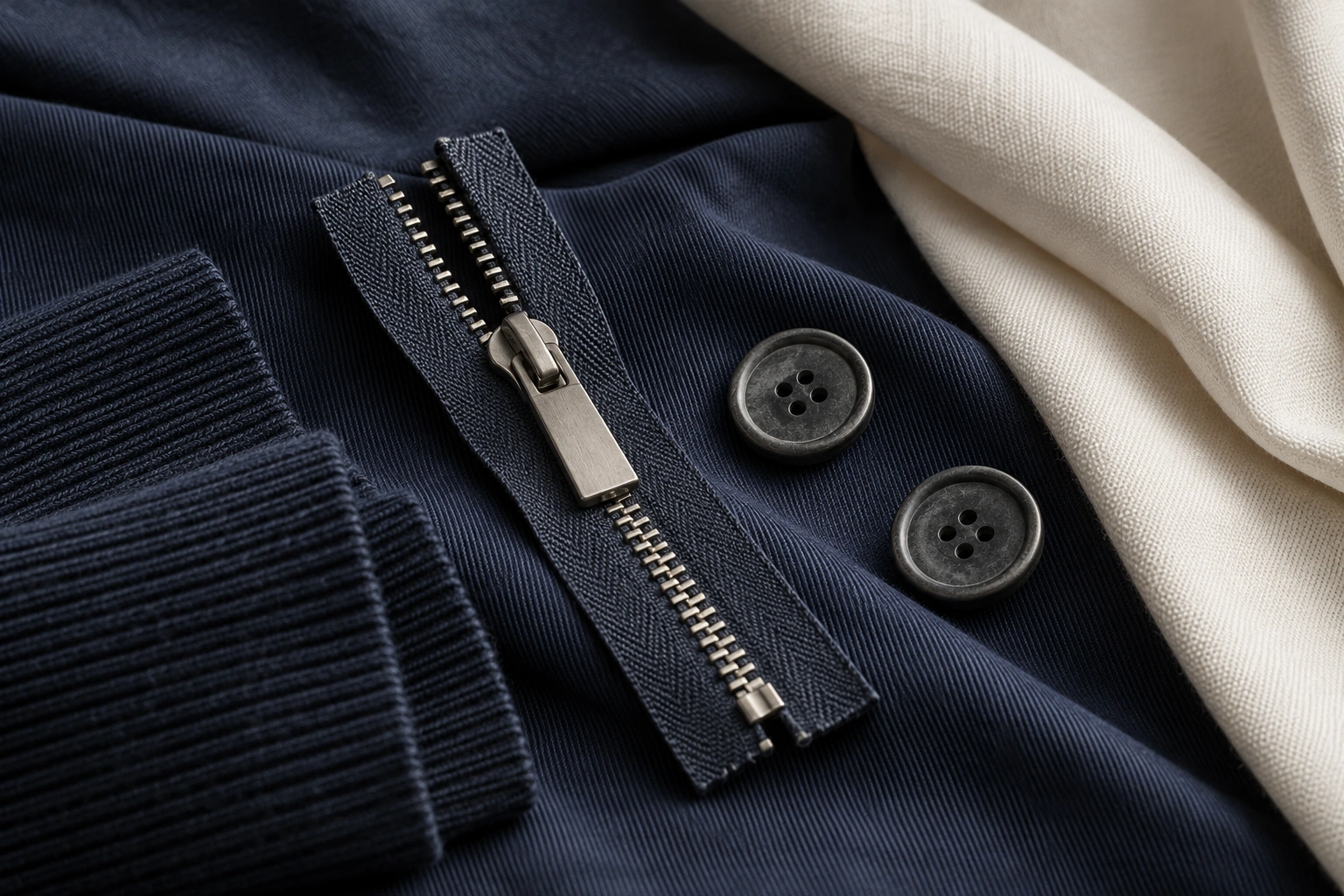
Work from the whole garment to its components. Record the silhouette, intended size range, fabric direction, color and major construction details. Then describe the hood or collar, pockets, closures, cuffs, lining and trims that apply to your style. SALATI offers customization of these elements, together with dimensions, fit and fabric weight.
For artwork, provide the design file, intended dimensions, placement and preferred technique. Printing, embroidery, washing and distressing can be discussed as development directions, but the method should be agreed for the specific material and construction. If you are unsure, describe the visual result you want and ask which options should be sampled.
Add main labels, care labels, hang tags and packaging to the brief. State whether these files are ready or still being designed. A blank field should be marked as an open decision rather than silently treated as a standard detail.
Put commercial questions beside the design
List your intended order quantity for each style, color and size. Label estimates as estimates. A collection total alone does not show how the order is divided, and a quantity entered in a brief does not establish the applicable minimum. Ask SALATI to confirm the requirement for the combination of garment, material and technique you propose.
If you have a target cost, explain what you expect it to cover. Ask for the quotation scope to distinguish the garment, sample development, decoration, labels, packaging and shipment where relevant. Sample fees depend on the style, materials and techniques; any credit against a production order is agreed for the individual project.
State your requested launch date, delivery destination and any date by which goods must be available. Ask for a schedule based on the actual brief, including sourcing, sample review and production. Distinguish a requested date from a date that SALATI has confirmed.
Send one reviewable version
Before sending, open every attachment and check that it belongs to the current design. Use a simple file name containing the style code, document type and revision. Include a short file list so a missing drawing or artwork file can be noticed immediately. If a link is used, check that the recipient can open it.
Close the brief with two lists: decisions already made and questions requiring a recommendation. Rank the details that define the product. A signature hood shape might be essential while a trim choice remains flexible. This helps the discussion focus on alternatives that preserve your design priorities.
SALATI’s sampling sequence moves from a submitted brief to confirmation of fabric, fit and technique, quotation, pattern development, a physical sample and client review. Ask what information is needed to enter the next stage. Record changes in the brief itself so later work uses the agreed revision.
From the brief to the workroom
Before you send
Use this final check to make the first exchange useful. If an item is not ready, write down who will resolve it and which decision depends on it.
- Brand, contact, project name and individual style codes are included.
- Every reference explains the detail it represents.
- Material, fit, construction and artwork requirements are separated.
- Proposed quantities are broken down by style, color and size.
- Requested destination and dates are clearly identified.
- Labels, trims and packaging have an owner or an open question.
- Attachments share one revision and one approval contact.
Example: resolve conflicting instructions before sampling
A complete folder can still contain contradictory instructions. The front drawing may show one pocket shape while a detail image shows another; the measurement sheet may carry an older body length than the latest comments. Add a short conflict log when you notice a mismatch instead of expecting the development team to guess which file wins.
Use the example below as a template. Each row should end with one written decision and a named file to update. If the buyer has not decided, leave the item open and identify which next step depends on it. Do not mark a file as final merely because it was the most recently uploaded attachment.
After resolving the log, issue a replacement file list. State which previous versions are superseded, and ask the recipient to confirm the files they will use. Archive earlier revisions separately. For a multi-style collection, close conflicts by style rather than declaring the entire collection approved when another garment still has open questions.
| Illustrative conflict | Buyer decision needed | Record to update |
|---|---|---|
| Drawing and detail photograph show different pockets | Choose the intended construction | Technical drawing and annotated reference |
| Artwork appears at two different sizes | Confirm the production dimensions | Artwork placement sheet |
| New feedback changes a measurement | Confirm whether the target changes | Measurement sheet and revision log |
Common questions
Can I start without a complete tech pack?
Yes. A sketch, reference image or physical sample can start the conversation. Identify the garment, quantity and the choices that still need development; a final quotation may need further specifications.
Should matching garments share one style code?
Give each garment its own identifiable record, then link them as a set. This makes measurements, artwork and packing instructions easier to track.
Bring the details to SALATI.
Share your reference, planned quantity and the decisions you would like help with.
Discuss your projectPreview & download the working checklist
Keep these points with your project notes. The PDF includes the complete guide and checklist.
- Brand, contact, project name and individual style codes are included.
- Every reference explains the detail it represents.
- Material, fit, construction and artwork requirements are separated.
- Proposed quantities are broken down by style, color and size.
- Requested destination and dates are clearly identified.
- Labels, trims and packaging have an owner or an open question.
- Attachments share one revision and one approval contact.
This guide explains development decisions. Confirm fabric availability, specifications, minimum quantities, fees and delivery terms for your individual project with SALATI.