
When sourcing casualwear, the Global Recycled Standard (GRS) and the Worldwide Responsible Accredited Production (WRAP) certifications are vital. These standards ensure ethical labor practices and environmental sustainability, fundamental for brands focused on responsible manufacturing. Choosing an OEM supplier in China involves verifying these certifications to mitigate risks associated with labor practices and environmental impact. Avoid the common pitfalls by ensuring the supplier provides traceable data sheets for material specs like GSM and shrinkage tolerances, which directly affect fabric quality and post-production performance. Ensure they adhere to standards like BSCI and GB 18401-2010, the national safety code for textiles in China, to secure consistent quality and safety in your apparel orders. Align your sourcing with verified credentials to effectively manage risk and ensure you receive apparel that meets your brand's quality and ethical standards.
The Handful of Numbers That Decide Your Supplier's Reliability
When selecting an OEM casualwear supplier, a few key numbers carry the weight in determining a supplier's reliability and trustworthiness. Certifications like GRS (Global Recycle Standard) and WRAP (Worldwide Responsible Accredited Production) are essential not just as badges of credibility but also as assurances of ethical practices. For instance, WRAP certification confirms that the supplier adheres to lawful, humane, and ethical manufacturing practices. Similarly, the GRS promotes recycled content claims through a third-party certification.
GSM (grams per square meter) is another crucial metric, widely acknowledged in the textile industry. It defines the fabric's weight and thickness, playing a significant role in understanding fabric durability, feel, and suitability for different apparel types. Each garment type, be it Custom hoodies and sweatshirts, or lightweight T-shirts, demands a specific GSM range to ensure optimum performance and comfort. Familiarity with these metrics enables brands to make informed decisions, ensuring the correct balance between quality and cost.
Another vital figure is shrinkage tolerance. This crucial specification dictates how much a garment can shrink after washing and wear, affecting product longevity. Manufacturers typically need a max tolerance of around 3% in fabric length and width to avoid post-wash surprises. Ensuring that this number aligns with end-use conditions is pivotal for maintaining the product's quality and customer satisfaction.
Fabric composition stands as another cornerstone. Knowledge of the precise make-up of a fabric—be it cotton, polyester, spandex, or a blend—helps in forecasting behaviour, durability, and suitability for the intended garment use. Misalignment between the material composition and product expectations can lead to issues post-production, from customer dissatisfaction to increased return rates.
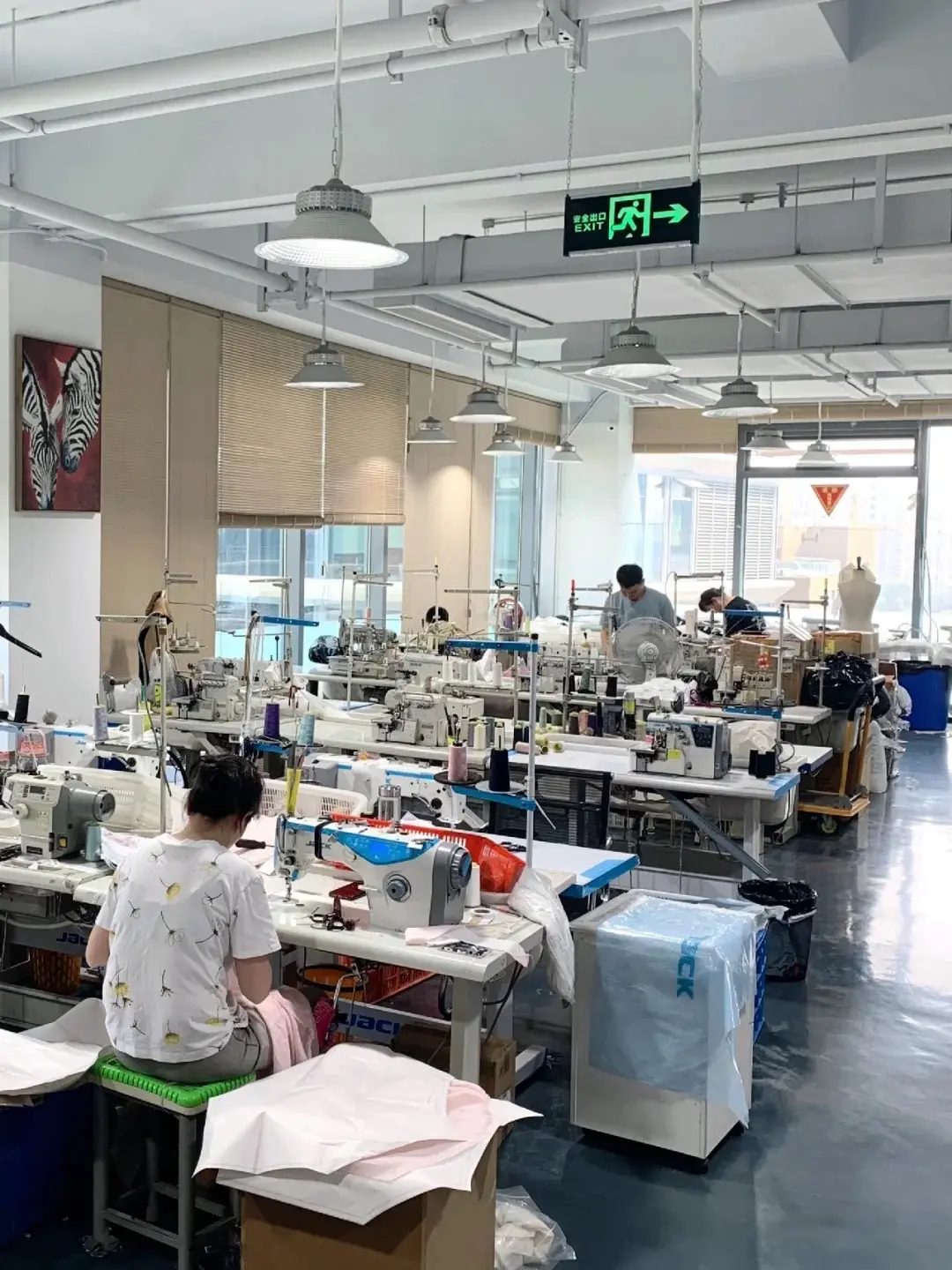
To sum up, it’s these numbers—certifications, GSM, shrinkage tolerance, and fabric composition—that paint a reliable picture of a supplier's capabilities and reliability.
Key Supplier Validations
| Validation Type | Standard/Requirement | Why It Matters |
|---|---|---|
| Certification | GRS | Ensures recycled content integrity and process transparency. |
| Certification | WRAP | Validates ethical workforce and product safety standards. |
| Fabric Specification | GSM ≥ 300 for hoodies | Determines fabric weight and influences durability and comfort. |
| Quality Metric | Max 3% shrinkage tolerance | Ensures durability and garment retention post-wash. |
| Safety Compliance | Compliance with BSCI standards | Assures adherence to international labor standards. |
Understanding and negotiating these metrics are not just formalities but essential steps to ensuring that the finished product meets both aesthetic and functional requirements. By evaluating these numbers, buyers can make more informed decisions and avoid costly pitfalls.
Understanding GSM and Its Impact on Your Apparel
Grams per square meter (GSM) is a fundamental metric defining the weight and quality perception of fabric in casualwear. GSM stands as a primary measure in textile manufacturing, signifying the density of the fabric. In essence, GSM articulates the weight of one square meter of fabric in grams. When sourcing casualwear, understanding GSM helps in setting expectations around the fabric's heft, durability, and how it drapes.
Role in Material Weight Assessment
GSM is a critical parameter for OEM streetwear and casualwear manufacturers. It dictates the thickness and the weight of the textile, enabling buyers to assess whether a material aligns with their brand’s aesthetic values—be it the classic oversized feel or a lightweight summer fit. The weight specified in GSM is a tangible number that directly influences the material’s perception in consumers' hands.
Typical GSM Ranges for Casualwear
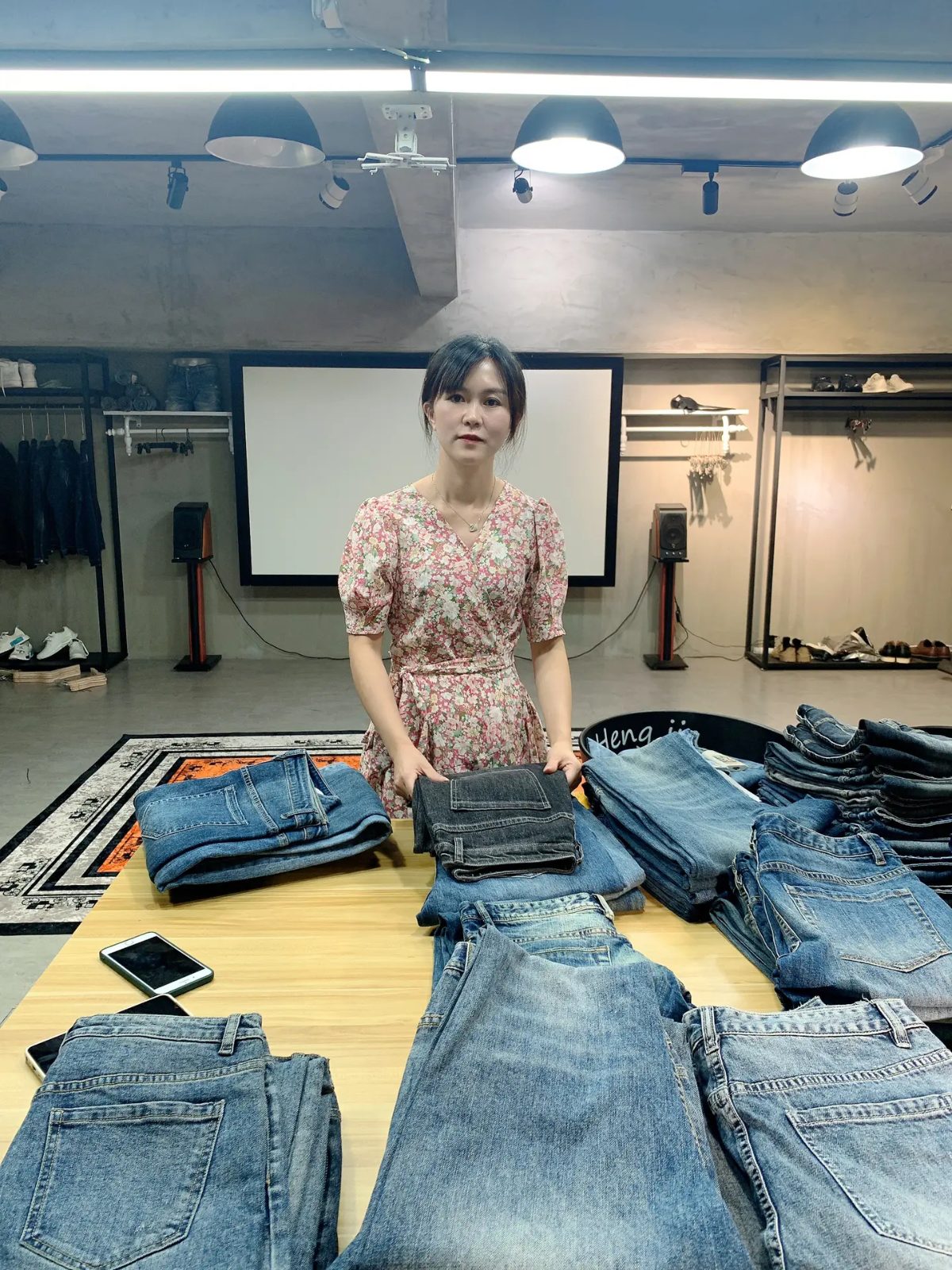
Different garments demand distinct GSM levels, dictating their end use. For instance, hoodies and crew necks generally employ fabrics ranging from 300 to 350 GSM, providing a balanced feel suitable for everyday wear. In contrast, heavyweight streetwear garments may necessitate GSM levels from 380 to 450. On the thinner spectrum, T‑shirts might hover between 140 to 300 GSM.
GSM Specifications for Casualwear
| Apparel Type | Typical GSM Range | Effect on Durability and Feel |
|---|---|---|
| T-Shirts | 140–300 | Lightweight, suitable for warmer climates |
| Hoodies and Sweatshirts | 300–350 | Balanced weight, good insulating properties |
| Heavyweight Streetwear | 380–450 | Substantial feel, enhanced durability |
| Ultra-heavy Garments | 480–500+ | Very sturdy, best for colder environments |
| Lightweight Shirts | 100–160 | Soft and breezy, perfect for summers |
Impact on Durability and Feel
GSM intricately influences both the durability and feel of the fabric. Materials with a higher GSM are generally more durable due to their density, making them ideal for outerwear and garments designed to withstand wear and tear. Conversely, lower GSM fabrics, though lighter and airier, might offer less durability but are often preferred for a softer, more comfortable feel.
Effect on Cost and Production Time
GSM not only affects the material characteristics but also impacts production costs and timelines. Heavier fabrics, requiring more raw material, can be costlier and may extend production schedules owing to additional handling and treatment processes. As a buyer, factoring these elements is pivotal to align financial and production projections with supplier capabilities.
Importance in Order Specifications
Clear specification of desired GSM in order briefs and technical packs is integral to ensuring consistent quality from suppliers. Providing explicit GSM targets allows for precise communication between your design team and the manufacturer, minimizing room for errors and deviations. Specific detailing helps manufacturers meet client standards, ensuring every garment aligns with the end customer’s visual and functional expectations.
Incorporating GSM effectively in specifications and discussions underscores its criticality in apparel production, ultimately leading to end products that resonate with quality and brand expectations.
The Overlooked Metric: Shrinkage Tolerance
Shrinkage tolerance is a critical parameter in apparel manufacturing that can make or break the quality of your finished product. It refers to the allowable percentage reduction in garment size after washing or exposure to heat. In the casualwear sector, this typically ranges up to 3%, both in length and width, as per standard industry practices. Managing this tolerance effectively ensures that garments maintain their shape and size through consumer use.
Shrinkage Tolerance Importance
| Aspect | Typical Value | Specifying Limit |
|---|---|---|
| Acceptable Shrinkage | ≤ 3% width/length | Set for specific fabric type |
| GSM Influence on Shrinkage | 300–450 GSM can vary | Adjust for heavyweight fabrics |
| Fabric Type Contribution | Natural fibers shrink more | Specify fiber treatment |
| Shrinkage Testing Method | Wash and dry cycle | Frequency and protocol defined |
Understanding how to measure shrinkage tolerance is fundamental to maintaining apparel quality. This typically involves standardized wash tests that simulate consumer laundering conditions, assessing how the garment dimensions change. You should work closely with suppliers to establish these tests as part of your quality assurance program.

Failing to adequately manage shrinkage can lead to significant issues with the finished garment. An unanticipated size reduction may lead to returns and dissatisfied customers, impacting the brand's reputation. Additionally, poor shrinkage management can strain a brand’s relationship with its suppliers, potentially leading to mistrust over time if quality expectations are not met.
It's crucial for buyers to specify shrinkage limits to suppliers up front. Clear communication of these limits helps to ensure that the fabric or garment produced aligns with the intended design and meets customer expectations. Utilize a pre-production sample to validate these shrinkage parameters to avoid costly surprises during mass production.
Testing methods, such as the accelerated home laundering procedure under controlled conditions, are used to verify shrinkage control. This simulates the life cycle of a garment in consumer use, providing insight into its longevity and performance. Implementing rigorous testing protocols allows for catching potential issues early, refining the production process, and ensuring that product quality is uncompromised.
Overall, shrinkage tolerance should not be an afterthought in your sourcing strategy. Precisely measured and collaboratively managed with your supplier, it ensures reliability in garment sizing and customer satisfaction in the final product.
Interpreting Data Sheets: A Practical Guide
Navigating data sheets is crucial for ensuring the quality and consistency of your casualwear products. Data sheets provide vital information that helps bridge your product specifications with the supplier's capabilities. Understanding the key symbols and terms on these sheets is essential to align your expectations.
Key Symbols and Terms
The first step is deciphering the common symbols and terms used in data sheets. Specifications like GSM (grams per square meter) are prominently listed to indicate fabric weight; this directly affects garment feel and durability. Terms like composition detail the material mix, such as 80% cotton and 20% polyester, critical for fabric behavior. The symbols for care instructions inform about the maintenance of the material, while icons for special finishes like anti-pilling or water-resistance highlight additional qualities.
Critical Specifications: GSM and Composition
Focusing on GSM and composition is non-negotiable when interpreting data sheets. The GSM determines the fabric’s heft, impacting cost, comfort, and suitability for various designs. For casualwear, GSM ranges from light (~140 GSM for t-shirts) to heavyweight (up to 500 GSM). Additionally, your fabric composition priorities—like the blend ratio—define garment performance in wear and washing. Scrutinize these numbers to ensure they meet your design and functional requirements, and always confirm whether these are averages or have acceptable tolerance ranges.
Aligning Data Sheets with Order Needs
When reviewing data sheets, ensure that the specifics align with your order needs. Standard measurements like tolerances should match your specifications, as slight deviations can affect garment fit and functionality. Confirm if sizes listed are in inches or centimeters to avoid misinterpretation. If your product has unique attributes, ensure the data sheet reflects these; this transparency prevents costly production errors.
Role in Quality Validation and Consistency
Using data sheets effectively can aid in validating product quality and striving for consistency across production runs. These details can support quality checks like AQL (Acceptable Quality Level) inspections, providing a consistent benchmark for quality audits.
Clarifying Discrepancies with Suppliers
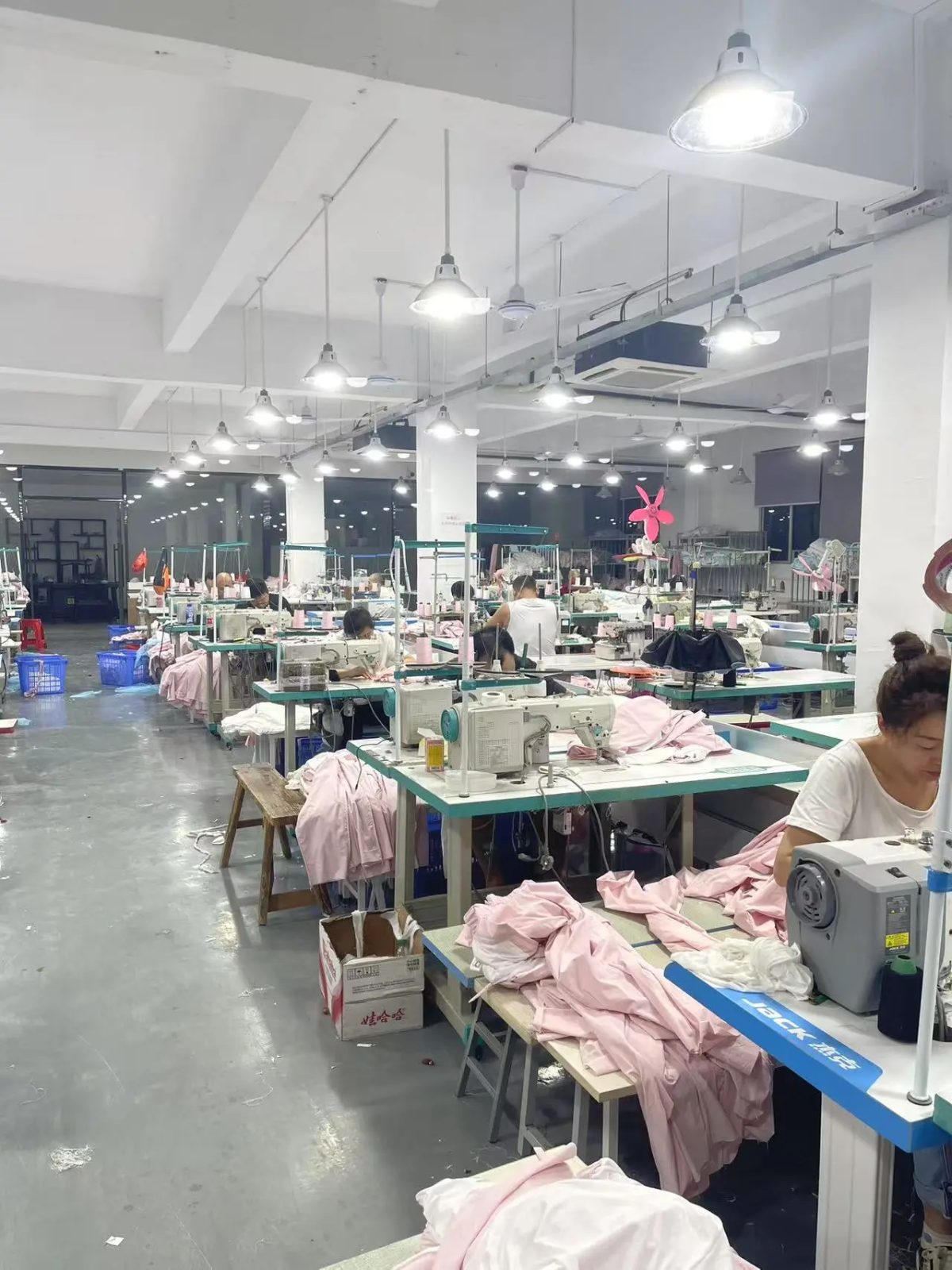
If discrepancies arise between your expectations and the data sheet, address them early. Engaging in open communication with the supplier can clarify misunderstandings. Request worksheets with detailed explanations for any specification that appears off, and use this dialogue to adjust future orders. Most discrepancies can usually be resolved by rechecking order forms against the supplier's production capabilities.
Ensuring Consistency with Fabric Composition Data
Ensuring fabric composition consistency starts with understanding key terms like fiber content and blend percentage. Fiber content refers to the types of fibers that make up the fabric, for example, cotton, polyester, or Spandex. Blend percentage indicates the proportion of each fiber present in the final material. These details are crucial because they determine the fabric's feel, durability, and suitability for different uses in casualwear.
The impact of fabric composition on product quality is significant. A higher cotton content in shirts, for instance, might offer more breathability and comfort but can also lead to increased shrinkage if not properly pre-washed or treated. On the other hand, adding polyester boosts durability and wrinkle resistance, making the garment less prone to fading over time. Spandex, with even a small percentage, provides stretch and recovery, essential for products like matching sets and tracksuits. These compositional aspects directly influence the performance, lifespan, and wearer satisfaction of the apparel.
Common materials in casualwear include cotton, polyester, and rayon. Cotton provides breathability and softness, polyester adds robustness and reduced shrinkage, and rayon offers a silk-like feel and excellent drape. Each material brings specific advantages but requires careful handling in manufacturing to maintain these properties. For example, rayon’s sensitivity to water during washing means any garment containing it should be pre-treated to avoid distortion.
Fabric composition validation methods are essential for ensuring that suppliers meet the specified requirements. Techniques such as burn tests or lab analysis can be used in the industry to verify fiber contents. These methods help identify the precise material composition, ensuring that your order specifications are met. Accurate composition data prevents costly errors by avoiding mismatches between what was ordered and what is delivered—a critical aspect in OEM apparel manufacturing.
Ultimately, ensuring thorough and precise fabric composition data is not just about ticking boxes on a checklist—it is foundational to delivering garment quality that meets your brand's standards. The composition defines the physical characteristics of the fabric, like texture, weight, and behavior after wash, which collectively feed into the product's overall appeal. For brands serious about developing a detailed spec sheet for Denim jeans and denim garments, understanding every nuance of fabric composition is non-negotiable.
Evaluating Supplier Compliance with Chinese Standards
When sourcing OEM casualwear in China, ensuring supplier compliance with standards like GB 18401-2010 is critical. This standard, known as the National General Safety Technical Code for Textile Products, outlines the mandatory safety criteria for textiles, focusing on hygiene and harmful substance limits. It applies to textile products for both adults and children, covering parameters such as formaldehyde content, pH level, color fastness, and the presence of odorous substances. Each of these parameters has specified limits; for example, the formaldehyde content for direct skin contact textiles must not exceed 75 mg/kg. Such stringent standards ensure that textiles are safe for consumers, particularly in international markets.
Critical Safety Metrics under GB Standards
The GB 18401-2010 is part of China's larger regulatory framework mandating that textiles meet multiple safety metrics, aligned with global consumer safety expectations. Key metrics under this standard include color fastness tests, which ensure that colors do not bleed or transfer, thereby maintaining product quality through repeated washing. Additionally, pH levels are regulated to prevent skin irritation, necessitating a range of 4.0 to 7.5 for textiles in direct contact with the skin. These safety specifications reassure international buyers that the textile products they procure will uphold consumer safety, thereby also reducing potential liability risks.
Impact on International Shipping and Customs
Compliance with Chinese safety standards like GB 18401-2010 significantly impacts international shipping and customs by streamlining the customs clearance process. Non-compliance can lead to delays, confiscated goods, or added charges at customs checkpoints. For example, adherence to these standards ensures that goods meet the importing country's legal requirements, minimizing disruptions in supply chains and meeting consumer expectations without hiccups. It also facilitates smoother trade negotiations, as compliant goods are less likely to be subject to disputes over safety and regulatory adherence.
Role of Local Standards and BSCI Audits
Beyond GB standards, adherence to social compliance standards like BSCI (Business Social Compliance Initiative) enhances a factory's credibility. While BSCI itself is not a product safety standard, it plays a pivotal role in assessing a supplier's commitment to ethical labor practices and environmental compliance. By choosing a supplier that complies with BSCI, buyers can ensure that the production process upholds labor rights and fair working conditions, which are increasingly pivotal factors in consumer purchasing decisions. This balance of safety and ethical compliance allows brands to serve a broader market without compromising on integrity or consumer trust.
Importance in OEM Partnerships
In OEM partnerships, adherence to Chinese safety standards is non-negotiable for safeguarding brand reputation and consumer trust. An OEM supplier's compliance with these standards demonstrates their capability to consistently produce goods that meet or exceed safety expectations, which is essential in protecting against recalls and brand damage. As such, rigorous compliance is not merely a regulatory hurdle but a strategic asset that underpins long-term supplier relationships, fostering mutual growth and stability in competitive global markets.
Your Next Steps: Sending a Sample for Evaluation
Sending a sample to your potential supplier can sharpen your specifications significantly. This process allows both you and the supplier to identify potential adjustments needed before full-scale production. Include a comprehensive tech pack with your sample, detailing materials, measurements, and any unique construction elements. It's critical to ensure your sample meets all required safety and quality standards to align it with the same benchmarks as your intended production run. By doing so, you streamline future correspondence and set a solid foundation for your project.
FAQ on OEM Casualwear Sourcing in China
What are the key certifications to look for in a supplier?
Look for Global Recycled Standard (GRS), Worldwide Responsible Accredited Production (WRAP), and BSCI certifications. These focus on ensuring ethical labor practices and environmental sustainability.
How does GSM specification affect production costs?
GSM, or grams per square meter, impacts raw material costs, with higher GSM generally increasing material cost. It also affects production parameters like sewing machine settings and material handling, influencing overall production costs.
What is the significance of shrinkage tolerance in production?
Shrinkage tolerance helps ensure that finished garments maintain size and fit after washing. Mismanagement can lead to ill-fitting products, affecting customer satisfaction and resulting in returns.