Walking through our production line recently, I stumbled upon what seemed like a simple pair of shorts. But as I dug deeper, the hidden design elements unfolded: reinforced stitching, moisture-wicking fabrics, and strategically placed pockets. For buyers, these nuances mean more than aesthetic value; they impact functionality and consumer appeal. It is the thoughtful details that can transform a straightforward piece into something standout. Whether it's integrating tech-friendly pockets or optimizing the fit for active wearers, paying attention to design intricacies makes all the difference.
Exploring Fabric Innovations
Fabric innovations are at the forefront of what sets shorts apart in the market today. Asking manufacturers about the array of fabric blends they can incorporate can be a strategic decision when designing custom apparel. Cotton, polyester, and elastane are three commonly used materials, each chosen for their unique attributes.
Cotton Blends
Breathability. Cotton is renowned for its comfort and breathability, making it an ideal choice for casual wear. However, pure cotton lacks the stretch and resilience that activewear demands.
Polyester Blends
Moisture Management. Polyester, on the other hand, is prized for its moisture-wicking capabilities. This synthetic fiber effectively pulls sweat away from the skin, enhancing comfort during physical activities. The durability of polyester is another advantage, providing resistance to wear and tear when used in active settings.
Elastane Additions
Stretchability. Elastane, often incorporated in small percentages, adds essential stretch. This material ensures that the shorts cater to movement without losing shape, significantly boosting both comfort and fit.
An intriguing advancement in fabric technology is the application of moisture-wicking treatments. These coatings are often applied to fabrics like polyester to further elevate their sweat management capabilities. Such treatments are particularly advantageous for athletic shorts, where keeping cool and dry is crucial.
Another noteworthy trend is the use of recycled and sustainable materials. With an increasing emphasis on environmental responsibility, materials bearing the Global Recycle Standard (GRS) certification are gaining traction. These materials not only promise reduced environmental impact but also exhibit qualities comparable to their non-recycled counterparts, like maintaining durability and comfort.
Durability Over Time
Durable materials are a critical consideration, especially for apparel intended for frequent use. Polyester and cotton blends, particularly those treated with special finishes, offer enhanced resilience, providing longevity that buyers will appreciate.
Fabric Properties and Benefits
| Material | Comfort Level | Performance Feature | Durability | Eco-Friendliness |
|---|---|---|---|---|
| Cotton | High | Breathable | Moderate | Moderate |
| Polyester | Moderate | Moisture-wicking | High | Low |
| Elastane | High | Stretchable | Moderate | Low |
| Cotton/Polyester | High | Moisture management | High | Moderate |
| Recycled Poly. | Moderate to High | Environmentally friendly | High | High (GRS) |
To conclude, the thoughtful selection and combination of various fabrics determine the level of comfort, functionality, and sustainability in shorts. These choices not only surprise buyers but also align with modern demands for performance and eco-conscious apparel. For further exploration, Explore different fabric options for shorts.
Reinforced Stitching Techniques
Double stitching. The backbone of reinforced garment durability, double stitching ensures that shorts can withstand the rigors of daily wear and frequent movements. Double stitching can enhance fabric's resistance to tearing. For robust construction, it is especially vital in high-stress areas like the inner legs and sides of pockets, where tension is greatest during wear.
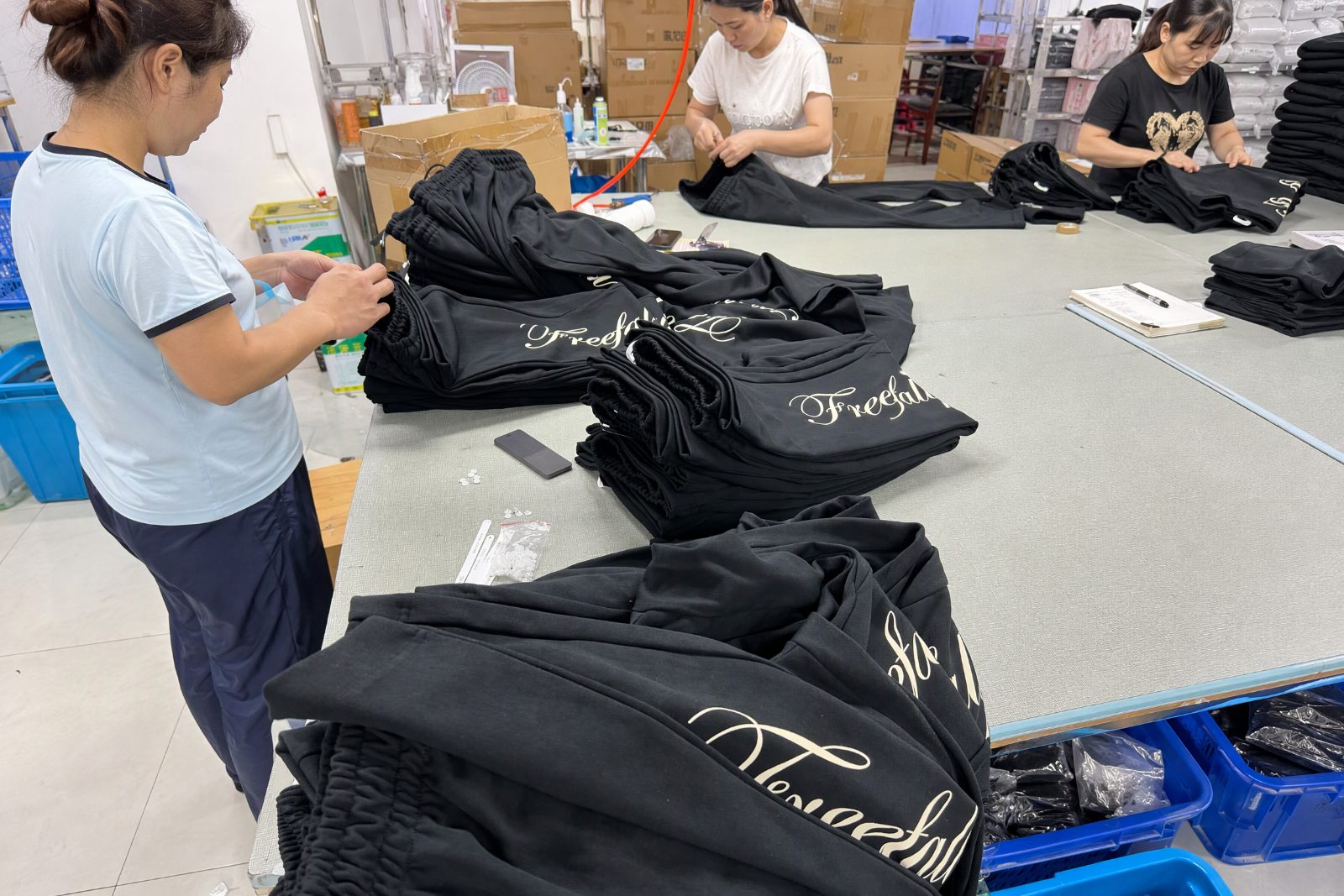
Overlocking. While double stitching serves as a primary reinforcement, overlocking joins the fabric edges, preventing fraying. This technique is particularly utilized in seams where fabric layers meet — a critical area in the construction of waistbands and hemlines. Overlocking can add durability and enhance aesthetics by giving a clean finish from both the outside and inside.
Stitch types. Diverse stitching techniques come into play across shorts, especially regarding pockets, waistbands, and hemlines. Pockets frequently incorporate bar tacking, a stitch placed at the entrance to prevent ripping from frequent use. Waistbands often utilize chain stitching for its stretchability, a necessity for accommodating various waist sizes without compromising strength. For hemlines, a combination of topstitching and blind stitching can be employed to ensure both reinforcement and a polished appearance.
Common stitching problems. Issues such as skipped stitches or thread breakage often arise from incorrect thread tension or poorly maintained sewing equipment. Skipped stitches can weaken structural integrity, while thread breakage may lead to fabric separation over time. Maintaining equipment, including timely needle replacement and proper bobbin tension, alongside using threads that match the fabric's weight and elasticity, helps mitigate these issues effectively.
Balancing design and reinforcement. A critical design challenge lies in balancing the reinforcement needs with the overall aesthetic of shorts. For instance, cargo shorts designed for rugged activities may prioritize visible double stitching as a stylistic and functional element. Alternatively, dress shorts may favor discreet reinforcement to maintain sleekness without sacrificing structural integrity. In any design, understanding the wearer's needs allows designers to select appropriate stitching techniques that do not compromise the shorts' desired aesthetic or performance.
Pocket Design: Beyond Basics
Innovative pockets. In the evolving world of shorts design, pockets have transcended their primary purpose of storage. Features such as hidden zippers and tech-friendly compartments have become increasingly popular, addressing modern demands for security and functionality. Hidden zippers provide an element of surprise, revealing a sleek, minimalist appearance while safeguarding valuables during active movements. Meanwhile, tech-friendly compartments keep gadgets like smartphones and earbuds securely in place, a boon for consumers juggling multiple devices.
Strategic placement. The positioning of pockets is critical, not just for practicality but also for comfort and accessibility. Strategic placement often means the difference between ease of access and frustration. For instance, side seam pockets are favored for their convenience, allowing users to reach with minimal disturbance. Similarly, patch pockets placed higher on the hip can alleviate discomfort when seated, a small yet significant consideration for everyday wear.
Impact on design. Pocket styles can subtly yet significantly influence both the weight distribution and silhouette of shorts. For example, oversized pockets can shift weight forward, affecting balance, while streamlined styles maintain a sleeker silhouette. This is particularly important when designing shorts for activities, as uneven weight distribution can hinder performance or affect the garment's drape.
Design considerations. When designing pockets for different shorts types, understanding the end-use is pivotal. Cargo shorts, for instance, benefit from multiple large pockets, supporting practical uses without compromising style. Conversely, urban shorts often incorporate subtler pocket integrations for a polished look. Designers must also consider fabric weight and stretch; lighter fabrics may require reinforced seams to support heavier, pocketed areas without sagging or compromising structural integrity.
Durability in focus. The longevity of pocket functionality is a major consumer concern. Reinforced stitching in pocket construction is crucial to withstand the rigors of frequent use. Double stitching or bar tacking at stress points can prevent ripping and enhance the overall lifespan of the garment. Each design choice, from zipper type to the depth of the pocket, plays a role in the durability and aesthetic appeal of shorts.
Hidden details often make the most significant impacts. With precise design and thoughtful technology integration, shorts can surprise and delight buyers. For those interested in cutting-edge features, from tech-friendly pockets to aesthetic innovations, this Check out innovative pocket designs for urban shorts offers a glimpse into the future of shorts design.
Fit and Comfort Adjustments
Adjustable waistbands. Incorporating adjustable waistbands in shorts design can significantly enhance fit. These waistbands often come in the form of drawstrings or buckles, allowing wearers to personalize the fit to their body. This feature is particularly beneficial for those who experience size fluctuations or prefer a more secure fit for activities. Adjustable waistbands make the garment versatile across various body types without the need for extensive alterations.
Elastic integrations. Elastic bands have long been a staple in ensuring comfort, especially in sportswear and casual shorts. The integration of elastic not only accommodates a range of waist sizes but also maintains ease of movement. A well-chosen elastic band can preserve its stretch and return properties over many wash cycles, maintaining the intended fit for longer. This reliability is crucial for ensuring that shorts remain comfortable and functional after repeated use.
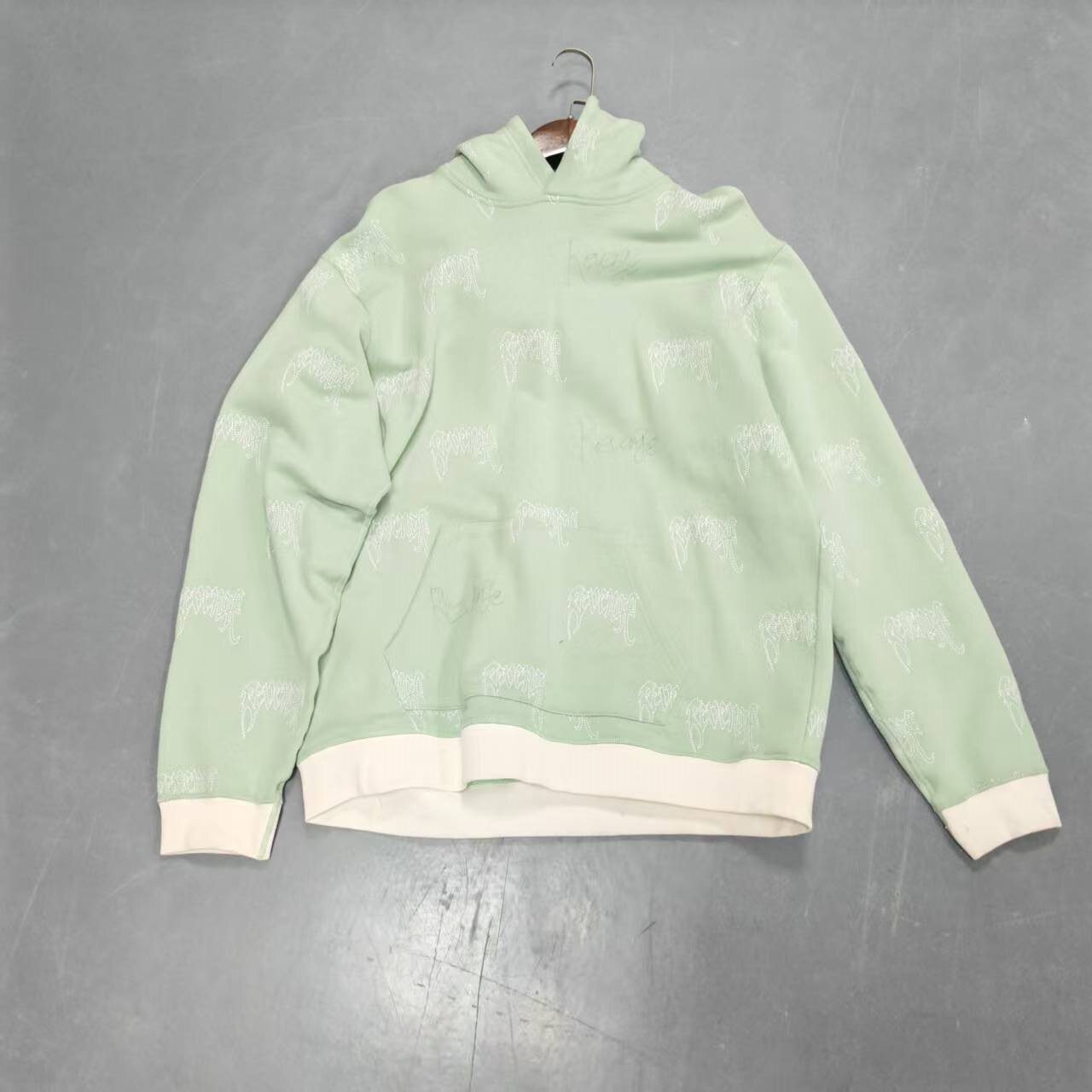
Dart placements. Strategic dart placements can significantly impact the comfort and fit of shorts. Positioned typically along the waist or hip areas, darts help contour the fabric to align with natural body curves. This alignment reduces the bulkiness that can occur at seams, and enhances overall wearer comfort by ensuring the garment follows the body’s natural shape, providing a tailored appearance without sacrificing ease of movement.
Panel shaping. The design and stitching of panels in shorts also play a critical role in fit and comfort. By employing different panel shapes and sizes, designers can create connections or seams that distribute tension evenly across the fabric. This even distribution helps avoid common discomforts like pinching or chafing. For more detailed guidance, consider how to review techniques to achieve ideal fit in athleisure shorts.
One-size-fits-most challenge. Designing shorts that cater to a 'one-size-fits-most' mantra is an ambitious goal, often requiring careful material choice and flexible design elements. However, it presents challenges, particularly when accommodating diverse body shapes and sizes. While this approach can reduce production costs and simplify inventory management, it may not suffice for everyone. Clothing brands must balance these design concepts carefully, ensuring broader fit ranges don't compromise comfort or style.
Feedback from fit trials. Feedback from fit trials is invaluable to improving shorts designs. Trials provide concrete user insights into what adjustments enhance comfort and fit. Observations from these trials often highlight unexpected areas where designs can improve, such as the need for wider elastic bands or alterations in dart placements. Their role in guiding design improvements is instrumental, ensuring that final products meet customer expectations and comfort needs effectively. Adjustments informed by real-world trials help transform potential design weaknesses into strengths, yielding shorts that not only fit better but also provide lasting wear satisfaction.
What Surprises Buyers: Design Insights
Hidden features in shorts often play pivotal roles in the purchasing decisions of discerning buyers. For example, shorts with integrated power mesh panels offer unexpected support, altering the wearer's perception of comfort. Paired with discreet watch pocket enhancements, they turn from casualwear into functional gear, tailored for those needing extra utility. Buyers tend to value these hidden features when they align with practical needs or enhance versatility without compromising aesthetics. As trends evolve, there's potential for shorts to incorporate smart textiles and adaptive fits. Could your design benefit from such innovative elements?
FAQ: Surprising Design Details in Shorts
What makes moisture-wicking fabric important in shorts?
Moisture-wicking fabric helps keep wearers dry and comfortable by pulling sweat away from the body. This is particularly beneficial for active or hot climate wearers, enhancing overall comfort and preventing chafing during movement.
How can I ensure the durability of my custom shorts?
To ensure durability, focus on high-quality stitching techniques, such as double stitching and overlocking. Choose robust fabrics and reinforce stressed areas like waistbands and hemlines. Incorporating quality control measures can help maintain production standards.
What should I consider when choosing pocket designs for shorts?
Consider the balance between aesthetics and functionality. Hidden zippers and tech-friendly compartments can enhance usability without compromising style. Also, think about the pocket placement and size to ensure comfort and practicality for the wearer.