When placing an order for custom streetwear or casualwear, buyers should consider specific factors. These include understanding the fabric options, confirming sizing consistency, ensuring the materials' alignment with brand standards, and forecasting realistic lead times tailored to their batch size. Investing time to ask the right questions can help avoid costly mistakes and set the foundation for successful partnerships with manufacturers like Dongguan City Salati Apparel Co., Ltd., who have the infrastructure and standards like BSCI and WRAP to accommodate such needs.
Challenges Experienced by the Buyer
Significant challenges arose due to a discrepancy in sizing, leading to unsatisfied customers and a tarnished reputation. The issue began when the jeans delivered from the supplier didn't align with the expected size chart. Variations in denim fabric stretch and shrinkage during processing are common pitfalls when the specific fabric or wash isn't confirmed in the development phase. As a result, consumers were quick to voice their frustration over ill-fitting jeans, resulting in a spike in return rates.
Consumer dissatisfaction isn't just about the inconvenience of returns—it's a critical hit to brand loyalty and market position. When denim garments fail to meet expected sizes, it creates a ripple effect where buyers hesitate on future purchases due to the perceived unreliability in product delivery. This has a compounding effect as the brand struggled to regain customer trust, which is often harder to rebuild than to maintain.
Moreover, general supplier limitations can play a role in these challenges. Inconsistency can arise from several factors, such as inadequate raw material selection or mishandling during manufacturing processes like washing and finishing, which directly impact the fabric's final characteristics. Suppliers not accustomed to handling specific small-batch demands might not be equipped to maintain rigorous quality control, thus impacting the final product.
Ultimately, inconsistency in product delivery and failure to maintain established denim quality can severely dent a brand's image. The negative consumer feedback can spiral into diminished brand credibility, highlighting the importance of aligning with suppliers who understand and execute according to the specified requirements. For small-batch buyers, it's crucial to equip themselves with clear spec sheets and maintain open communication pathways to ensure their supplier truly understands their quality and sizing expectations. More details on how to prepare spec sheets can be found in our guide on denim jeans and denim garments: what a supplier actually needs from small-batch buyers.
Understanding the Importance of Fabric Selection
Choosing the right denim fabric is crucial for creating jeans that not only look good but also perform well under various conditions. The feel and durability of denim jeans largely depend on the fabric's characteristics, including its GSM (grams per square meter), processing methods, and sustainability credentials.
Fabric Feel and Performance
Different denim fabrics can dramatically influence the finished jeans' feel and performance. Heavier fabrics tend to be more durable but may lack the flexibility needed for certain styles. Lightweight denims, though comfortable, may not withstand heavy use. The choice of denim should align with the intended wear conditions and the desired garment style.
GSM and Thickness
The GSM of denim fabric affects its thickness and durability. Higher GSM values typically indicate a thicker fabric, which can provide extra warmth and abrasion resistance, crucial for workwear or rugged styles. A lower GSM fabric, however, might be preferable for summer wear or a softer feel. It’s essential to balance between GSM, style, and intended use to meet your brand’s expectations.
Fabric Processing Methods
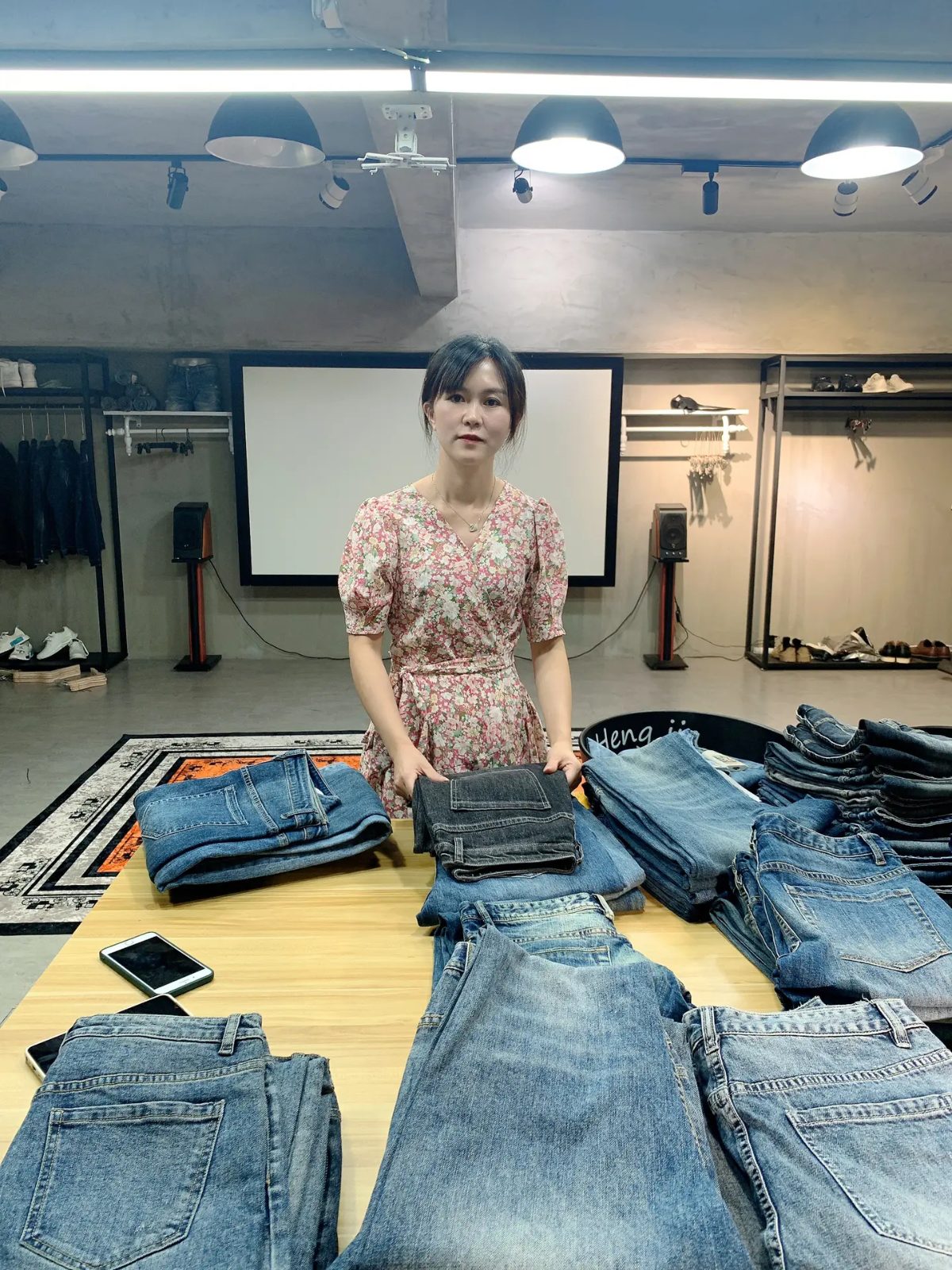
Washes and finishes are critical in achieving the desired look and texture of denim jeans. Enzyme washes can soften the fabric, while stone washes create a worn look. Finishes like resin coating add a layer of water resistance. Each method impacts the fabric's final handfeel, color, and maintenance, influencing the consumer’s satisfaction and, ultimately, brand loyalty.
Sustainability Commitments
As sustainability becomes increasingly important, selecting fabrics that adhere to environmental standards is crucial. Brands committed to sustainability should seek denim suppliers that comply with recognized eco-standards. Ensuring fabrics meet certifications like GRS empowers brands to uphold their eco-friendly promises.
Key Denim Fabric Considerations
| Fabric Type | GSM Range | Best Used For | Sustainability Concerns |
|---|---|---|---|
| Lightweight Denim | 8-10 oz | Summer wear | Chemical usage in dyes |
| Midweight Denim | 10-14 oz | Everyday jeans | Water consumption in wash |
| Heavyweight Denim | 14-16 oz | Workwear | Energy in drying process |
| Stretch Denim | 8-12 oz | Fit and flex designs | Polyurethane recovery |
| Organic Denim | 9-12 oz | Sustainable lines | GRS certification |
Selecting the right denim fabric involves a balance of feel, performance, and sustainable practices. For buyers, understanding these elements is a step toward the successful delivery of denim that resonates with their brand ethos and consumer expectations.
The Critical Role of Accurate Sizing
Size consistency plays a pivotal role in consumer satisfaction for denim jeans and garments. When customers receive apparel that consistently fits as expected, their trust in the brand solidifies, reducing return rates and bolstering brand loyalty.
Standard sizing often struggles to address the diverse body types of consumers. Custom sizing offers a targeted approach, tailoring fits to specific demographics, or even individual preferences. This ensures a more satisfying fit, but it also presents challenges such as increased complexity in production processes and the need for detailed measurement data. Effective grading—the process that adjusts size specifications across different sizes while maintaining the intended fit—is crucial. Poor grading can result in garments that fit well in one size but miss the mark as the size scale expands.
The accuracy of size conformity in production is facilitated by precise tools and technologies. Pattern-making software ensures consistency by allowing designers and manufacturers to visualize and adjust patterns before any fabric is cut. Additionally, advanced digital measuring devices are employed on the production floor to verify each piece's measurements against the master pattern.
Ensuring sizing accuracy requires diligent attention throughout the manufacturing process, from pattern creation to final assembly. Regular fit tests and size checks using calibrated tools are essential to detect any deviations early and address them before full production begins. This rigorous approach to sizing not only minimizes waste but also ensures the final product meets consumer expectations effectively.
In sum, consistent sizing is essential not only to meet customer satisfaction but also to enhance the brand’s market reputation. By overcoming the inherent challenges of both standard and custom sizing through advanced tools and processes, manufacturers can deliver products that truly fit their clientele.
Ensuring Quality and Certification Compliance
When it comes to sourcing denim garments from manufacturers, ensuring quality and certification compliance is crucial. Certifications like BSCI (Business Social Compliance Initiative) and WRAP (Worldwide Responsible Accredited Production) play a pivotal role in the denim manufacturing industry. These certifications ensure that management standards for fair labor conditions and ethical manufacturing practices are in place, which is increasingly important for buyers targeting markets sensitive to sustainability and worker rights.
BSCI certification focuses on fair labor conditions and environmental management, while WRAP includes principles such as legal compliance, environment-friendly production, and commitment to ethical manufacturing practices. For a buyer, verifying these credentials can directly affect brand reputation and consumer trust. A brand associated with ethically produced garments can leverage this image to enhance its market positioning and customer loyalty.
Quality inspection is a key consideration for buyers looking to ensure compliance. Industry practices suggest conducting quality checks from fabric selection to the final garment stage, helping to meet the desired standards. During denim production, buyers should consider discussing inspection stages with suppliers, including fabric inspection for defects, and ensuring stitching accuracy and color consistency. These steps can help minimize flaws that might otherwise lead to costly returns or dissatisfaction.
To verify compliance, buyers should request and review supplier documentation. This documentation typically includes audit reports from certification bodies and internal quality control records. Establishing a clear line of communication with suppliers is essential, as it allows buyers to confirm the current status of their certifications. It also opens the door for manufacturers like Dongguan City Salati Apparel Co., Ltd., known for their cargo pants and casual pants for OEM buyers, to demonstrate their commitment to quality production.
Overall, understanding and verifying the quality and certification compliance not only protects brand reputation but also enhances buyer confidence in the supply chain.
Tailoring Lead Times to Batch Sizes and Requirements
The size of your order significantly influences the production timeline for denim garments. Smaller batches often entail quicker turnarounds due to fewer materials needing cutting and sewing. However, the demand for customization and specific detailing can extend lead times even for small orders. Manufacturers often handle flexible order sizes, but precise coordination with suppliers ensures optimal scheduling.
To schedule production realistically, it's crucial to align your projections with the production capabilities of the manufacturer. Communicating your order size and any specific manufacturing requirements—such as unique washes or finishes—early in the process aids in establishing a timeline that's achievable. This dialogue avoids potential delays caused by misunderstandings or unexpected production complexities.
Negotiating lead times with suppliers like SALATI involves understanding both parties' constraints and capacities. Open discussions about your deadline needs and their manufacturing schedule allow for adjustments that satisfy both expectations. This collaboration is particularly valuable when your order requires specific techniques or processes that might extend production time.
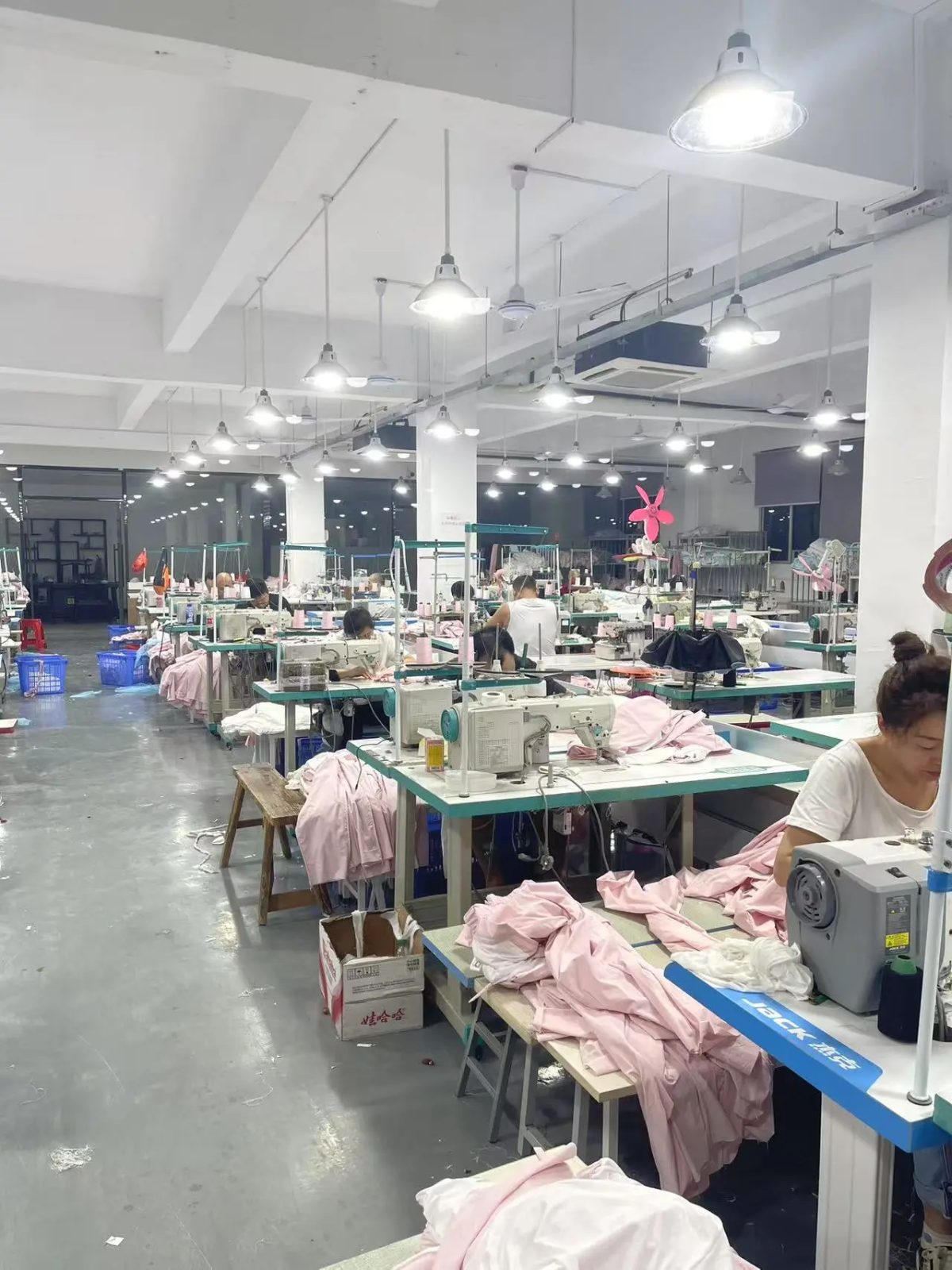
When adjusting lead time estimates, consider factors such as fabric sourcing, customization requests, and potential bottlenecks in production. Conditions like material scarcity or the need for specialized processes can impact the timeframe significantly. Giving the supplier flexibility by prioritizing crucial elements of your order could also lead to a smoother production timeline.
Ultimately, fostering a proactive partnership with your manufacturer, exemplified by regular communication and setting expectations right from the start, is key. This approach not only helps in tailoring lead times to match batch sizes and requirements but also ensures that your denim garments reach the market timely, maintaining your brand’s reputation.
Steps for Buyers to Consider Before Their First Order
When embarking on a small-batch denim order, engaging in detailed discussions with suppliers is crucial. These discussions should delve into every aspect of production, from materials to final quality checks. Denim has its nuances in terms of fabric weight, dye, and fit, each affecting the final product. Ensure that your supplier understands your specific needs in these areas to avoid surprises later.
Clarifying all technical specifications and quality expectations is a critical step in this process. Start by specifying the denim weight, which impacts both feel and durability. Factor in considerations like stretchability and shrinkage as well. Articulate your quality benchmarks clearly, possibly drawing from past experiences or market standards. For instance, if aiming for a robust pair of jeans, state your requirements for seam strength and stitch count.
Sample approvals are non-negotiable before moving to mass production. They serve as a tangible reference against which to measure the final output. Insist on receiving samples that reflect your exact specifications. Compare these with your expectations and conduct thorough inspections, perhaps even mimicking consumer use situations if appropriate. The goal is to spot potential flaws before they escalate into larger, costly issues.
Collaborate with suppliers like SALATI, who are proactive in confirming compliance with important standards such as GRS, WRAP, and BSCI. These certifications assure adherence to environmental and social responsibility guidelines, which could be critical for your brand's image. Transparent communication and cooperation can also reveal areas for innovation and customizations that play to your brand’s strength.
For further insights into ensuring your product aligns with market demands, explore resources like Oversized and heavyweight T-shirts for procurement teams. Learning from similar apparel categories can inform your denim approaches, bridging gaps through shared tactics.
Make Confident Decisions by Collaborating with SALATI
When preparing your first denim order, sending your sample or spec to SALATI can provide clarity. They'll plainly state what will work for your requirement, eliminating guesswork. Conducting initial quality checks based on industry standards is crucial to ensuring that your custom denim aligns with desired specifications. Exploring small-batch customization options with SALATI allows you to innovate while maintaining quality. By establishing this collaborative foundation, you'll be well-equipped to execute a seamless ordering process that aligns perfectly with your brand's vision.
FAQ: Questions About Starting a Denim Order
What factors influence the lead time for custom denim orders?
Lead times can vary based on order size, availability of chosen fabric, customization options, and current production schedules. By discussing these factors early in the process with your supplier, you can better predict accurate delivery timelines.
How can I ensure the quality of denim products before placing a large order?
Request detailed samples and conduct a thorough quality check against your brand standards. Work with reputable manufacturers like SALATI, who provide certifications such as BSCI and WRAP. Communication and sample approval are key to ensuring consistent quality.