Heavyweight T-shirts typically range from 220 to 300 GSM. This figure determines not only the fabric's sturdiness and drape but also influences the cost and comfort of the garment. For brands sourcing streetwear, understanding GSM is crucial in selecting a T-shirt that aligns with design intentions and customer expectations. Evaluating GSM involves both weighing fabric per ASTM D3776 and considering other factors like yarn quality and knit density, which can affect overall hand-feel and performance. Navigating these numbers ensures the T-shirt not only meets aesthetic standards but also performs as promised in terms of wearability and durability. This guide helps you decipher these numbers to make informed sourcing decisions.
GSM: The Numbers That Matter
Understanding GSM (grams per square meter) is fundamental when selecting heavyweight T-shirts. GSM measures the weight of fabric per square meter, serving as an indicator of thickness and durability. Generally, heavyweight T-shirts fall in the range of 220-300 GSM, providing a balance of strength and flexibility. In comparison, mid-weight T-shirts typically feature a GSM around 160-200, offering lighter wear with less structural weight.
Higher GSM numbers often correlate with increased opacity and durability. For instance, a T-shirt fabric with a GSM above 250 typically resists tearing better and reduces visibility through the fabric. This characteristic makes it ideal for designs requiring a sturdy canvas or those prioritizing modesty.
The GSM of a fabric impacts its cost and usage. Higher GSM fabrics generally require more material, leading to increased production costs. Additionally, the denser weave may affect shipping weights and costs. It's crucial to consider these factors when designing Oversized and Heavyweight T-Shirts: A Statement of Durability, especially for brands aiming to deliver substantial products without inflating price points excessively.
Typical GSM Ranges for T-Shirts
| Type | GSM Range | Characteristics |
|---|---|---|
| Lightweight | 100-150 | Breathable, often used in warm climates |
| Mid-weight | 160-200 | Good balance of comfort and durability |
| Heavyweight | 220-300 | Opaque, durable, suited for cooler environments |
| Ultra-heavyweight | 280-320+ | Very thick, provides warmth and structural look |
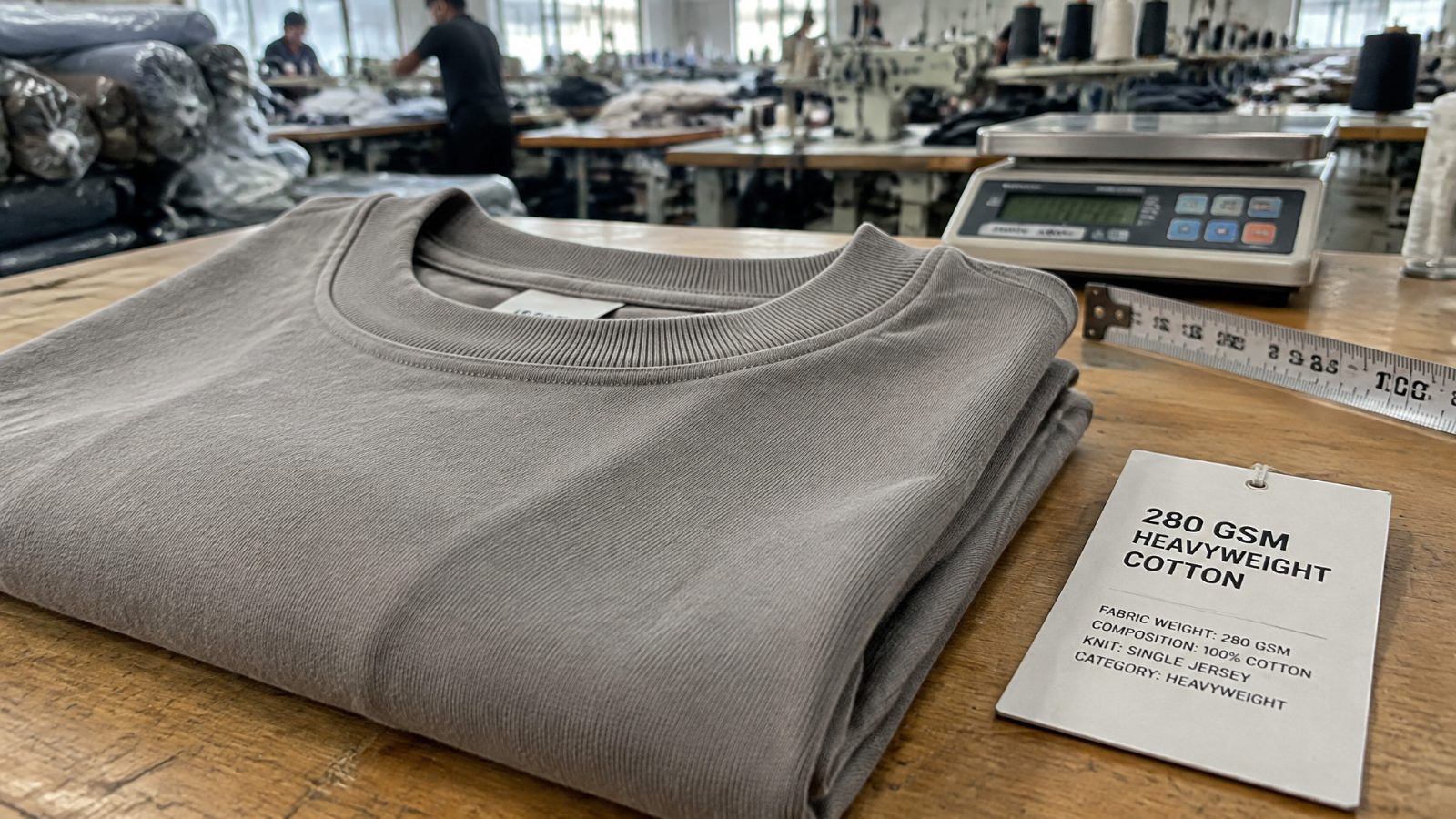
Choosing the right GSM is not merely a matter of preference but also of strategic design planning. Evaluate the garment's intended end-use—consider factors like wear frequency and environmental conditions. By understanding GSM numbers, buyers can make informed decisions that align with their brand objectives and consumer desires.
Dissecting GSM: Measurement and Influence
When evaluating the GSM (grams per square meter) of heavyweight T-shirts, ASTM D3776 provides the standard methodology for accurate measurement. This precision ensures that buyers can make informed decisions based on reliable data. GSM is not just a matter of weight; it is influenced by multiple variables including the weave and fiber type.
The type of yarn used, for instance, plays a crucial role in determining both the GSM and the texture of the fabric. Combed and ring-spun yarns are known for their smooth and strong characteristics which improve the hand-feel and durability of the textile. For heavyweight fabrics, higher GSM values are typically achieved with these yarn types, offering a better balance of thickness and softness.
Yarn and GSM Impact Characteristics
| Yarn Type | GSM Impact | Texture Influence |
|---|---|---|
| Combed Cotton | Higher GSM | Smooth, Soft Hand-feel |
| Ring-Spun Cotton | Enhanced Thickness | Fine, Durable Texture |
| Open-End Cotton | Lower GSM | Coarse, Less Softness Over Time |
| Polyester Blend | Lightweight Option | Varied Textures, Quick Drying |
Beyond the inherent characteristics of the yarn, factors such as shrinkage, washing, and finishing processes can significantly alter GSM values. Shrinkage, often rectified by pre-shrinking treatments, can affect the fabric's final dimensions and thereby its weight per unit area. Techniques like enzyme washing and other finishing treatments further refine the texture and appearance of the fabric while maintaining dimensional stability.
Understanding these influences allows buyers to choose materials that not only meet the desired GSM specifications but also align with their brand’s tactile expectations and durability needs. To ensure a more predictable product performance, it is advisable for buyers to specify GSM and finishing details clearly in their development briefs to their suppliers, aligning with brand ethos and consumer expectations.
The Overlooked Number: Dimensional Stability
Dimensional stability is an often overlooked yet crucial factor when evaluating GSM for heavyweight T-shirts. A garment's ability to retain its original dimensions after laundering is essential, especially for those containing heavyweight fabrics ranging from 220 to 300 GSM. This stability is critical because heavy fabrics are more susceptible to shape distortion during wash cycles.
Understanding the AATCC 135 test for shrinkage is fundamental in controlling this aspect. This test measures the dimensional changes a fabric undergoes during washing and drying. Buyers should ensure that manufacturers follow a standardized process to keep shrinkage within acceptable limits, preserving the desired fit and appearance.
For accurate GSM retention, it's advisable to consider pre-shrinking processes. Without it, high GSM textiles, like heavyweight T-shirts, are prone to disproportionate shrinkage, affecting their durability and perceived quality. Predictive control over garment dimensions can directly impact the end user's satisfaction with fit and sizing post-purchase.
Finishing processes, such as enzyme washing, play a vital role in maintaining dimensional stability. Enzyme washing softens the fabric and reduces pilling while relaxing the fibers, leading to a more stable fabric during subsequent washes. This technique enhances the texture and drape of heavyweight T-shirts without compromising their structural integrity.
Testing for Dimensional Stability
| Test Method | Purpose | Outcome Bias |
|---|---|---|
| AATCC 135 | Measures fabric shrinkage | Accurate prediction of size changes |
| ISO equivalent | Provides an international benchmark | Consistent global standards |
| Mock launders | Simulates user's laundry conditions | Real-world performance validation |
| Enzyme wash | Relaxes fibers for dimension control | Improved hand-feel, minimal shrinkage |
| Pre-shrinking | Reduces shrinkage in final product | Accurate final sizing post-wash |
Buyers should ensure that these stability measures are considered during the GSM evaluation process to help heavyweight T-shirts retain their desirable qualities — durability, opacity, and comfort — providing dependable performance after repeated use.
Reading the Supplier's Data Sheet
When sourcing heavyweight T-shirts, reading a supplier's data sheet is essential for making informed decisions. Start by identifying core details such as garment specifications, particularly the GSM and fabric type. These details provide the foundational understanding of what the fabric offers in terms of weight and feel. Typically, you will find GSM figures ranging from 220 to 300, indicating a fabric suitable for heavyweight T-shirts.
Confirming the GSM is crucial because it correlates with fabric opacity and durability, which directly affects the end product's quality. Verifying the fabric type—whether it's 100% cotton or a blend—ensures you are getting the specific hand-feel and performance characteristics necessary for your design goals. Look for specific terms like "combed cotton" or "ring-spun" which indicate higher quality threads that contribute to a softer and more durable fabric.
Pay close attention to finishing processes listed on the data sheet. Elements like enzyme washing or pre-shrunk treatments indicate steps taken to enhance fabric feel and maintain dimensional stability. These processes affect not only shrinkage rates but also the long-term appearance of the garment after repetitive wash cycles. Problems like excessive shrinkage can plague heavyweight shirts if not properly accounted for, which makes understanding these details vital.
Discrepancies or missing information on a data sheet can be red flags. A reputable supplier will provide comprehensive data, including ASTM D3776-compliant GSM figures and AATCC 135-tested shrinkage information. If these numbers are absent, it may signal a lack of transparency or quality control issues. Additionally, look for signs of consistency across data sheets, which can indicate a reliable supply chain.
As a buyer, understanding these elements helps you spot inconsistencies and make more accurate comparisons between suppliers. Crafting your sourcing decisions with these insights can help avoid selecting the wrong fabric, which can ultimately affect your brand's reputation. For those deciding on fabric colors, exploring options like those in SALATI's Oversized and Heavyweight T-Shirts: Choice of Fabric Colors can complement your evaluations of GSM and fabric specifications.
Weighing GSM Against Other Factors
Grams per square meter (GSM) remains a significant metric for heavy-weight T-shirts, often between 220 and 300 GSM. Still, it's crucial to understand that GSM alone doesn't define garment quality or suitability. A well-balanced approach considers factors beyond the sheer weight, such as garment fit and design expectations.
Fabric tactile quality, often referred to as 'handle,' serves an equally vital role as the GSM. The texture and softness of a fabric can significantly impact the comfort and overall appeal of the garment. For instance, the fabric's knit structure and yarn quality—such as whether the yarn is combed or uses a specific spinning method like ring-spinning—can dramatically affect its feel. A heavier fabric may feel stiffer, while a lighter fabric can often provide more drape, affecting both fit and comfort.
Moreover, understanding the interplay between GSM and yarn count or composition is essential. A higher yarn count may enhance the fabric's smoothness and durability, but it could also increase the garment's propensity for pilling. For example, using a lower count yarn with a higher GSM could result in a rougher fabric that is more resistant to wear but less pleasant to touch. The fabric composition, such as blending cotton with synthetic fibers, impacts weight distribution and feel, altering the wearer's experience.
Cost considerations also come into play with higher GSM selections. Heavyweight fabrics often mean increased base material costs and potentially higher freight charges due to the added weight. For brands, this escalates both production expenses and final retail pricing. Striking a balance between the right GSM and other desired fabric properties—like breathability and stretch—can help mitigate these expenses.
When evaluating GSM, it's essential to consider all these elements in harmony—each factor playing a part in determining the best application for the intended garment style and use. By assessing GSM alongside yarn properties, fabric composition, and garment fit, manufacturers and buyers can craft clothing that aligns with their aesthetic and functional requirements.
Common Mistakes in Evaluating GSM
Misconceptions surrounding GSM are prevalent in the apparel industry, particularly when equating it strictly with fabric quality. Many buyers mistakenly believe that a higher GSM number inherently signifies superior quality, without considering other pivotal factors. GSM, which stands for grams per square meter, merely represents the fabric's weight. While it's an important metric, it doesn't account for critical qualitative aspects such as the yarn quality or the resultant hand-feel of the fabric.
Yarn Quality vs. GSM: The quality of yarn used in producing heavyweight T-shirts can dramatically affect the overall garment quality. For instance, combed cotton yarn, known for its softness and strength, can make a substantial difference in fabric feel and appearance compared to open-end yarns, even if both fabrics share the same GSM. Combed cotton is smoother and has fewer impurities, providing a finer texture that GSM alone cannot reflect. Thus, ignoring yarn quality can lead to misguided conclusions about fabric performance.
Overlooking Post-Processing Effects: Post-processing effects, particularly shrinkage, play a significant role in the perceived quality and GSM of a fabric. Buyers need to be aware that the GSM measured post-wash can differ from pre-wash values due to shrinkage. Standards like AATCC 135 for shrinkage testing emphasize the need to consider this factor. A fabric that appears to meet the GSM requirements initially may shrink significantly during washing, altering its weight and fit.
Material Costs and GSM: Another commonly forgotten aspect is how higher GSM affects material costs. It's natural to assume that opting for a thicker fabric directly translates to higher durability. However, as GSM increases, so does the fabric usage, which can lead to increased costs. Heavy fabrics are bulkier, contributing to higher shipping fees and elevated production costs, not to mention the potential for stiffer wear if not correctly managed. Buyers should carefully evaluate these trade-offs, considering both financial and functional perspectives.
Ultimately, equating GSM with quality is an oversimplification that can lead to costly and unsatisfactory sourcing decisions. Comprehensive evaluations that include yarn quality, post-processing behaviors, and cost implications are crucial for aligning fabric selection with true performance and budgetary goals.
Beyond GSM: The Bigger Picture for Buyers
When sourcing fabric for heavyweight T-shirts, buyers often need to look beyond the GSM figure, considering factors like cost, aesthetics, and performance. GSM, or grams per square meter, provides a basic indication of fabric weight and density, but the full picture includes how the fabric will interact with design choices, end-use environments, and customer expectations.

One crucial consideration is cost. A higher GSM fabric, while offering more durability and opacity, tends to increase fabric consumption per garment, thus driving up costs both in material and shipping. Buyers must weigh this against the potential premium price they can charge consumers, who value heavier garments for their quality and feel.
Aesthetically, the GSM of a fabric influences not only how a garment feels but how it drapes and appears. For example, a fabric that measures 250 GSM might give a T-shirt a substantial, structured silhouette, ideal for streetwear brands where a boxy, robust look is desirable. Alternatively, lighter GSM fabrics may appeal to designers looking for a softer, more fluid aesthetic.
Performance-wise, the interplay between GSM and garment design can significantly impact user satisfaction. Heavier fabrics often equate to increased durability, ideal for activewear or outdoor apparel. Designers might use 280–300 GSM fabrics to create a resilient T-shirt that withstands frequent washing and wearing, providing longer lifespan and value to end-users.
A case in point would be a brand designing a line of oversized T-shirts for a summer collection. Selecting a GSM in the lower end of the heavyweight range (around 220 GSM) can achieve the desired fit and feel without compromising user comfort in warm weather. Here, the design intent intelligently uses GSM as a tool to balance appearance and functional comfort.
The symbiotic relationship between GSM, design, and buyer priorities requires a nuanced understanding. Instead of simply opting for a higher GSM, successful fabric sourcing involves considering how these numbers align with overall design objectives and consumer needs.
When It's Not Just About the Numbers
Choosing heavyweight T-shirts isn't solely a numbers game focused on GSM. While grams per square meter (GSM) provide a quantifiable measure of fabric weight, several scenarios where GSM may take a back seat are crucial for making informed decisions. Environmental factors, sustainability efforts, and brand messaging drive many purchasing decisions.
Environmental Factors and Wearing Conditions
Consider the intended climate and wearing environment when evaluating fabric options. In hot and humid conditions, T-shirts made from recycled materials may offer increased breathability and cooling beyond what GSM alone can measure. This attribute becomes increasingly important in regions such as southern U.S. states during the summer months, where comfort often supersedes weight.
Sustainability and Recycled Materials
Sustainable practices have gained traction, prompting brands to consider recycled materials' role in their T-shirt collections. Using Global Recycle Standard (GRS) certified fabrics certifies the recycled content of fabrics, aligning with eco-conscious objectives. Buyers frequently prioritize the source and production methods over mere weight, seeking partnerships with suppliers who share these values.
Influences of Brand Ethos and Customer Expectations
A brand's message and consumer expectations can have a pronounced impact on material selection. Some brands might emphasize the story behind the materials rather than focusing exclusively on GSM figures. For instance, those targeting eco-conscious consumers might lean towards organic or Fair Trade materials, even if those fabrics come with a slightly lower GSM. This emphasis on narrative over numerical data reflects not just in marketing but also in the materials that align with the brand's identity.
Ultimately, holistic decision-making in selecting heavyweight T-shirts requires understanding the brand's or buyer's priorities beyond simple numerical measures. Factors such as climate adaptability, sustainable sourcing, and adherence to a company's core values enable brands to differentiate themselves in the saturated apparel market. Evaluating these conditions ensures that the final product resonates authentically with the end consumer while maintaining practical functionality.
Specs and Expectations for Sourcing Decisions
Balancing numerical data with subjective priorities is key in sourcing heavyweight T-shirts. While GSM provides a clear metric, it must align with your design intent and customer expectations. For example, higher GSM can affect the stretch and recovery of fabrics, influencing fit and comfort. Collaborate with suppliers to adjust specifications and focus on end-use qualities such as drape or texture. Refine the fabric choices by considering GSM in conjunction with fabric composition and finish, ensuring appropriate stretch and durability. Ultimately, evaluate samples and partner with suppliers that accommodate precise specification adjustments.
FAQ: Evaluating GSM of Heavyweight T-Shirts
What does GSM mean for fabric quality?
GSM stands for grams per square meter, measuring fabric's weight and density. While a higher GSM generally indicates a sturdier fabric, it's not the sole factor determining quality. Factors like yarn quality and finishing processes also play crucial roles.
How can I ensure my heavyweight T-shirts maintain their GSM post-purchase?
To retain GSM, select pre-shrunk fabrics tested per AATCC 135 for shrinkage. It's advisable to inquire with your supplier about finishing processes that stabilize performance and prevent dimensional changes after washing.
What's the downside of selecting a higher GSM fabric?
Higher GSM fabrics are more robust but increase material cost and garment weight. This may affect shipping costs and consumer comfort, especially in warmer climates. It's vital to strike a balance based on end-use context.