Heavyweight T-shirts are often defined by their fabric weight, typically ranging from 220 to 300 GSM. This metric, known as Grams per Square Meter (GSM), significantly influences the shirt's feel, drape, and durability. Understanding this makes all the difference when choosing a product that aligns with your brand's identity. Buyers need to look beyond numerical descriptions; the yarn count, type of weaving, and construction also play crucial roles. For instance, a 12s yarn count may create a coarser texture compared to a 21s count. Moreover, not all heavyweight T-shirts perform equally under washing conditions. Confirming shrinkage rates with standards like AATCC TM135 can prevent unpleasant surprises post-laundering. Understanding these factors helps brands ensure product consistency and customer satisfaction, saving you from costly errors down the line. The following sections guide you through these critical components for sourcing heavyweight T-shirts effectively.
Crucial Metrics in Heavyweight T-Shirts
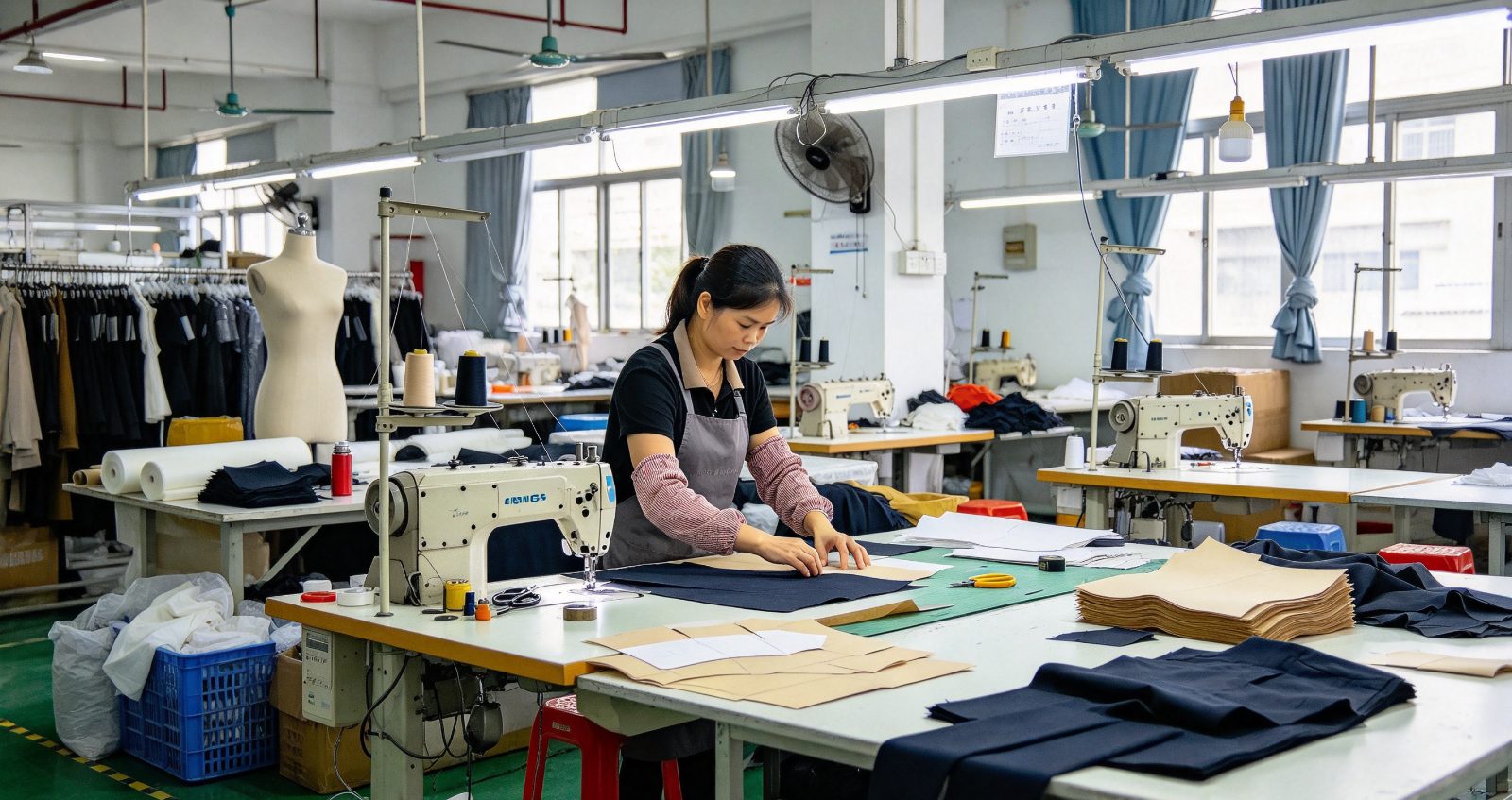
Heavyweight T-shirts are primarily defined by a fabric weight ranging from 220 to 300 GSM. This weight is a principal indicator used worldwide and adheres to the measurement method outlined in ASTM D3776/D3776M-20, which calculates the mass per unit area of the fabric. A higher GSM suggests a thicker, denser fabric, often sought for its durability and firmer drape. It's important to remember that GSM alone does not determine quality, and buyers should consider the construction and material composition alongside these figures.
Yarn count plays a significant role in a heavyweight T-shirt's feel and durability. A typical heavyweight shirt might use yarn counts between 16s and 21s, striking a balance between texture and strength. This range is crafted to provide a robust yet comfortable garment. Coarser yarns, such as 16s, tend to produce a thicker, more stable fabric, while finer yarns, like 21s, yield a slightly softer texture. Consequently, understanding yarn count is essential when sourcing T-shirts designed for specific performance characteristics.
One misconception is equating heavyweight with superior quality. Heavyweight options may sometimes bring undesirable properties such as stiffness or less flexibility. Therefore, while GSM and yarn count are critical metrics, factors like material type—whether it's open-end or compact cotton—significantly influence the final fabric quality. Lightweight combed cotton, for example, offers a softer touch compared to its open-end counterparts, often resulting in a garment that is both comfortable and resilient under frequent wear.
To ensure the selected T-shirts meet expectations, buyers are advised to inspect construction quality and material composition against supplier specifications. GSM should be seen as part of a comprehensive evaluation that includes Oversized and heavyweight T-shirts with consideration of garment construction techniques as key.
Fabric GSM vs Yarn Count
| GSM Range | Yarn Count | Impact on Texture | Durability |
|---|---|---|---|
| 220–240 | 18s–21s | Softer, less structured | Moderate |
| 240–260 | 16s–18s | Balanced texture | Enhanced |
| 260–280 | 14s–18s | Firmer handle, structured | High |
| 280–300 | 12s–16s | Thicker, dense | Very high |
Ultimately, understanding how GSM and yarn count interplay with fabric composition allows buyers to make informed decisions, ensuring that the garments align with brand expectations and consumer needs. By considering these metrics thoughtfully, buyers can avoid common pitfalls that arise from oversimplifying the measurement processes, maintaining both the aesthetic and functional quality of the T-shirts they source.
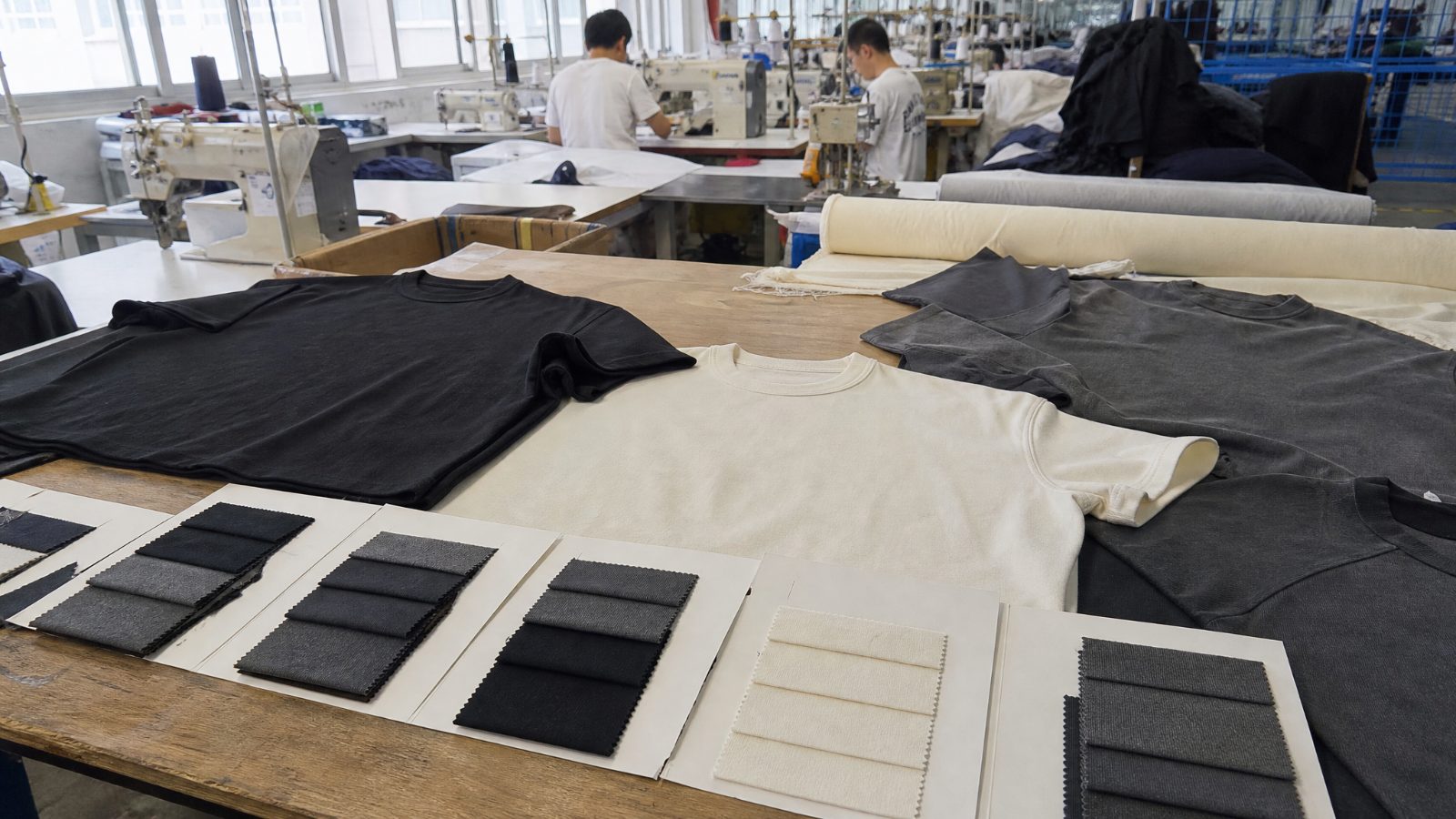
Metrics Breakdown: GSM and Yarn Count
Understanding the metrics of GSM and yarn count in heavyweight T-shirts can be the difference between creating a garment that not only looks good but feels great and performs well over time.
GSM: Fabric Density in Focus
GSM, or grams per square meter, measures the weight and density of a fabric. According to ASTM D3776/D3776M-20, this metric involves evaluating the mass per unit area of the fabric, directly influencing the shirt's heft and drape. For heavyweight T-shirts, the GSM typically ranges from 220 to 300, with higher numbers indicating denser materials. A fabric with a GSM at the upper range feels more substantial when worn, contributing to a thicker, more robust shirt that offers durability and warmth—an essential trait for streetwear and casualwear brands seeking a lasting impression on consumers.
Yarn Count: Determining Fineness
Yarn count is another critical metric, reflecting the thickness or fineness of the yarn used in the fabric. For heavyweight T-shirts, yarn counts usually range from 16s to 21s, with numbers indicating how fine or coarse the yarn is—the smaller the number, the thicker the yarn. This thickness can directly impact the surface texture, where a coarser yarn might lend a rugged feel, while a finer yarn would provide a smoother touch. Balancing GSM with yarn count is crucial for achieving the desired garment feel without compromising on functionality or comfort.
Combed vs. Open-End Spinning
The method of spinning, like whether the fabric is combed or open-end, greatly affects a T-shirt’s tactile qualities and durability. Combed yarns are smoother and stronger as they are treated to remove short fibers and impurities, resulting in a softer and more durable fabric. In contrast, open-end yarns are produced faster and at a lower cost but may be less uniform and slightly rougher, affecting the feel and appearance of the final garment. The choice between these spinning processes can influence surface behavior, like how the shirt conforms to the body or interacts with external treatments like printing.
Synergy of GSM and Yarn Count
The interplay between GSM and yarn count dictates much of the shirt’s weight and behavior. A high GSM paired with a precise, suitable yarn count ensures strength and structure without a coarse feel. This synergy helps brands achieve a T-shirt that aligns with the intended wear experience, whether it signifies a heavy-duty ribbed texture or a more refined, softer finish ideal for layering. It’s this balance that gives heavyweight T-shirts their versatility in different market segments while maintaining performance expectations.
Overall, knowing how GSM and yarn count guidelines influence fabric choice will empower buyers to make informed decisions, precisely tailoring their garment specifications to their customer’s needs.
Overlooked Details in Fabric Selection
When selecting heavyweight T-shirts, one often overlooked aspect is shrinkage behavior. Shrinkage can dramatically impact the final fit of a T-shirt, with potential tightening after washing. For accurate assessment, this behavior should be evaluated according to the AATCC TM135 standard, which measures dimensional changes in fabrics after home laundering. This test not only checks for linear shrinkage but also sets the stage for understanding how a garment will adapt over time.
Shrinking isn't just a minor inconvenience; it can alter the intended fit and size of the T-shirt. A shirt starting at a specific size may no longer match customer expectations after the first wash. The challenge lies in the fact that heavyweight fabrics, given their dense structure, may shrink differently compared to lighter fabrics. By employing a structured wash test like AATCC TM135, buyers can anticipate these changes and select materials that meet more stringent post-wash dimensional requirements, ensuring that the garment retains its expected size and shape.
Another equally important factor is colorfastness to laundering. This element is critical for retaining the aesthetic component of the T-shirt over time. AATCC standards, specifically TM8, TM15, and TM16.3, provide methods to test for colorfastness against various conditions such as washing, perspiration, and exposure to light. These tests are indispensable for confirming that the dye remains firmly locked to the fibers, avoiding discoloration or fading that could misrepresent your brand's image.
A garment’s wearability post-laundering is largely influenced by these overlooked factors. It's not just about the initial appearance on the rack; the ability of a heavyweight T-shirt to maintain its form, hue, and texture after repeated washes dictates its longevity and value to the consumer. With the right attention to these testing standards and protocols, a brand can offer garments that reliably hold their intended quality after numerous launders, fitting perfectly into a sustainable and consumer-friendly business approach.
Fabric selection for heavyweight T-shirts thus demands thorough scrutiny of these seemingly minor details, which are anything but trivial in impacting overall garment quality.
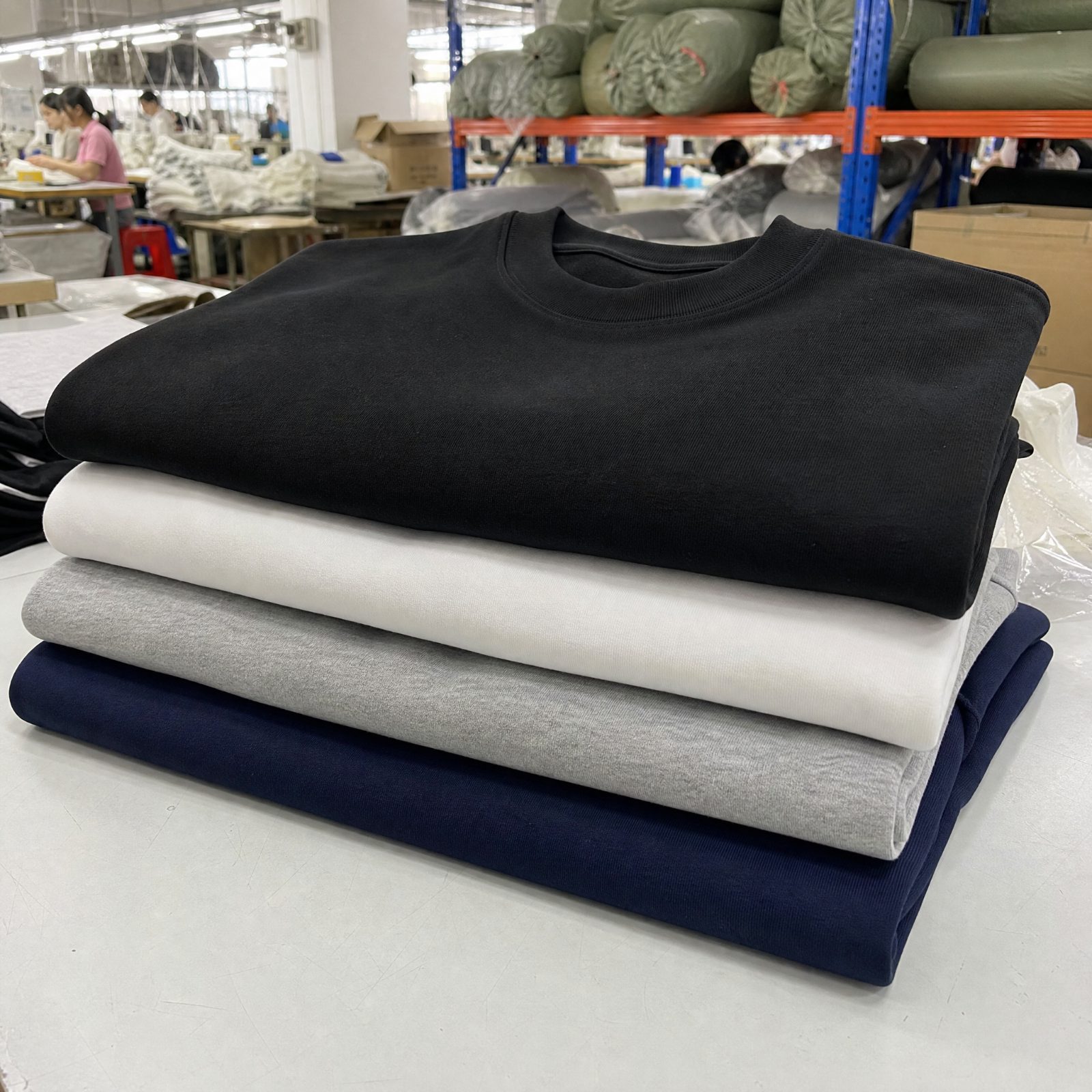
While GSM and yarn count often dominate discussions and decisions, these specific quality assurances ensure that the chosen fabric does not just meet weight specifications but also withstands everyday use and care, reflecting the brand’s promise of quality.
Decoding Supplier Data Sheets
Understanding a supplier's data sheet is crucial when sourcing heavyweight T-shirts. At the forefront is the fabric's grams per square meter (GSM) and its tolerance. A supplier's data sheet must explicitly state GSM values and acceptable tolerances—typically between ±5% to ±10%. Neglecting to verify this could lead to receiving fabric that feels more like a lightweight tee than the intended sturdy heavy-duty option. Given the potential variability, it’s wise for buyers to get these specifics confirmed before proceeding.
In addition to GSM, yarn type and count provide insight into the overall quality and feel of the fabric. For heavyweight T-shirts, it’s typical to encounter yarn counts ranging from 16s to 21s, which helps determine the texture and strength of the garment. Yarn type—whether combed or open-end—impacts surface finish and wearability. Combed cotton offers a softer, smoother fabric ideal for high-end garments, while open-end yarns might suit rougher, more casual looks. Be sure the data sheet lists these details clearly.
Another non-negotiable aspect is compliance with relevant standards, such as the ASTM D6321/D6321M-14, which pertains to machine washability and evaluates how well T-shirts withstand repeated wash cycles. Confirm that the data sheet includes test results verifying compliance with this, as the garment’s durability and color fastness heavily influence user satisfaction. Look for any wash test results that align with these standards; they'll offer a forecast of the shirt's performance in real-world conditions.
Beyond these primary metrics, a thorough data sheet should also include wash test results that confirm expected garment performance over time. Tests following AATCC TM135 standards, for example, ensure that shrinkage control is adequate, maintaining fabric integrity and sizing. Without such assurances, you might end up with T-shirts that do not meet quality expectations post-washing.
Key Elements of a Supplier Data Sheet
| Property | Typical Value | Why it Matters |
|---|---|---|
| Fabric GSM | 240-280 GSM | Indicates fabric density and weight |
| Tolerance | ±5% – ±10% | Ensures consistency within acceptable variance |
| Yarn Count | 16s – 21s | Affects texture, strength, and hand feel |
| Wash Test Standard | ASTM D6321/D6321M-14 | Validates fabric performance and wash durability |
| Yarn Type | Combed or Open-End | Influences softness and fabric surface |
Deciphering these data sheet details is crucial, especially for first-time buyers navigating the textured landscape of heavyweight T-shirt procurement. For those new to the process, checking out resources tailored to Oversized and heavyweight T-shirts for first-time importers can provide a practical starting point. This diligence ensures the purchased fabric meets the project's quality standards and the brand's identity.
Importance of Testing Print and Dye Compatibility
Print and dye compatibility are critical factors when selecting heavyweight T-shirts, as neglecting these can lead to substantial quality issues during production. One of the main concerns is adhesion failure, where prints do not adequately bond with the fabric surface, leading to peeling or fading. This issue can occur if the ink and dye used for printing are not suitable for the specific fabric composition, such as heavyweight cotton blends. Ensuring compatibility means confirming that the print materials work well under the intended use conditions, maintaining durability and appearance over time.
Another significant issue arising from poor print compatibility is puckering, a condition where the fabric bunches up around the printed areas. This typically happens when the tension between the print materials and the fabric is incompatible. For example, heavyweight T-shirts made from dense cotton fabrics require prints that can relax and move with the fabric without causing distortion. It’s essential to choose inks that adhere uniformly without altering the garment’s structural integrity.
The ASTM standards provide robust guidelines for evaluating print adhesion and durability on fabrics. Specifically, ASTM D6321/D6321M-14 outlines methods for assessing the performance of machine washable T-shirts, including how prints and dyes will hold up during washing cycles. Applying these test methods allows buyers to predict how prints will behave under real-world conditions, providing a reliable measure of long-term print quality.
Always test decoration on the intended fabric before committing to large-scale production. Conducting tests using the actual fabric ensures the selected prints do not only look good in swatches but also perform well on the garment itself. This approach minimizes risks associated with costly production errors, such as excessive shrinkage impacting print area placement.
For brand campaigns, as seen with Oversized and Heavyweight T-Shirts for Promotional Campaigns, testing on the actual garment assists in aligning the visual outcome with brand expectations. These tests can simulate different environmental conditions and laundering processes, ensuring the selected print and dye systems work effectively.
In summary, understanding and verifying print and dye compatibility are fundamental steps in the production process of heavyweight T-shirts. By following industry-standard testing protocols and assessing the actual fabric under intended use conditions, buyers can ensure the quality and longevity of their branded apparel, ultimately safeguarding their investment against common print-related pitfalls.
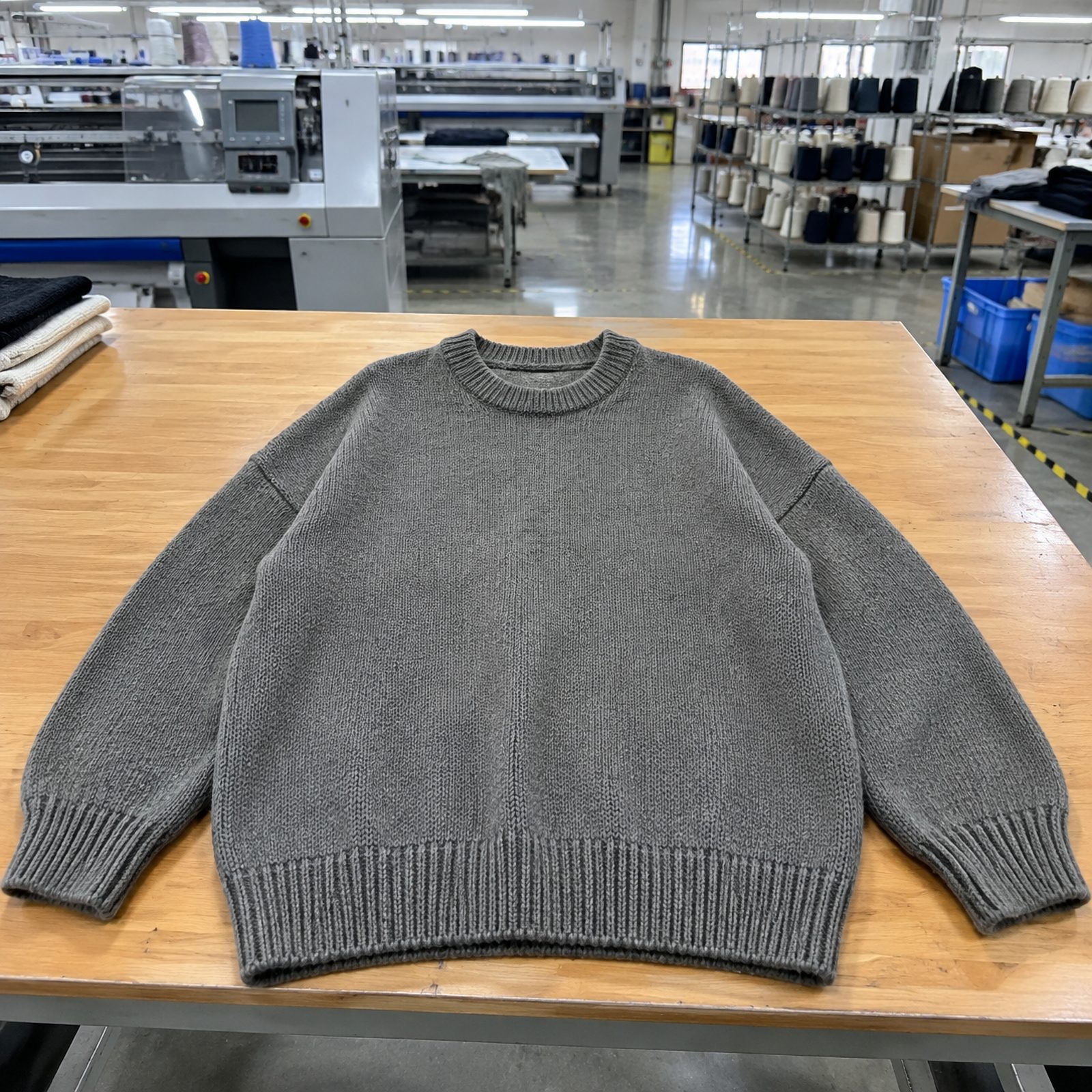
Evaluating Fit and Construction Techniques
When selecting heavyweight T-shirts, understanding the interplay between fit and construction techniques is pivotal. The construction of a garment influences not only its aesthetic and durability but also its overall wearability. Heavyweight T-shirts commonly employ different knit techniques, such as jersey or ribbing, which affect how the material stretches and conforms to the body. The nature of these techniques can significantly influence the drape and fit of the T-shirt.
Knit techniques like jersey are popular in heavyweight T-shirt manufacturing. Jersey, characterized by its smooth and flat surface with a single knit pattern, allows for a more relaxed fit. This is contrasted by rib knits, which are typically used for cuffs and collars, offering enhanced elasticity and a firmer hold. The selection of knit pattern directly correlates with the shirt's intended fit and its ability to maintain shape under frequent wear.
The construction also extends to seam types and stitching quality, which dictate the garment's durability and comfort. For instance, flatlock seams are often utilized in athletic and casual wear for their strength and unobtrusive finish, reducing potential chafing. In contrast, overlock stitches, commonly seen in T-shirts, provide cost-effective seam finishes with adequate stretch and durability. The choice and execution of seam types impact not only the aesthetic appeal but also the functional aspect, determining how the fabric lays against the body.
Construction Techniques and Their Effects
| Technique | Outcome on Garment | Why It Matters |
|---|---|---|
| Jersey Knit | Smooth, flat appearance; relaxed fit | Offers a comfortable, everyday wear style |
| Rib Knit | Elasticized edges; firm hold | Provides structure; retains shape in cuffs and collars |
| Flatlock Seams | Smooth, flat seam finish | Reduces irritation from seams, enhancing comfort |
| Overlock Stitches | Stretchable, durable seams | Ensures cost-effective manufacturing without sacrificing quality |
| Double Needle | Reinforced edges, high durability | Essential for long-lasting wear and added strength |
Evaluating these garments in real-life scenarios is essential for verifying fit. Consider how the T-shirt behaves when washed and worn repeatedly, recognizing that heavyweight fabrics might feel more structured but can become softer over time. This evaluation should take into account not only how the garment appears on a hanger but how it fits into everyday activities. This hands-on review can help assess the resilience of seams and the ability of the fabric to retain shape, offering buyers a clear picture of the T-shirt's long-term performance. By focusing on these details, buyers can better align their purchase with their desired garment experience.
Taking the Next Step in Specification
Understanding how every aspect you choose can transform the final product is essential. Before placing an order, scrutinize every measurement to avoid common sourcing mistakes, such as neglecting shrinkage or colorfastness, both of which profoundly impact garment appearance and fit. Extend your initiative for superior quality by sending your sample or drawing to receive tailored advice from experts who understand the nuances of heavyweight T-shirt production.
Frequently Asked Questions About Heavyweight T-Shirts
What GSM range is considered heavyweight for T-shirts?
Heavyweight T-shirts typically range from 220 to 300 GSM. This measurement indicates the fabric’s density, affecting its durability and feel. The choice should be based on the desired handfeel and expected wear conditions.
How can I ensure colorfastness in my T-shirts?
It is advisable to ensure print and dye compatibility before bulk production to maintain colorfastness. Standards like AATCC TM8 help ensure that the fabric maintains its color with washing and exposure. Always verify with sample testing to predict how the final garment will perform.
Why is yarn count important in heavyweight T-shirts?
Yarn count affects both the texture and weight of the T-shirt. A lower count like 12s can result in a coarser texture, while a higher count such as 21s produces a finer surface. Select based on the tactile experience you want.