Fabric weight, thread count, and fiber composition are the trifecta in choosing the right material for custom hoodies. Heavyweight fabric usually denotes 280–380 g/m², affecting warmth and durability, while thread count like ASTM D3775 ensures texture and comfort. Fiber analysis per AATCC 20 can prevent the surprise of unwanted shrinkage. Missteps in these parameters often lead to disappointing results after laundering or wearing. Key compliance tests, such as those for colorfastness and garment shrinkage (like AATCC 135/150), not only affect appearance but also cost-efficiency in production. When selecting a fabric, clear specifications not only reduce trial and error but also streamline production timelines. It is advisable to ensure that your supplier follows these measures to meet quality benchmarks and expectations in every wear.
The Handful of Numbers That Decide This
In selecting materials for our custom hoodies, various critical metrics substantially influence the outcome. GSM (grams per square meter) plays a decisive role in fabric selection. Typically, heavier hoodies feature a GSM between 280–380, which affects the garment's warmth and sturdiness. A greater GSM usually means a thicker, cozier hoodie suitable for colder climates, whereas a lesser GSM might be more appropriate for milder weather.
The significance of thread count lies in its impact on the texture and endurance of the fabric. Utilizing ASTM D3775, thread count determines the number of threads per inch, affecting the fabric's smoothness and robustness. Generally, a higher thread count suggests a tighter weave, providing a silky feel and improved durability.
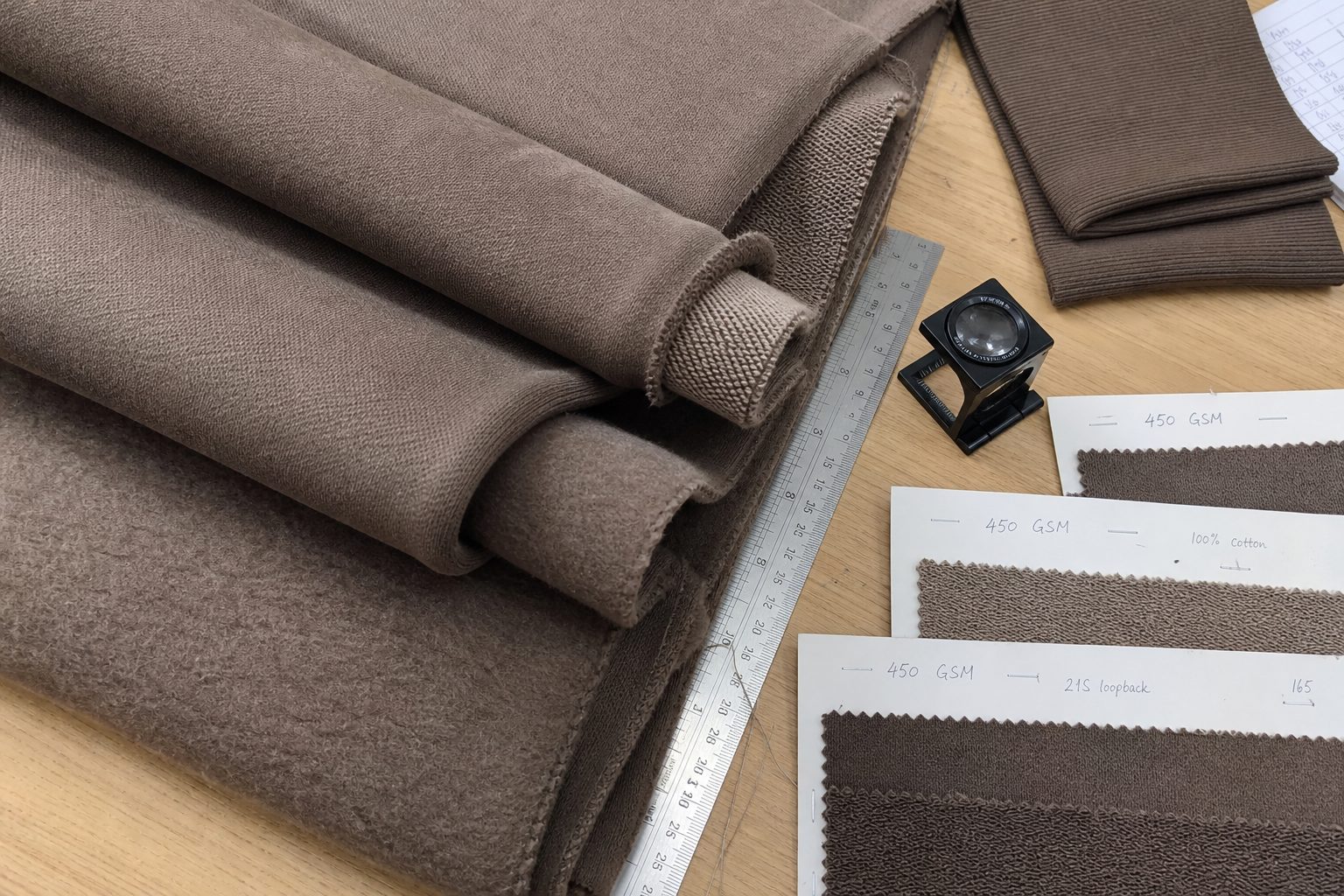
Fiber composition dictates both the stretchability and longevity of the material. Frequently preferred blends like polyester/cotton are selected for their comfort and resistance properties. Each blend has specific advantages: polyester contributes to durability, while cotton increases softness and airflow.
Attention to shrinkage percentage is critical, particularly after washing. Standards such as AATCC 135/150 allow for predictions regarding potential shrinkage, helping to maintain size consistency. Managing shrinkage effectively is essential to avoid size discrepancies post-wash, which could lead to customer disappointment.
Equally important are colorfastness measures like AATCC 61 that help maintain color vibrancy through multiple laundering cycles. Color performance is vital for brand image, as issues like fading can decrease product desirability. Testing against light and perspiration ensures a consistent appearance over time.
Key Fabric Properties for Hoodies
| Property | Typical Value | Why It Matters |
|---|---|---|
| Fabric Weight | 280–380 g/m² | Determines warmth and structure of the hoodie |
| Thread Count | As per ASTM D3775 standards | Affects fabric texture and strength |
| Fiber Composition | Polyester/Cotton blend | Balances elasticity and durability |
| Shrinkage | Based on AATCC 135/150 methods | Critical for post-laundering fit and stability |
| Colorfastness | Per AATCC 61 standards | Ensures vibrant colors, maintains brand perception |
Understanding the significance of these numerical values empowers customers to make informed decisions, ensuring requested specifications are observed when detailing their RFQs.
Understanding Fabric Weight and its Measurement
When selecting fabric for custom hoodies, understanding fabric weight, often referred to in grams per square meter (GSM), is essential. Hoodies in the heavier range of 280–380 g/m² are typically chosen for their balance of warmth and durability. According to ASTM D3776, GSM is precisely defined as the mass per unit area of fabric—providing a standardized way to quantify weight and evaluate different materials. This measurement not only influences the garment's feel but also its overall performance and suitability for certain designs.
Fabric Weight Comparison
| GSM Range | Common Uses | Garment Type |
|---|---|---|
| 280–320 | Lightweight hoodies | Spring/Autumn wear |
| 320–350 | Mid-weight hoodies | Versatile for various seasons |
| 350–380 | Heavy hoodies | Winter wear |
| >380 | Extra heavyweight hoodies | Extreme cold climates |
Heavyweight hoodies generally offer more insulation, making them suitable for cooler weather or as layering pieces. However, selecting the appropriate GSM without considering the intended use can lead to overly bulky designs or garments that fail to provide adequate warmth. It's crucial to request specific GSM figures in your specification sheet to avoid miscommunication with suppliers. For example, specifying a 320 GSM weight ensures consistency across production batches and eliminates ambiguity.
Requesting a specific GSM also helps manage fabric selection, particularly when considering variations such as knitted versus woven fabrics. While different suppliers might use varied terminologies for fabric types, focusing on the GSM standard fosters clearer communication.
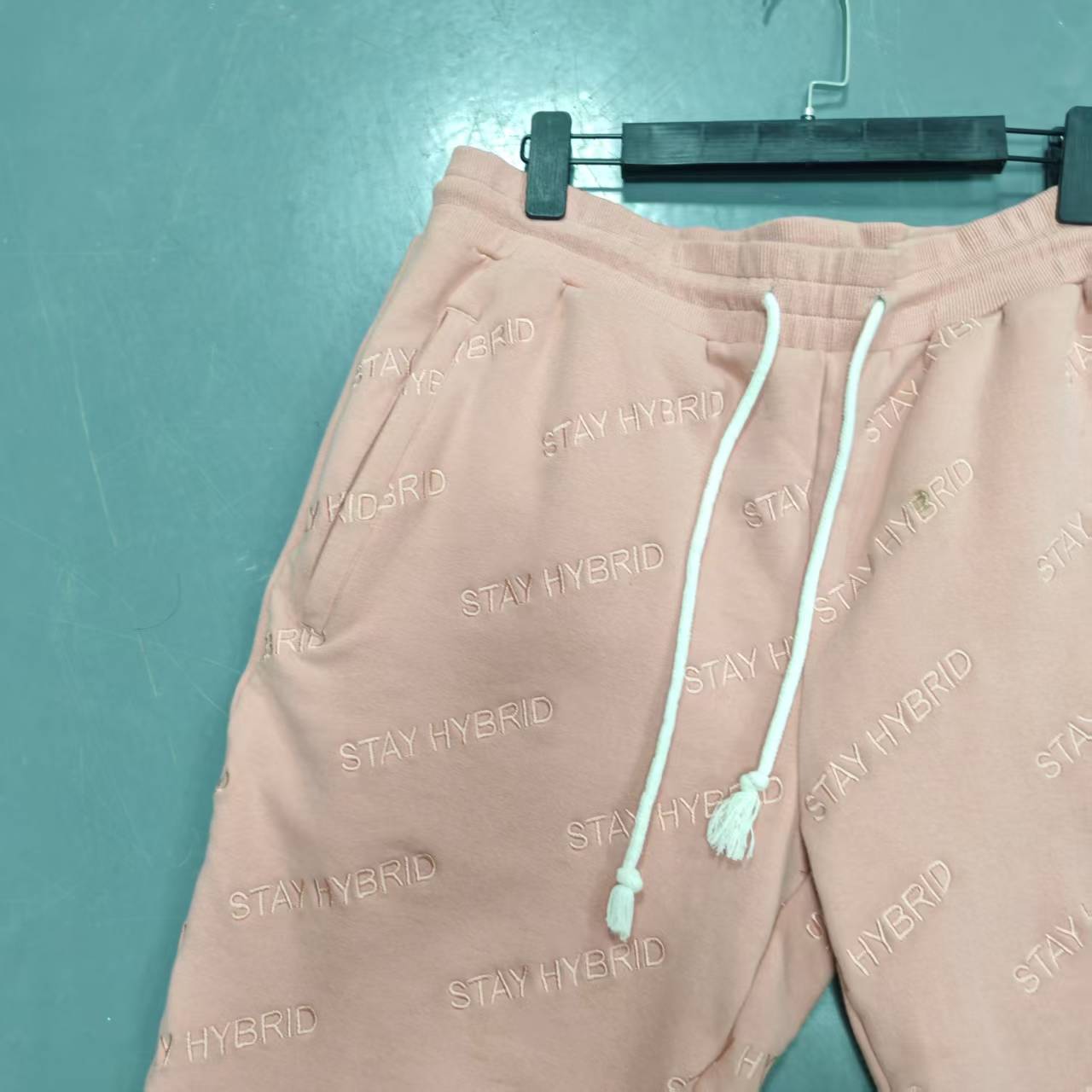
For more comprehensive insights, explore diverse fabric choices for oversized T-shirts, where GSM contrasts are similarly critical. By understanding how fabric weight functions within the material selection process, you can better align your hoodie design goals with material capabilities, ensuring that your garments meet both aesthetic and functional requirements.
Thread Count: The Impact on Feel and Strength
Thread count significantly influences both the feel and strength of hoodie fabrics, as specified by ASTM D3775, which sets the standard for measuring thread count in textiles. This standard provides a reliable method to ensure consistency and accuracy in determining how many threads weave into a square inch of fabric, impacting both tactile softness and structural integrity.
A higher thread count does not necessarily translate to better quality. While a higher count might suggest a smoother, finer texture, achieving such counts often involves using thinner threads, which can reduce strength and durability. This is crucial for hoodies, where the balance between softness and robustness is key. For instance, a mid-range thread count that optimizes for fabric resilience might be more suitable for daily wear compared to a high thread count that prioritizes softness but may lead to quicker wear and tear.
The feel of the fabric is inherently tied to thread count—lower counts could yield coarser fabrics, offering a rugged texture suitable for a distinct aesthetic or function. Conversely, a higher thread count tends to feel smoother and more luxurious, which can enhance the hoodie’s appeal for those prioritizing comfort. However, it's a common misconception that increasing thread count will significantly enhance quality; instead, it's about finding the right balance based on intended use and aesthetic preference.
Thread count also affects garment longevity. Fabrics with a balanced thread count are less likely to develop issues such as fraying or tearing, which extend the hoodie’s life span. Ensuring that the selected fabric meets the optimal thread count for its intended purpose helps prevent premature aging of the garment, aligning durability with the product lifecycle expectations. Brands seeking longevity must consider not just the number of threads but the significance of how they are woven together.
By understanding the true role of thread count, buyers can make more informed decisions, avoiding the pitfall of equating higher numbers with better quality while optimizing for the desired fabric performance and feel.
Fiber Composition Analysis: Getting the Blend Right
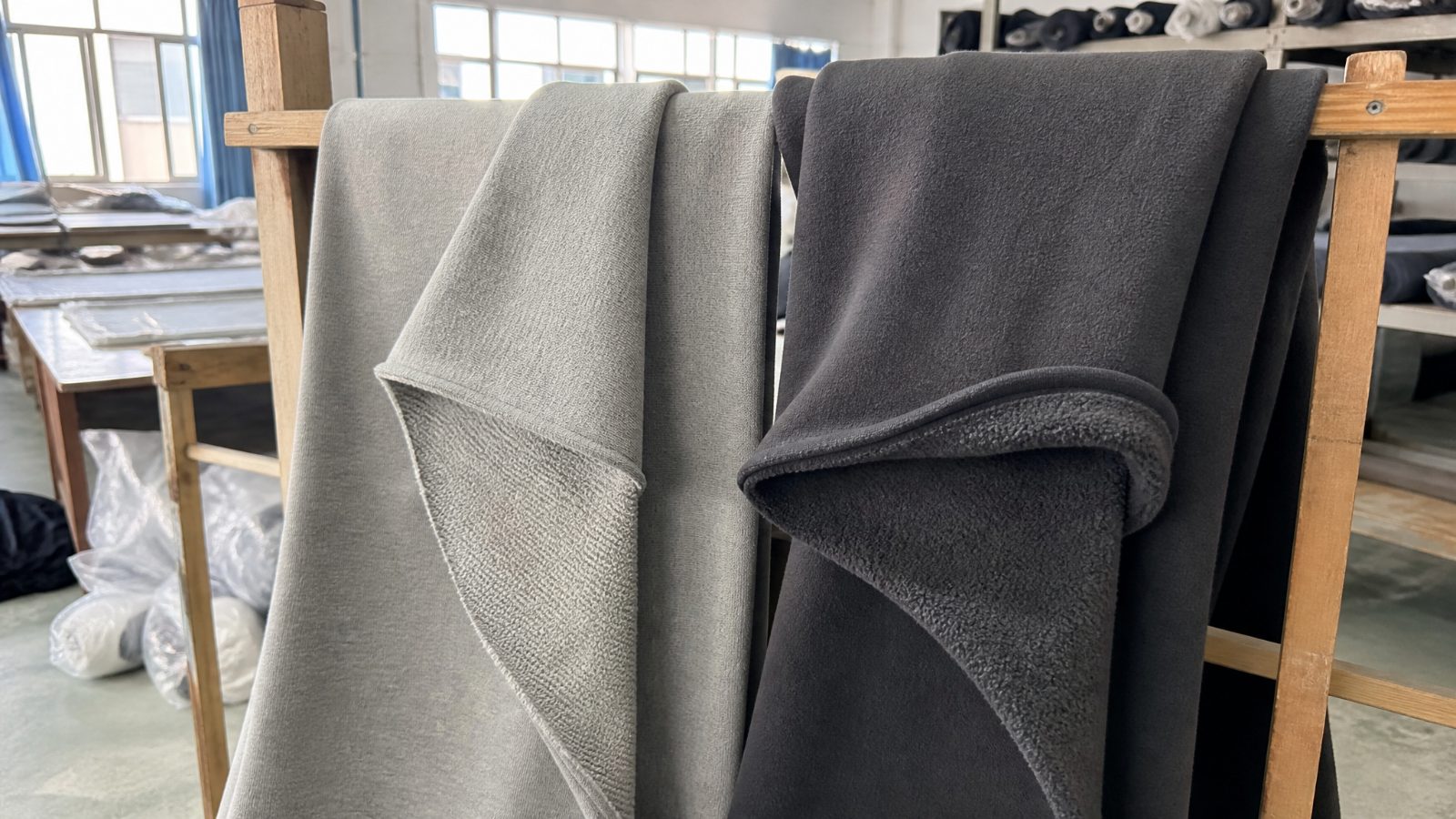
Fiber composition is a key factor in custom hoodie production, influencing both the elasticity and durability of the garments. The AATCC 20 standard allows manufacturers to assess fiber content accurately, ensuring that each blend meets the desired specifications. Typically, hoodies involve blends like polyester/cotton or various fleece variations, each serving a particular function in garment performance.
Choosing the right blend starts with understanding the demands of the specific hoodie design. For instance, polyester is often incorporated to boost durability and improve wrinkle resistance, while cotton is preferred for its softness and breathability. Variations in fleece, such as brushed or loopback structures, can further tailor the garment's hand feel and thermal properties. However, mix assessments are crucial; an inappropriate blend can compromise the garment's intended use.
Fleece hoodies, known for their warmth and softness, often leverage blends of polyester and cotton to optimize the balance between comfort and performance. For instance, a common practice is using 70% cotton and 30% polyester, which balances softness with the slightly more robust nature of polyester. This composition minimizes potential shrinkage and enhances the garment's longevity.
Missteps in selecting fiber blends can lead to practical issues such as reduced garment life or inferior comfort levels. Overlooking precise fiber content could lead to excessive shrinking or poor fit, impacting the hoodie’s usability over time. Buyers who fail to specify fiber composition in their request might end up with an inappropriate mix for their needs, causing delays and potential extra costs due to re-manufacturing.
To avoid such pitfalls, buyers should clearly specify both the exact fiber composition and the desired blend ratios in their technical packs or RFQs (Request for Quotation). This detailed specification becomes even more critical when aiming for a specific performance attribute, like elasticity in sportswear or durability in everyday wear. By doing so, manufacturers are better equipped to deliver the intended outcome without further unnecessary adjustments.
Ensuring the correct fiber composition not only aids in meeting performance expectations but also reinforces brand reputation through delivering quality and consistency in each garment batch.
Importance of Shrinkage in Hoodie Fabrics
Understanding shrinkage in hoodie fabrics is crucial because it directly impacts garment fit and longevity. AATCC 135 and AATCC 150 are the standard methods for predicting shrinkage behavior. These tests simulate typical home laundering conditions to assess how much a fabric may shrink when washed. It's crucial for buyers to request pre-wash tests to ensure fabrics maintain their dimensions after being made into hoodies. Without this step, there's a significant risk of garments distorting after the first wash, which can lead to customer dissatisfaction and returns.
One of the primary buyer concerns is dimensional stability after washing. Dimensional stability refers to the ability of a fabric to maintain its original dimensions despite external influences such as laundering. This involves both the length and width of the fabric. If a hoodie shrinks excessively, it may no longer fit as intended, causing problems for end-users and potentially harming the brand's reputation. Pre-wash testing helps to identify potential issues early in the development process, allowing for adjustments in pattern making or material selection.
Failing to test can lead to significant issues. For instance, a garment might fit perfectly before washing but become oddly shaped or too small afterward. Such results can tarnish a buyers’ market reputation. It's crucial for manufacturers to account for these changes, often adding allowances into their measurements to ensure the final product meets expectations even after washing.
Shrinkage Tolerances in Hoodie Fabrics
| Test Method | Tolerance (%) | Material Consideration |
|---|---|---|
| AATCC 135 | ±3 | Ideal for cotton blends with standard shrinkage |
| AATCC 150 | ±3 | Suitable for polyester fabrics with low shrinkage |
| ASTM D123 | ±5 | Useful for fabrics expected to stretch |
| Internal Test | Varies | Custom tests for specific materials or blends |
| Field Wash | Varies | Real-world conditions, often harsher on fabrics |
The importance of these standards and tests cannot be overstated. They provide a quantifiable measure of how materials respond to the stress of laundering. Ensuring that shrinkage remains within an acceptable range is a critical factor in the overall quality and customer satisfaction of custom hoodies.
Colorfastness: Keeping Your Colors Vibrant
Colorfastness is a critical aspect that ensures the longevity of a hoodie's color, maintaining its aesthetic appeal throughout its lifecycle. Following strict AATCC/ASTM standards, such as AATCC 61 for laundering and AATCC 16 for light exposure, can guarantee this longevity. Meeting these standards means that hoodies will retain their vibrant colors even after multiple washes, exposure to sunlight, and perspiration. This not only enhances the product's appeal but also protects brand reputation by preventing fading and discoloration in the field.
A failure in colorfastness can negatively impact a brand's perception; faded, splotchy garments quickly erode consumer trust. For instance, a hoodie that bleeds after just a few washes leaves customers questioning the brand's quality. This is especially pertinent with streetwear, where bold and vibrant colors are often a key selling point. Ensuring optimal colorfastness aligns the product with customer expectations and brand promises.
Testing for colorfastness involves multiple checks. Tests for laundering (AATCC 61), perspiration (AATCC 15), and light (AATCC 16) expose the fabric to real-world conditions, verifying its durability against common risk factors. For example, the colorfastness to perspiration test simulates body conditions, which is crucial for activewear and hoodies intended for outdoor use. Similarly, the light exposure test ensures that bright hoodies resist fading even under prolonged sunlight exposure.
The results of these tests provide quantifiable data that can be included in specifications to ensure consistency across production batches. A shade change of ≥4.0 and dry crocking ≥4.0 are typical industry minimums as per AATCC standards — benchmarks that should be specified explicitly in any specification sent to a supplier to ensure quality.
Colorfastness, therefore, should be a priority point in your specification sheet for hoodies, ensuring the colors stay true and vibrant — maintaining the product's appeal and the brand's credibility.
Adhering to these standards can generally help manufacturers streamline the approval process and shield the brand from negative feedback once the products reach customers.
The Number Buyers Forget to Ask For
Fabric width often slips under the radar during the fabric selection process for custom hoodies, yet it plays a pivotal role in determining cost effectiveness and material utilization. Standard fabric widths generally hover around 60 inches (approximately 150 centimeters), a metric critical for calculating the number of garment panels obtainable from a roll. When width specifications deviate, they can directly alter the budgeting for material costs due to less efficient cutting scenarios, leading to potential material waste which impacts overall production costs.
Precise specification of fabric width is a vital aspect often overshadowed by focus on more commonly discussed metrics like weight and thread count. However, ensuring that width is congruent with cutting patterns can greatly enhance marker efficiency—essentially reducing fabric waste and optimizing rolls per garment. Getting this right is essential not only for minimizing excess materials but also for maintaining competitive pricing, especially on bulk orders, which can significantly impact the bottom line.
Additionally, ASTM D3775 focuses on thread count, not fabric width evaluation or dimensional accuracy. Understanding how these standards relate to fabric quality can support buyers in insisting on compliance, thus ensuring a consistent and tailored fit for each custom piece.
Businesses that meticulously outline a fabric’s width in their request for quotes or tech packs can avoid costly overruns. Providing precision here helps suppliers account for both design expectations and budgetary constraints more accurately, resulting in better-aligned product offerings and potentially more attractive pricing.
Accurate fabric width measurement then becomes not just a number on a specification sheet, but a critical factor in strategic planning for production. By keeping width in mind when placing orders, buyers can see increased efficiency both in terms of production and cost.
How to Read a Supplier's Data Sheet on This
When approaching a supplier's data sheet, focus on essentials like GSM, composition, width, and colorfastness — these determine your hoodie fabric's quality and suitability. GSM (grams per square meter) indicates the fabric's weight and thickness. Make sure the GSM aligns with your intended use, whether for summer-weight hoodies or thick, warm layers. Composition data, showing fiber blends like polyester/cotton, reveals the fabric's elasticity, durability, and comfort. Colorfastness ratings, based on AATCC standards, tell you how well the fabric holds its color against washing and exposure.
Interpreting thread count and shrinkage data requires attention. Thread count, defined by ASTM D3775, provides insight into fabric texture. A higher thread count usually provides a finer feel but doesn't automatically translate to higher quality. Pay special attention to the fabric's shrinkage data, typically derived from AATCC 135/150 testing, as this affects the garment's post-laundering dimensions—critical for maintaining fit integrity.
Be wary of data sheets omitting key specifications or providing vague information. Missing figures for GSM or composition are red flags, as is the tendency for vague shrinkage rates or generic colorfastness values. This often indicates a potential variability in fabric quality or consistency, leading to costly errors in production. Review each entry critically to ensure no critical detail is overlooked.
Clear specifications on a data sheet can provide the clarity necessary for efficient communication of requirements and production approvals. This clarity not only expedites sampling but also facilitates more accurate quotations. Given how personalization options can impact fabric choice, understand hoodie personalization options to ensure the fabric complements your design intricacies.
Leveraging supplier data sheets effectively means validating against your standards and catching discrepancies early. This comprehensive understanding arms you for informed discussions, narrows down potential suppliers accurately, and guides you toward a smoother, more predictable production run.
Deciphering Your Hoodie Fabric Needs
Evaluating samples against your desired specifications is paramount in aligning your production requirements with the final garment vision. By effectively communicating these needs with your supplier, you can save valuable time. Real data empowers you to make confident, quick decisions — speak openly with suppliers, and consider each swatch alongside your specification list to ensure compatibility. This collaborative approach facilitates a seamless translation from concept to creation. By sharing your sample, drawing, or spec with potential suppliers, such as Dongguan City Salati Apparel Co., Ltd., you open a dialogue to determine what fabric choices can best fulfill your vision.
Frequently Asked Questions About Hoodie Fabric Selection
What GSM should I choose for winter hoodies?
For winter hoodies, a fabric weight of 270–380 g/m² is optimal, providing warmth while maintaining structure. Ensure compatibility with other garment elements for best performance.
How do I test for shrinkage in fabric?
Shrinkage tests typically involve washing the fabric per AATCC 135/150 methods. These standards predict how the material will react, ensuring size consistency post-laundering.