"Can we request free samples from our apparel supplier to assess quality and fit before placing a bulk order?" Absolutely, obtaining samples is often a strategic move in apparel sourcing. However, it's crucial to understand that not all suppliers offer free samples, and those who do may have specific conditions. B2B buyers should be prepared to evaluate these policies thoroughly. By understanding the supplier's criteria for samples, including potential limitations and costs, buyers can make informed decisions, ensuring both quality and supplier reliability align with their business needs.
Can Apparel Buyers Request Free Samples, and Is It Common?
In the apparel industry, requesting free samples is a familiar practice, although it's not a given for every transaction. Many suppliers offer free samples as part of their business strategy to attract prospective clients and showcase their capabilities. However, it's crucial for buyers to understand that not every supplier may have a free sample policy.
Each apparel supplier may have unique terms associated with providing free samples. In some cases, suppliers might charge an upfront fee for samples, reimbursed later when a bulk order is placed. This approach balances their costs and reduces the risk of unreciprocated sample requests. It's important for buyers to communicate clearly with suppliers about their policies to avoid surprises.
While some suppliers are open to providing samples to potential clients, they may require clear project parameters such as the desired garments, quantities, and forecasted cooperation. This transparency helps in establishing expectations and aligning offerings based on mutual business interests.
Free sample requests can depend on various factors, including the supplier's production scale, the type of product being sampled, and market strategies. Even when free samples aren't initially on offer, negotiations based on realistic order projections and clarity regarding future collaboration can sometimes lead to favorable outcomes for both parties. Buyers need to approach this discourse prepared—that often means having a solid grasp of the supplier's market standing, certifications, and production capabilities.
Ultimately, understanding the diverse approaches of suppliers helps buyers navigate sample policies effectively. Recognizing each supplier's unique conditions can assist in making informed sourcing decisions that enhance supplier relationships and secure product quality.
What Terms Do Suppliers Typically Attach to Free Samples?
Free samples from apparel suppliers often come with certain terms, notably hinging on an established or potential business relationship. Many suppliers provide samples as an incentive, expecting that buyers are serious, committed to forming a business partnership or planning a bulk order. Without this mutual commitment, samples might not be genuinely free, with costs that could be reimbursed against an order.
Moreover, some suppliers may require that a minimum order quantity (MOQ) be agreed upon before granting sample requests. This prerequisite functions as a safeguard against wasted resources, ensuring that the sampling leads to potential substantial orders. Buyers should assess whether they can meet these MOQ requirements, as they can be directly tied to the sample policies.
The implementation of free samples as a marketing tool or cost offset varies between companies. Consider whether the sample acts as a loss leader to attract new business or simply offsets production costs expected to be recouped through orders. High-quality samples often reflect the supplier's manufacturing capabilities; thus, evaluating these samples' quality can provide insights into the supplier's standard practices.
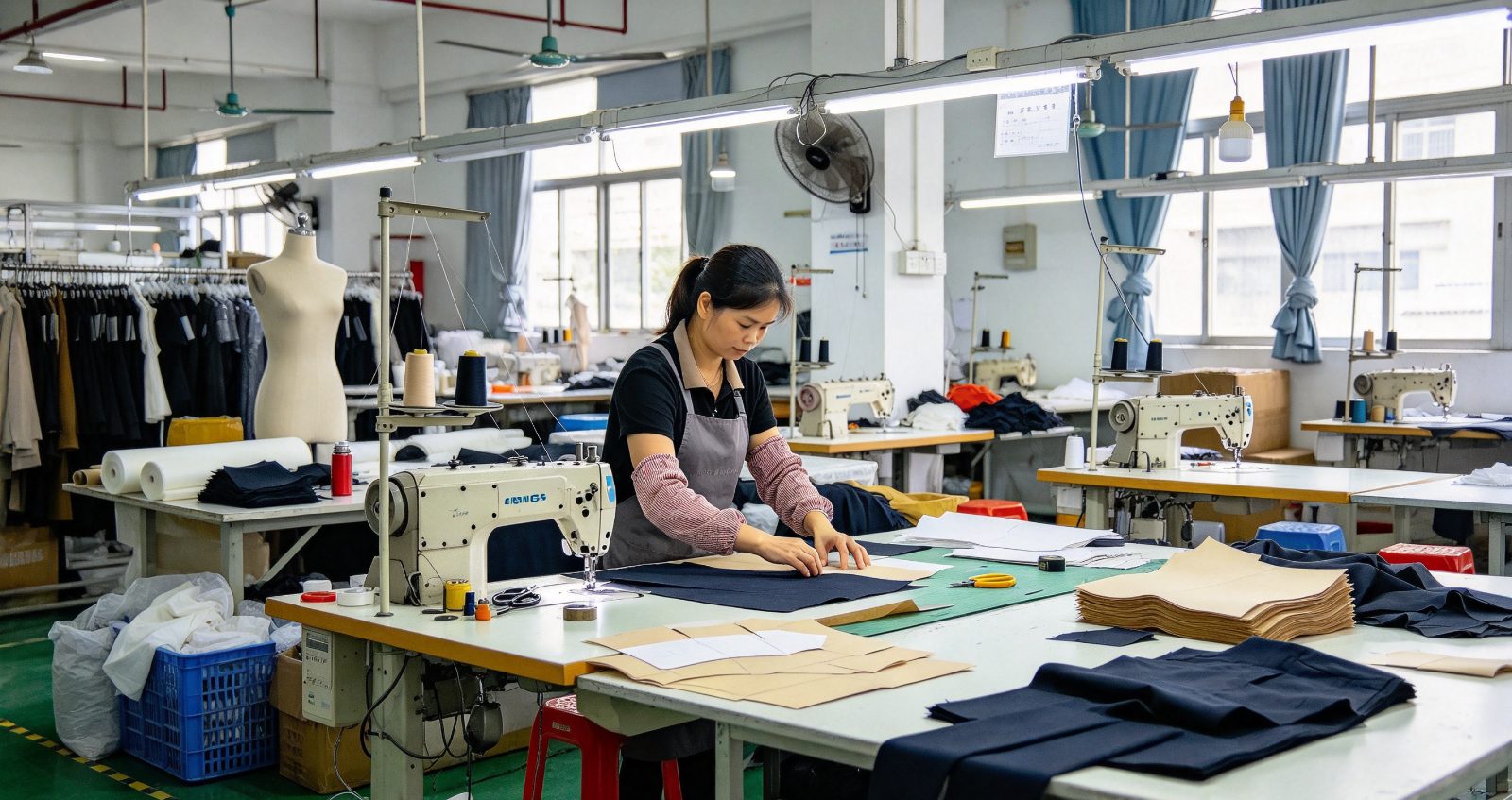
Another critical aspect buyers should verify is that the specifications of a sample garment align with their project requirements. This involves checking whether the samples provided are representative of the intended bulk order. Any discrepancies in fabric, stitching, or design between samples and a standard production run should be clarified immediately.
For buyers navigating the complex landscape of supplier relations, recognizing these details can be critical. It's worth consulting resources on selecting a dependable supplier, such as Choosing a Reliable OEM Casualwear Supplier in China, to help manage expectations and ensure supplier practices meet industry norms.
What Factors Influence a Supplier’s Decision to Offer Free Samples?
Suppliers' decisions in the industry to offer free samples are complex, often hinging on production costs and profit margins. Producing samples involves tangible costs, including materials, labor, and overheads—all impacting the financial viability of offering samples without charge. If a supplier operates on slim margins, providing free samples might strain their operations unless confident in securing future lucrative orders.
High-demand fabrics and custom designs present another influential factor. Fabrics that are scarce or challenging to source can increase the reluctance of suppliers to offer free samples. Similarly, unique designs requiring specialized techniques or advanced machinery may lead a supplier to reserve complimentary samples for circumstances where long-term orders are highly likely.
The potential for a long-term partnership heavily sways supplier decisions regarding free samples. Suppliers are keen to establish enduring relationships with buyers who show promise of continued collaboration. Demonstrating substantial order volumes or consistent purchasing habits could make a supplier more amenable to offering complimentary samples as a goodwill gesture.
Certifications such as BSCI, WRAP, and GRS demonstrate a supplier's commitment to ethical and sustainable practices, which can indirectly influence supplier policies. Suppliers holding these certifications are often seen as more trustworthy, thus potentially more lenient in their sample distribution, using it as an opportunity to display their commitment to ethical and sustainable practices. These certifications not only bolster supplier reputation but also provide buyers assurance of socially responsible manufacturing.
Moreover, the financial health of the supplier plays a critical role. A supplier in robust financial condition is better positioned to absorb the costs associated with free sampling. Regularly assessing the supplier’s market stability and profitability can provide insights into their capacity for sample generosity.
Understanding these factors can aid buyers in navigating sample negotiations effectively, ensuring expectations align with suppliers’ capabilities and policies.
How Can Buyers Ensure Samples Accurately Represent Bulk Orders?
When sourcing apparel, ensuring that samples accurately represent bulk orders is crucial for B2B buyers. Start by making sure that each sample requested matches the intended bulk order in every conceivable aspect—be it fabric, stitching, color, or any custom detail. This includes seeking written agreements that confirm sample customization expectations and specify that the sample reflects the production capabilities.
Next, inspecting samples meticulously can reveal manufacturing faults or discrepancies that might otherwise go unnoticed. This step is pivotal—inspect seams for consistency, verify color continuity across panels, and ensure that any unique features, like embroidery, align with the agreed specifications. It’s wise to ask for documentation or certifications related to the production process. For example, a GRS certificate certifies recycled content and traceability, but does not verify sample quality. Understanding these documents provides an extra layer of assurance that the sample genuinely depicts what the large-scale production will deliver.
Confirming sample approval reflects production capability is another key checkpoint. Seek assurances that the sample is not just an exemplary piece but an accurate representation of what machinery and skills will consistently produce at scale. Engaging with suppliers that provide detailed documentation, like tech packs or previous order receipts, can clarify whether the factory can maintain the same quality and specifications reliably.
To assist in this verification process, buyers can utilize a structured checklist approach, as outlined below:
Sample Verification Checklist
| Sample Detail | Verification Method | Importance | Potential Issue | Next Step |
|---|---|---|---|---|
| Fabric Accuracy | Cross-check bulk fabric details | High | Wrong fabric used | Request resample for clarification |
| Stitch Quality | Inspect stitch per inch | Medium | Loose stitches | Communicate defect |
| Color Consistency | Compare against Pantone/standard sample | High | Color mismatch | Confirm color correction |
| Size Compliance | Measure against size chart | Critical | Sizing off by ≥ 1 cm | Request size recalibration |
| Custom Features | Verify all custom elements | High | Missing custom details | Confirm feature inclusion |
For further guidance on evaluating samples, check the Denim jeans and denim garments sampling guide for small-batch buyers. By following these steps, buyers ensure their sample assessments accurately forecast bulk order expectations.
What Should Buyers Communicate to Their Suppliers Before Requesting Samples?
Initiating a sample request with precision benefits both buyers and suppliers in the apparel industry. To achieve this, buyers must first provide clear and detailed specifications for the sample. This means outlining the exact fabric, color, size, and any specific features or treatments required. Include any technical aspects such as stitching type, and label placement, as these details ensure the sample accurately reflects the intended final product.
Moreover, buyers should share intended bulk order details to enhance supplier engagement. This includes communicating the expected order volume and timeline for bulk production post-sample approval. A supplier aware of the potential scale and scope is more likely to prioritize your request, seeing a clear path to an ongoing relationship. These figures also help suppliers gauge their production capacity and adjust their workflow accordingly.
In addition to these technicalities, buyers should describe the desired review and testing process for the sample thoroughly. Specify the evaluation criteria, who will be involved in testing, and what aspects will be scrutinized, such as wash behavior or fit. Clear communication about what the sample needs to pass through sets mutual expectations and prevents misalignments.
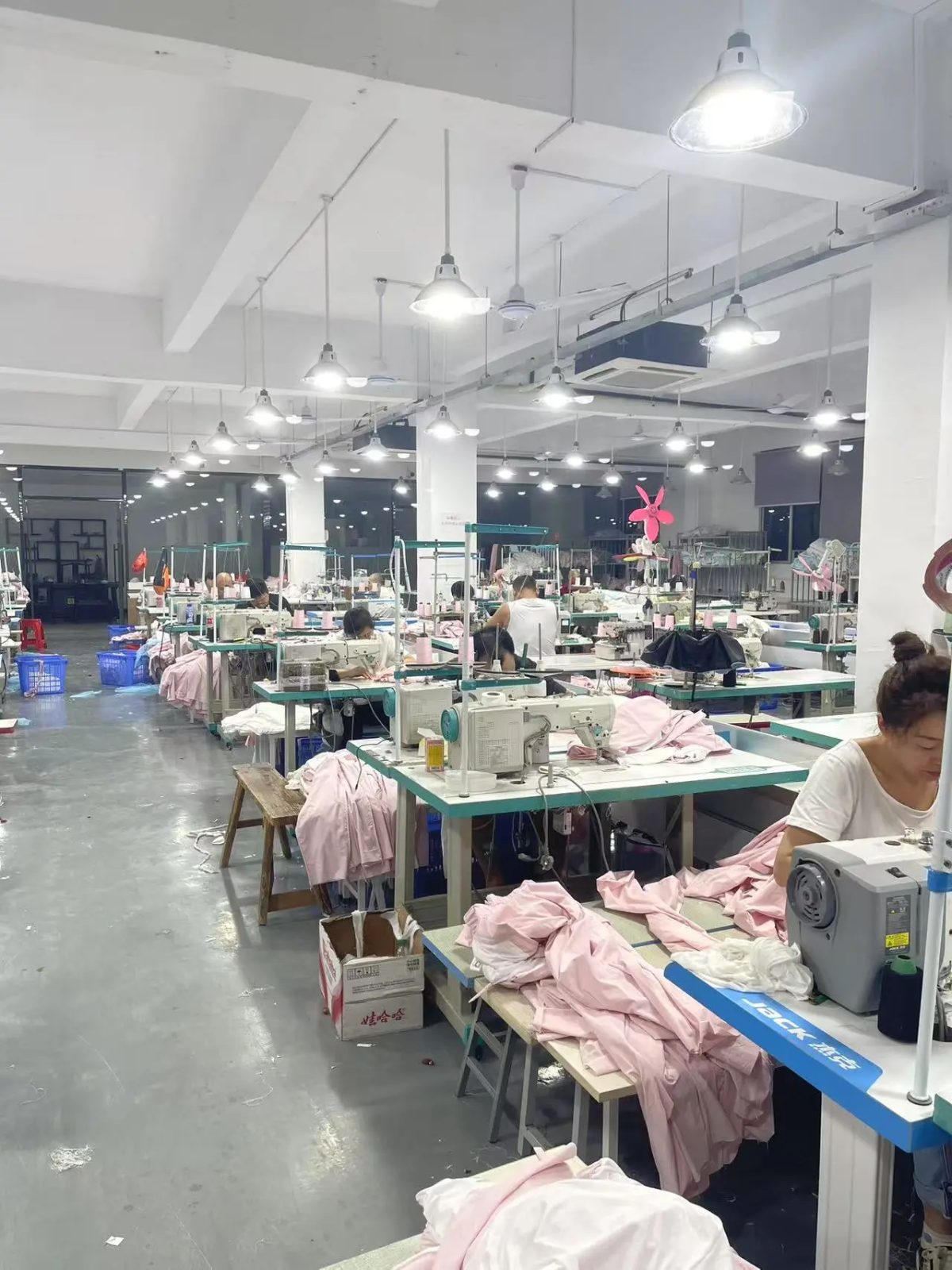
Emphasizing the potential for a longer-term relationship can incentivize the supplier to engage more deeply with your project. Make it known if your company is seeking a long-term supplier relationship, as this adds an incentive for the supplier to offer samples free of cost.
Lastly, set clear timelines for both submission and evaluation. Specify when you need the sample, factoring in shipping logistics, and advise on when you'll provide feedback after evaluation. This timeline clarity ensures that the supplier understands your urgency and helps plan their production schedule effectively. By laying out these details comprehensively, buyers foster stronger, more effective supplier partnerships.
How Should Buyers Evaluate the Quality of Received Samples?
Evaluating the quality of received samples is crucial for ensuring that bulk orders will meet expectations. Begin by systematically assessing the fabric quality for texture, weight, and consistency with your requirements. Carefully examine the fabric for any flaws such as inconsistent dyeing or misweaves. Particularly for items like Oversized and heavyweight T-shirts for small-batch buyers, ensure the fabric feels substantial and matches the GSM specifications set out.
Craftsmanship and durability are equally important. Look for precision in stitching and ensure seams are even and secure. Inspect attachments like buttons and zippers for secure fastening and smooth operation. Buyers can perform basic stress tests on their samples, such as gently tugging on seams, especially in areas likely to experience higher wear.
Cross-checking the sample dimensions against the technical specifications outlined in your design brief is a critical next step. This ensures the garments are not only of the right fit but also align with the intended silhouette and style, which can significantly affect customer satisfaction and your brand's reputation.
Beyond the initial evaluation, consider third-party testing for an unbiased assessment of the fabric’s performance attributes such as shrinkage, colorfastness, and wear resistance. Feedback from third-party testing or opinions from industry peers can provide additional insights and reinforce your evaluation.
Document any issues discovered during sample evaluation, such as material inconsistencies or stitching flaws, and communicate these to the supplier clearly. Clear documentation is essential for addressing concerns and recalibrating expectations for the bulk order. Lastly, relate your findings back to your bulk order expectations. If a sample doesn't meet standards, it’s likely the bulk order will not either, highlighting the importance of thorough sample evaluations to mitigate risks in bulk production.
Final Considerations for Navigating Free Sample Policies
Balancing the cost of samples against potential savings from bulk orders is essential in the sourcing strategy. A generous sample policy should align with your goals, providing a clear view of a supplier’s capabilities. Review the supplier's transparency and consistency in their policy to gauge their reliability. Use the sample review to decide if the supplier meets your long-term needs. Foster open communication with suppliers to cultivate relationships built on clarity and collaboration. For further alignment, ensure ongoing discussions address all concerns and feedback.
FAQ: Navigating Free Sample Policies in Apparel Sourcing
What are the common criteria for receiving free samples from suppliers?
Common criteria include existing relationships, potential for large orders, or the buyer covering shipping costs. Suppliers also prefer buyers clearly communicating their sourcing needs.
Can a supplier refuse to provide free samples?
Yes, suppliers can refuse free samples if they foresee no long-term benefit, significant costs, or if the buyer’s requirements do not align with their capabilities. However, negotiation is often possible.
How do certifications like BSCI, WRAP, and GRS impact sample policies?
While certifications such as BSCI, WRAP, and GRS do not directly affect sample policies, they relate to social and environmental practices. These certifications can enhance trust between suppliers and buyers, potentially influencing sample negotiations positively.
Should buyers expect identical quality in samples and main production?
In ideal scenarios, sample quality should match mass production. However, discrepancies can occur due to material variations or production scale. It's crucial to communicate expectations upfront.