Most buyers assume that requesting a quote for custom shorts is a straightforward task requiring just a few specifics. However, to truly expedite the response and ensure a precise quotation, a comprehensive Request for Quotation (RFQ) is essential. An RFQ should detail everything from fabric type and quantity to specific design requirements and delivery deadlines. Providing this level of specificity can help manufacturers in giving more accurate responses. By equipping yourself with this checklist, you can refine your sourcing process and make informed decisions efficiently.
Why Most Requests Get a Slow or Vague Reply
Many buyers are surprised when their Request for Quotation (RFQ) for custom shorts receives a slow or vague reply. One core reason is often the lack of detailed specifications. When RFQs are ambiguous, it leaves suppliers guessing about your precise needs, which can lead to a flurry of back-and-forth questions rather than a speedy quote. Specifying fabric, measurements, and design elements is crucial—imagine trying to build a car without a blueprint.
Miscommunication issues. The scope of your project can easily be miscommunicated if not clearly outlined. For example, are you requesting samples first or proceeding directly to full production? If the initial RFQ lacks clarity in this regard, suppliers might default to conservative estimates or incomplete replies, delaying the process further.
Uncertain quantities and materials. These are commonly overlooked details that lead to vague responses. Without specific numbers, suppliers cannot accurately allocate resources or estimate costs. Even small changes in material choice can heavily influence the production timeline and pricing. It's akin to shopping with an empty cart—if you're not clear about what you're after, you'll spend more time wandering than accomplishing.
Importance of timelines. Including clear timelines and deadlines in your RFQs is just as vital. Suppliers coordinate various production schedules, and knowing your urgency helps them prioritize. Without these, your request may sit at the bottom of their list as they fulfill more pressing orders.
Incomplete RFQs not only impact the initial quality of responses but also strain supplier relations. When suppliers struggle to understand what's needed, it creates an atmosphere of uncertainty and can diminish their interest in future collaborations.
For more insights on preparing comprehensive RFQs, consider the Essential Checklist for Ordering Denim Jeans. While focused on jeans, this resource offers valuable tips adaptable to shorts and other apparel, reinforcing why clear specifications and open communication are key to expediting the RFQ process efficiently.
Failure to provide a comprehensive RFQ ultimately results in lost time, increased costs, and potentially less favorable supplier terms. Therefore, investing effort upfront ensures smoother, swifter project execution.
Essential Items for a Custom Shorts RFQ Checklist
Creating an effective RFQ for custom shorts begins with focusing on key details like materials and quantities. Here are the crucial items to include:
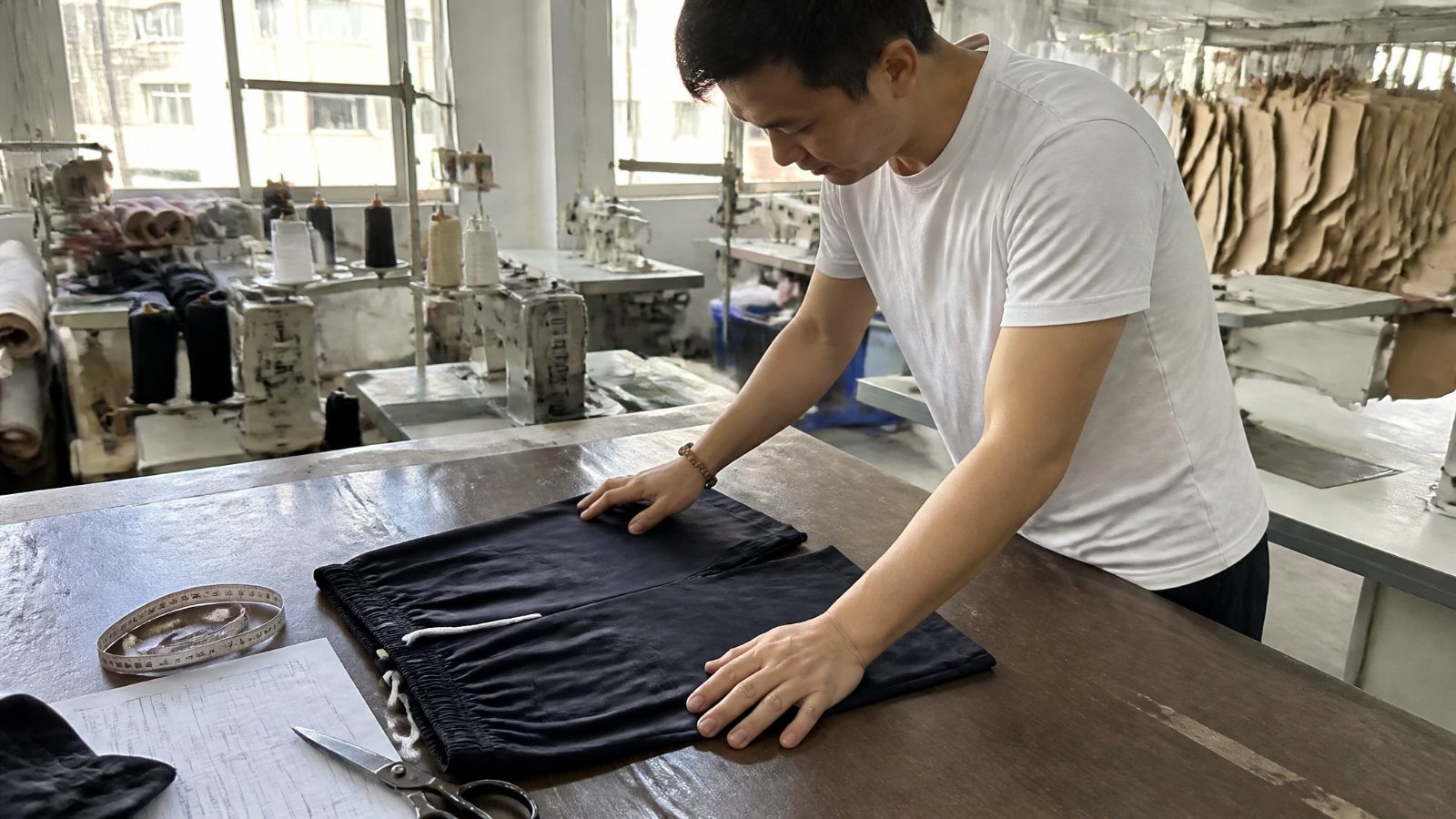
Materials and fabric type. Start by specifying the fabric you want to use. Materials like cotton, polyester, or blends impact both the feel and durability of the shorts. Not only does this set the base material cost, but it also influences the garment's wash and wear behavior. Communicate if you need specialized finishes like moisture-wicking or UV protection.
Design elements. List any specific features your design requires, such as pockets, zippers, or particular seam styles. These elements contribute to both the aesthetics and function of the garment and can increase complexity and labor costs. A design detail may demand a particular stitch type or processing method which can impact the production schedule.
Desired quantities. Clearly state how many units you require. Quantity affects economies of scale, directly influencing the unit price. Planning for production becomes more streamlined when suppliers know the exact order size, allowing them to optimize fabric procurement and manufacturing steps.
Project timelines and lead times. Define your project timeline, including stages like sample approval and production runs. Specify any hard deadlines and discuss lead times with your supplier to align expectations. Feasible timelines help in managing bottlenecks and avoiding rush charges.
Compliance and certifications. Ensure the supplier can meet necessary certification requirements, such as BSCI, which focuses on social compliance audits. This may involve audits or additional documentation but will align the production with industry standards.
Custom Shorts RFQ Checklist
| Item | Description | Impact on Quote | Production Adjustment | Supplier Needs |
|---|---|---|---|---|
| Fabric Type | Specify material (cotton, polyester, or blend) | Material cost and garment performance | Fabric availability and processing | Source confirmation |
| Design Elements | Include pockets, zippers, specified seams | Adds complexity to construction | May require specialized stitching | Confirmation of capabilities |
| Order Quantity | State number of units required | Influences economies of scale | Affects planning for procurement | Accurate order forecast |
| Timeline Requirements | Outline necessary timelines and lead times | May incur rush charges if tight | Production schedule adjustment | Calendar alignment |
| Certifications Needed | List necessary compliance, e.g., BSCI | Costs associated with auditing and documentation | Additional procedures for certification | Documentation readiness |
What Each Item Changes in the Quote
The fabric selected is a fundamental factor in determining costs. The choice among materials like cotton, polyester, or blends not only affects the basic expense but also dictates different manufacturing techniques. For instance, cotton is renowned for comfort but may come at a higher price due to its natural origins, while polyester frequently allows for cost reductions and offers easy maintenance. Understanding these nuances and how they affect transportation can help sharpen your request for quotation.
Design details such as pockets or zippers play a significant role in adjusting the quote. Each additional aspect entails more intricate pattern design, extra fabric, and increased assembly duration. Take, for example, a pair of cargo pants with multiple pockets; every pocket requires exact cutting, additional stitching time, and thorough quality inspections, compared to a straightforward plain pant. As designs become more elaborate, both material and labor expenses tend to rise.
The volume of the order is crucial in impacting cost dynamics, primarily through economies of scale. Larger quantities generally decrease the cost per item by spreading fixed expenses across more units. Conversely, ordering smaller batches might elevate unit prices due to limited distribution of overhead. Achieving a balance here is essential for maximizing cost-effectiveness and securing advantageous terms.
Scheduling pressures often result in higher rates. Shorter timelines may demand overtime labor, rush deliveries for supplies, or reordering existing production timetables, all of which inflate costs. Crafting a practical timeline that considers material availability and manufacturing capacity can prevent unwarranted price increases while adhering to your project goals.
Moreover, adherence to compliance standards—including certifications like BSCI and WRAP—can lead to additional expenses as they often necessitate specific operational practices and evaluations. Meeting these requirements usually involves ethical sourcing, extended time for inspections, or modifications to production methods to satisfy elevated labor and environmental standards. For many brands, compliance is crucial, and the cost should be carefully considered against its potential impact on the budget.
Practical Example of a Filled-In RFQ
Crafting a comprehensive RFQ for custom shorts is not just theory—here's an example that highlights critical elements relevant to both the buyer and supplier.
Fabric Options. Start with defining your fabric. Suppose you are interested in two options: a lightweight cotton blend for summer collections and a more robust polyester-spandex mix for athletic use. Clearly label each as "Option 1: 250 GSM Cotton/Polyester Blend" and "Option 2: 280 GSM Moisture-Wicking Polyester/Spandex," each affecting not only the feel and functionality but also cost and care instructions.
Design Requirements. Outline intricate design details. For instance, you might specify deep side pockets with reinforced stitching and adjustable drawstrings at the waist. Design elements, such as a water-resistant zippered back pocket, should include measurements like "18 cm x 12 cm," ensuring both partners understand the design's exact specifications and potential impact on cost.
Order Quantities. Quantify your needs, like requesting 1,000 units of each fabric variation. Demonstrating awareness of economies of scale will help you leverage better pricing tiers—a significant factor for cost-effectiveness.
Timeline Considerations. Embed a coherent timeline, like "First sample by March 15; full delivery by June 30," to highlight your schedule's urgency and flexibility. Clearly marking timelines helps in setting expectations and understanding which costs might surge under stringent deadlines.
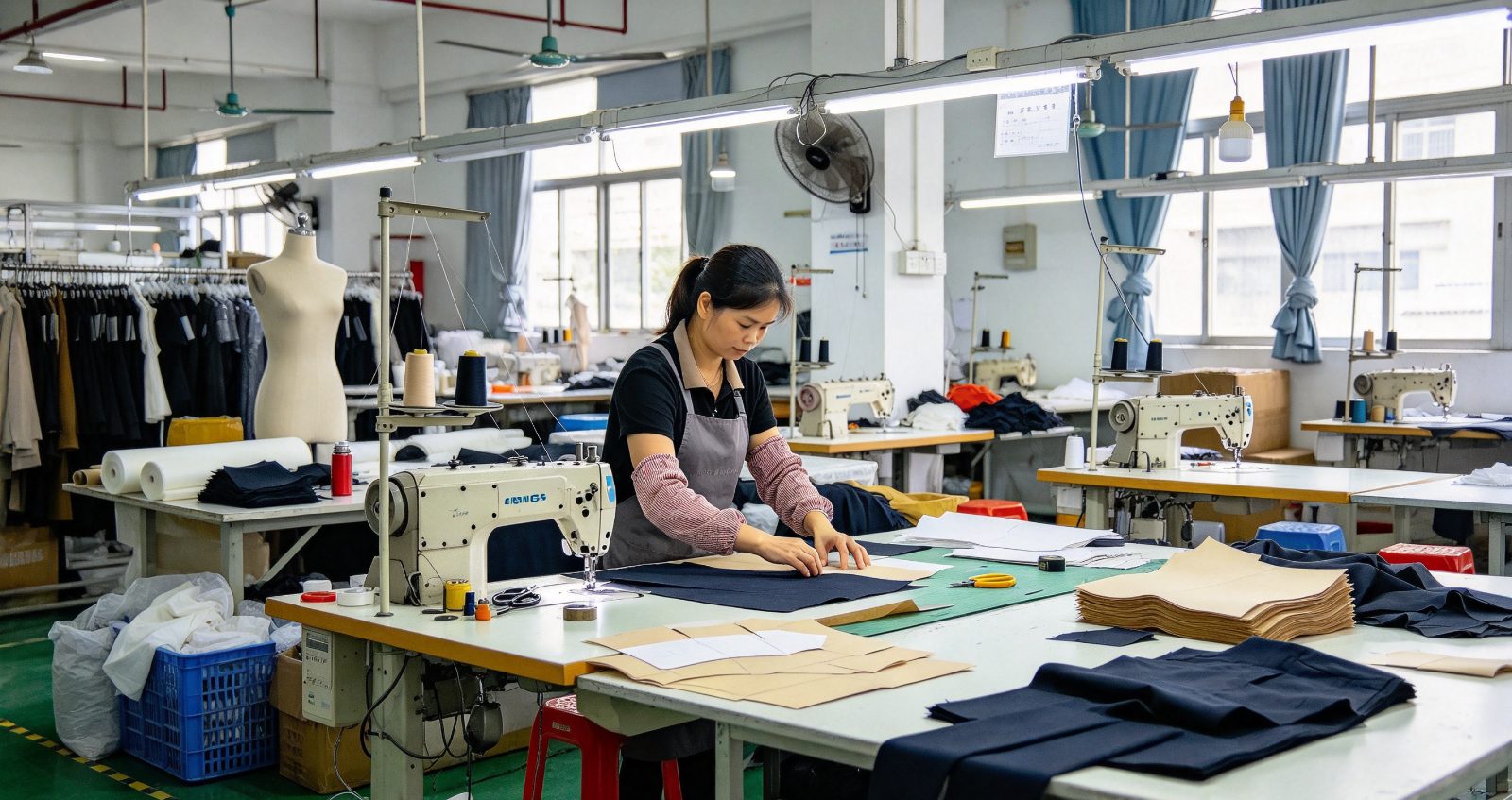
Compliance and Certification Needs. Clarify your specifications with compliance needs by referencing certifications such as BSCI and GRS, which cover manufacturing processes rather than the compliance of individual products. This signals a commitment to ethical production standards, possibly influencing operational processes and material sourcing.
By detailing each aspect from fabric choice through to certification, your RFQ becomes a clear blueprint for precise cost estimation and efficient production planning, minimizing room for ambiguity or error. This attention to detail fosters a smoother pricing discussion and stronger supplier relationships—truly essential for successful custom apparel production.
After You Send the Custom Shorts RFQ
Once you submit a Request for Quote (RFQ) for custom shorts, the waiting game begins. Typically, you can expect an initial response within one to two weeks. This timeframe allows the manufacturer to review your specifications, check the availability of materials, and calculate production costs. Keep in mind, if your RFQ was well-crafted with detailed specifics, this process tends to be quicker.
Expect follow-up questions. Following your initial submission, prepare for follow-up communication. Manufacturers may seek clarification on certain items to refine the quotation. Expect questions related to specific measurements, materials, or design elements that might be unclear. Clear responses to these inquiries facilitate more accurate quotes.
Facilitates production planning. A comprehensive RFQ not only speeds up the quoting process but also allows the manufacturer to begin initial production planning. Knowing quantities and materials helps with scheduling and resource allocation. It ensures that as soon as you approve the quote and place an order, the factory is ready to proceed without further delays.
Strengthens the supplier-buyer relationship. A detailed and clear RFQ can significantly enhance your relationship with the supplier. When a supplier receives a thorough RFQ, it demonstrates professionalism and intent, making it easier to work collaboratively. Over time, this trust can lead to more favorable terms, faster communication, and reliable quality assurance. Suppliers generally value such clarity, as it helps streamline operations and maintain efficient partnerships.
Positive impacts of a clear RFQ. Ultimately, a clear RFQ simplifies the entire ordering process. It helps minimize misunderstandings and the potential for costly errors, ensuring that both the buyer’s expectations and the supplier’s capabilities align. The investment in preparing a thoughtful RFQ pays dividends in smoother operations, mutually beneficial relationships, and, ultimately, the success of your custom shorts project.
Streamline Your Sourcing with a Detailed RFQ
A comprehensive Request for Quotation (RFQ) is essential for successful sourcing of custom shorts. This detailed document fosters clear communication and leads to faster, more accurate responses from suppliers. It provides a framework to effectively monitor production timelines and facilitates timely updates, aligning expectations on both sides. By clearly stating project details, from fabrics to certifications, an RFQ enhances decision-making and ensures higher success rates in project execution. Clearly detailing your requirements — including fabrics, colors, sizes, and certifications — enables a smoother engagement with potential suppliers.
FAQ: Preparing an RFQ for Custom Shorts
What specifics should an RFQ for custom shorts include?
An RFQ for custom shorts should include fabric type, quantities, design elements, and timelines. These details ensure accurate quotes and efficient production planning.
How does fabric choice affect the quotation?
Fabric choice significantly impacts the quotation as it determines material costs and influences production adjustments. Specific fabrics may also require unique production techniques, affecting overall pricing and lead times.
What happens if I don’t specify the order quantity?
Without specifying order quantities, the supplier can't provide accurate unit pricing. Quantity influences scale economies and pricing tiers, leading to potential delays or inaccurate quotes.
Why are timelines crucial in a custom shorts RFQ?
Timelines indicate deadlines that affect the planning and urgency of production. Tight deadlines might lead to premium charges, while flexible timelines allow for standard pricing.