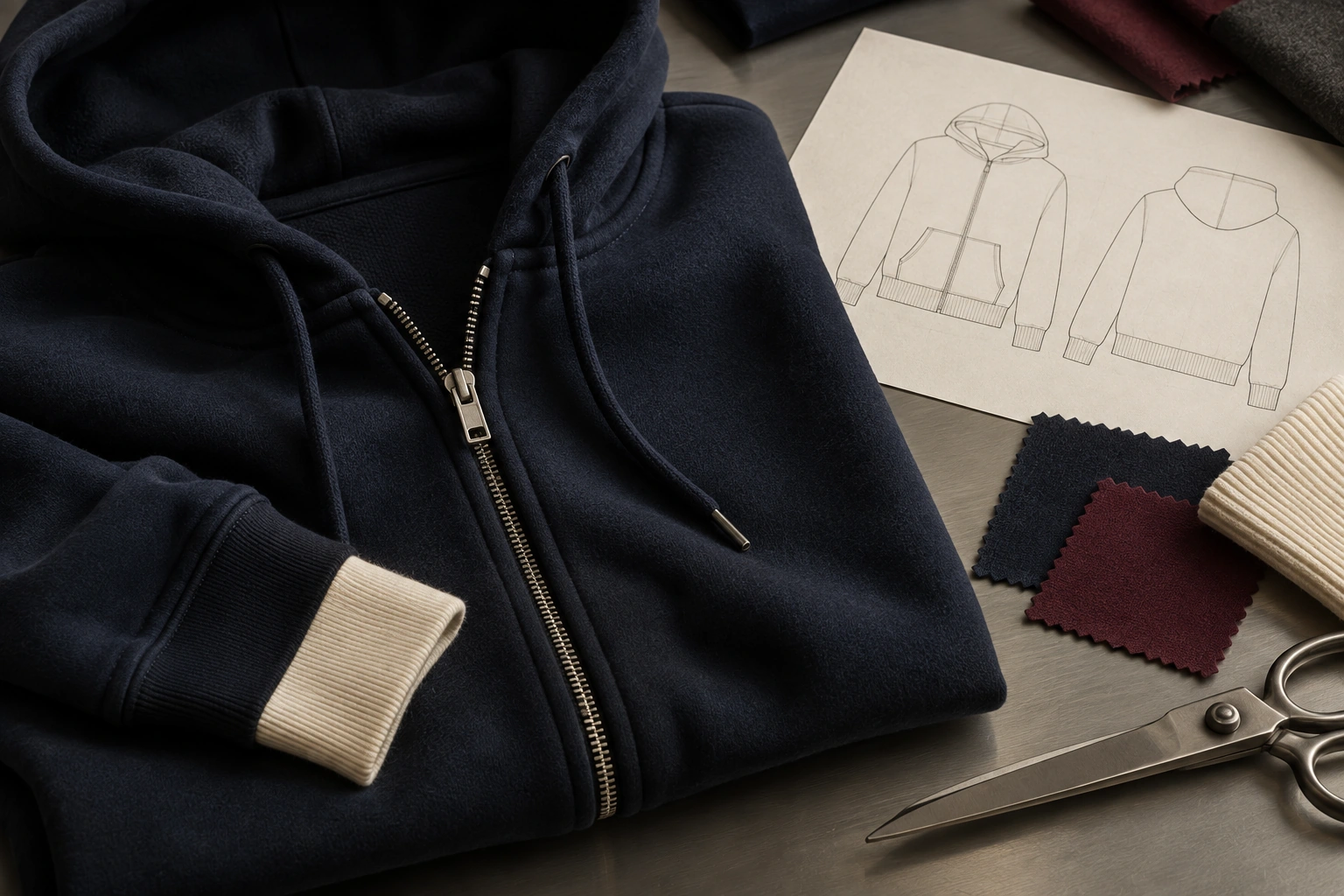
A better brief makes a clearer beginning.
A practical planning guide for your next apparel project. Organize the decisions that move a design from an idea to a sample ready for review.
01 / Define the collection
List the styles, target customer and intended use. Explain which details should connect the range: a shared fit, fabric family, wash palette or branding language.
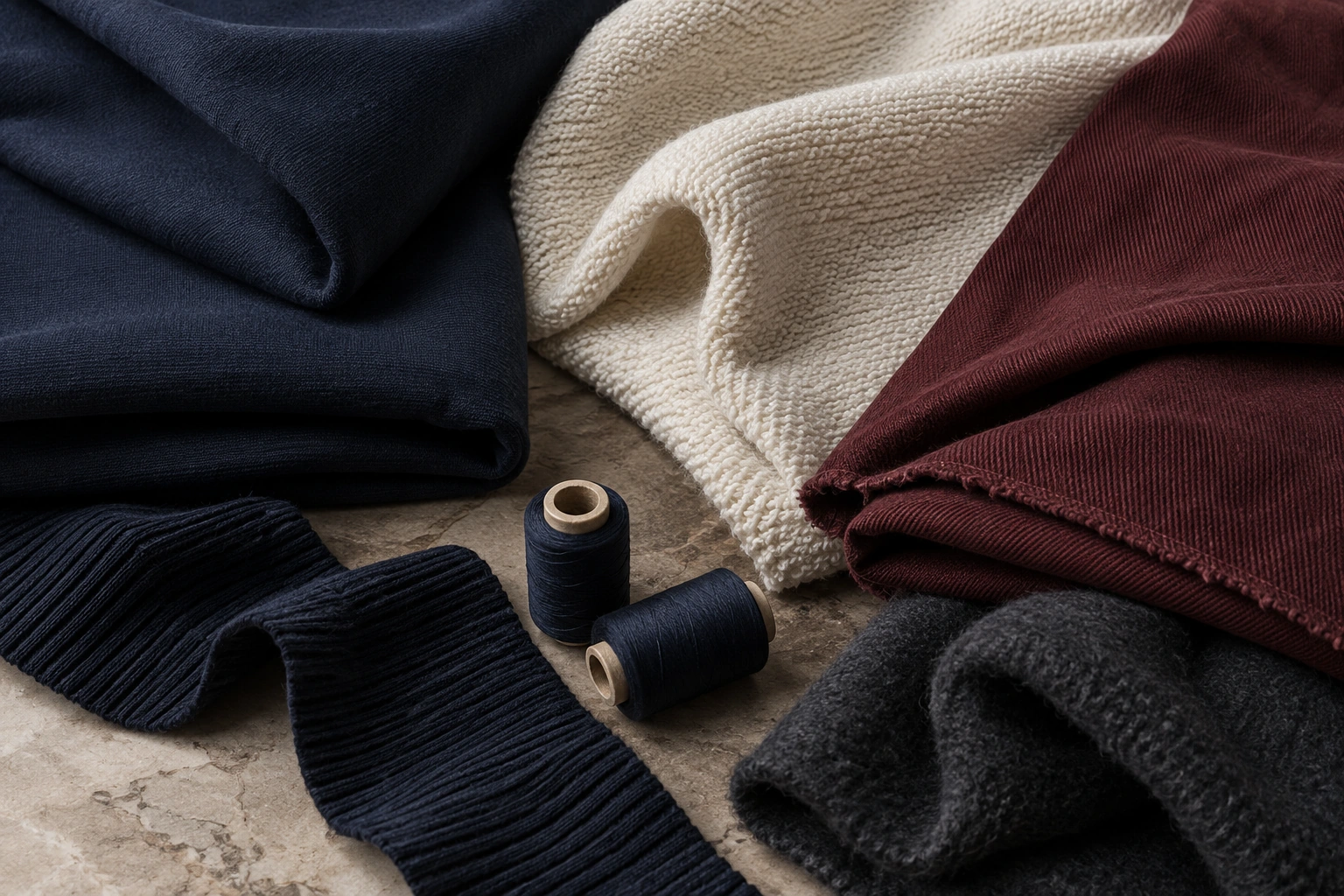
02 / Describe the material
Name the composition if known and add a physical reference or close-up photograph. If a fabric weight is specified in your design, include it; also describe handfeel, stretch, drape and the intended season.
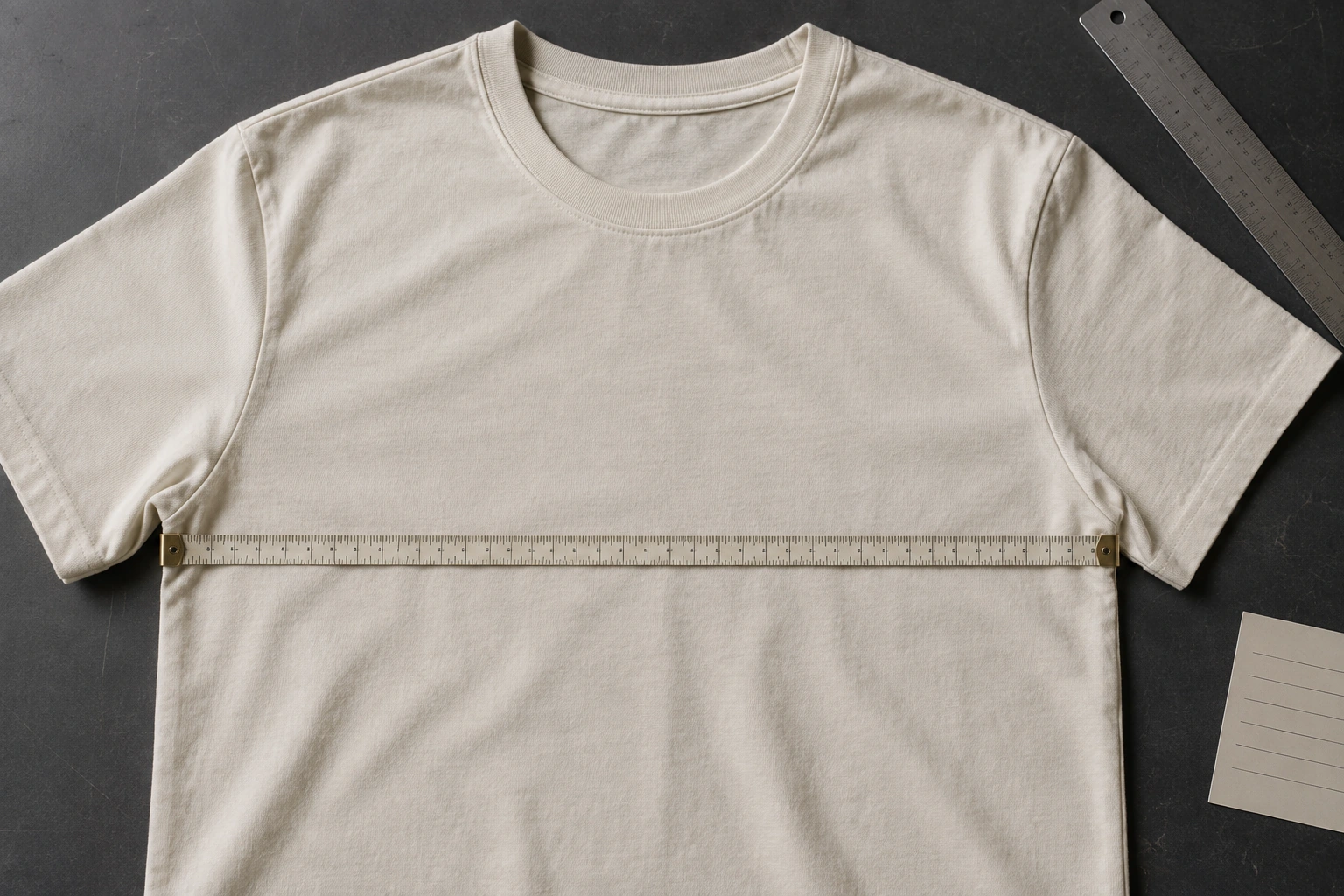
03 / Make the fit measurable
Include a measurement sheet with front and back drawings. Define the sample size and how each measurement is taken. A favorite garment can help communicate a shape, but written measurements keep the brief precise.
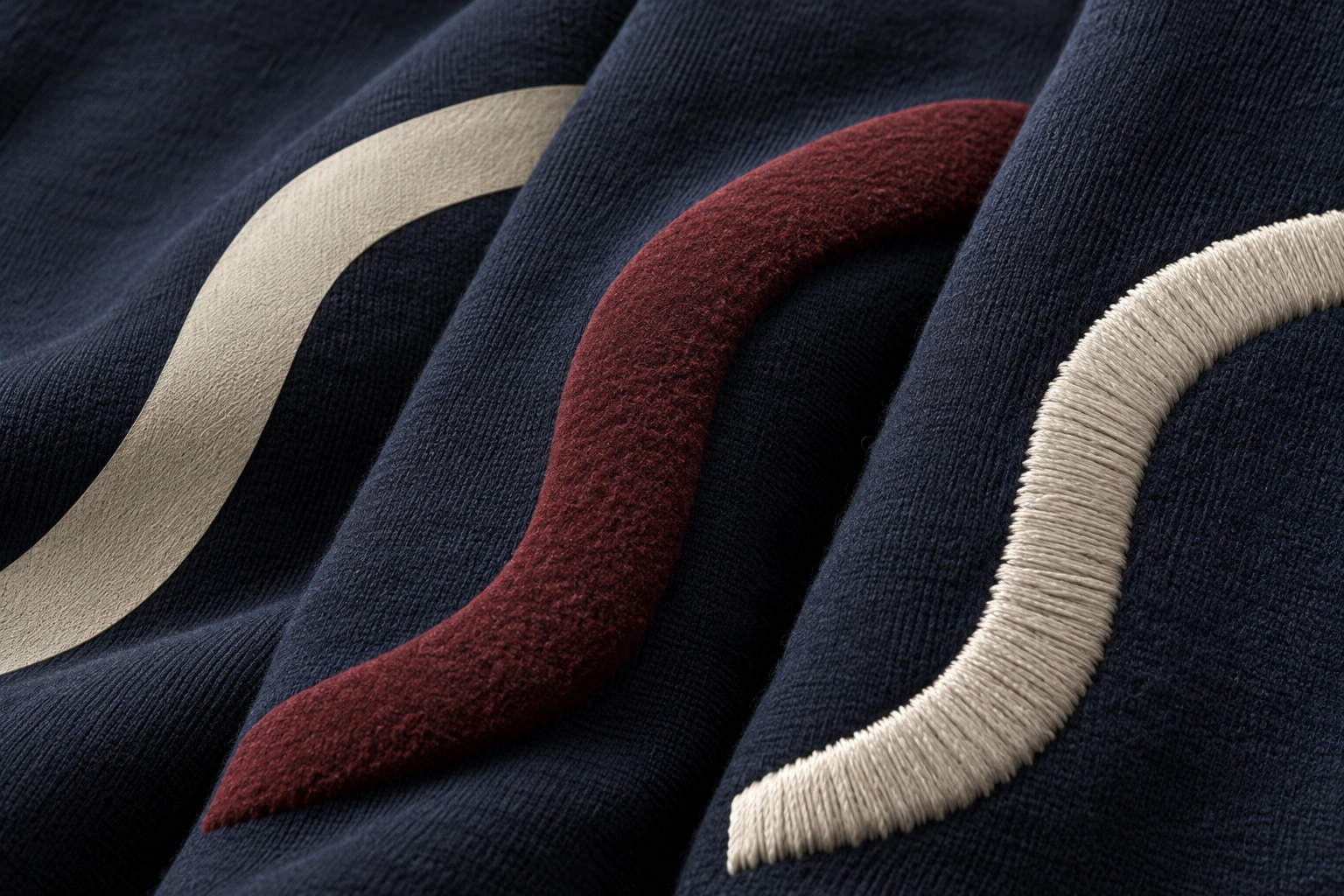
04 / Map the decoration
Supply the original artwork, its dimensions and placement measured from a seam or other fixed point. Keep different artwork versions clearly named. Include visual references for embroidery texture or wash effects.
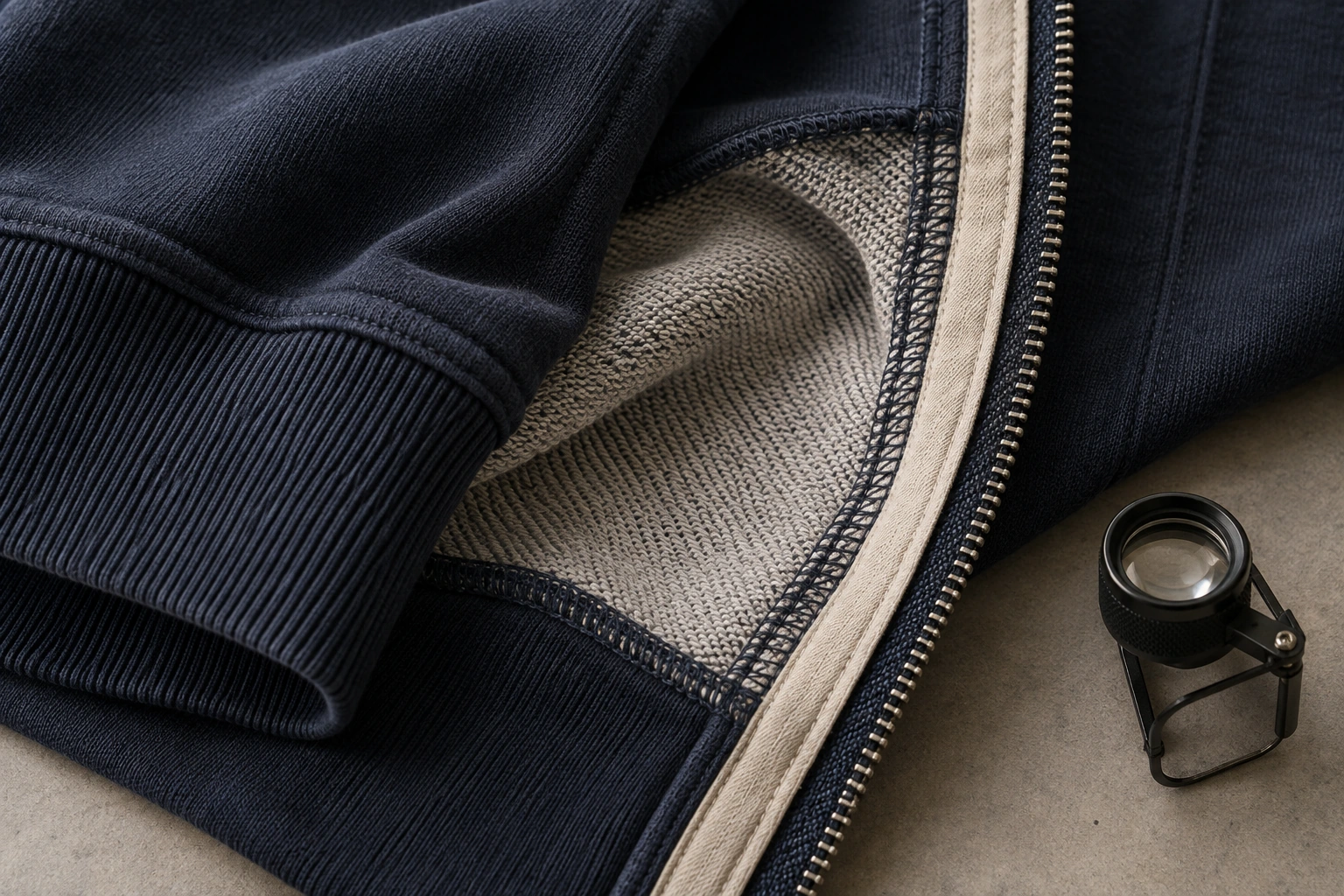
05 / Plan the brand details
Gather main-label, care-label, hang-tag and packaging artwork. Add placement and attachment instructions. Confirm the required label content for the intended sales destination with the appropriate specialist.
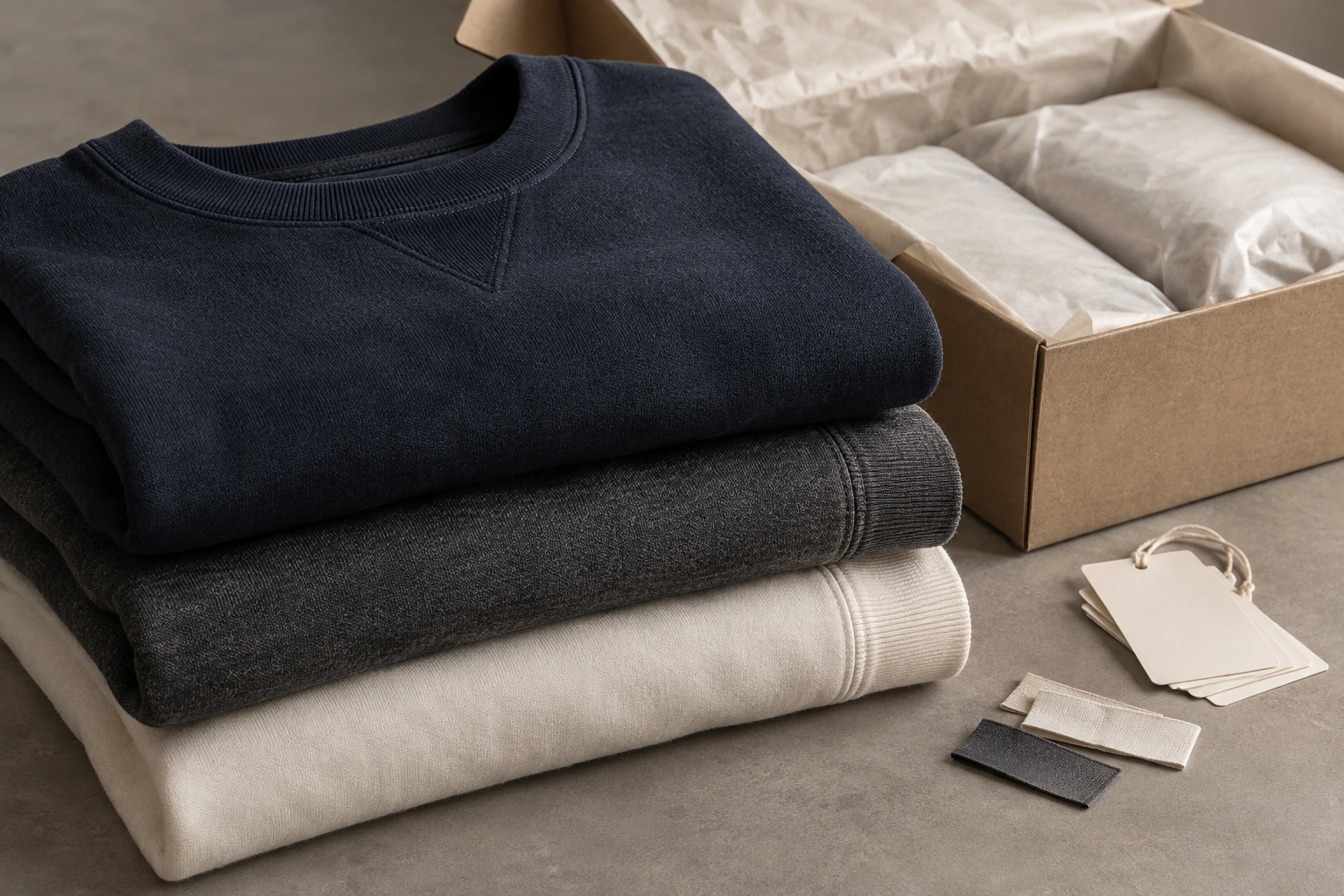
06 / Separate sampling from production
Discuss sample scope, revisions and fees before sample development. Treat production quantity, schedule, packaging and shipment as a separate set of details to confirm after the design and sample are agreed.
07 / Review with one feedback document
Photograph the sample, measure it and group the changes. Record each requested revision next to a drawing or annotated image, then keep one consolidated version for the next review.
08 / Keep the approved reference
Identify the approved sample and specification version. Record the final artwork, materials, size breakdown and packing instructions so the production order can refer to one agreed set of documents.
A few questions.
A clearer brief.
Send SALATI a tech pack, sketch, reference image or physical sample, together with the garment type, intended quantity by style and color, size range and delivery destination. Add fabric preferences, artwork, label requirements and the date the collection is needed. A complete tech pack is useful, but it is not required for an initial discussion.
Separate fixed requirements from details that need development advice. For example, specify whether an oversized hoodie must keep a particular shoulder shape or whether Salati Apparel can suggest a suitable French terry or fleece. Clear priorities make the sampling quotation more useful.
Prepare a custom clothing manufacturing briefProvide Salati Apparel with the available vector file or high-resolution artwork, the actual design dimensions, color references and placement on the garment. Include a close-up image if a raised surface, thread texture or other specific finish is important.
Label the current artwork version and identify the intended fabric and garment color. SALATI can assess whether the detail, scale and placement suit the proposed process. A logo on a screen is not a finished production reference; approve the artwork and effect on the agreed sample.
Artwork, printing and embroidery optionsSALATI sample development moves from the brief and material discussion to a quotation, pattern making, sample construction and review. The buyer should evaluate measurements, fit, handfeel, artwork, finishing and labels against the intended product.
Send one consolidated set of comments with annotated photographs and measurement changes. Salati Apparel can review the revisions and establish the next sample version. Bulk planning should refer to the approved garment and written specification, including the final materials, artwork and order breakdown.
SALATI pattern making and sample approval