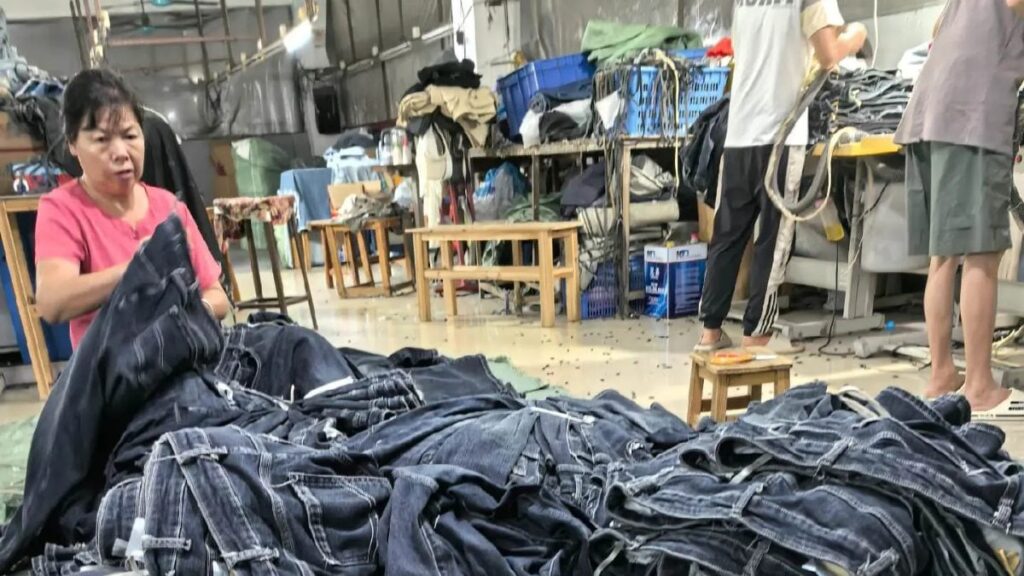
When embarking on a small-batch denim production, buyers need to scrutinize specific aspects of their samples. Key focus areas should include fabric quality, stitching durability, fit consistency, and colorfastness. Ignoring elements like packaging or excessive branding can streamline the sampling process. Sampling offers a tangible preview of the final product's quality. For small-scale orders, focusing on the fabric's feel, the strength of the seams, and the accuracy of the fit can provide a clear picture of what to expect in bulk production. By prioritizing these core aspects, buyers can make informed decisions without getting sidetracked by less crucial details.
The Decision in One Paragraph
Selecting the right denim jeans for small-batch production hinges on three pivotal factors: fabric quality, stitching durability, and colorfastness after repeated washes. Fabric quality is paramount, as a robust weave with a higher GSM (grams per square meter) translates to better wear resistance and longevity, even though GSM itself does not guarantee breathability or comfort. Evaluate the construction, where double stitching in areas of high stress—think around pockets or hems—signals a garment built to withstand everyday strains. Weak or uneven stitches can unravel or break under tension, leading to premature failure and customer dissatisfaction.
Furthermore, colorfastness stands as a critical attribute, particularly for denim destined to be washed frequently. Buyers should conduct wash tests, which simulate the real-life fading through multiple washing cycles. Look for any signs of excessive bleeding or fading that imply subpar dyeing methods—typically a red flag for long-term quality. Understanding how the fabric interacts with detergents and varied washing conditions helps predict garment behavior over time.
Ultimately, a small-batch buyer should prioritize samples that showcase consistent quality in these areas. It is advisable to evaluate denim samples that retain their hue and texture while demonstrating stability in seams and construction under wear. Assessing these elements offers a more reliable prediction of production output, ensuring that the final product meets both brand standards and customer expectations.
Where Fabric Quality Becomes Crucial
The fabric quality of denim is pivotal in determining the final outcome of any garment, affecting everything from drape to durability. One of the most critical metrics to examine is GSM (grams per square meter), which indicates fabric weight. A higher GSM generally signifies a thicker fabric, essential for durability and performance in workwear jeans, but perhaps too heavy for casual, summer wear.
Beyond weight, the composition of denim influences its breathability and comfort. Most denim is predominantly cotton, which provides excellent breathability, but blends with elastane offer added flexibility and comfort, particularly in snug fits. Understanding the type of blend can guide which options align best with the intended use of the jeans.
Equally significant is the weave type, which defines both the texture and wear resistance of denim. Traditional twill weave, characterized by diagonal ribbing, is the standard for durability, offering a balance of strength and comfort. Less common weaves might introduce unique textures but could compromise longevity, requiring careful evaluation based on the intended aesthetic and function.
Fabric finishes further define denim's aesthetics and longevity. Raw denim, unwashed, presents a rigid structure that softens over time, while pre-washed denim offers immediate softness and pre-faded looks but less potential for personal wear marks.
In sourcing, considering GRS certification becomes essential for buyers looking to ensure sustainability and traceability in their fabric supply. Ensuring fabric meets these standards often leads to responsible sourcing choices, appealing to the eco-conscious consumer market.
By understanding these fabric characteristics, buyers can make informed decisions about the materials utilized in their small-batch denim projects, ensuring they meet the desired quality and ethical standards.
Durability: Stitching Techniques and Seam Strength
When inspecting denim jeans for durability, stitching techniques are prime indicators of seam strength. Among the most commonly used methods in denim are chain stitch and lockstitch. Chain stitching provides flexibility and is often used in waistband construction, but it can unravel if a stitch breaks, posing potential seam failure. Lockstitching, on the other hand, involves interlocking threads, creating a stronger seam that withstands more stress and remains intact even when a stitch loosens.
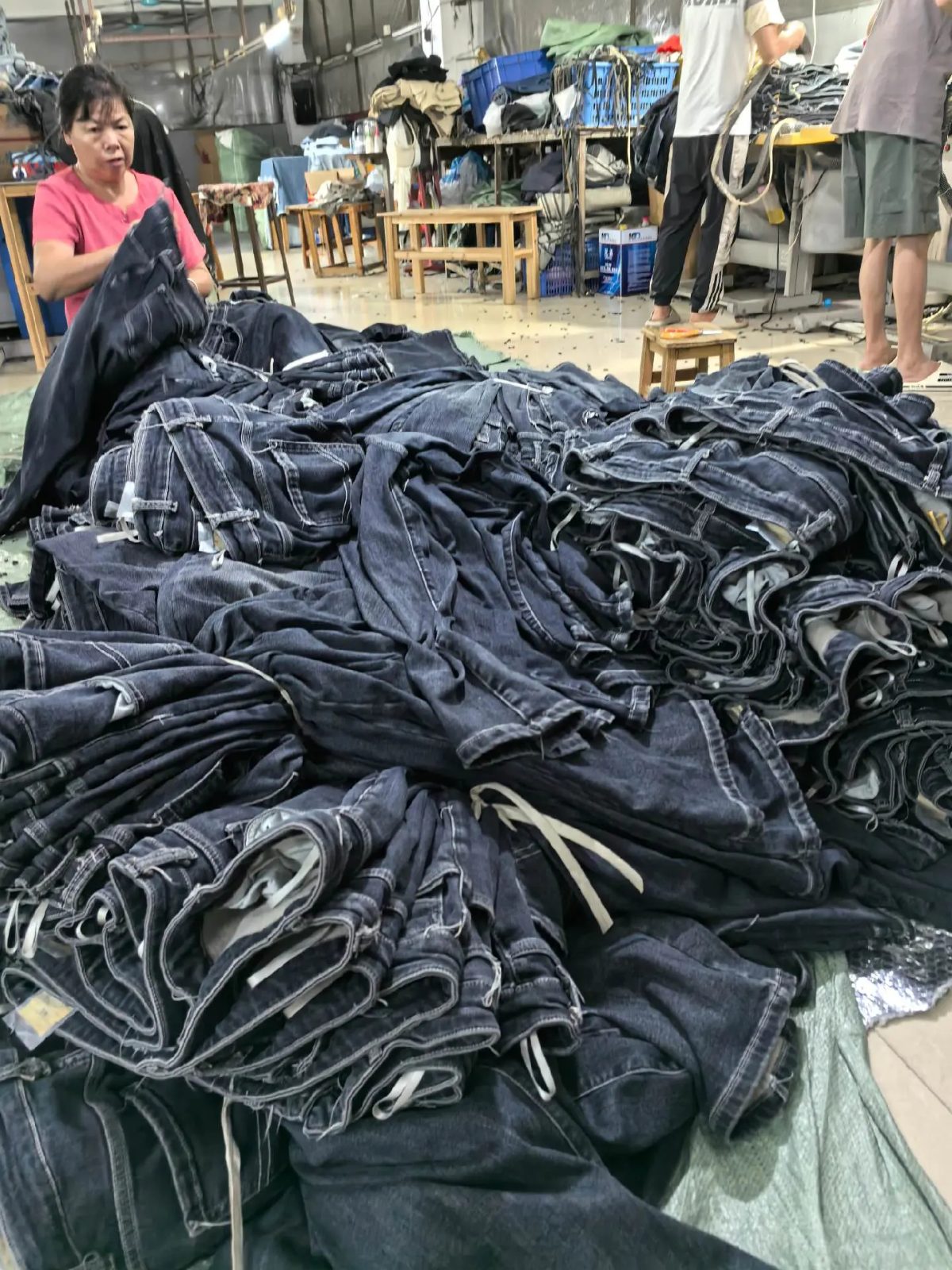
Weak seams tend to reveal themselves where stress is constant. Loose threads, uneven stitching, or gaps along the seam lines often point to subpar seam durability. These signs could indicate poor thread tension or misalignment during sewing. Inspecting samples thoroughly for such signs can prevent costly mistakes down the line. At high-stress points like belt loops, crotches, and side seams, buyers should ask for double stitching to enhance wear resistance as a common industry practice.
Stress points like pockets and hems require close examination, as these zones endure frequent tugging and pulling. Here, stitch integrity is crucial; robust double stitching should be visible. Additionally, ensure seam alignment is precise, and thread quality is high. High-quality threads are usually thicker and less susceptible to fraying.
Buyers should emphasize the inspection of seam straightness, looking for consistent stitch lengths and even spacing, which indicate accuracy and careful production. Paying attention to these details can greatly impact the garment's resistance to wear and tear, providing reassurance that the denim samples can handle everyday use. Consider these factors carefully to ensure your small-batch orders meet durability expectations.
Fit Consistency and Measurement Accuracy
Standardized measurements are critical to ensure that denim jeans offer a consistent fit, which directly influences wearer satisfaction and brand credibility. Accurately maintained measurements ensure that the fit across all samples aligns with industry standards and expectations. Inconsistent measurements may result in a poor fit, leading to a negative wearer experience and diminished brand loyalty.
Common measurement discrepancies in denim jeans often arise in areas such as waist, hip, and inseam. Minor variations in these dimensions can significantly alter the fit and feel of the jeans, thus impacting customer satisfaction. Buyers should ensure manufacturers employ precise techniques and tools to assess fit metrics accurately. Regular calibration of measurement tools and adherence to a standardized measurement protocol are practices buyers can prioritize in their relationships with suppliers.
Fit also profoundly affects the wearer experience, starting with how comfortably the jeans sit on the body. Poorly fitting jeans can result in discomfort, restricting movement, and lead to dissatisfaction among consumers. For a brand, inconsistent fits can damage reputation and hinder repeat purchases, making fit integrity a priority during sourcing.
Buyers should consider discussing various techniques with manufacturers to evaluate fit consistency, such as requesting fitting sessions, where samples are tried on models representing target demographics. Furthermore, consistent use of sizing charts and checklists essential questions small-batch denim buyers should ask ensures objective repeatability in assessments.
Measurement Consistency in Denim Samples
| Measurement Area | Tolerance Range | Visual Inspection | Technique Used |
|---|---|---|---|
| Waist | ±0.5 inches | Check for even seams | Tape measure |
| Hip | ±0.5 inches | Ensure symmetry | Flat measurement |
| Inseam | ±0.25 inches | Verify straight stitching | Ruler and known reference |
| Outseam | ±0.25 inches | Inspect alignment | Specialty tools |
| Leg Opening | ±0.25 inches | Review taper consistency | Template fitting |
By adhering to these precise measurements and inspection techniques, both manufacturers and brands can assure quality and consistency, thereby enhancing customer trust and satisfaction.
Comparison Table: Key Sampling Focus Areas
When sampling denim jeans, attention to detail in fabric, stitching, fit, and colorfastness is paramount. First, fabric quality—an area's density in GSM (grams per square meter)—influences both durability and comfort. Industry practices such as inspecting fabric carefully can help detect irregularities like uneven surface texture or undesirable pilling.
Secondly, the quality of stitching directly affects a garment's longevity. It's advisable for buyers to ensure consistency in stitching during the inspection process to identify potential issues such as missed stitches and loose threading.
Fit is another critical element, directly affecting end-user satisfaction and brand trust. It's a good practice to compare actual garment dimensions with intended specifications to notice any inconsistencies in fit that could lead to customer dissatisfaction. Finally, colorfastness, which ensures the garment maintains its appearance over multiple wears and washes, often gets evaluated through wash tests to observe dye stability against fading.
Comparison of Key Sampling Focus Areas for Denim Jeans
| Aspect | Importance | Inspection Method | Common Issues to Spot |
|---|---|---|---|
| Fabric Quality | Critical for durability and comfort | Check GSM and feel texture | Uneven weave, pilling |
| Stitching | Vital for garment lifespan | Visual inspection, stress testing | Missed stitches, weak seams |
| Fit | Directly affects user satisfaction and trust | Fit testing | Inconsistent sizing |
| Colorfastness | Ensures long-lasting appearance | Wash and wear tests | Fading, color bleeding |
In summary, when you focus on these key areas, you elevate the overall quality and reliability of denim jeans suitable for small-batch production, ensuring customer satisfaction and brand loyalty.
Choosing Based on Sample Evaluations
When evaluating samples from your denim supplier, it's crucial to ensure that the quality remains consistent across multiple orders. Consistency is a key indicator of a reliable supplier. Look for uniformity in fabric feel, color, and construction details in every sample you receive. A supplier demonstrating stable quality in samples is more likely to maintain standards throughout production, thereby minimizing unpleasant surprises after garment delivery.
Aligning your evaluations with your brand’s standards is foundational to a successful product launch. Define your brand’s benchmarks clearly, whether that’s a specific shade of indigo or a particular weave type. For those new to this process, having a detailed spec sheet for denim jeans can guide checking each sample against specifications. By referencing your spec sheet, you can systematically check each sample against predetermined expectations.
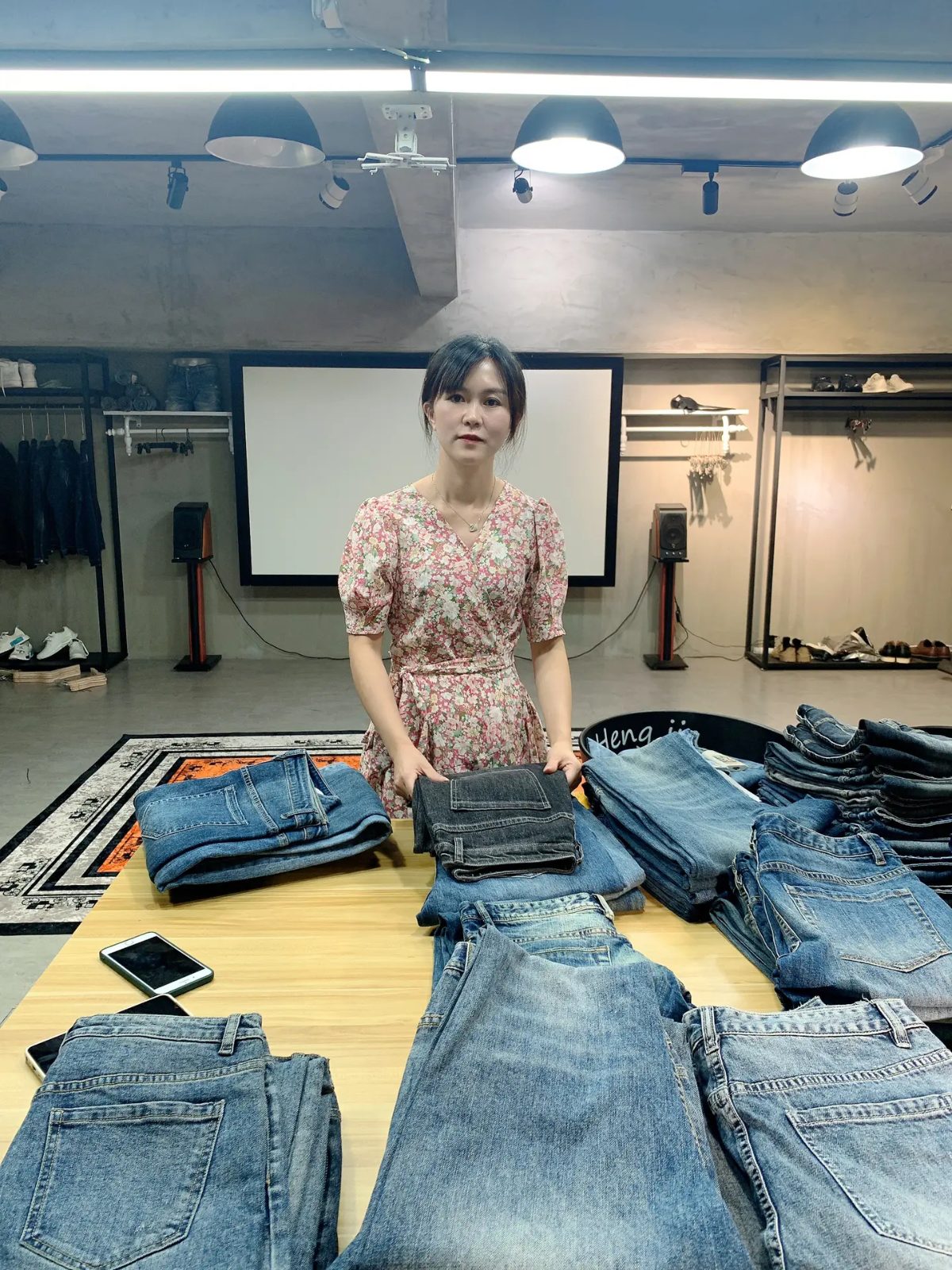
During sample evaluations, it's common to encounter deficiencies such as uneven stitching, inferior fabric weight, or poor seam alignment. Prioritize these evaluations and use them to guide your supplier selection process. Understand that these issues are often the most telling indicators of the overall production capability and care exhibited by a supplier.
Ultimately, the sample must meet both your design intent and quality expectations. This means the sample should not only look the part but also exhibit the durability and construction quality to meet the target wearer's needs. Be vigilant in noting whether the sample reflects the aesthetic appeal and functional requirements your brand promises to deliver. By focusing on these areas, you’ll be far better positioned to select a supplier that aligns perfectly with your needs."
Common Mistakes in Sampling Denim Jeans
One prevalent mistake in sampling denim jeans is overlooking the variation in samples from different batches. It's crucial to understand that each batch can have slight differences in color, feel, or even sizing due to changes in fabric dye lots and equipment settings. As a small-batch buyer, always verify that samples reflect the final production run's variability.
Another frequent oversight is focusing excessively on branding elements, such as embroidered logos or unique tags, while ignoring crucial structural components. The structural integrity of the denim, notably the quality and durability of seams and pockets, usually has a more direct effect on the garment's longevity than branding.
Mistaking aesthetic imperfections for quality issues can lead to unnecessary rejections of otherwise sound samples. Variations like slight inconsistencies in distressing or wash patterns often do not compromise the denim's structural quality. However, minor aesthetic issues should not overshadow the critical checks on functionality and durability.
Neglecting to verify the durability and strength of the stitching is another misstep. Denim jeans are subject to significant wear and stress, especially at seams and points like the crotch or belt loops. Buyers should rigorously evaluate the strength and technique of stitching, such as lockstitch or chain stitch, used in the samples to ensure robustness under regular use.
Lastly, underestimating the role of fit assessment in branding can impact branding negatively. Poorly fitting jeans can lead to unsatisfied customers and damage to your brand's reputation. Consistent and accurate fit evaluations during sampling are essential to ensure that your final products meet consumer expectations and maintain brand integrity.
Making an Informed Decision for Small-Batch Orders
Emphasize the durability and fit of denim jeans over aesthetic features when reviewing samples for small-batch orders. Prioritize fabrics known for their resilience and performance rather than being swayed by decorative elements. Understanding the trade-offs in fabric selection is crucial, as different blends offer varying benefits such as durability versus comfort. Stay focused on critical quality aspects—like stitching strength and seam fidelity—and avoid being distracted by superficial attributes. Trust samples that consistently meet your quality expectations, as they signal reliable future production standards.
FAQ: Evaluating Small-Batch Denim Samples
What is the most critical factor to consider in denim sampling?
The most critical factor is fabric quality, which determines the durability, comfort, and overall performance of the denim. Buyers should pay close attention to fabric weight, composition, and weave type.
How can I ensure the fit consistency in denim samples?
To ensure fit consistency, use standardized measurements and check for common discrepancies. Evaluate how the garment fits through actual wear tests and compare multiple samples to identify any variations.