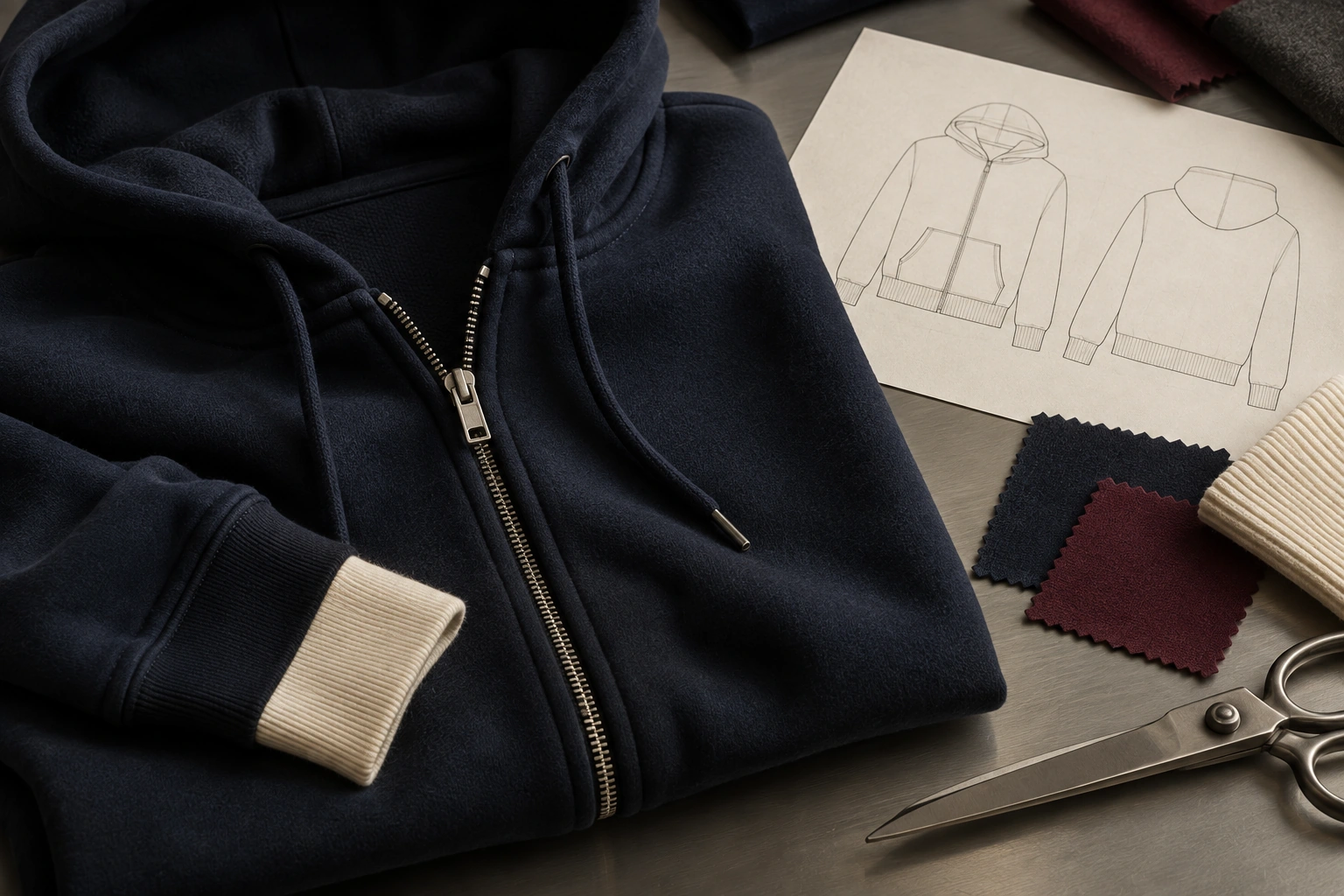
Your idea. A clear next step.
Start a SALATI clothing project with a design, reference or sample. Learn what to send for a quotation, sample review and production confirmation.
Start with a reference.
Share what you have. A design, sketch, photograph or product link is enough to open the conversation.
Discuss your projectThree useful things to send
- The garment reference and the changes you want.
- Your intended quantity by style and color, even if provisional.
- Your destination and requested sample, dispatch or arrival date.
Fabric or fit still undecided? Tell the team what you want help developing.
Prepare a detailed briefThe optional planner creates a brief for you to send. It does not submit an order or upload your files.
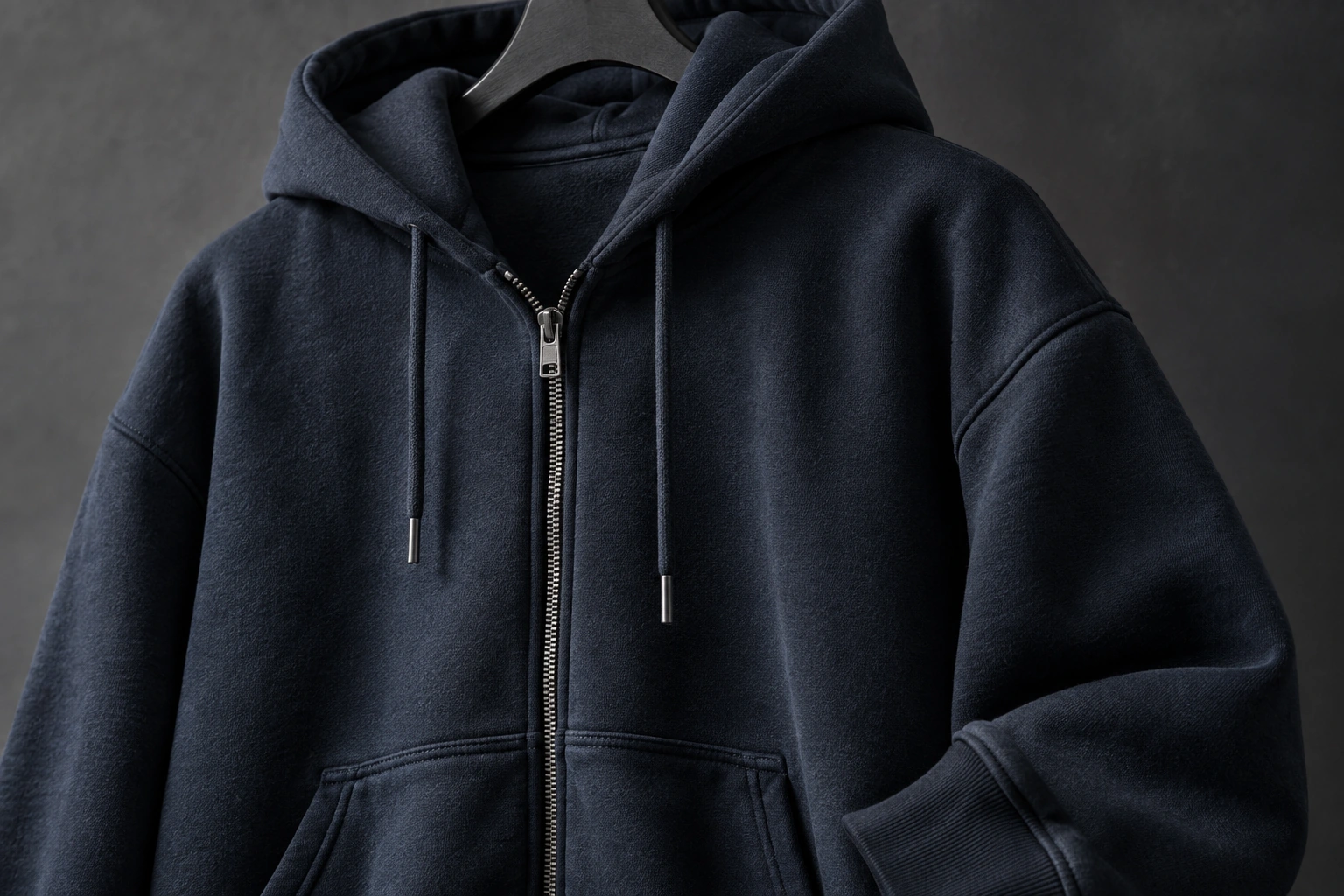
Define the garment.
Choose the styles that belong in the collection. Share the tech pack or reference garment, your material direction, colors, artwork and intended quantities.
- Design or reference
- Material and construction
- Artwork and labels
- Quantity and intended timeline
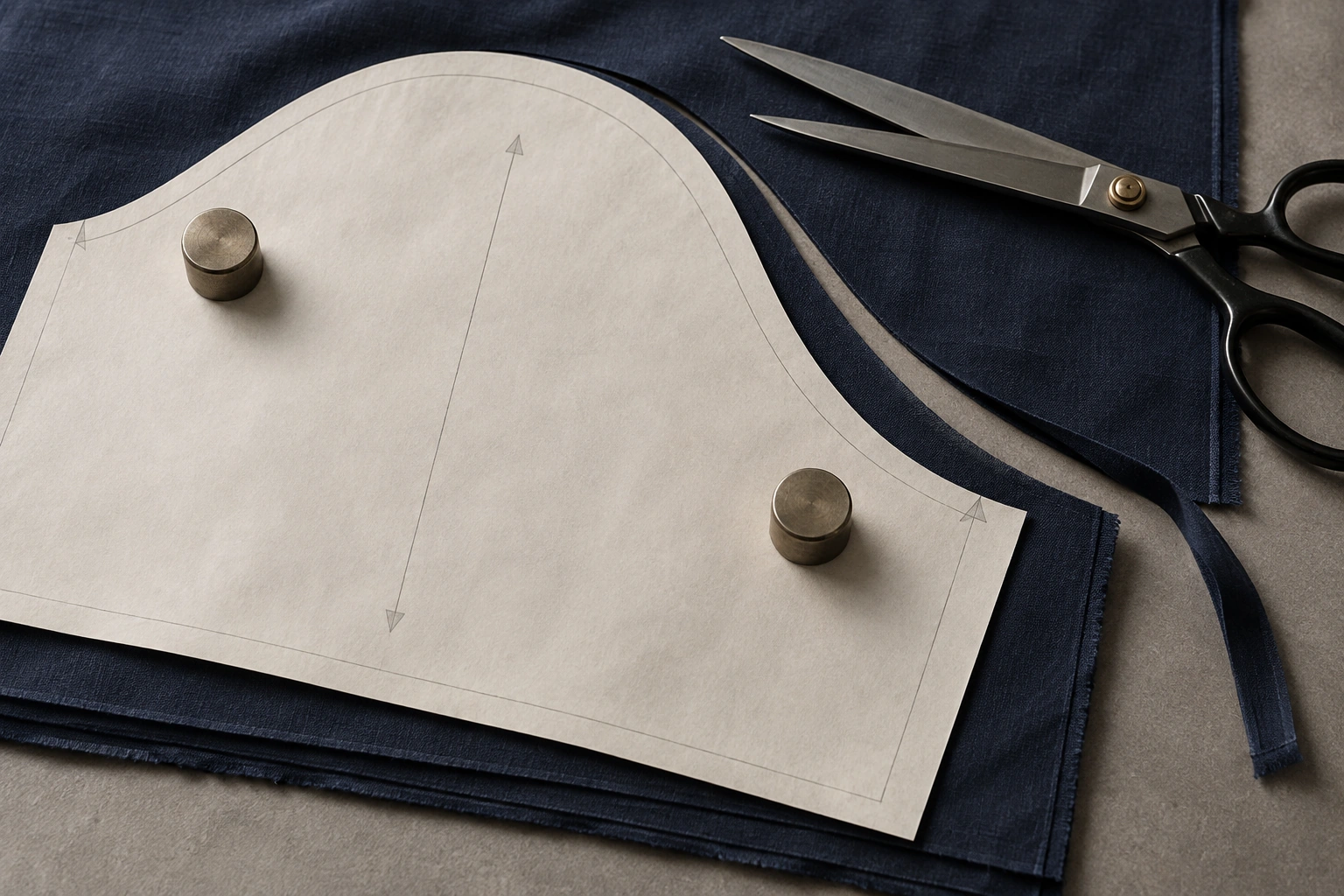
Make the first sample.
Review the development scope and quotation, then bring the idea into a physical garment. Compare it with the agreed brief and consolidate the changes in one review.
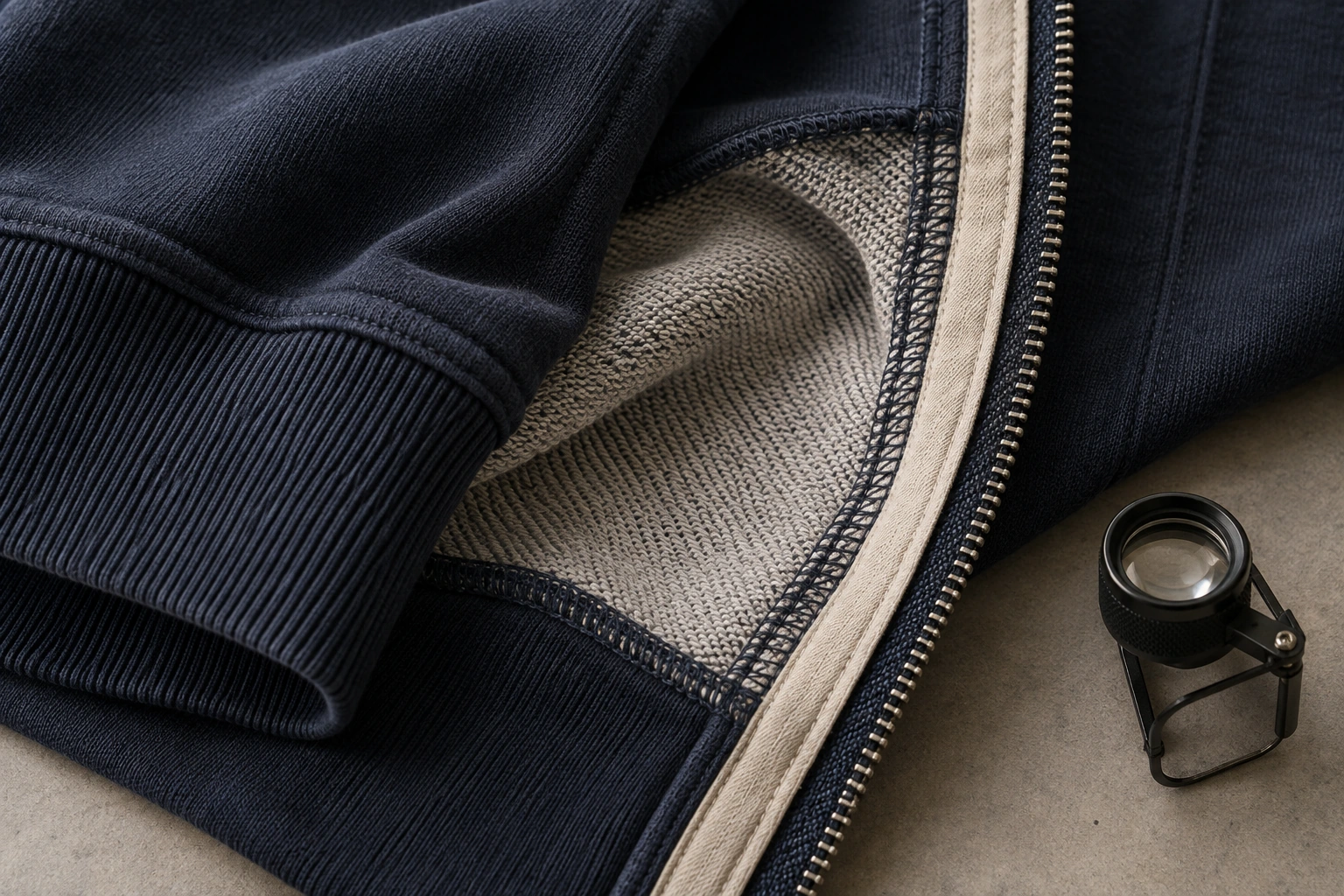
Agree the production reference.
Confirm the sample, specifications and order breakdown. Agree the commercial terms, review criteria, packing and delivery arrangements before production.
What should your first enquiry include?
Send a garment reference, the changes you want, your intended quantity and destination. Add your requested date and any design files you already have. You can contact SALATI before every material, measurement or artwork detail is final.
Read the full guideIdentify what is fixed and where you need help. A product link or photograph is useful when it is paired with a short description of the intended garment. A provisional quantity is useful too, provided it is clearly labelled.
| Your starting point | Useful first information | Next discussion |
|---|---|---|
| Finished design | Tech pack, artwork and quantity breakdown | Technical review, materials and sample quotation |
| Early idea | Sketch or reference plus the changes you want | Fit, fabric and development scope |
| SALATI product | Product link or ID and custom requirements | Current specification and sample options |
| Collection or set | References and quantities for each style or piece | Shared details, separate specifications and order units |
Before you move forward
- Garment type or product link, with the changes you want.
- Intended quantity by style and color; sizes if known.
- Destination and requested date, stating dispatch or arrival.
- A contact person and the questions you want answered first.
Explore the details
Check the garment specification and quantity breakdown behind the price. A collection total does not automatically describe the quantity for each style or color. For sets, confirm whether the quoted unit includes both pieces. Ask which materials, decoration, labels and packing are included.
Minimum quantities, sample fees, revision scope and the production schedule are project-specific confirmation points. If a sample fee may be credited against production, have that condition confirmed with the quotation. Keep provisional choices visible so the next conversation can resolve them.
Compare the garment with the current brief: fit, measurements, fabric, construction, artwork, labels and the intended finish. Note any temporary material or trim. Give each observation a clear next action, supported by a photograph or measurement where useful.
Combine comments into one dated revision. State what is approved, what must change and what still needs review. A request for a new design feature should be distinguished from a correction to the agreed brief, and any extra development scope should be confirmed.
Retain an identified approved sample and matching specification. Confirm the final style, color and size quantities, materials, artwork, labels, packing and delivery destination. Agree commercial terms and the required inspection or documentation scope with the team.
An enquiry starts the discussion; it is not an accepted production order. The website planner prepares a brief for you to download or email and does not send an order, upload attachments or take payment. Send the brief and original reference files to SALATI and obtain project confirmation before proceeding.
A few questions.
A clearer brief.
Send SALATI a tech pack, sketch, reference image or physical sample, together with the garment type, intended quantity by style and color, size range and delivery destination. Add fabric preferences, artwork, label requirements and the date the collection is needed. A complete tech pack is useful, but it is not required for an initial discussion.
Separate fixed requirements from details that need development advice. For example, specify whether an oversized hoodie must keep a particular shoulder shape or whether Salati Apparel can suggest a suitable French terry or fleece. Clear priorities make the sampling quotation more useful.
Prepare a custom clothing manufacturing briefA startup clothing brand can send SALATI a small-batch enquiry with the exact garment, material direction and intended quantity by style and color. Low-MOQ feasibility depends on sourcing, construction, decoration and trim requirements; no universal small-order commitment applies to every style.
Explain whether the project is a first sample, a test collection or a repeat order. Salati Apparel can assess the brief and discuss the available development route. Confirm any proposed changes to the specification, cost or quantity before treating the enquiry as an agreed production order.
Prepare a small-batch apparel quotation requestA SALATI quotation depends on the fabric, garment construction, quantity, color and size breakdown, decoration, trims, labels and packaging. Sample development and shipment scope should also be identified so the buyer can understand what is included.
Compare quotations against the same specification. A lower unit price may refer to a different fabric, print, packing arrangement or delivery term. Send Salati Apparel a clear brief and request the applicable unit price, development charges, quantity basis and commercial terms for the actual order.
Compare custom clothing quotationsSALATI sample development moves from the brief and material discussion to a quotation, pattern making, sample construction and review. The buyer should evaluate measurements, fit, handfeel, artwork, finishing and labels against the intended product.
Send one consolidated set of comments with annotated photographs and measurement changes. Salati Apparel can review the revisions and establish the next sample version. Bulk planning should refer to the approved garment and written specification, including the final materials, artwork and order breakdown.
SALATI pattern making and sample approvalThe SALATI project planner prepares a garment brief for download, copying or use in an email. Completing the planner does not itself place an order, take payment, send an email or upload original design attachments.
Use the contact options to send the prepared brief and original files to Salati Apparel, then confirm receipt and the next development step with the team. Keep the product link, quantity breakdown and contact details together so the manufacturing enquiry can be reviewed in context.
Prepare a SALATI apparel project briefContact Salati Apparel through the published email or WhatsApp details with a product reference, quantity by style and color, material direction, artwork and destination. Include the target date and any information that still needs clarification.
For Dongguan City Salati Apparel Co., Ltd. to review the request efficiently, identify whether the project needs design development, a first sample or a quotation based on an approved specification. The contact page provides the current business contact details and a route to discuss the next step.
Contact SALATI about custom clothing manufacturing