"How can I ensure my custom hoodie sample meets all requirements?" Begin by understanding what needs to be included in the tech pack you provide to your supplier, such as size, fit, and material specifications. Once the sample arrives, check its workmanship and detail accuracy—ensure that stitching, trims, and logos align with your provided designs. Use this checklist as a systematic approach to assess every aspect of the hoodie, enabling confident decisions before mass production. This ensures a seamless transition from sample to final product, avoiding costly errors and maintaining brand quality.
What are the Essential Steps for Approving Hoodie Samples?
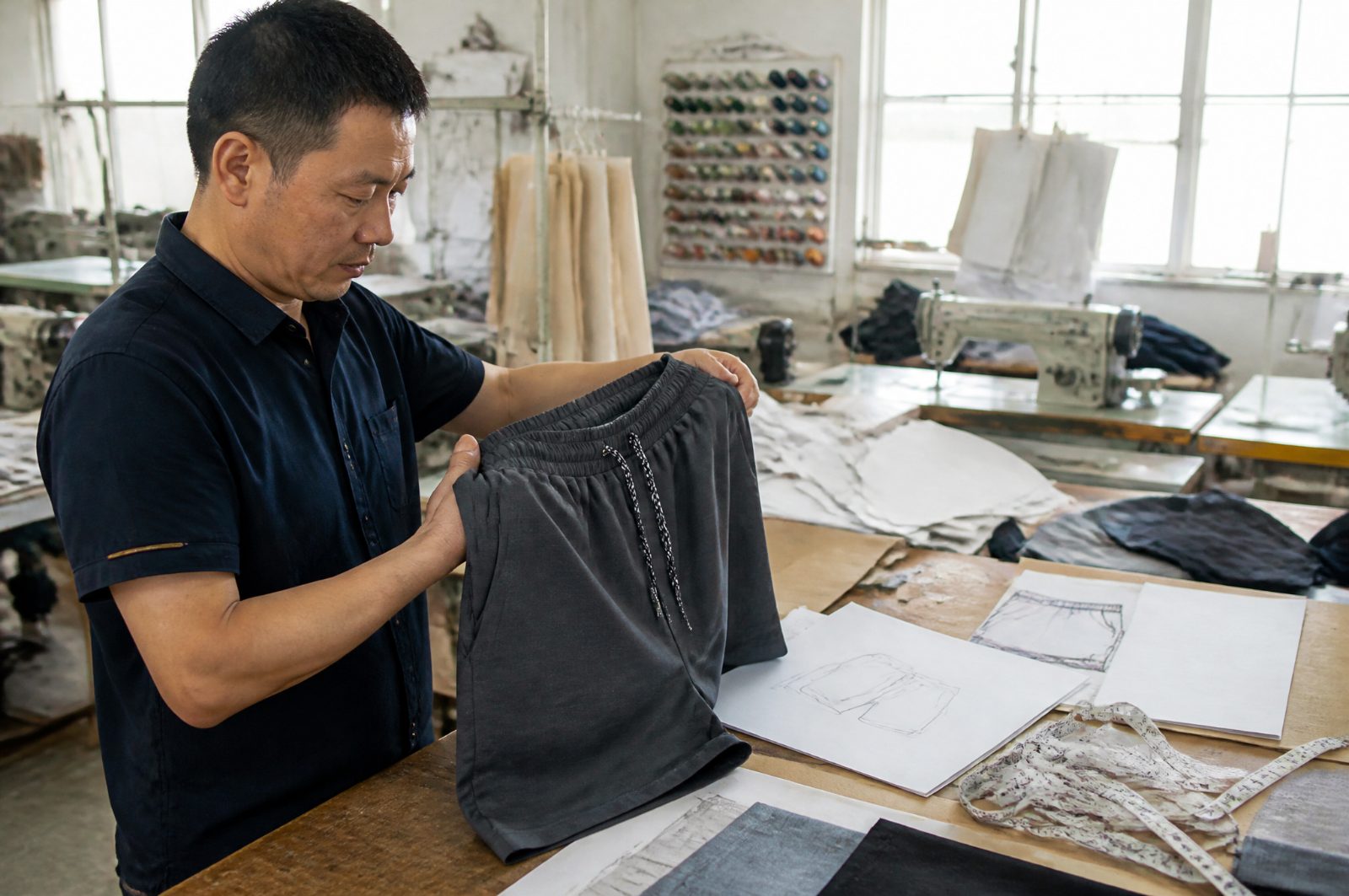
Reviewing your tech pack specifications is the first crucial step in hoodie sample approval. This document serves as the blueprint for the final product, detailing every aspect from fabric type to design elements. Ensure all dimensions and materials match the tech pack's specifications. It’s essential that the sample adheres to the set parameters for fit, custom details, and functionality, acting as a definitive guide to production.
Next, evaluate the fabric quality and color consistency. The fabric should not only meet the technical requirements of weight and texture but also align with your brand's aesthetic guidelines. Fabric color should be tested under various lighting conditions to ensure consistency across different production batches. Understanding the color fastness and ensuring that the dye stability aligns with your brand standards is vital to maintain visual uniformity.
Careful inspection of stitching and seam alignment follows. Assess the strength and alignment of the stitches, particularly in stress areas like armholes and hems. The seams should be consistent and durable, maintaining neatness and improving the garment's longevity. Poor stitching can compromise the durability of the hoodie, so it’s important to scrutinize this aspect rigorously.
Further, confirm that branding elements and placements match your design intentions. Logos and labels should be correctly positioned and appropriately sized, the interaction between placement and features like pockets should be precisely planned. Ensure these details are visible and proportionate to the overall aesthetics.
By meticulously considering these steps, buyers can help ensure that hoodie samples meet their functional criteria and align with the brand’s vision, offering a pathway toward successful production runs.
How Does Fabric Selection Impact Hoodie Samples?
Selecting the right fabric for a hoodie is a crucial decision that directly influences the product's final weight, comfort, and overall functionality. For instance, a fabric's weight and drape characteristics determine how the hoodie feels and wears. Heavier materials, such as fleece, offer substantial warmth but may restrict movement, while lighter fabrics like jersey can provide more fluidity without sacrificing style.
Engaging in a thorough evaluation of a fabric’s comfort and durability is essential. Softness and breathability affect wearability, while durability ensures the hoodie withstands regular use. Cotton blends, for example, often combine softness with resilience, offering a favorable balance for casual wear.
Fabric stretch and recovery properties are also key considerations. Materials like spandex-infused cotton provide excellent stretchability, returning to their original shape after being stretched. This feature is ideal for active or form-fitting hoodies, ensuring the garment maintains its silhouette over time.
Lastly, confirming fabric color fastness and dye stability is important for maintaining the hoodie's aesthetic over time. Buyers might consider requesting that material resists fading and bleeding, especially for vibrant or dark colors prone to running. This ensures the final product retains its intended appearance after repeated washes.
Fabric Properties and Trade-offs
| Fabric Type | Best For | Weight Implications | Comfort Level | Maintenance Needs |
|---|---|---|---|---|
| Fleece | Warmth | Moderate to Heavy | Soft, cozy | Requires gentle washing |
| Cotton Jersey | Everyday wear | Light to Moderate | Soft, breathable | Standard care |
| Cotton/Spandex | Active or fitted styles | Light to Moderate | Stretchy, form-retaining | Gentle cycle recommended |
| Polyester Blend | Durability | Moderate | Comfortable | Low maintenance |
| Organic Cotton | Eco-friendly designs | Light to Moderate | Very soft, natural feel | May require extra care |
How Do Printing and Embroidery Affect Sample Approval?
When assessing the impact of printing and embroidery on sample approval, start by verifying print clarity and color accuracy. Ensuring these elements mirror your design specifications is critical. A print that faithfully reproduces your intended colors and details speaks to the fabric and ink choice's compatibility. For instance, color discrepancies might arise if the printing process isn't adjusted for fabric absorption rates—this can affect whether the hue on your fabric matches the visual design.
Next, check embroidery alignment and thread consistency. Even minor misalignments can noticeably affect the final appearance. Examine each embroidery design for consistent stitching, especially around curves and angles. Thread thickness and type should be consistent; deviations can indicate issues in tension settings or inappropriate material choices for your intended look.
Comparing the durability of printing versus embroidery helps tailor your choice to project needs. Printing, often more vulnerable to wear, demands rigorous tests, such as wash trials, to evaluate longevity. Embroidery, on the other hand, typically offers greater endurance, making it suited for high-wear areas. Your project's needs—whether high durability or specific aesthetic considerations—inform this decision.
Finally, evaluate the tactile feel of prints and embroidery against your expectations. The texture of a print can range from smooth to slightly raised, and embroidery will have a textural depth that printing lacks. Clients often prioritize the tactile experience, especially in custom streetwear where feel plays as big a role as looks.
For further exploration of customization techniques and their impact on garment identity, consider checking out our guide on Custom Shirts: Express Your Brand's Identity. Understanding these nuances helps ensure your hoodie samples align precisely with your brand's vision.
What Variables Should You Consider Before Giving Approval?
Before giving final approval on a custom hoodie sample, there are several critical variables you need to evaluate. One of the first considerations should be the sample's dimensions. Do the measurements align with the planned size and fit specifications? Precise dimensions can determine whether the garment will meet the intended design and fit the target demographic appropriately. Pay close attention to the width across the chest, sleeve length, and overall garment length. Any deviation here can affect the wearability and attractiveness of the end product.
Another crucial factor is to assess the sample's alignment with the usage scenario or target market needs. Consider who will be wearing the hoodie and in what settings. For instance, a hoodie intended for athletic use will require a different breathability and flexibility level than one meant for casual streetwear. The approved sample should reflect these end-use conditions accurately, ensuring maximum functionality and satisfaction for the intended users.
Functional elements play a significant role in the approval process. Ensure that all aspects like zippers, pockets, and drawstrings work as intended. Zippers should glide smoothly without sticking, pockets need to be securely attached, and drawstrings should be functional and aesthetically fitting with the overall design. Ignoring these could lead to dissatisfaction and additional costs down the line.
It's important to analyze the sample feedback to identify potential production issues. Evaluate the sample closely for any defects or challenges that could escalate in mass production. Early detection of inconsistencies or production inefficiencies can save time and resources and assure a higher quality bulk outcome. Gathering and responding to feedback from all relevant stakeholders can illuminate these areas, making it vital to incorporate during the sample approval phase.
What Checklist Should You Follow for Final Sample Approval?
Before approving your custom hoodie sample, ensure a thorough review against the detailed tech pack. Verify all design specifications are faithfully adhered to by comparing stitch counts, logo placements, and specified colors against what was agreed in the tech pack. Inaccuracies here could disrupt consistency in mass production.
Next, inspect for cosmetic defects or irregularities. Scrutinize every seam and surface for inconsistencies, such as frayed edges, uneven dyes, or visible loose threads. These seemingly minor issues can escalate into larger quality control problems during mass production if overlooked.
Confirm sample functionality and fit through practical tests. This involves assessing components like zippers for smooth operation without snagging, ensuring pockets are stitched securely and hem lines sit flat against the body. Try the hoodie on models matching your target demographic to verify fit and comfort.
Lastly, ensure the labeling and packaging align with your brand's identity and meet regulatory standards. Check that all labels include required material information and country of origin details, as mandated by the U.S. Federal Trade Commission (FTC). Packaging should protect garments adequately and highlight branding appropriately.
For an exhaustive guide to preparing a comprehensive request for quotations (RFQ) which can lead to successful initial sampling phases, consider visiting Preparing an RFQ for Custom Shorts: Essential Checklist. Building this detailed groundwork is crucial for aligning brand intentions with final products.
What Should Be Communicated Back to the Manufacturer?
When evaluating a custom hoodie sample, clear communication with your manufacturer is crucial to ensure the final product aligns with your brand's vision. Start by providing precise feedback on any improvements needed. Focus on discrepancies between the sample and your original design intent. Highlight areas like color shade, fabric texture, or logo placement that may not meet your expectations. A photo with annotations can clarify specific adjustments, helping to eliminate misunderstandings.
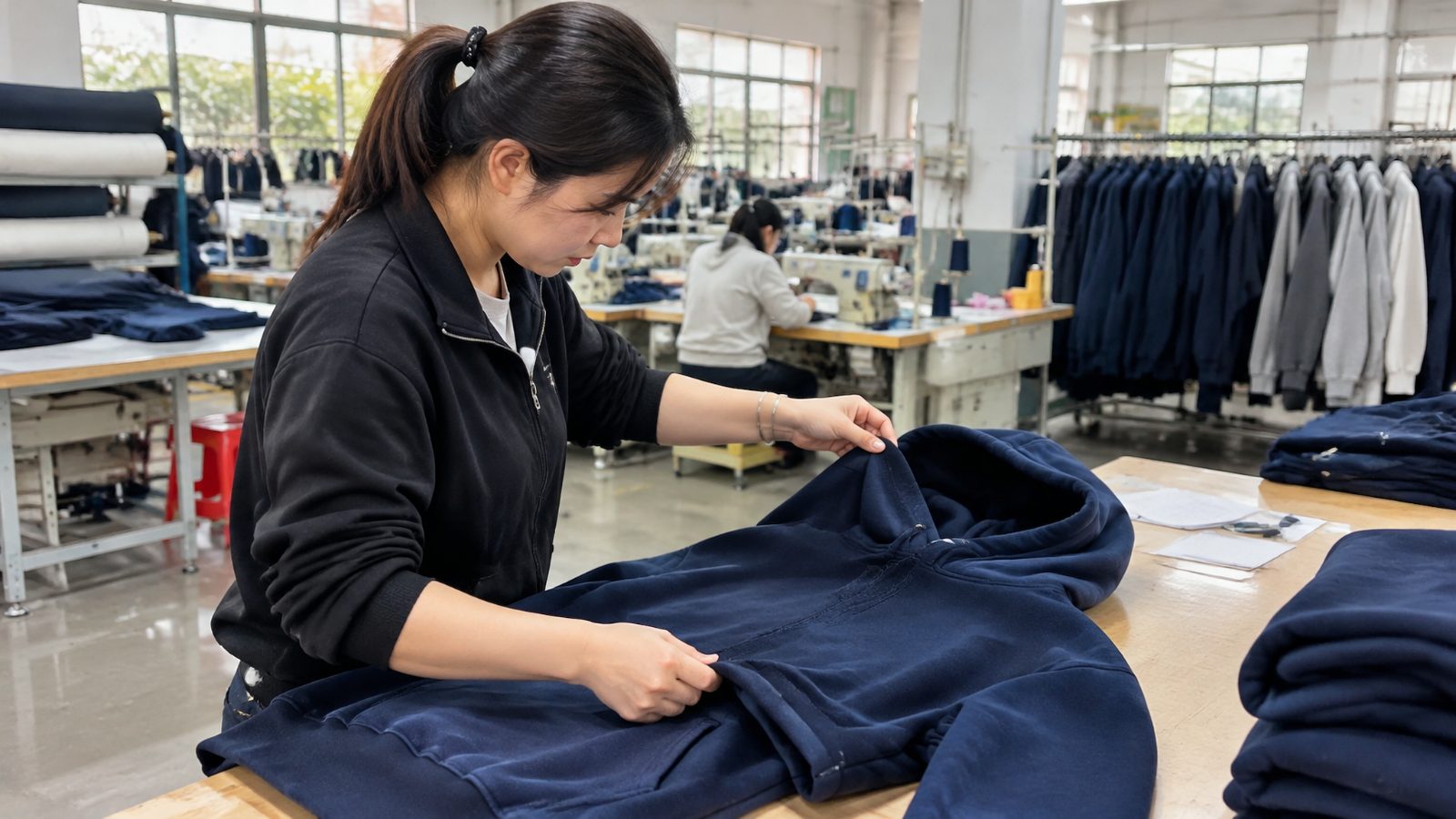
Next, discuss potential production timeline adjustments. Delays can occur if the sample showed elements that require refinement. Whether it's needing additional prototype rounds or adjusting the timeline due to new material sourcing, having an open dialogue ensures both parties remain aligned on realistic schedules. Keep in mind that while timelines need to be flexible, you still want to maintain a production window that aligns with your market launch plans.
Address any discrepancies by referencing the original tech pack specifications and your brand’s requirements. Clearly communicate what the sample missed versus what was expected. If the fabric feels lighter or the stitching appears less durable, specify what you need corrected. Having a detailed discussion will make sure the manufacturer fully understands the adjustments needed.
If necessary, negotiate changes in materials or techniques. For instance, if the sample hoodie didn't exemplify the durability you require, consider discussing alternative fabric options or investing in reinforced stitching techniques. These negotiations not only ensure quality but might also affect cost and delivery terms, aspects you should carefully weigh.
For additional guidance on communicating these changes, consider reviewing resources like The Essential Checklist for Ordering Denim Jeans, which offers insights into detailed quality checks and supplier communication strategies.
Next Steps After Sample Approval
Once you approve the hoodie sample, the next step is deciding whether to move forward with bulk production. Use the feedback from the sample to fine-tune your order. Engage in discussions with the manufacturer about order quantities and delivery timelines. Expect to adjust certain elements in bulk production based on insights gathered. Refining these details ensures that the transition to large-scale manufacturing proceeds smoothly and aligns with your brand's specifications.
FAQ: Approving Custom Hoodie Samples
What if my hoodie sample doesn't match the tech pack?
If your hoodie sample doesn't match the tech pack, immediately convey discrepancies to your manufacturer. Discuss potential corrections and retesting before approving production. This ensures the final product accurately reflects your specifications.
How long should sample approval process take?
The sample approval process should ideally be completed within a few weeks, depending largely on the complexity of the design and communication efficiency with your manufacturer. Ensure sufficient time for detailed review to avoid rushed decisions.
Can I make changes after approving a sample?
Yes, changes can be made after sample approval, but it may impact the production timeline and costs. Discuss any modifications with your manufacturer promptly to assess feasibility and adjust plans accordingly.
What should I do if multiple samples have defects?
If multiple samples have defects, review the production process with your manufacturer to identify root causes. Discuss quality concerns and corrective actions with the manufacturer to resolve issues before mass production.