Choosing between French terry and fleece for your hoodie largely depends on fabric texture and usage. French terry features a loop-knit back, providing breathability and an everyday wear feel, while fleece offers a softer, plush surface that excels in warmth and coziness. Generally, fleece is better suited for colder climates or those looking for ultimate comfort, whereas French terry is ideal for a versatile, mid-weight option that can transition easily across seasons. If you're looking to manufacture custom hoodies, consider factors like climate, intended use, and garment weight, as they can significantly influence your choice. Dongguan City Salati Apparel Co., Ltd. offers custom-made streetwear and can help you determine the best choice for your specific needs.
Choosing Between French Terry and Fleece
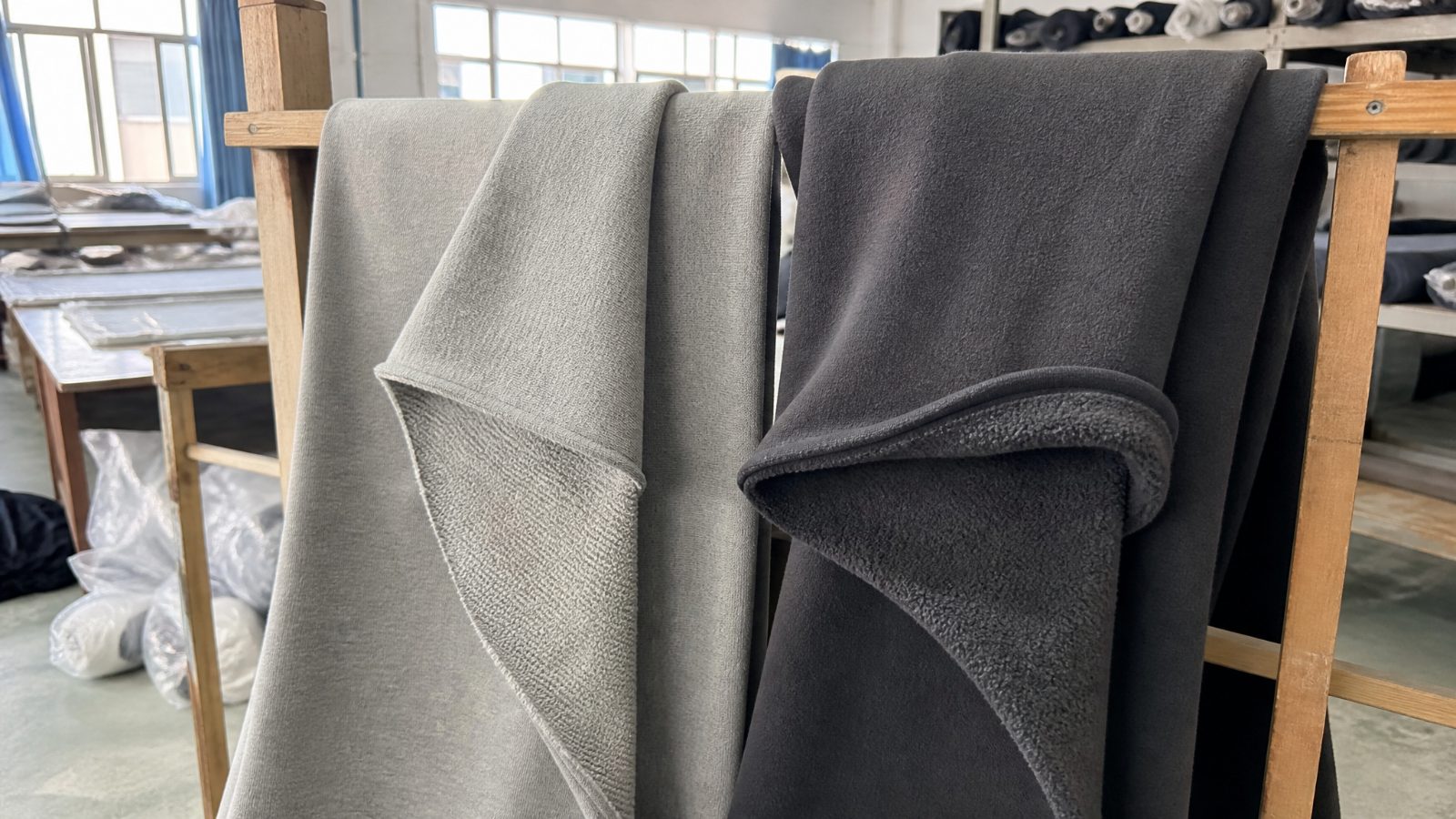
Selecting between French terry and fleece for your hoodie hinges on understanding their core differences. French terry is known for its loop-knit structure, which gives it a smoother finish on one side and a looped texture on the other. This characteristic makes it lighter and slightly less insulating than fleece, providing moderate warmth with enhanced breathability. Conversely, fleece is typically brushed on one side to create a fuzzy texture, enhancing its insulating properties, making it a go-to for cold-weather garments.
The texture of these fabrics plays an integral role in their performance. The looped construction of French terry allows airflow, which helps maintain comfort during mild temperatures and offers excellent moisture-wicking capabilities. This makes it suitable for both temperate climates and activities that require a degree of ventilation or layering. Fleece's plush texture, however, excels in providing warmth and a cozy feel, making it ideal for leisure and relaxation in colder settings.
Fabric weight directly impacts comfort and durability. French terry is generally lighter, offering flexibility and comfort for casual wear or active pursuits. Its medium weight doesn’t compromise movement but ensures the wearer feels snug. On the other hand, fleece’s heavier weight contributes to its durability and warmth, often preferred for outerwear or loungewear that demands a comforting embrace without excessive layering.
When considering use and climate, French terry suits moderate climates and activities that may generate heat, benefiting those who value breathability. Fleece is the fabric of choice for colder environments where warmth takes priority.
When choosing the right fabric, consider the balance of texture, weight, and intended use to meet your specific needs. Our expertise in crafting Custom Hoodies and Sweatshirts ensures that our customers receive a product tailored to their requirements.
Why Choose French Terry for Hoodies
French terry fabric is distinguished by its unique loop-knit structure on the inside, which offers specific advantages. These loops facilitate moisture absorption and improve breathability. By drawing sweat away from the skin, French terry hoodies are ideal for activewear, providing comfort during workouts or physical activities. For those venturing into the custom apparel market, understanding this feature can direct them to a more suitable fabric choice.
One of the biggest attractions of French terry is its versatility as a mid-weight fabric. Compared to heavier fleece, it offers less dense warmth, making it suitable for layering or for use in more temperate climates. A French terry hoodie, for example, can act as a perfect base layer under a jacket or as a standalone garment during fall or spring. This ability to adapt to different layers and weather conditions makes French terry an attractive option for casualwear and all-season garments.
In terms of applications, French terry shines in both active and leisure settings. It's less about bulk warmth and more about maintaining a comfortable body temperature, which is why it's often found in sporty or athleisure collections. It's also valued for casual hoodies where comfort doesn't come at the expense of sleek, understated style. If you're in the market for developing custom hoodies that cater to a dynamic lifestyle, French terry offers a fabric that accommodates movement without overheating.
For those customizing hoodies with Salati, exploring Custom Hoodies and Sweatshirts: Fabric Choice Impact provides further insight into how fabric choices can define style and utility. French terry’s place in both active and casual wardrobes underscores its appeal, offering flexibility without sacrificing function.
Why Choose Fleece for Hoodies
Fleece offers unmatched warmth and insulation, making it an ideal choice for cold-weather hoodies or lounging wear. The fleece manufacturing process involves knitting synthetic fibers such as polyester into a thick, fluffy fabric, which is then brushed to enhance its soft texture and insulation properties. This brushing process creates a raised surface that traps air, providing excellent thermal insulation, equivalent to natural wool in some cases. Fleece is especially beneficial for those seeking warmth without the added bulk of heavier fabric.
The cozy, plush feel of fleece fabric is a significant reason it's preferred for relaxed fits and comfort-focused designs. Its heavier weight adds to the sense of warmth and comfort, wrapping the wearer in a luxurious, blanket-like embrace that's perfect for lounging or casual outings on chilly days. The fabric's ability to maintain its insulation properties even when damp further solidifies its reputation as a top choice for winter apparel.
Beyond mere comfort, fleece’s texture offers a distinct tactile experience that's particularly appealing in hoodie designs. This soft, inviting touch is not only comfortable against the skin but also enhances the aesthetic appeal of hoodies, making them a staple in comfort-focused streetwear collections. With its naturally cozy properties, fleece remains a go-to option for brands aiming to deliver maximum comfort and warmth with style.
For those prioritizing insulation and coziness, fleece is a popular choice, providing both comfort and warmth. It's this combination of properties that makes fleece such a sought-after material in the design and manufacture of hoodies intended for colder climates or relaxed wearing conditions.
French Terry vs. Fleece: Head-to-Head Comparison
When it comes to comparing French terry and fleece, various factors make each fabric distinct for hoodie construction. Weight is a crucial aspect; French terry typically features a mid-weight structure, often ranging between 200-400 GSM (grams per square meter), whereas fleece is generally heavier, providing greater warmth with weights often surpassing 300 GSM. This weight distinction makes fleece particularly suitable for cold-weather garments, while French terry offers greater flexibility for multi-season wear.
Breathability and moisture control are distinct between the two. French terry is well-regarded for its breathability due to its natural loop-knit structure, which allows for superior moisture management. This makes it particularly advantageous for hoodies intended for activewear or temperate climates. Conversely, fleece provides significant warmth but less breathability, making moisture management a secondary concern in situations where insulation is more valued.
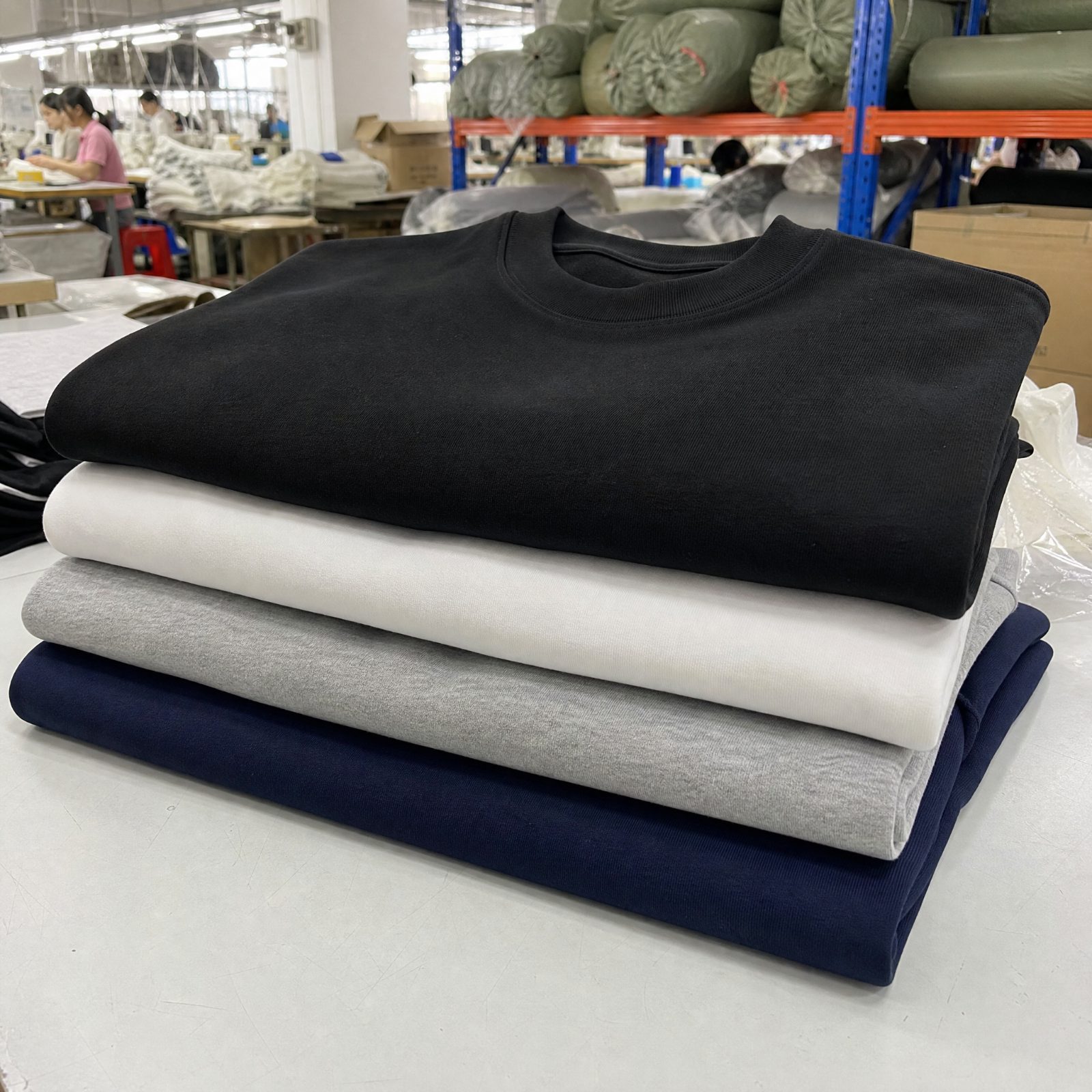
In terms of durability, French terry tends to resist pilling better over time compared to fleece, which can show signs of wear with frequent washing and use, especially if the fleece is of lower-grade fibers. Consequently, French terry's smooth surface tends to have better long-term wear resistance, maintaining the garment's neat appearance across numerous uses and washes.
From a cost perspective, the production of fleece can often be less expensive due to the prevalence of synthetic fibers, potentially making fleece a more cost-effective option for those prioritizing warmth over other attributes. In contrast, the higher durability of French terry may justify its initial cost, offering cost-effectiveness through extended lifespan.
Comparison of French Terry and Fleece Fabrics for Hoodies
| Characteristic | French Terry | Fleece | Best Use | Climate Suitability |
|---|---|---|---|---|
| Weight (GSM) | 200-400 | 300+ | Multi-season wear | Temperate |
| Breathability | High | Moderate | Activewear | Cold |
| Moisture Control | Excellent | Limited | Casual and activewear | Variable |
| Durability | High | Moderate | Casual wear | All climates |
| Cost-Effectiveness | Long-term investment | Short-term value | Budget considerations | Cold and warm |
In conclusion, while French terry provides a nuanced balance of breathability and durability suitable for active or casual wear in varied climates, fleece excels in providing warmth and comfort in colder environments with budget-friendly options.
When to Choose French Terry vs. Fleece
Choosing between French terry and fleece depends significantly on the intended function and setting of the hoodie. French terry is an excellent choice for multi-season wear due to its versatility. Its loop-knit construction allows it to handle temperature variations effectively, making it ideal for layering. This structure provides moderate warmth, which is suitable for spring through fall. When outdoor activities or a busy lifestyle are in the considerations, French terry stands out with its breathability and moisture absorption, efficiently wicking sweat compared to fleece. It’s a go-to for those who prioritize active use.
On the other hand, fleece excels in providing maximum warmth, making it the fabric of choice for colder environments. The brushed inside surface traps air, offering superior insulation, which is crucial in maintaining body heat during freezing temperatures. Fleece's soft touch and comfort qualities also make it the preferred option for loungewear and cozy at-home apparel. In terms of comfort-based designs, fleece is generally more relaxed and forgiving, offering a snug feeling, which is sometimes more desirable for indoor relaxation and casual settings.
Ultimately, evaluating lifestyle needs and wear conditions is critical when deciding between these fabrics. If your typical day involves a lot of physical activity or varying climates, French terry offers the adaptability required. Conversely, if comfort and warmth are paramount, as seen in scenarios like winter lounging or less active settings, fleece is the clear choice. To further dive into fabric choices for specific contexts, consider checking out the insights on Heavyweight T-Shirts: Factors to Consider Before Purchase. Balancing functionality with personal preference will ensure that your hoodie not only serves its practical purpose but also aligns with your lifestyle.
Common Mistakes in Choosing Hoodie Fabrics
When selecting fabrics for hoodies, overlooking the texture and weight of materials like French terry and fleece can lead to dissatisfaction in the final garment. French terry has a loop-backed texture that offers moderate warmth and moisture absorption, while fleece boasts a brushed surface that feels softer and warmer. Buyers often confuse these textures and weights, assuming they offer similar insulation and breathability, which can significantly impact the garment's performance in different climate conditions.
Another common oversight is ignoring the climate compatibility of fabrics. French terry is versatile for layering, making it suitable for transitional seasons or temperate climates. Fleece, on the other hand, is optimal for colder environments due to its substantial insulation properties. Misjudging these roles can result in garments that fail to meet customer expectations, especially in regions with distinct seasonal changes.
Fabric care instructions are frequently overlooked, yet they directly affect the longevity of the hoodie. Fleece requires gentle washing to prevent pilling and maintain softness, while French terry benefits from a wash-and-dry routine that preserves its inherent texture. Failing to adhere to these guidelines can lead to premature wear, affecting the garment's lifespan and customer satisfaction.
Additionally, many underestimate the specific uses of each fabric type. French terry, with its breathable properties, is ideal for activewear applications where moisture management is crucial. Fleece, however, excels in loungewear for its comforting warmth and softness. Disregarding these specific applications may result in choosing a fabric that does not align with the intended use.
Lastly, a failure to consider layering options can compromise the garment's versatility. French terry allows for easy layering under jackets without bulk, making it a practical choice for matching sets and tracksuits. Fleece, due to its thicker nature, might not be conducive to layering beneath heavy outerwear but is excellent for standalone warmth. Recognizing these differences is crucial for optimizing both the function and feel of the hoodie.
Deciding the Right Fabric for Your Custom Hoodie Needs
Choosing between French terry and fleece ultimately hinges on intended use, climate, and comfort priorities. French terry, with its breathable and moisture-absorbing properties, is ideal for those seeking multi-season versatility, particularly in moderate climates. On the other hand, fleece offers superior insulation, making it perfect for cold weather and comfort-focused designs. The selection also depends on the wear context—active environments may favor the practical properties of French terry, while fleece suits leisurely and warmth-driven settings. Dongguan City Salati Apparel Co., Ltd. assists in tailoring the fabric choice to specific design intentions and environmental demands, ensuring that your hoodie meets both style and functional expectations.
FAQ: Choosing the Right Hoodie Fabric
What is the main difference between French terry and fleece?
The main difference lies in the texture and weight. French terry has a loop-knit back and is mid-weight, making it breathable and suitable for layering. Fleece, however, is brushed, providing a plush texture ideal for warmth and comfort.
Is French terry suitable for winter clothing?
French terry can be used in winter if layered properly. It is a mid-weight fabric that offers some warmth but is better suited for temperate climates or transitional seasons when layered.