Many buyers believe that French Terry and Fleece hoodies offer similar durabilities, yet this isn't entirely true. French Terry is renowned for its longevity due to its looped weave, providing excellent moisture absorption and breathability. In contrast, Fleece, while warm and soft, might not hold up to heavy washing like French Terry. This material can pill and lose form over time, especially without proper care. For those intending frequent wear under demanding conditions, understanding these differences can steer you towards making better material choices. Consulting suppliers about material behavior can help ensure you get the performance expected in your hoodies.
Common Beliefs About Durability
Many consumers operate under the assumption that all hoodies share similar durability, overlooking how the choice of fabric can significantly impact performance. Materials like French Terry and Fleece are often considered equally long-lasting by casualwear markets. This misconception primarily stems from their widespread popularity and use in streetwear, sportswear, and casual settings—it’s easy to believe that cultural ubiquity equates to equivalent durability.
French Terry and Fleece are particularly noted for their frequent appearances in informal collections, leading to the perception that they provide similar levels of strength and wear resistance. However, this belief often neglects to consider the inherent characteristics and maintenance requirements of each fabric. French Terry, for instance, is recognized for its looped structure which contributes to its durability by resisting friction and allowing moisture absorption, attributes that fleece does not share to the same extent. Such structural differences play a crucial role in how each material stands up to daily wear and washing cycles.
The root of these misunderstandings often lies in generic online content that doesn't adequately differentiate between the nuances of the two materials. Marketing materials or oversimplified fashion guides may promote uniform durability to make products appealing or stave off consumer confusion. As a result, critical information specific to each fabric’s longevity is frequently glossed over.
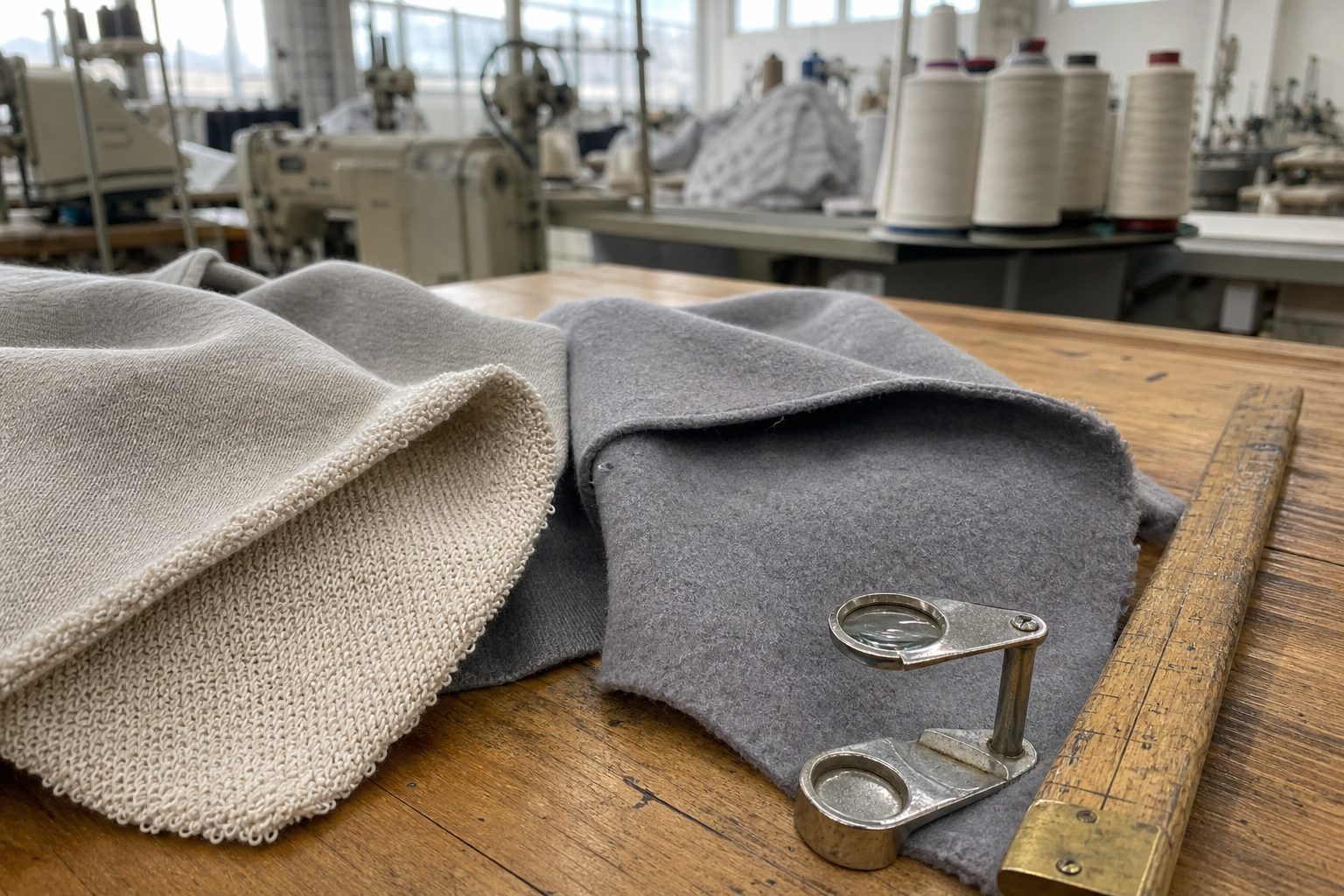
Additionally, consumers rarely investigate the individual needs of these materials in terms of maintenance. Proper care is vital to maximizing each fabric's lifespan. For instance, fleece requires careful handling to maintain its softness and structure, whereas French Terry maintains its integrity after frequent laundering. Overlooking such factors can lead to premature wear, producing a false impression of inadequacy in either material that could be entirely avoided with proper care.
Understanding fabric-specific properties and care requirements ensures that the choice of a French Terry or Fleece hoodie aligns with the consumer's expectations and usage patterns. This awareness can guide not only individual purchases but also the strategies of brands looking to produce durable garments that truly meet the demands of their target market.
French Terry's Resilience in Casualwear
French Terry is famed for its durability in casualwear, largely thanks to its unique looped fabric structure. This looped design not only enhances the fabric’s texture but also contributes significantly to its overall strength, making it an ideal choice for garments that undergo frequent handling and washing. Unlike other fabrics, which might show signs of wear quicker, French Terry hoodies maintain their form and finish even after extensive use. The loops allow for a lighter yet sturdier fabric that can withstand the rigors of daily wear without compromising comfort or style.
Another key to French Terry's resilience is its ability to absorb moisture effectively. This moisture absorption is not just about comfort—although it does enhance the wearing experience—it also reduces the wear and tear associated with wet use. By wicking away moisture from the skin, French Terry minimizes the friction that can cause deterioration over time. This capability is particularly beneficial in conditions where sweat and humidity are factors, ensuring that the garment remains comfortable and intact.
Pilling, a common issue with many knit fabrics, is less of a concern with French Terry. The minimal risk of pilling allows French Terry garments to maintain a neat and polished appearance even with repeated wear and washing. This attribute helps in extending the lifespan of a hoodie, ensuring that it remains a staple piece in any wardrobe for much longer than other fabrics might.
It's this combination of durability and appearance maintenance that makes French Terry a standout choice for casualwear. Hoodies made from French Terry can endure frequent washing cycles without shrinking or losing shape, a testament to their robust nature. The fabric’s ability to handle the stresses of regular laundering without significant wear is a key factor in its preference among those looking for reliability in their casual apparel.
Overall, French Terry's strengths lie in its practical durability and its low-maintenance appeal, making it a go-to for those needing reliable performance combined with minimal upkeep.
Fleece Hoodies: Myths and Facts
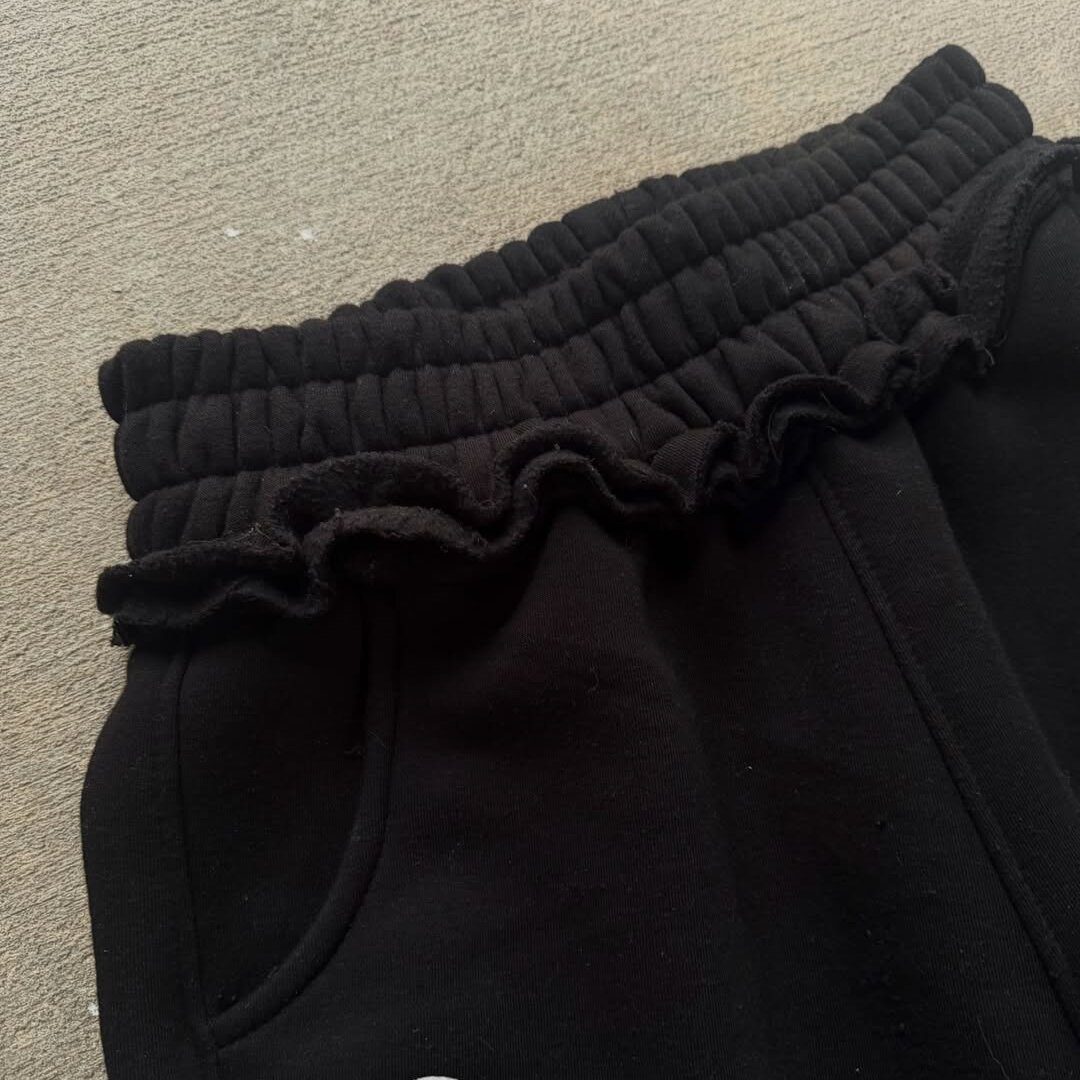
Fleece hoodies are often celebrated for their incredible softness, a characteristic that has made them a staple in casualwear. However, when it comes to durability, misconceptions abound. While fleece does provide that soft, cozy feeling perfect for cool days, its wear resistance is often not on par with heavier alternatives like French Terry. Pilling is a common issue with fleece. Accumulating on the surface after several washes, these small balls of fiber can compromise the hoodie’s aesthetic and comfort. According to testing standards such as ASTM D4970, these pills result from abrasion, which is a frequent consequence of the fabric's loose structure.
In addition to pilling, shape retention is a frequent concern with fleece. Its stretchy nature, while providing comfort, can lead to loss of form over time, especially without structured seams or reinforcements at stress points like cuffs and hems. When exposed to repeated wear and wash cycles, as per typical household laundering routines, fleece hoodies can become misshapen more easily than their French Terry counterparts.
Fleece's ability to retain warmth is another aspect that drives its popularity, particularly in winter apparel. It acts as an insulator by trapping air between fibers, but this insulating property does not necessarily correlate with long-lasting durability. Over time and repeated use, the fibers can flatten, causing a gradual decline in thermal efficiency and texture. Notably, without proper washing and care—such as using cold water and avoiding excessive heat in dryers—the signature softness of fleece might degrade, leading to a less comfortable wearing experience.
For those deciding between fleece and other materials, it's beneficial to review comprehensive material guides, such as French Terry vs. Fleece: Deciding the Right Hoodie Material, which provide insights into these differences in performance and care.
The love for fleece is undeniable, but acknowledging these aspects prepares buyers better. Considering the conditions for which the hoodie will be used, as well as understanding the commitment required in its maintenance, can guide a more informed purchase.
How French Terry and Fleece Compare
When comparing French Terry to fleece, understanding the composition of each fabric reveals a distinct difference in their characteristics and performance. French Terry, with its looped knit construction, excels in moisture absorption. This structure allows the fabric to wick moisture away from the skin, reducing discomfort and minimizing wear from prolonged moisture exposure. In contrast, fleece typically has a smoother knit, focusing more on providing warmth and a soft texture than efficient moisture management.
Examining the resilience of both materials under continuous use, French Terry tends to retain its appearance over time. Its high resistance to pilling keeps it looking fresher, making it ideal for garments that need to maintain a polished look despite frequent use. Fleece, although softer, can suffer from pilling more quickly, especially after repeated laundering. This can lead to a less tidy appearance, which is crucial for those prioritizing a well-maintained aesthetic.
Regarding comfort, fleece offers an immediate soft and plush feel due to its napped finish. This tactile quality makes it a comfort favorite for casual clothing where warmth is prioritized. However, comfort factors must also consider durability traits; while fleece provides coziness, its long-term appearance might suffer without careful maintenance. French Terry, less plush to the touch, balances comfort with durability, offering a less cozy but practically resilient option.
Both fabrics are evaluated for their environmental impact as well. Fleece production can utilize recycled polyester, aligning with eco-conscious manufacturing goals. French Terry, typically cotton or cotton-blend, appeals to those seeking natural fiber options, though its environmental friendliness can vary based on sourcing practices. This aspect should be part of the decision-making process for brands that prioritize sustainability in their supply chains and product footprints.
Comparison of French Terry and Fleece Hoodies
| Feature | French Terry | Fleece | Best for | Trade-off |
|---|---|---|---|---|
| Moisture Absorption | High, reducing wear and discomfort | Low, prioritizes warmth | Athletic wear | Less initial softness |
| Appearance Over Time | Retains neatness, low pilling | Prone to pilling, less neat | Casual, tidy looks | Requires more upkeep |
| Comfort | Moderate | High, plush and soft | Lounge wear | Durability vs. softness |
| Environmental Impact | Natural fibers, sourcing essential | Can use recycled polyester | Eco-conscious brands | Depends on fiber origin |
For more insights into choosing the right hoodie fabric, consider reading about French Terry vs. Fleece: Choosing the Right Fabric for Your Hoodie, where each fabric’s traits are analyzed in further detail."}
Verifying the Right Hoodie Material
Selecting the right hoodie material starts with a thorough inspection of fabric samples before committing to a bulk order. This step is crucial in assessing the texture, weave, and potential longevity of the material. Both French Terry and fleece can look appealing online, but certain elements only reveal themselves upon physical examination. Buyers should feel the fabric's density, test its elasticity, and inspect for initial signs of potential pilling or shedding — a critical concern for fleece hoodies. Physical samples allow verification that aligns with your specific durability and performance needs.
Considering how the hoodie will be used and the stressors it will face is paramount. Will it see frequent outdoor activity, or will it be a casual indoor garment? French Terry, known for its looped structure, offers certain moisture-handling advantages that may benefit outdoor-heavy use. Conversely, fleece offers warmth but may not handle high-abrasion environments as well. Assessing such stressors ahead of time prevents disappointments later when your product is in customer's hands.
Furthermore, evaluating the environmental certifications and impacts of these materials cannot be sidestepped. BSCI, WRAP, or GRS certifications held by suppliers confirm the management systems or social compliance of the production processes. These credentials provide assurance regarding the ethical and sustainable sourcing of materials, which is particularly significant if your brand prioritizes eco-friendly practices. Both French Terry and fleece can have different environmental footprints depending on their sourcing and production.
Assessing the capabilities of the factory producing the hoodies, especially concerning material-specific processes, ensures quality. Ask about the factory's experience with both materials and inquire about any specialized equipment or practices they employ. Factories proficient in handling the nuances of different fabrics can achieve better results, particularly when dealing with French Terry's particular weave or the challenges of maintaining fleece's softness.
Finally, consult with manufacturers about potential customization options that cater to durability. Consider asking suppliers for insights on garment reinforcement techniques or alternative fabric treatments to meet specific durability needs. This collaboration can lead to the creation of a custom product that stands the test of time.
Making the Right Choice for Hoodie Durability
When weighing the durability of French Terry against fleece, it becomes clear that each serves a different role. French Terry's moisture absorption and ability to resist pilling offer longevity, especially when durability is a priority. In contrast, fleece provides unrivaled comfort but requires mindful care to maintain its form and function. Ultimately, the selection hinges on intended use—prioritize French Terry for active wear and fleece for softness. Buyers should consider their specific longevity and maintenance needs when choosing the fabric.
Frequently Asked Questions About French Terry and Fleece Hoodies
Is French Terry better for washing frequently?
Yes, French Terry is typically more resilient to frequent washing. Its looped weave structure manages moisture well, maintaining form and reducing wear and tear better than fleece, which can pill and lose shape over time with regular washing.
Can fleece hoodies withstand rugged use?
Fleece is softer and warmer but less durable for rugged use. It offers comfort yet tends to wear out quicker than French Terry after repeated stress and washing, leading to pilling and shape loss.
What makes French Terry environmentally friendlier?
French Terry is considered environmentally friendlier due to its absorption capabilities and reduced washing needs. This can lead to less water usage and longer garment lifespan, lessening environmental impact compared to fleece.