In a recent situation, a growing streetwear brand needed to assess various potential manufacturers for their new custom hoodie line. Their challenge was navigating through complex free sample policies while ensuring quality evaluation without upfront costs. With limited budget and multiple options, they risked choosing a supplier based solely on initial costs rather than comprehensive quality. Understanding the nuances of free sample policies became pivotal. By analyzing the specific terms and conditions offered by different manufacturers, the brand could effectively compare and decide which partner aligned best with their quality needs and budget constraints—without falling into common pitfalls.
The Initial Challenge: A Buyer Seeks Quality
A dynamic streetwear brand recently faced a pivotal choice when preparing to launch a new line of custom hoodies. The urgency lay not just in introducing a fresh collection but ensuring the garments met high-quality standards critical for their reputation. However, they were determined to avoid hefty upfront costs that could strain their existing budget.
Navigating the landscape of manufacturers offering free sample policies is no small feat. Each supplier has its own terms, which can vary widely, pushing the buyer to juggle multiple factors effectively. The primary allure of these "free" samples is clear: they allow a brand to evaluate quality without an immediate financial outlay. Yet, this is not always as straightforward as it seems.
Initially, the brand found itself entangled in a web of conflicting sample policy terms from different suppliers. Some offered "free" samples but required a binding agreement on a minimum order in the future. Others provided samples at a slashed fee but with shipping costs that quickly added up, muddling the true meaning of "free" in their campaigns.
Compounding the challenge was the potential risk of basing decisions primarily on the cost of samples rather than assessing the quality. This cost bias could skew perceptions, leading the buyer to potentially overvalue cheaper, low-quality options. The real urgency for the streetwear brand was to ensure the samples' quality aligned with its brand values without being misled by surface-level savings.
The brand quickly realized the importance of dissecting the intricacies of each supplier's policy. This involved understanding the terms of return or exchange—important safeguards if samples didn't match expectations—as well as identifying any hidden costs that might weigh down the budget unexpectedly.
In summary, the initial phase for the buyer was not solely about acquiring samples but untangling the complex terms associated with "free" offerings. Each step involved its own risk of misinterpretation, underscoring the need for a keen eye and in-depth analysis to separate genuine opportunities from misleading claims.
Decoding the Sample Policies: What to Look For
Understanding the intricacies of sample policies can significantly influence your decision-making in apparel procurement. A comprehensive analysis of sample policies requires you to grasp several crucial elements that govern the sampling process. At the forefront is the cost of samples. Suppliers may charge a fee that ranges depending on the sample complexity or may return the fee upon placing a bulk order. Piecing together this element early can protect budgets and provide leverage in negotiations.
Quality assurance in samples cannot be overstated. Ensure that the sample quality aligns with the production-level expectations. Suppliers may sometimes offer samples that exceed the quality of their mass-produced items. Thus, iterating with your supplier by providing detailed feedback on what elements are working and what aren't can guide them in aligning more closely with your needs.
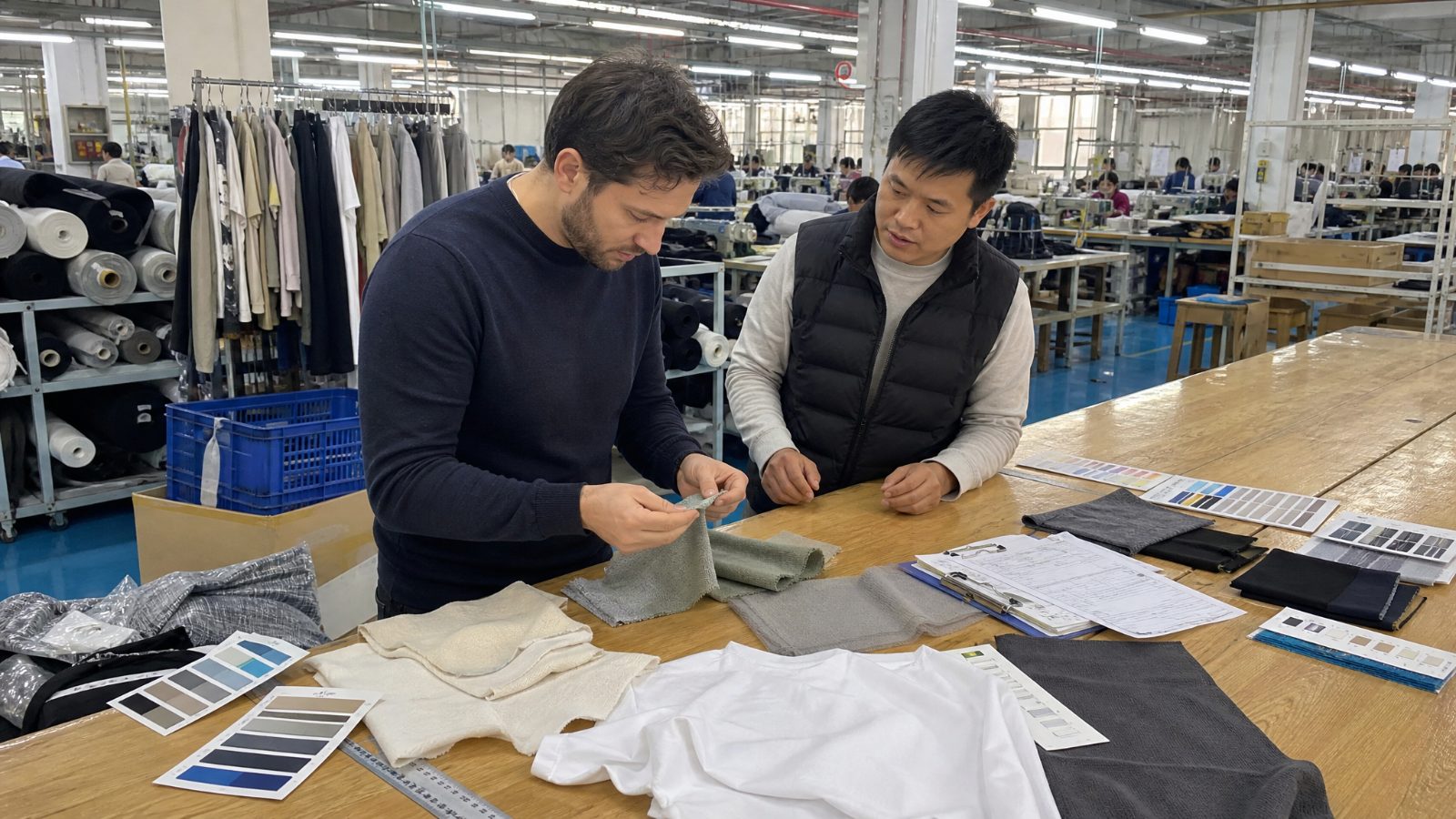
Return and exchange terms also merit careful review. Policies vary widely; some suppliers enforce strict no-return, no-exchange rules. Understanding these terms before accepting samples enables risk management and proper quality assurance from early stages. Always inquire about their policies if the sample doesn’t meet your expectations.
Key Elements of Sample Policies Compared
| Element | Importance | Potential Pitfalls | Questions for Suppliers |
|---|---|---|---|
| Cost | Determines budget allocation and negotiation leverage | Unexpected high sample fees | Are sample fees deductible from bulk orders? |
| Quality | Reflects manufacturing capabilities | Samples may be of higher quality than bulk orders | Is the sample identical to bulk production? |
| Return/Exchange Terms | Instrumental in risk management | Strict no-return policies | What are the conditions for returns? |
| Sample Lead Time | Affects project timelines and planning | Misalignment with production timelines | What is the lead time for receiving samples? |
| Supplier Communication | Indicates responsiveness and reliability | Delayed or unclear communications | How frequent are updates during sampling? |
Effectively evaluating the sample quality demands a structured strategy. Begin by aligning the samples against established quality metrics such as fabric weight, stitching durability, and colorfast adherence. Cross-referencing these factors with feedback from trusted market players can enhance objectivity.
Additionally, buyer rights are pivotal when navigating sample policies. Buyers are entitled to request transparency in policies and insist on documented terms. Failing to do so can lead to unfavorable agreements that compromise product quality or inflating procurement costs. A common mistake is neglecting the informed discussion on sample-related costs, which can lead to misconceptions and unforeseen expenses.
It provides further clarity on managing costs and quality effectively during the sampling process.
Step-by-Step Approach: Evaluating Samples
Evaluating samples from multiple suppliers begins with a structured approach. Upon receipt, it’s crucial to examine each sample meticulously, considering fabric quality, workmanship, fit, and finish. For instance, a streetwear brand evaluating hoodie samples should scrutinize seam strength, fabric GSM (grams per square meter for thickness), and stitching consistency. Be as objective as possible; where specialized knowledge is beneficial, tools such as a GSM cutter and scale can provide precise measurements.
Once samples are received, lay them out for side-by-side comparison. Note fabric textures, feel, and color fastness under natural and artificial lighting. It helps to wash and wear test samples to compare how they hold up under real-world conditions. Document each sample’s characteristics methodically: take notes on shrinkage rates post-wash or fading signs. This documentation forms the basis for a rational decision rather than a gut feeling.
Particularly for streetwear items like hoodies, you might focus on denim jeans sampling guide techniques for insights into thorough evaluation and durable construction indicators. Drawing parallels here can help firms diversify these assessment strategies across various garment types.
Responsive and proactive supplier communication is equally pivotal. Track how efficiently suppliers respond to queries and their perceived willingness to adjust samples based on feedback. Delayed responses or reluctance to listen should serve as red flags. Consider recording email exchanges and phone conversations to compare the constructive feedback loop.
Re-evaluation is the final critical step. After initial evaluations, assess whether the supplier’s offering aligns with your expectations, based on both quality and responsiveness. This is the point at which you should decide whether to proceed with additional inquiries or switch your focus to other suppliers. Always ensure your expectations for the product align closely with the samples received; if discrepancies arise, it's wise to revisit supplier lists with these insights, ensuring you channel efforts into partnerships more likely to meet your quality standards.
Measurable Outcomes: Quality and Cost Findings
Evaluating samples is a widely recognized industry practice that can transform abstract quality expectations into tangible assessments. For the streetwear brand considering new hoodie suppliers, this process began with a rigorous assessment of fabric consistency, stitching precision, and durability tests — pivotal elements in defining the final product's value. A practical example: fabric weight discrepancies highlighted by samples allowed the buyer to eliminate suppliers producing subpar materials, illustrating a clear quality uplift. The variance in weights across different samples, sometimes as much as 30 GSM, directly impacted perceived heft and drape, further emphasizing precision as a decisive metric.
Sample feedback also profoundly influences final supplier selection. By critically analyzing how well each sample aligned with predefined criteria such as stitch density and ease of dye uptake, the buyer clarified subjective assessments. These benchmarks, actively recorded during the sample evaluation, ensured a measured refinement in the product development pipeline. Sample results were scored on predefined qualitative scales evaluating seam strength and color retention, propelling the supplier towards endorsement or dismissal quickly when expectations aligned or failed.
Cost analysis juxtaposed across suppliers clarified the indirect economic impact of sample evaluations. Operating as a functional cross-analysis tool, it enabled the apparel buyer to compare not just initial sample costing but to project scalability costs effectively. One supplier offered a seemingly lower sample price but with recurring quality issues, increasing long-term production costs due to potential product rejects. In another instance, a higher initial sample investment resulted in competitive pricing advantages later on through superior aggregate order terms.
In future sample assessments, buyers typically consider criteria such as weight controls, stitch uniformity, and dye resilience, which establish a replicable template for benchmarking. These criteria can assist in performing efficient and effective evaluations.
Ultimately, the chosen supplier met or exceeded all quantifiable metrics set by the streetwear brand. Their consistency across sample trials confirmed reliability and cost-effectiveness, pivotal in the final selection. This illustrative outcome emphasizes that transparent, data-driven decisions on supplier selection stem from thorough, calibrated sample evaluations.
Lessons Learned: Making Informed Decisions
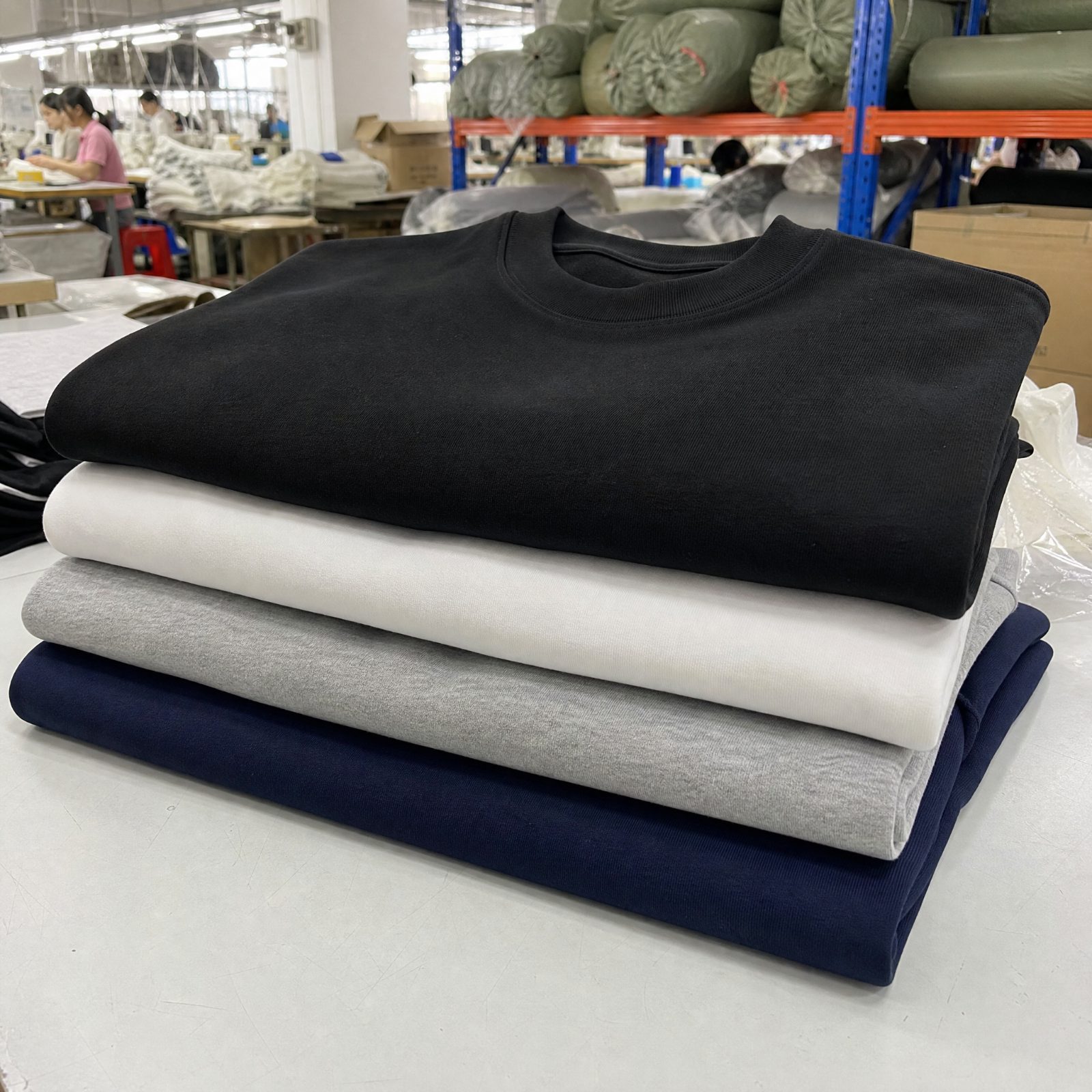
Understanding the benefits and drawbacks of free samples is crucial for making informed decisions in the apparel sourcing process. Free samples can provide a valuable preview of a supplier's capabilities, but they are not without limitations. Quality assessments made from these samples can sometimes be misleading if not carefully balanced with their associated costs.
For instance, free samples might tempt buyers to focus solely on the absence of costs, potentially disregarding other important factors such as material quality and supplier reliability. It's essential to articulate clear quality criteria and ensure these align with your brand’s expectations. This holistic approach can prevent the allure of "free" from clouding judgment.
One practical measure is preparing for informed supplier communications. Before even requesting free samples, set up a comprehensive checklist for evaluating your suppliers. Consider using tools like a spec sheet for denim garments to outline desired material and finish quality. This specification serves as a baseline for comparison, ensuring the samples provided meet the necessary standards and can be replicated at production scale.
Balancing sample costs with quality assessments involves considering the longer-term values and implications. While free samples reduce upfront spending, evaluating the cost-effectiveness of potential bulk orders that meet quality standards requires deeper insight. This might include estimating post-production expenditures on modifications or returns due to potential mismatches noted in samples.
Building a checklist for future supplier evaluations involves integrating lessons learned from previous experiences. Examine past sample issues, such as discrepancies between samples and bulk orders or gaps in communication. Draft questions about production consistency, response times, and material fidelity to guide future discussions with potential suppliers.
Lastly, avoid common traps by not letting cost savings overshadow the importance of quality. It's easy to fall into the trap of choosing suppliers offering no-cost samples or cheaper options, neglecting consistency and reliability. Analyze sample feedback meticulously, ensuring the supply chain matches your operational and brand goals in the long term. Informed decisions stem from understanding these dynamics, facilitating smoother and more successful supplier partnerships.
Moving Forward: Evaluate Your Own Needs
To incorporate free samples effectively into your sourcing strategy, start by understanding your own business needs and how samples fit within them. Ensure that you communicate clear technical specifications to suppliers—this promotes accurate sampling and supports consistency across orders. Align sample evaluations with your long-term quality objectives to avoid unexpected performance issues later. Engage with suppliers regularly for continuous product development, which encourages innovation and quality improvement. If you're unsure, seek professional advice to navigate complex decisions and sustain quality over time. Ultimately, evaluating your needs and maintaining open communication with suppliers are keys to successful apparel production.
Frequently Asked Questions About Navigating Free Sample Policies
What should buyers focus on in a sample policy?
Buyers should focus on cost transparency, quality assessment, and return/exchange terms. Understanding these elements helps in making informed decisions without unnecessary expenses.
How can sample evaluations affect the final supplier choice?
Sample evaluations provide insights into quality and supplier reliability, impacting final supplier decisions. Quality differences and supplier responsiveness often sway the choice.
Are there risks to relying on free samples?
Yes, relying solely on free samples risks making decisions based on incomplete information, especially if samples don’t represent production quality accurately.