Dongguan City Salati Apparel Co., Ltd. has the capability to engage with international brands for creating custom denim jeans. Brands often face challenges with material selection, fitting accuracy, and ensuring the final product meets quality standards. This walkthrough illustrates how a typical customization process can unfold, detailing each crucial step from material sourcing to final quality inspection, offering a complete view into producing denim jeans that meet precise customer specifications.
A Brand's Quest for Unique Denim
Designing unique denim jeans that stand out in a saturated market is a pressing challenge for many brands. One client at Dongguan City Salati Apparel Co., Ltd. (SALATI) arrived with a clear mission: to create a denim line that not only reflected their distinct brand identity but also departed from the cookie-cutter solutions commonly found in retail. Their previous experience with off-the-shelf denim had been underwhelming, resulting in products that lacked the individual flair necessary to capture the attention of fashion-forward consumers.
Faced with this hurdle, the brand realized that true differentiation hinged on custom fits and unique design elements. Their past attempts to source ready-made jeans had too often led to compromises that softened their brand's unique voice. These products were devoid of the standout characteristics that their audience craved, primarily because mass-produced garments often fail to accommodate the nuanced needs of niche labels.
Initial discussions with the SALATI team revolved around crystallizing the brand’s vision into wearable reality. In these early stages, the client's requirements for their denim line were drawn in broad strokes but needed refinement. SALATI’s design team, known for their expertise in translating concepts into tangible products, engaged closely with the brand to define a blueprint that accurately represented their goals. This included selecting distinctive color schemes, washes, distressing techniques, and signature cuts that would hallmark the brand's line.
The importance of custom fits featured heavily in these discussions. For the brand, achieving the right fit wasn't just about comfort—it was integral to maintaining their market positioning as a label of distinction. The jeans had to speak to their customers’ lifestyles and preferences, a consideration that went beyond mere aesthetics.
The brand's meetings with SALATI were marked by detailed exchanges about fit adjustments and pattern iterations that would ensure the final product embodied their identity perfectly. This collaborative approach allowed SALATI to propose technical solutions that catered to the brand's ethos, ensuring that each pair of jeans would serve as a testament to both quality craftsmanship and distinct personality.
Customizing denim is its own craft, one that SALATI adeptly navigates by placing significant emphasis on understanding and executing a brand's unique vision. This emphasis on bespoke design sets the stage for a final product that is both exclusive and a genuine reflection of the brand's design aspirations.
Identifying What Was at Stake
In the apparel industry, the stakes are high due to several critical factors. First, any inconsistency in material quality can severely impact a brand's reputation. It is important for brands to pay attention to fabric consistency, as variability in color or texture can result in final products that may not meet brand standards. Ensuring material consistency is essential to maintain the image most brands aim to project, especially when catering to discerning markets like the US.
Furthermore, manufacturing errors can escalate costs substantially. A misalignment in pattern cuts or flaws in stitching can lead to defect batches, necessitating costly rework or scrapping of materials. This not only drives up material costs but also affects labor expenses, as more time is spent on corrective actions instead of making progress. The financial impact of such oversights can be crippling, affecting a brand’s bottom line and price competitiveness.
Delay in product launch is another significant risk, particularly if set production timelines are disrupted. A missed seasonal release could mean missing vital sales windows, like the back-to-school or holiday shopping periods. In a fast-paced market, delay might also permit competitors to capture potential market share, leaving your brand to play catch-up in sales and market influence. Brands should address production scheduling proactively to ensure market interest is captured effectively.
Additionally, any perceived decline in quality or reliability in product launches can deter customer loyalty and lead to negative reviews, spreading quickly through media and damaging brand reputation. To maintain a solid market position, it is crucial for brands to remain vigilant in every stage of production to ensure quality standards are met consistently.
Brands aiming to avoid these pitfalls should consider meticulous planning and developing industry best practices. By addressing these concerns head-on, they can safeguard their market reputation, optimize cost efficiency, and confidently execute product launches without hiccups.
Steps Taken on the Production Floor
To create a pair of custom denim jeans, precision begins with material selection and sourcing. Buyers should consider evaluating the fabric type, color fastness, and texture according to their design needs. The procurement team sources denim from reliable mills, ensuring compliance with GRS standards for sustainability, which aids the brand's commitment to eco-friendly fashion. The selective approach guarantees no compromise on fabric quality, setting the foundation for outstanding jeans production.
Pattern development is the next crucial stage in ensuring a perfect fit. This process involves translating the brand's vision into precise templates. Buyers can enhance their projects by clearly outlining any desired adjustments in sizing or design alterations. Pattern makers work with CAD software to refine these patterns and simulate fitting scenarios. This technical accuracy ensures every pair of jeans matches the intended style and fit prior to cutting.
Following pattern approval, the denim is laid out in preparation for cutting. During this phase, buyers might ask how their supplier optimizes fabric use to reduce waste. This step integrates quality control checkpoints where any discrepancy in size or shape can be rectified swiftly. The keen eye of operators ensures that each denim piece aligns with the precise pattern specifications.
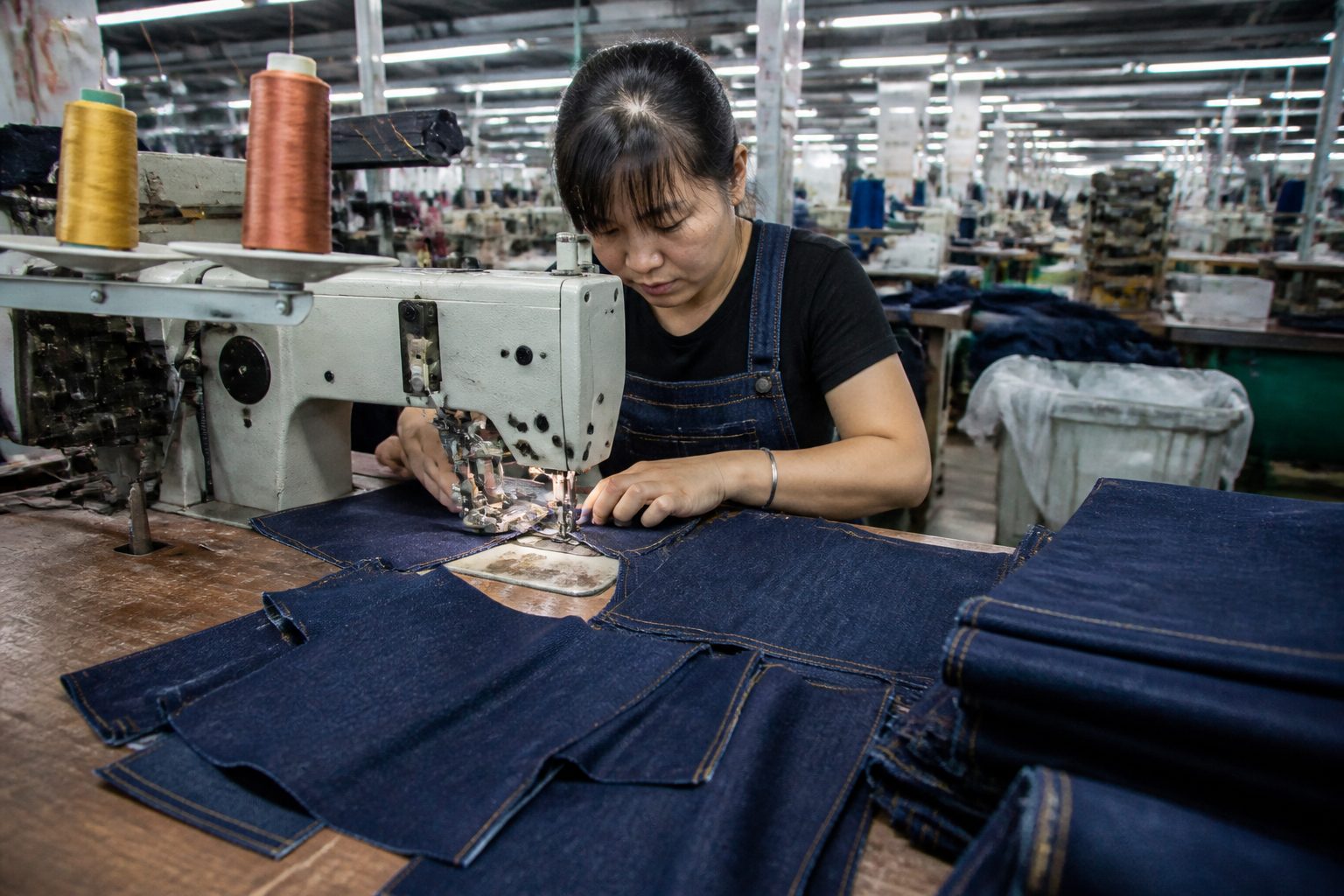
Throughout the sewing operations, buyers should specify requirements for stitching standards to ensure seam strength and pocket alignment. Skilled teams work through the garment assembly, combining traditional craftsmanship with modern techniques, weaving in durability with every stitch.
Finally, integrating custom labels and attention-grabbing packaging elevates the product’s in-store presence. Each jean is equipped with the brand’s specific tags and labels. Packaging solutions align with the brand’s aesthetic, ensuring a finish that resonates with end consumers.
Step-by-Step Production Process for Custom Denim Jeans
| Step | Description | Key Considerations | Outcome |
|---|---|---|---|
| Material Selection | Sourcing high-quality, sustainable denim. | Compliance with GRS. | Secure, desirable fabric source. |
| Pattern Development | Creating precise CAD patterns for fit and style. | Buyers to outline feedback. | Accurate, adaptable patterns. |
| Cutting | Techniques to reduce waste and ensure accuracy. | Quality checkpoints. | Efficient use of materials. |
| Sewing | Assembling with durable stitching and alignment. | Seam and pocket accuracy. | Durable, well-constructed jeans. |
| Label & Packaging | Adding custom labels and appealing packaging. | Brand-specific designs. | Enhanced product presentation. |
The Tangible Results Achieved
Finalizing the custom denim jeans project for the client not only met but exceeded expectations on various fronts. The first key result was the adherence to precise specifications as set out at the project's inception. Using the technical blueprint, SALATI meticulously matched the design intent with the actual production, ensuring every stitch was strategically placed to capture the essence of the brand’s vision. The client had emphasized particular detail in the jeans' silhouette and trims, which SALATI achieved through advanced pattern-making techniques and careful fabric selection.
Comprehensive quality assessments further validated the durability and fit of the product. Each pair of jeans underwent rigorous testing for tensile strength and fabric wearability, bearing in mind the standards typically advocated by ASTM D5034 for textile testing. The tests confirmed that the jeans could withstand everyday wear and maintained structural integrity, ensuring longevity. FIT was another critical aspect; each piece was checked against the fit model to ensure comfort and aesthetic requirements were not compromised.
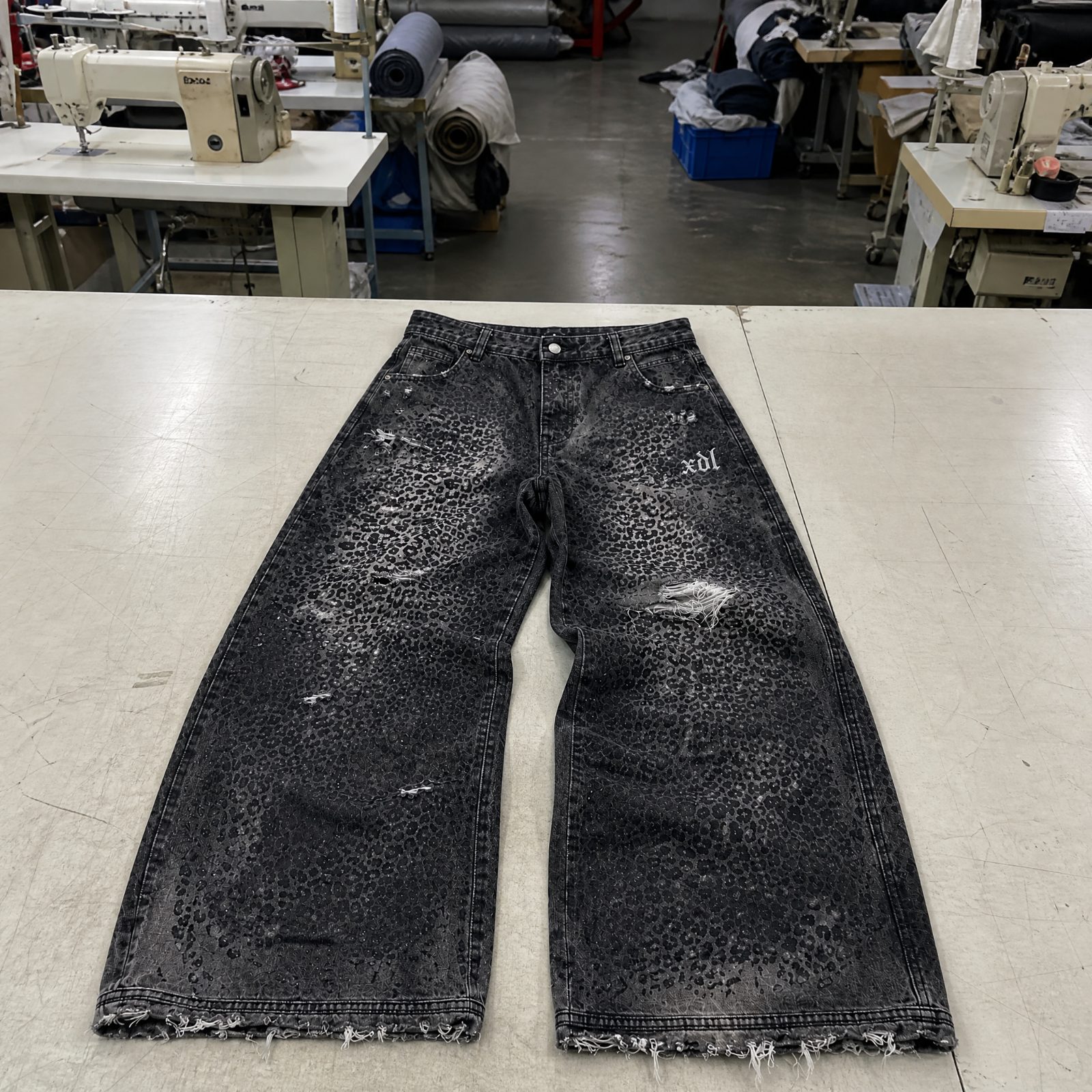
Efficient production scheduling and diligent follow-ups with suppliers aided in aligning the project's timeline with the client's product launch calendar. This careful orchestration meant the project stayed on track, paving the way for future collaborations.
The successful implementation of unique finishing processes and custom labels underscored the brand’s identity, creating a product that stood out in the market. To enhance outcomes, consider incorporating custom elements to reinforce the brand's individuality.
For further exploration of how custom fits can enhance your brand, refer to our detailed guide on Denim Jeans: Tailored to Fit Your Style, which illustrates the tailored approach SALATI adopts to match each client’s unique design ethos.
Key Insights for Future Buyers
Navigating the production of custom denim jeans requires a meticulous approach from start to finish. Future buyers can glean several key insights from the customization process to ensure their vision is precisely realized.
Be Specific from the Start
Initial specifications should be crystal clear, encompassing every detail from fabric type to stitching, and even decorative elements. When buyers provide well-documented specifications, it sets a concrete foundation that minimizes misunderstandings and costly adjustments later on. At Dongguan City Salati Apparel Co., Ltd., capturing the buyer's vision is prioritized — we often start with a detailed tech pack that clearly outlines every aspect of the design, ensuring both parties align from the outset.
Maintain Open Communication
Continuous dialogue between the client and the factory is not just beneficial; it’s essential. Open communication throughout the production process allows for real-time updates and swift adjustments, averting potential setbacks. It’s recommended that buyers remain actively involved, scheduling regular check-ins to monitor production stages, so any discrepancies from the plan can be addressed promptly.
Test the Fit Before Going All In
Thorough fit testing is crucial before committing to full-scale production, especially when custom fits are pivotal to brand identity. Buyers should consider conducting comprehensive sizing trials to ensure the final product aligns with both aesthetic and functional expectations. This phase involves creating prototypes that are meticulously reviewed and adjusted, often requiring several iterations to perfect.
Integrate Brand Elements Thoughtfully
Integrating brand-specific elements like logos, labels, and unique stitching styles should never be an afterthought. These features are central to the apparel's identity and need careful planning regarding their material interaction and placement. It’s advisable to integrate these elements early in the design phase, rather than as last-minute additions, to maintain the garment’s integrity and intended brand message.
By embracing these insights, buyers can navigate their next denim jeans production project with greater confidence, ensuring both creativity and practicality are balanced to achieve outstanding results.
Confidently Create Your Custom Denim Line
At SALATI, we understand the uniqueness of each request and the importance of getting your custom denim right the first time. It's essential to ensure that your supplier follows a structured approach and manages each stage well. Ready to bring your vision to life? Share your design or specifications with us, and we'll provide practical advice tailored for your needs—no frills, just straightforward solutions to turn your ideas into reality.
FAQ About Custom Denim Jeans Production
How does SALATI ensure the quality of denim textiles?
Buyers should ask suppliers about their testing processes for ensuring denim quality and inquire about their sourcing techniques. It is important to discuss the specific quality checks that will be used during production to maintain fabric consistency, fit, and coloration.
What is the typical lead time for producing custom denim jeans?
While specific timelines vary, SALATI's production schedules depend on factors like design complexity, material availability, and order volume. The team provides a detailed timeline once these variables are assessed.