Many buyers believe that a simple request for denim jeans is enough to get an accurate quote, but this usually leads to slow replies or vague specifications. An effective Request for Quotation (RFQ) involves much more than just asking for price. You need to specify fabric type, wash preference, cut and fit details, and additional customizations. By drafting a comprehensive RFQ, you not only expedite the process but also ensure you receive precise and actionable feedback from suppliers like Dongguan City Salati Apparel Co., Ltd. When you include these specifics, you empower your suppliers to deliver precise quotes tailored to your brand’s unique needs.
Why Most Requests Get a Slow or Vague Reply
When requesting quotes for denim jeans, buyers often encounter delays or receive unclear responses. One key reason is the initial request's lack of detailed specifications. If buyers do not provide essential information like fabric types, weights, or desired finishing techniques, suppliers like Dongguan City Salati Apparel Co., Ltd. face challenges in offering precise quotes, which in turn extends response times.
Common oversights. Buyers frequently omit specific garment details in their RFQs. Without comprehensive information regarding the denim's use, expected conditions, and durability needs, suppliers can only provide estimates. Specificity is particularly important in areas such as shrinkage rates or colorfastness, where accurate specifications are vital.
Importance of custom element requests. Many overlook the importance of detailing custom elements like exclusive embroidery patterns, specific hardware, or unique stitching styles. These details influence the production process, including material choice, setup for tooling, and the distribution of labor. Including these particulars can make all the difference between receiving a detailed, timely response and a more generic reply.
Impact of incomplete RFQs. Receiving incomplete RFQs not only slows down quoting but also impacts the supplier's ability to plan effectively. If requests lack details like fabric weight, dye methods, or precise dimensions, Dongguan City Salati Apparel Co., Ltd. may require further follow-up, thereby lengthening the timeline. A thorough RFQ allows suppliers to expedite their assessment process, offering buyers faster and more accurate quotes.
To avoid these common issues, consider consulting resources such as the Essential Checklist for Ordering Denim Jeans to make sure your RFQ includes all the necessary information. This groundwork aids in ensuring smooth communication with your supplier, ultimately streamlining the path from initial inquiry to the delivery of the final product.
Essential Checklist for Your RFQ
Crafting the perfect RFQ (Request for Quotation) for denim jeans requires distilling your design dreams into clear, actionable details. Below is a checklist designed to assist in crafting a smooth RFQ process, helping you seek precise quotes and quality outcomes from suppliers.
Specify fabric weight and composition. Denim variations are vast, so pinning down GSM (grams per square meter) and fiber mix is crucial. A mid-weight denim, around 10-12 oz, is common for everyday jeans, offering durability without excessive bulk. For enhanced stretch and comfort, blend cotton with elastane or polyester.
Detail the desired wash and finish types. Washing techniques define the final look and feel. Stone-washing creates a worn, vintage aesthetic; enzyme washing softens the fabric, enhancing comfort. Consider unique finishes like laser treatments for pattern imprints, but remember each choice affects the cost and lead time.
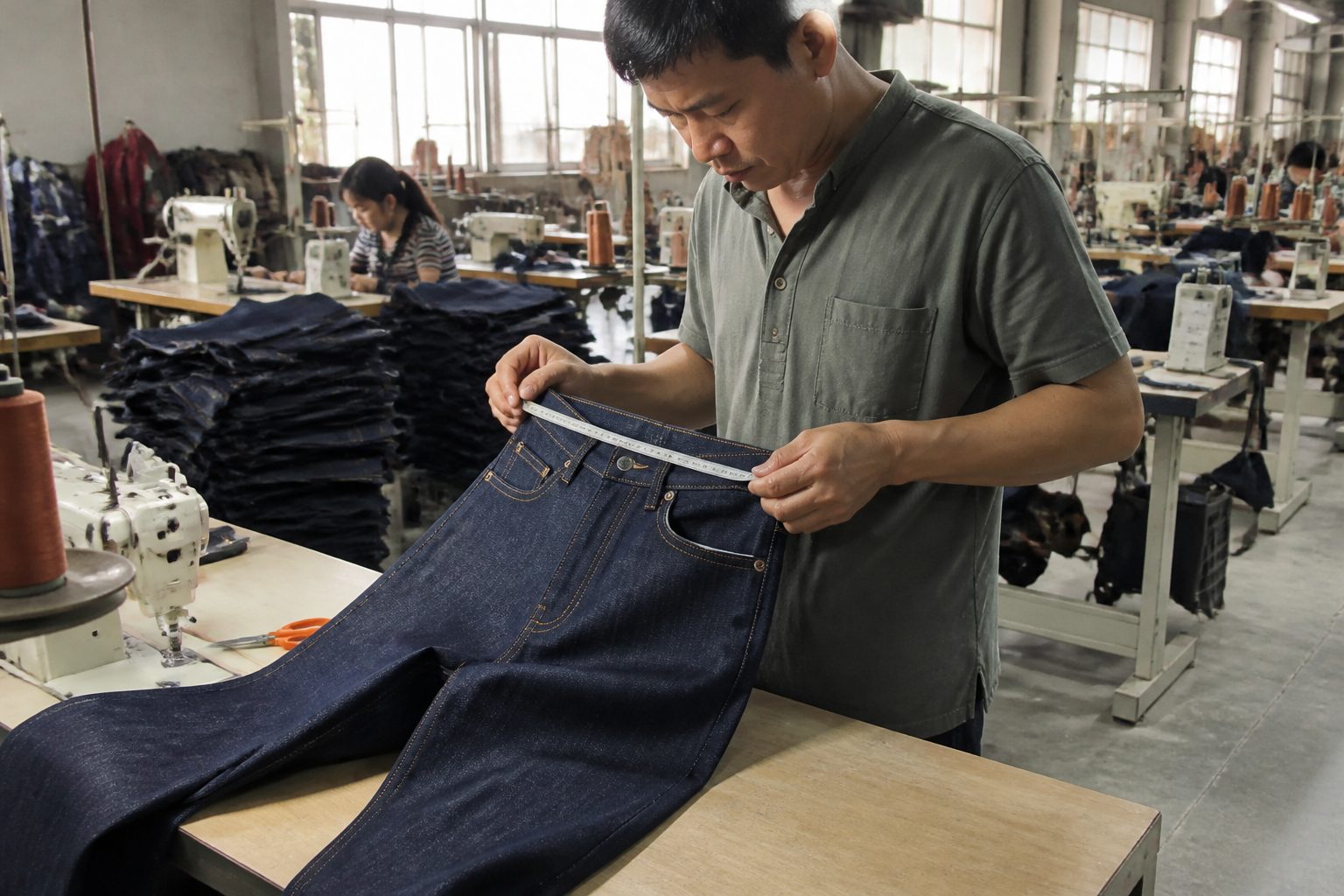
Indicate the cut and fit you aim for. Every brand has signature styles, from classic straight fits to modern skinnies or relaxed baggy cuts. Clear communication of these styles helps the supplier replicate your vision accurately. Provide measurement details for waist, inseam, and leg opening to prevent alterations.
List any embellishments or unique features. Custom elements like rivets, buttons, embroidery, or patches add uniqueness. Specify their design, placement, and color. Remember, intricate details may increase production time and costs.
Include your expected timeline and volumes. Be realistic about production schedules—timeframes depend on the complexity of the design and existing workloads. Establish clear expected order volumes; larger orders might offer economies of scale, but always balance these against budget constraints.
Key Items for Denim Jeans RFQ
| Fabric Type | Wash Style | Fit Style | Customization Options | Order Volume |
|---|---|---|---|---|
| Mid-weight Denim | Stone-washed | Classic Straight | Embroidered Back Pocket | 500 Units |
| Stretch Denim | Enzyme-washed | Skinny Fit | Custom Logo Buttons | 1,000 Units |
| Heavyweight Denim | Laser Etched | Relaxed Fit | Contrast Stitching | 750 Units |
| Cotton-Poly Blend | Acid Washed | Baggy Style | Distressed and Patched | 300 Units |
| Organic Cotton | Raw Denim | Tapered Fit | Recycled Labels | 600 Units |
A detailed RFQ checklist helps to ensure your request stands out, which can lead to more efficient communication and alignment in production expectations with suppliers.
Impact of RFQ Details on the Quote
Fabric specifications play a crucial role in determining pricing for denim jeans. The type of fabric specified, such as its weight and composition, directly influences material costs. For instance, opting for organic cotton denim or a specific blend can increase costs due to premium material prices and limited availability. The composition of the fabric also affects the durability and feel of the jeans, impacting your brand's perceived value.
Wash and finish types significantly influence production costs. Techniques such as stone washing, enzyme washing, or sandblasting can vary dramatically in cost. Each wash type requires specific resources and time, particularly when aiming for distinct effects like distressed looks. A more intensive wash process can increase labor costs due to longer production times and additional steps involved. These finishing details not only contribute to the garment’s aesthetic appeal but are pivotal for aligning with your brand’s style and consumer expectations.
Customizations affect labor costs. Embellishments, embroidery, or unique stitching patterns add complexity to production. For instance, intricate designs may require skilled labor, raising the hourly rate for production. Furthermore, custom hardware like buttons, zippers, or branded patches can incur additional costs. Each of these elements requires careful planning and may demand specialized equipment or techniques, which should be clarified upfront to avoid unexpected expenses later.
Order volume influences pricing strategies. Larger orders typically offer more favorable pricing due to economies of scale. Ordering in bulk allows suppliers to lower costs per unit by optimizing production runs and minimizing waste. However, note that minimum order quantities (MOQs) are a factor suppliers often leverage to offer these discounts, so precision in forecasting demand is essential.
These elements—fabric choice, wash and finish types, customizations, and order volume—must be precisely detailed in your RFQ to provide the supplier with a clear picture of your needs. This specificity enables accurate quotes and helps avoid unforeseen costs during production, ensuring both parties have aligned expectations from the outset.
A Filled-In Example: RFQ for Custom Denim Jeans
Creating a Request for Quotation (RFQ) that effectively conveys your specifications is key to ensuring you receive accurate proposals. Let's consider an example RFQ that a hypothetical apparel company might send to Dongguan City Salati Apparel Co., Ltd. for custom denim jeans.
Denim fabric choice. The RFQ specifies a 12 oz 100% cotton denim with a selected indigo shade, ensuring both durability and a classic blue aesthetic. This request aims for a balance between sturdiness and lightweight comfort, aligning with industry norms.
Design and features. The design details include a mid-rise, straight leg cut. Unique features requested are contrast stitching, custom rivets, and a back leather patch embossed with the brand logo. Each feature must complement the brand's identity and enhance the jeans' market appeal.
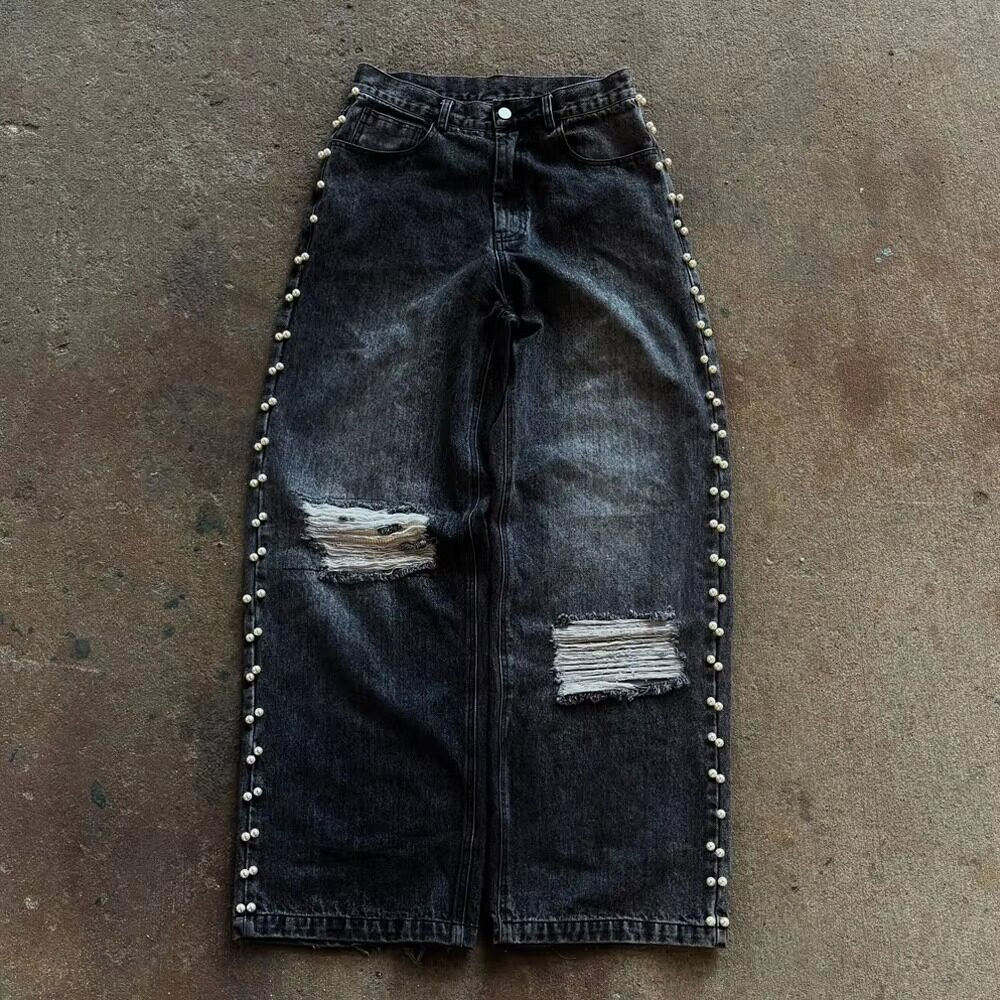
Finish and embellishments. The required wash is a light stone wash with slight distressing on the knees for a vintage look. This finish can impact both the aesthetic and texture of the fabric, which should be noted for compatibility with your brand image.
Order volume and delivery time. The RFQ outlines an initial order of 500 units, with flexibility for future larger quantities. The desired lead time is eight weeks after sample approval, though this depends heavily on material availability and the complexity of any custom features.
Dongguan City Salati Apparel Co., Ltd.'s experience with previous custom denim projects can serve as benchmarks. For instance, they've successfully handled similar order sizes aimed at rapid market deployment, maintaining both aesthetic precision and material consistency. You can trust their capabilities to provide denim tailored for your precise needs, which can be explored further here: Denim Jeans: Tailored Customization for Every Brand.
By collaborating closely with the factory and detailing clear specifications in your RFQ, you ensure that each element of the denim jeans meets your brand's standards and market requirements. Thorough planning in your RFQ can prevent costly delays and ensure a smooth production process from inception to completion.
What Happens After You Send Your RFQ
Once your Request for Quotation (RFQ) lands at the supplier’s desk, a structured process begins. Supplier review and timing. Firstly, within about 1 to 3 business days, the supplier will scrutinize the document. Their priority is verifying that they've received all necessary details to give an accurate quote. If specifics like fabric grade, expected order volume, and customization needs align seamlessly with their production capabilities, an initial response can clarify timelines and pricing considerations quickly.
Common follow-up questions. However, often, the supplier will seek clarifications to ensure a common understanding. Typical questions may pertain to fabric weight precision or customized elements compatibility. If you've indicated a wash or finish that’s unfamiliar or complex, the supplier may query its feasibility or suggest an alternative that meets your requirements yet fits within production efficiencies.
Potential need for adjustments. Be prepared for potential adjustments based on logistical or material constraints. Real-world constraints like fabric availability or specific wash times may necessitate slightly modifying your specifications. For instance, a desired wash effect might increase lead times slightly due to its complexity in execution, and suppliers will typically outline these factors in their feedback.
Next steps and timeline. Once any clarifications are resolved, a more concrete timeline is set for your project. Initial sampling, if included in the RFQ, will be a priority step, allowing you to approve the garment appearance and fit before bulk production commences. Generally, this sampling phase can last several weeks, contingent on design complexity and material availability.
Processing your order. Once agreement on all particulars is reached, formal purchase orders are drafted. Actual production follows, with timelines that vary based on order size and required detailing. Throughout this phase, maintaining open communication ensures any unforeseen issues are promptly addressed. For Dongguan City Salati Apparel Co., Ltd., their structured approach helps align final outputs with your specifications, focusing on how to best meet your project requirements for custom denim jeans.
Making the Most of Your RFQ
Bringing your denim jeans vision to life starts with translating your brand goals into tangible RFQ specifics. Recheck your details. Make sure every fabric choice, embellishment, and design choice aligns with your intended product identity and market position. Anticipate challenges. Engage in early discussions about potential production hurdles with Dongguan City Salati Apparel Co., Ltd. to avoid surprises down the line. Start clear communication. Reevaluate your checklist to ensure precise communication and collaboration, setting a solid foundation for a seamless production process with SALATI.
Frequently Asked Questions About Denim Jeans RFQs
What types of fabric should be included in an RFQ?
In an RFQ for denim jeans, include specifications for fabric weight and composition, such as 100% cotton or cotton blends. Clearly indicate whether you want stretch denim or traditional rigid denim.
How detailed should the wash instructions be in an RFQ?
The RFQ should list specific wash styles, such as stone wash or acid wash, and any additional finishing processes needed. This helps suppliers understand the treatment needed, which can affect both cost and timelines.
Can I request prototypes before placing a bulk order?
Yes, suppliers like Dongguan City Salati Apparel Co., Ltd. can provide prototypes. This enables you to review the product for fit, finish, and style before committing to large-scale production.
How should timeline expectations be communicated in an RFQ?
Include a proposed timeline in the RFQ, mentioning your ideal dates for sample approval and full delivery. This clarity helps suppliers adjust their schedules to meet your needs.