Many buyers assume that custom streetwear manufacturing incurs lower costs than high-end fashion because of perceived simpler designs and materials. In reality, manufacturing streetwear comes with its own set of unique complexities and costs. Factors such as specialized fabric sourcing, small production runs, and customized features like personalized prints or embroidery can significantly impact the price. These elements, combined with labor, compliance with standards like BSCI and WRAP, and logistics, reveal that the real cost of custom streetwear production is often underestimated.
Rooted Beliefs Lead to Misconceptions
Streetwear fashion often carries the perception of simplicity and affordability, largely due to its association with casual attire and straightforward designs. However, this belief frequently overlooks the complexities involved in manufacturing custom streetwear—which can dramatically impact costs. The influence of fast fashion, where garments are churned out at high speed with minimal costs, has skewed expectations. Many buyers assume similar financial strategies apply to streetwear without considering the detailed craftsmanship and quality standards that differentiate custom pieces.
Fast fashion thrives on replicating popular trends quickly and inexpensively, using lower-cost materials and simplified processes. This model neglects the bespoke nature of custom streetwear. For instance, while a fast fashion hoodie might emphasize speed and cost reduction, a custom streetwear piece might demand unique fabric blends and intricate designs, elevating manufacturing costs. Add the necessity for compliance with certifications, like those required by BSCI and WRAP, which ensure ethical production practices, and the cost implication becomes evident.
Moreover, the pervasive trend of visible branding heavily influences perceived value and manufacturing expectations in streetwear. Buyers often equate prominent logos and branding with high value, assuming such attributes inherently add worth. However, from a manufacturing standpoint, creating these distinct branding elements—whether through embroidery or advanced printing techniques—increases production complexity and cost. This disconnect between perceived and actual value underscores a misunderstanding endemic to streetwear purchasing.
Lastly, there is a pervasive lack of awareness regarding the intricate processes involved in creating custom streetwear. Manufacturing is not merely about stitching a few pieces of fabric together; it involves detailed pattern creation, careful material selection, and adherence to rigorous quality standards. All these factors contribute to a higher production cost than typically anticipated. Understanding these nuances is essential for making informed purchasing decisions and dispelling the misconceptions rooted in oversimplified beliefs about streetwear costs.
Belief One: Streetwear Uses Cheaper Materials
The notion that streetwear uses cheaper materials is a common misconception. In fact, many streetwear brands prioritize high-quality, durable fabrics that withstand the wear and tear of everyday use. Fabric selection is a critical decision that impacts the longevity and performance of garments and ultimately affects product pricing. Instead of opting for low-cost materials, brands often choose or develop custom textiles that offer specific textures, weights, and durability conducive to streetwear styles.
Customization further influences fabric costs through the incorporation of unique dyes and patterns. For instance, tie-dye or pigment-dye techniques bring a distinct look to streetwear collections but require more costly and specific dyes and processes. Similarly, custom pattern creation demands precise fabric choices that can accommodate unique artistic expressions, thereby driving up initial material expenses.
Moreover, the requirement for certain certifications elevates the cost of materials. For example, Global Recycled Standard (GRS) certification ensures a sustainable approach to production. While environmentally responsible, meeting these certification standards often entails using more expensive, yet ethically sourced, materials. Brands seeking to align with eco-friendly practices typically incur these additional costs as a testament to their commitment to sustainability.
Another factor influencing material costs is the selection of niche materials not widely available. Streetwear often incorporates specialized fabrics like technical synthetics or high-end cottons, which are not only more costly due to their specialized production but also because they aren't produced at the same scale as common textiles. These specialized materials cater to targeted performance features such as water resistance, UV protection, or enhanced breathability, all of which add financial layers to the garment.
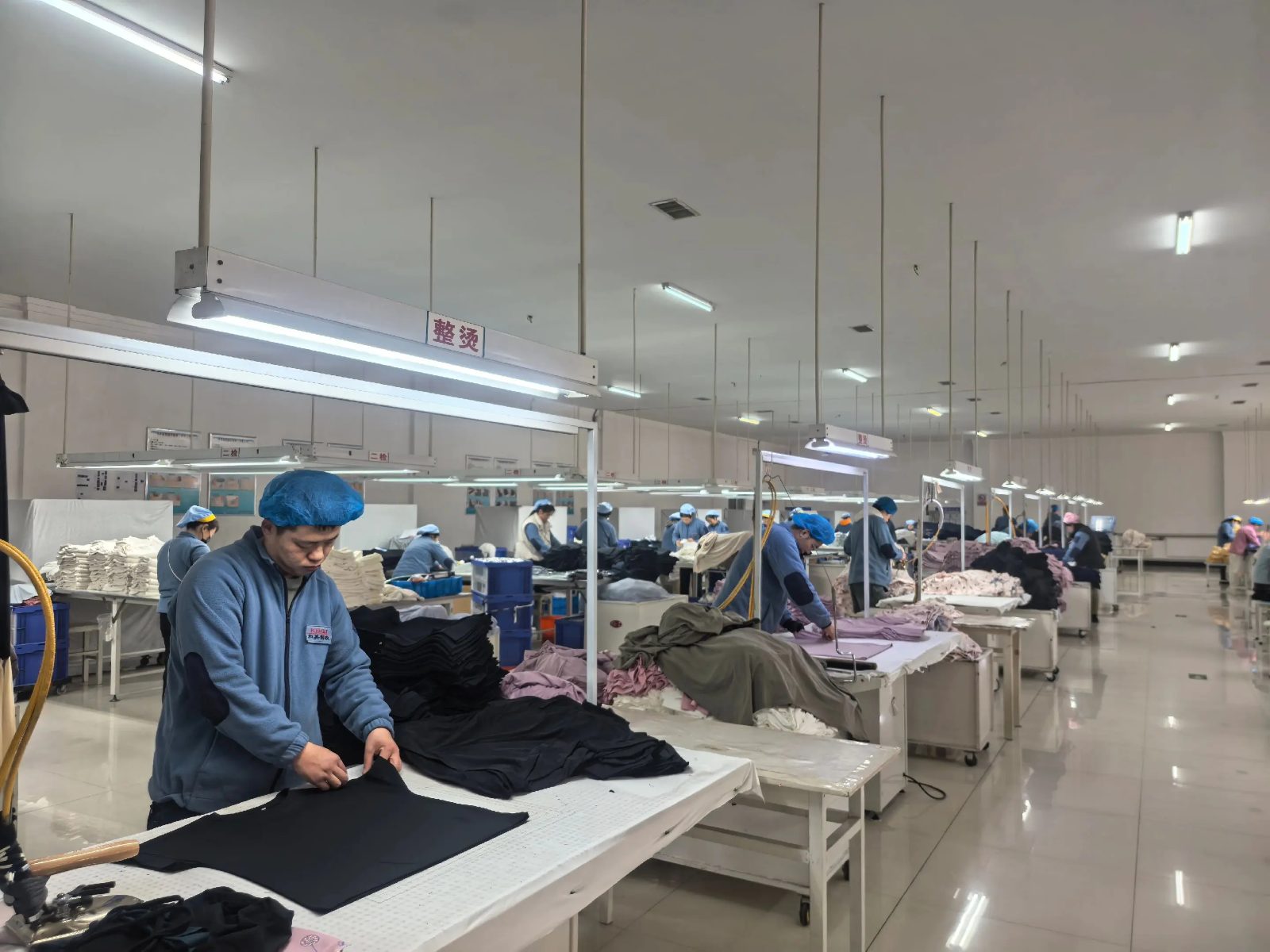
Ultimately, contrary to the popular belief that streetwear leans on inexpensive materials, the financial outlay for fabric in this segment often reflects a commitment to performance, sustainability, and style exclusivity—parameters that steer manufacturing costs up, not down.
Belief Two: Simple Designs Equal Lower Production Costs
The assumption that simple designs automatically lead to lower production costs is rooted in misunderstanding. While a straightforward look may seem cost-effective, the nuances of custom streetwear manufacturing, such as pattern-making for unique designs and fabric sourcing, significantly affect costs.
Complexity of Pattern-Making
Even seemingly simple designs require intricate pattern-making, particularly when they deviate from standard cuts. For instance, achieving a unique fit or silhouette often means creating patterns from scratch, which involves precise drafting and testing to ensure the desired fit and look. The expertise needed here can increase the labor hours and costs significantly, contrasting with mass-produced, standard-fit garments.
Small Production Runs
Custom streetwear often involves smaller production runs, which can increase the unit cost. Unlike mass production, where costs are distributed over thousands of units, small batches mean fewer economies of scale. The fixed costs associated with setting up machines for production—such as cutting and sewing—remain high, irrespective of batch size, thereby elevating the cost per piece.
Role of Fabric Sourcing and Development
The cost of fabric is another critical factor. Procuring the right fabric—especially unique or custom-dyed materials—can drive up expenses. Streetwear brands often prioritize unique textures and colors, which may not be readily available, leading to higher sourcing costs. The involvement of certifications like GRS further influences supplier choices and, consequently, costs.
Impact of Custom Trims and Finishes
Unique trims and finishes add aesthetic value but can have a significant impact on cost. Whether it's custom zippers, labels, or unique embroideries, these elements require specific sourcing and potentially custom development. Each choice impacts both the material and labor costs as they require additional steps in production, from the attachment of trims to quality checks.
Comparison of Cost-Influencing Factors in Streetwear vs High-End Fashion
| Factor | Streetwear | High-End Fashion | Common Practice | Cost Impact |
|---|---|---|---|---|
| Pattern-Making | Custom patterns | Standard and custom patterns | Tailored fits | Medium to High |
| Production Runs | Smaller batches | Varies, often larger volumes | Limited until demand | High per Unit |
| Fabric Sourcing | Custom, unique textures | Exclusive designer fabrics | Emphasis on uniqueness | High, influenced by uniqueness |
| Trims & Finishes | Custom trims & embroidery | Bespoke, intricate embellishments | Detailed, often personalized | High due to detail and quality |
For a deeper understanding of how these factors can influence apparel costs, consider exploring how Custom Hoodies and Sweatshirts are designed and priced, particularly regarding unique pattern crafting and material choices. Simplifying designs does not always translate to simple cost structures in the bespoke streetwear market.
Belief Three: Minimal Branding Reduces Costs
In streetwear manufacturing, there's a common belief that opting for minimal branding will naturally reduce costs. This notion, however, doesn't take into account the high demand for unique and elaborate branding that the current market demands. Buyers often assume that less visual complexity equates to lesser expense, but this is a simplified view that doesn't match the reality of how branding impacts production.
The demand for unique branding elements is on the rise as brands strive to stand out in a crowded market. Whether through intricate embroidery or sophisticated printing techniques, the investment in branding elevates a product's appeal and ensures differentiation. Embroidery, in particular, involves significant time and precision. Each stitch is planned and executed with care, adding costs in terms of labor and resources. Likewise, printing techniques that provide high-quality, vibrant visuals necessitate specialized equipment and skilled operators, further influencing the overall cost of production. Processes like screen printing or digital printing involve setups and consumables that add up, especially when dealing with unique, colorful designs.
Moreover, the impact of branding on production speed and logistics should not be underestimated. Highly detailed branding can increase production time due to additional steps required in the assembly line. This can disrupt logistics schedules, particularly when dealing with tight deadlines or complex supply chain setups. Misunderstanding these intricacies often leads buyers to mistakenly under-budget for branding costs, which can throw off entire project estimations.
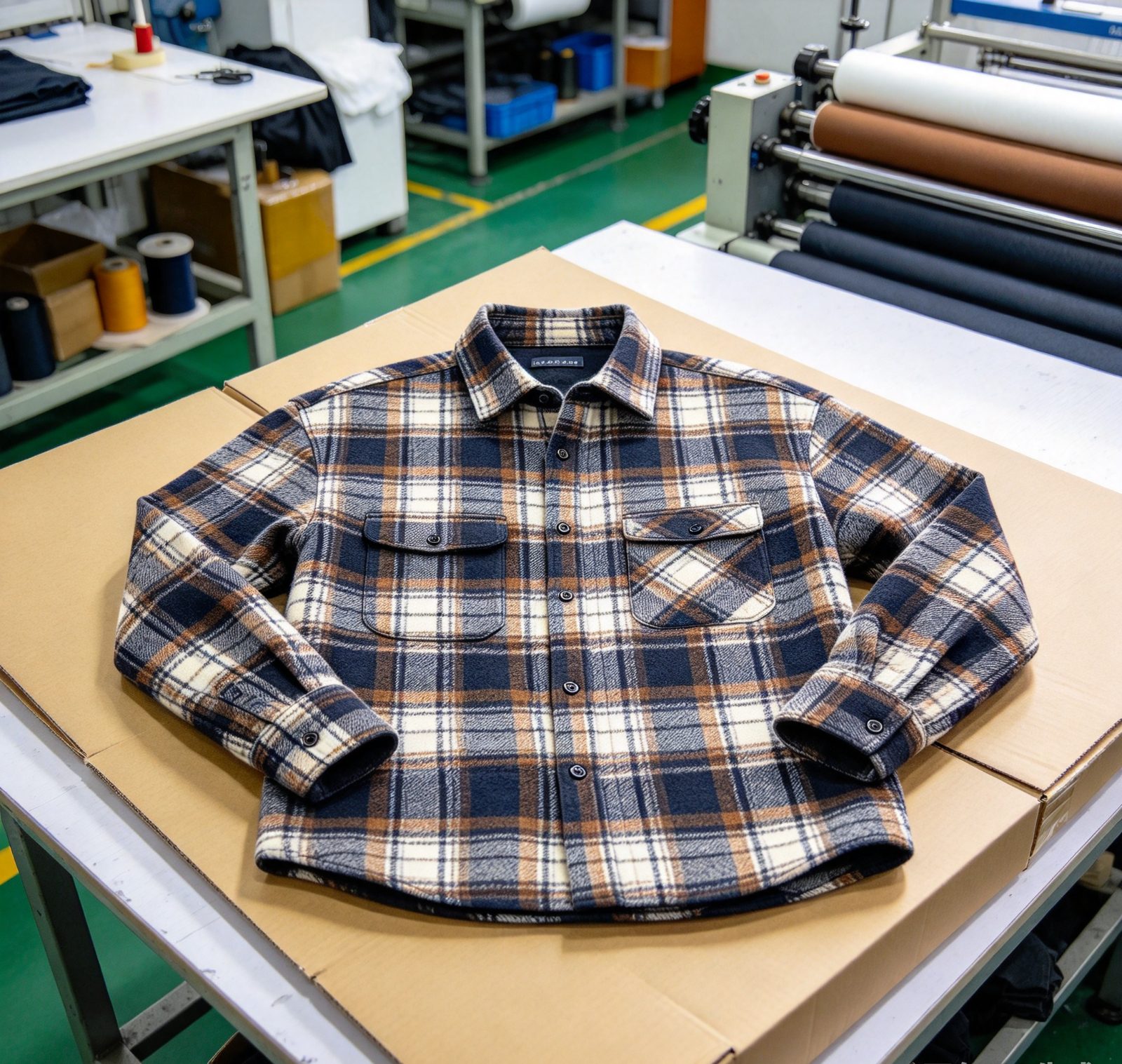
Another aspect to consider is the complexity that such branding adds to quality control. Ensuring that every embroidered or printed item matches the required standard demands attention to detail and rigorous testing, which incurs additional costs. Buyers often misunderstand the true cost implications of branding, leading them to unanticipated budget overruns.
The truth is, while less may seem like more from a design standpoint, minimal branding does not guarantee reduced costs. It's essential for buyers to have a transparent conversation with their suppliers about the full impact of branding decisions. Buyers should ask for comprehensive insights into the real costs associated with custom streetwear branding to ensure accurate budgeting and avoid unexpected expenses.
Verify Material and Labor Costs, Not Assumptions
A transparent cost breakdown is advisable when sourcing custom streetwear. Estimating costs based on assumptions rather than verified facts can lead to unexpected expenses later in the production cycle. Buyers need to cut through general cost assumptions by demanding detailed breakdowns of all material and labor costs from their suppliers up front.
Firstly, clarity about material certifications is crucial. Verify that the fabrics not only meet your aesthetic and functional requirements but also adhere to certifications that align with your brand's values. Check if your supplier offers standards such as the Global Recycled Standard (GRS) to ensure you're aligning with both quality and sustainability practices.
Labor costs are another significant portion of custom streetwear expenses. It's vital to ensure that the labor behind your apparel production complies with ethical standards like BSCI and WRAP. These certifications demonstrate a factory’s commitment to fair labor practices, safe working environments, and ethical treatment of workers. Verifying compliance is not just a CSR box-ticking exercise; it directly affects the overall cost and reputation of your brand.
For precise quoting and cost management, supplying your manufacturer with comprehensive tech packs is essential. Detailed specifications on sizing, construction, materials, and embellishments help avoid misinterpretations that inflate costs unnecessarily. Accurate tech packs serve as the foundation for reliable quotes — without them, you are likely to face unforeseen expenditures. The Preparing an RFQ for Custom Shorts: Essential Checklist offers insights into assembling these documents efficiently.
Ultimately, thorough verification of material and labor costs not only protects your budget but also empowers you to make informed decisions about your apparel line. By securing transparency from start to finish, you set your brand up for sustainable success. This approach can prevent costly surprises and uphold quality and compliance, aligning your production processes with both ethical standards and market expectations.
Assessing Real Production Costs
Balancing creative expression with financial feasibility is key to custom streetwear manufacturing. Design complexity significantly influences production costs, thus necessitating strategic choices and consultations with suppliers. Leveraging their expertise helps illuminate opportunities for cost efficiency, such as material selections that balance aesthetics with practicality. Buyers should ensure that their supplier collaboration aligns with achieving a harmonious blend between design ambitions and budget realities, supporting custom streetwear that meets both creative and cost constraints.
FAQ: Understanding Custom Streetwear Costs
What influences the cost of custom streetwear the most?
The most significant factors influencing cost include fabric quality, complexity of design and patterns, production volume, and custom branding elements. Understanding each element’s impact helps manage budget expectations.
How can I ensure a realistic production cost estimate?
Engage in detailed discussions with your manufacturer, focusing on technical specifications and material certifications. Request transparent cost breakdowns, including labor, to align your expectations.
Is custom streetwear production more expensive than mass-produced clothing?
Generally, yes. Custom streetwear involves smaller production runs, which increase per-unit costs. Additionally, customization like unique prints or embroidery and higher quality materials contribute to the cost, unlike mass-production strategies typical in fast fashion.