Choosing the right hoodie material between French Terry and Fleece depends significantly on your intended use and desired feel. French Terry offers a breathable and moisture-wicking surface, making it ideal for lightweight and summer-friendly hoodies. Conversely, fleece provides excellent warmth due to its insulated, fluffy texture, suiting colder conditions. The decision ultimately hinges on evaluating end-use conditions—French Terry for a casual, breathable option, or fleece for warmth and insulation. Additionally, price and tactile preference play a role in the decision-making process, guiding you toward a suitable choice that matches your specific needs.
Choosing the Right Material Starts with Understanding
Selecting the right fabric for a hoodie may seem straightforward, but it plays a crucial role in the garment's comfort, functionality, and lifespan. Understanding the characteristics of popular materials like French Terry and Fleece can significantly influence your decision.
French Terry is known for its looped texture on one side and smooth surface on the other. This unique construction gives it excellent moisture-wicking properties, making it ideal for moderate climates where breathability is key. Although more structured and less fluffy, French Terry balances comfort and style effectively, which explains its popularity for casual and athletic wear.
In contrast, Fleece offers a plush, insulating composition due to its brushed surface. It's renowned for providing warmth, making it the preferred choice when facing cooler temperatures. Fleece's soft texture adds a cozy feel, ideal for evenings and colder settings.
When choosing between these fabrics, environmental factors are pivotal. French Terry's breathability makes it suitable for transitional weather or activities that might cause sweating, like light jogging or gym sessions. Fleece, however, is the better choice for winter or conditions where retaining heat is essential.
Cost considerations also play a significant role in fabric selection. Generally, Fleece can be more economical than French Terry, but this varies significantly with fabric quality, blend, and production volume. It's important not just to consider the upfront cost but also the garment's durability and maintenance.
For further insights and a detailed comparison, consider referring to the French Terry vs. Fleece: Choosing the Right Fabric for Your Hoodie article. It delves deeper into the nuanced differences and helps make an informed choice.
The Performance Edge of French Terry
French Terry offers a balanced mix of breathability and moisture absorption, making it a standout choice for various hoodie applications. Its structure, characterized by small loops on the inside, facilitates air circulation, ensuring better ventilation than many other fabrics, including fleece. This air flow helps wick moisture away from the body, keeping the wearer comfortable in moderately warm environments. The texture adds to its appeal—not only is it soft against the skin, but those loops also contribute to moisture management by quickly absorbing sweat.
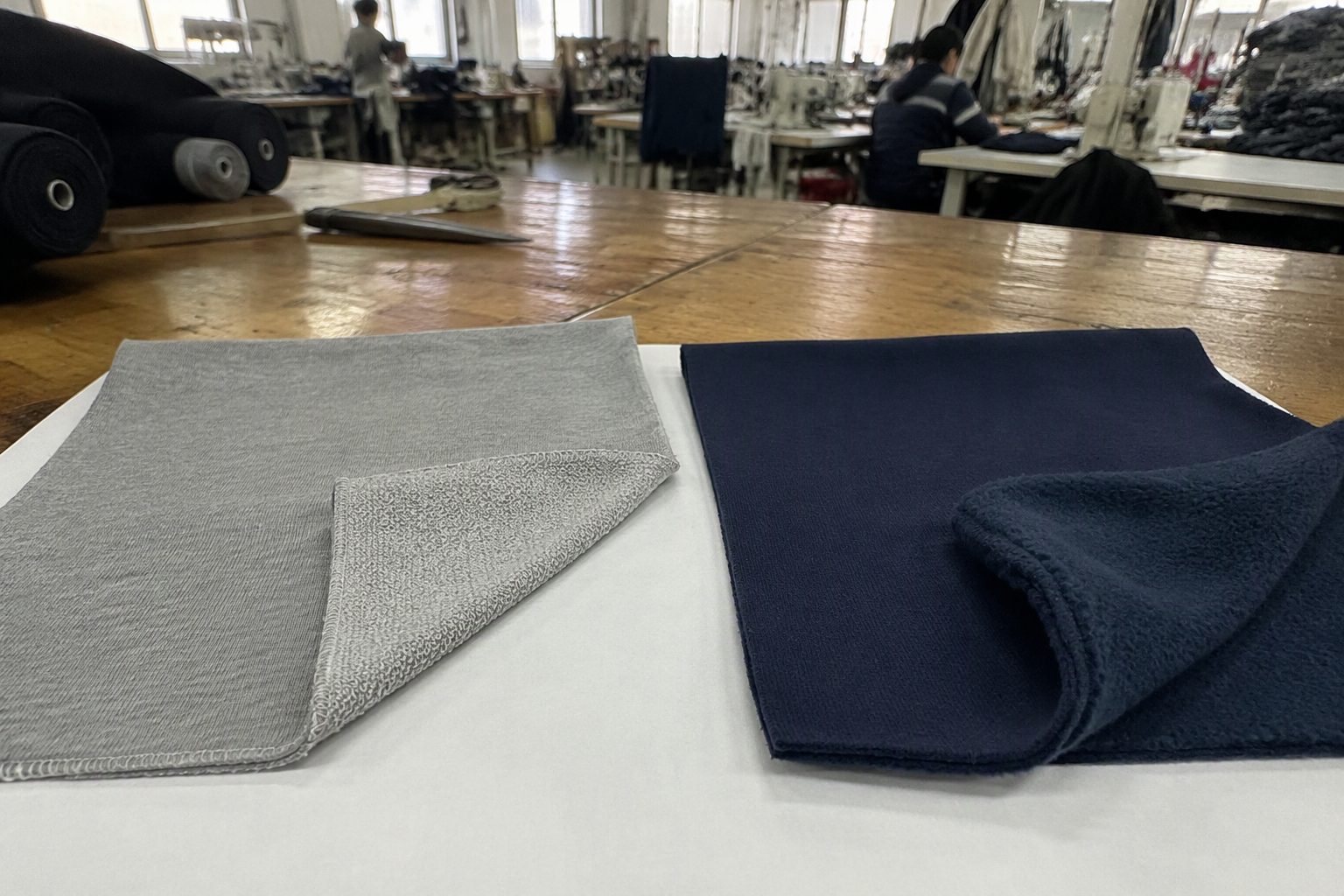
French Terry is renowned for its durability in casual and streetwear garments. The tightly-knit nature of its loops resists pilling and wear, which is common in materials with looser weaves over time. This resilience makes it ideal for lifestyles that demand rugged, everyday garments without the wear and tear usual with more delicate fabrics. Its resistance to piling ensures longevity, even with frequent wear, maintaining its structural integrity and appearance.
Seasonally, French Terry shines in transitional weather. Its construction offers enough warmth for cool autumn days yet manages heat well enough for spring mornings. It’s typically less insulating than fleece, making it less ideal for harsh winter conditions but perfect when layering or in moderate climates. As part of well-coordinated seasonal attire, Matching Sets and Tracksuits: Seamless Coordination often feature French Terry to maintain consistent comfort.
Maintenance is surprisingly straightforward. French Terry hoodies are generally machine washable, though it’s wise to avoid harsh detergents and high-temperature washes, which could potentially degrade the loops’ structure.
Cost-wise, French Terry garments fluctuate in price depending on material quality and brand reputation. Factors such as organic cotton content or additional treatments can influence pricing. However, its durability and breathable comfort justify its price point, offering long-term value.
Where Fleece Stands Out
Fleece truly excels when insulation and warmth are at the top of your list. Known for its excellent heat retention properties, fleece material traps warmth effectively, making it an ideal choice for cold climates. The soft and fuzzy texture of fleece arises from its plush construction, providing not only warmth but a comfort that many find appealing against the skin, especially during chilly winter days.
Optimal conditions for wearing fleece are those characterized by low temperatures and potential wind exposure. Its insulating capabilities make it a popular choice for casual wear and outdoor activities where warmth is crucial. However, it's worth noting that fleece may not be the best choice for wet conditions as it tends to absorb moisture, affecting its heat retention capabilities.
When it comes to caring for fleece, it's important to focus on maintaining its soft texture and avoiding pilling. Washing fleece garments inside out on a gentle cycle and air drying them when possible helps in preserving their feel and appearance. Additionally, using a fabric softener sparingly can keep fleece feeling luxurious.
The reasons behind cost variations in fleece clothing often involve factors like fabric weight, thickness, and brand reputation. Heavier, higher-density fleeces generally provide better insulation and are priced higher due to the additional material used. Brand prestige and unique features such as wind-blocking barriers or specific aesthetic finishes can also drive prices up, giving consumers a range of options from budget-friendly to premium selections.
In summary, fleece stands out in providing warmth and a cozy feel, making it a strong contender for hoodies meant for colder weather, as long as one is mindful of moisture and care to ensure longevity and comfort.
French Terry vs Fleece: Key Comparisons
When choosing between French Terry and Fleece for hoodies, understanding the differences in their core attributes is essential.
Comparison of French Terry and Fleece
| Feature | French Terry | Fleece | Best For | Care Considerations |
|---|---|---|---|---|
| Breathability | High, allows air circulation | Moderate, traps heat | Warmer climates, active use | Machine wash, gentle cycle, low heat dry |
| Insulation | Low, suitable for mild weather | High, ideal for colder conditions | Cold weather, layering | Avoid high heat, ensures longevity |
| Durability | High, resists wear due to tighter weave | Moderate, prone to pilling | Gym wear, everyday use | Treat with fabric softeners to reduce pilling |
| Cost | Typically higher due to production complexity | Generally lower, widely available | Premium market segments | Considerations on fabric softener residue |
Breathability and Insulation
French Terry's loopback structure provides superior breathability, making it optimal for warmer conditions and activewear, where airflow and moisture management are critical. Conversely, Fleece excels in offering insulation, providing superior warmth for those who seek comfort during colder months. Its soft napped texture enhances this capacity, trapping heat effectively.
Impact of Tactile Feel on Consumer Choice
For many consumers, tactile feel impacts purchasing decisions significantly. French Terry offers a smooth, less fuzzy experience, preferred by those who favor lightweight and breathable fabrics. In contrast, Fleece's lush, plush surface appeals to those prioritizing coziness and insulation.
Both materials have their unique advantages, shaping their suitability for different market needs and personal preferences.
Deciding Factors: When to Choose French Terry or Fleece
French Terry and fleece each serve distinct needs, making the decision highly dependent on intended use and personal lifestyle. French Terry, with its looped back and smooth surface, excels in breathability and elasticity, making it ideal for active lifestyles or casual settings where moisture-wicking and comfort are priorities. Activities like running, yoga, or any casual day out often benefit from the breathability and flexibility of French Terry. In contrast, fleece, known for its soft, plush feel, provides superior warmth, making it a better choice for colder climates or activities like hiking in winter conditions.
User feedback reinforces these scenarios; many consumers report that French Terry's ability to maintain comfort during movement makes it preferred for workouts, while fleece's insulating properties offer a cozy feel in cooler seasons. The texture of fleece often gives a snug, comforting experience that aligns with relaxed home wear or chilly outdoor ventures.
Environmental considerations play a role in textile choice as well. French Terry, typically made from cotton, is perceived as a more natural option, appealing for those conscious about sustainability, especially when selecting garments as daily wear. Meanwhile, fleece, often made from polyester, might impact decisions where synthetic fiber's resilience and easy care are valued, though some buyers consider its carbon footprint in colder, long-lasting apparel.
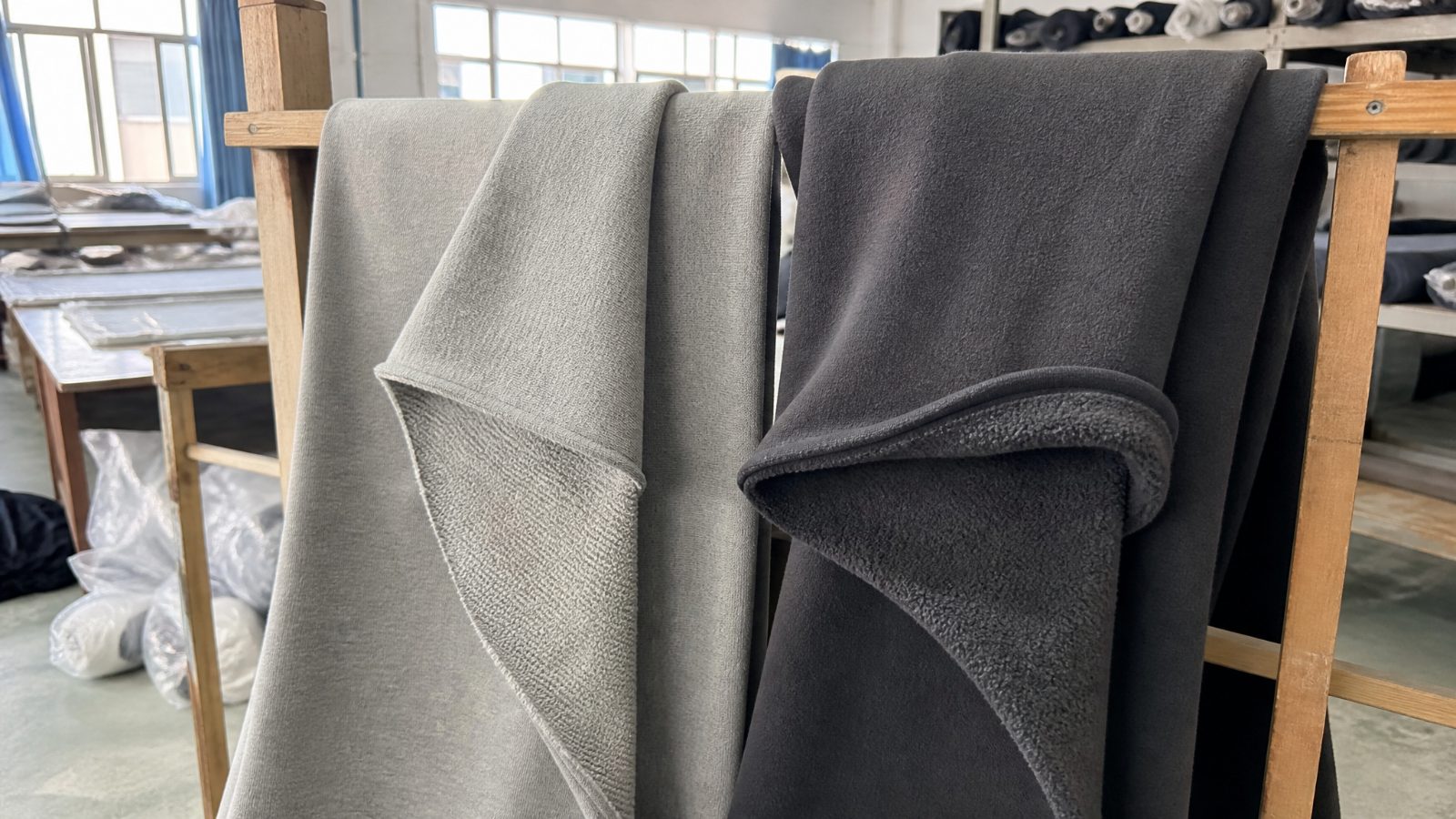
In conclusion, the ultimate decision balances lifestyle demands and environmental priorities. Whether you're designing custom hoodies with an eye towards comfort or warmth, Custom Hoodies and Sweatshirts: Tailor Your Comfort provides flexible options that suit varied customer needs, helping you find the right balance between these two versatile materials.
Common Mistakes in Selecting Hoodie Material
One prevalent mistake in hoodie material selection is underestimating the implications of fabric weight. Fabric weight, typically measured in grams per square meter (GSM), does not solely dictate warmth. While heavier fabrics might provide more warmth, they can also reduce breathability, which matters in transitional seasons. Thus, merely opting for a heavyweight fleece or French terry can lead to discomfort in unexpected weather conditions.
Another common oversight is ignoring the climate and seasonal needs. French terry, known for its breathability, is generally better suited for warmer or fluctuating climates. On the other hand, fleece offers superior insulation making it ideal for colder environments. Selecting a material without regard to the predominant climate can lead to uncomfortable wear.
Care and durability are often neglected, with purchasers failing to consider the long-term maintenance of the material. Fleece, known for its resistance to pilling, requires specific washing protocols to maintain its texture. French terry, while durable, may not hold up well under harsh washing conditions. Understanding these care requirements is essential to preserve the lifecycle of the hoodie.
Further, matching the fabric choice with user activity and lifestyle is crucial. Fleece might not be the best choice for high-intensity activities due to its insulating nature, which can cause overheating. On the flip side, French terry’s moisture absorption capabilities make it more suitable for active lifestyles where breathability is key.
Finally, equating cost with quality is a misstep. A higher price tag on fleece or French terry is not always indicative of superior quality. Factors such as fabric blend, finishes, and construction quality play a significant role in determining the fabric's performance and longevity. It's imperative to evaluate these criteria beyond the price point. By avoiding these common misunderstandings, you can make a more informed hoodie material choice.
Making an Informed Decision
Choosing the right hoodie material hinges on understanding the core attributes of both French Terry and Fleece. French Terry offers superior breathability and moisture absorption, making it ideal for activewear and warmer climates. Conversely, Fleece excels in insulation, providing warmth perfect for colder environments. Evaluate your unique needs and consider how each material aligns with your lifestyle. Balance cost, performance, and sustainability to make a choice that satisfies both your personal and environmental values.
FAQ: Deciding Between French Terry and Fleece for Hoodies
What makes French Terry more suitable for warm climates?
French Terry is more suitable for warm climates due to its breathability and moisture-wicking properties. The fabric allows air circulation, making it a comfortable choice for higher temperatures and active wear. Its textured surface efficiently absorbs sweat, keeping you cool and dry.
How do fleece hoodies fare in terms of durability?
Fleece hoodies are known for their durability due to tightly knit fibers that resist pilling and maintain structure. While providing excellent warmth, fleece is also relatively easy to care for, requiring minimal maintenance to ensure longevity.