The journey from sketch to sample in crafting custom shorts begins with meticulous planning and selection of materials. It is common in the industry for prototypes to be reworked for design optimizations before moving forward. This practice highlights the importance of initial precision, ensuring the design's intent matches the final output. Each prototype is crafted with attention to materials, fit, and finish—ensuring that every sample not only meets aesthetic standards but also functional requirements. This article explores the core stages of creating custom shorts, from conceptual design to the physical sample, shedding light on the roles of material choices, production techniques, and quality checks at each stage. These factors collectively determine the success of the final product, providing insights into the complex processes involved in apparel manufacturing.
1. Initial Design and Material Selection
When crafting custom shorts, selecting the right fabric is pivotal to harmonize functionality with style. The material not only dictates the shorts' comfort and durability but also their aesthetic appeal. Cotton and polyester blends can offer a balance of breathability and resilience, which is essential for activewear. On the other hand, a more luxurious fabric like linen may imbue the shorts with a summery, relaxed vibe. Sustainability is increasingly influencing these choices, with a growing preference for organic and recycled materials aligning with buyers' demand for eco-friendly production.
Design sketches and tech packs are the blueprint of the creation process. Sketches help visualize the look and feel, while the tech pack provides detailed specifications needed for production, including measurements, color codes, and instructions for trims and finishes. An accurately detailed tech pack reduces production errors and enhances communication between the design and production departments, ensuring that the final product matches the initial vision.
Trims and accessories such as zippers, buttons, and drawstrings can significantly impact the shorts' aesthetics and functionality. The right trim choices complement the fabric and design, adding both a functional element and stylistic flair. For example, a contrasting zipper can turn a plain pair of shorts into a statement piece, while functional drawstrings may enhance comfort and adjustability.
Collaboration between designers and production teams is crucial throughout this phase. Effective communication ensures that creative visions translate seamlessly into manufacturable designs. It’s important for teams to work closely to address any design feasibility concerns early on.
For buyers interested in developing their own custom shorts, understanding the importance of detailed design and material selection is crucial. A well-prepared RFQ sets the tone for clear expectations and successful production outcomes. For more insights, see our Preparing an RFQ for Custom Shorts: Essential Checklist.
2. Pattern Making and Prototyping
Pattern making for custom shorts begins by translating design specifications into patterns that dictate every cut and seam. This process involves crafting a master pattern based on the original designs that guide the entire production phase. Initially, the designer's vision detailed in tech packs directs the pattern making, often with the use of specialist software. These platforms contribute to adjustments and enhancements to the design, ensuring the final product reflects the plan.
An important aspect of pattern making involves preparing the pattern to accommodate different sizes. Adjusting for size variations ensures each garment maintains its fit and style across all sizes, which is essential for consistent quality.
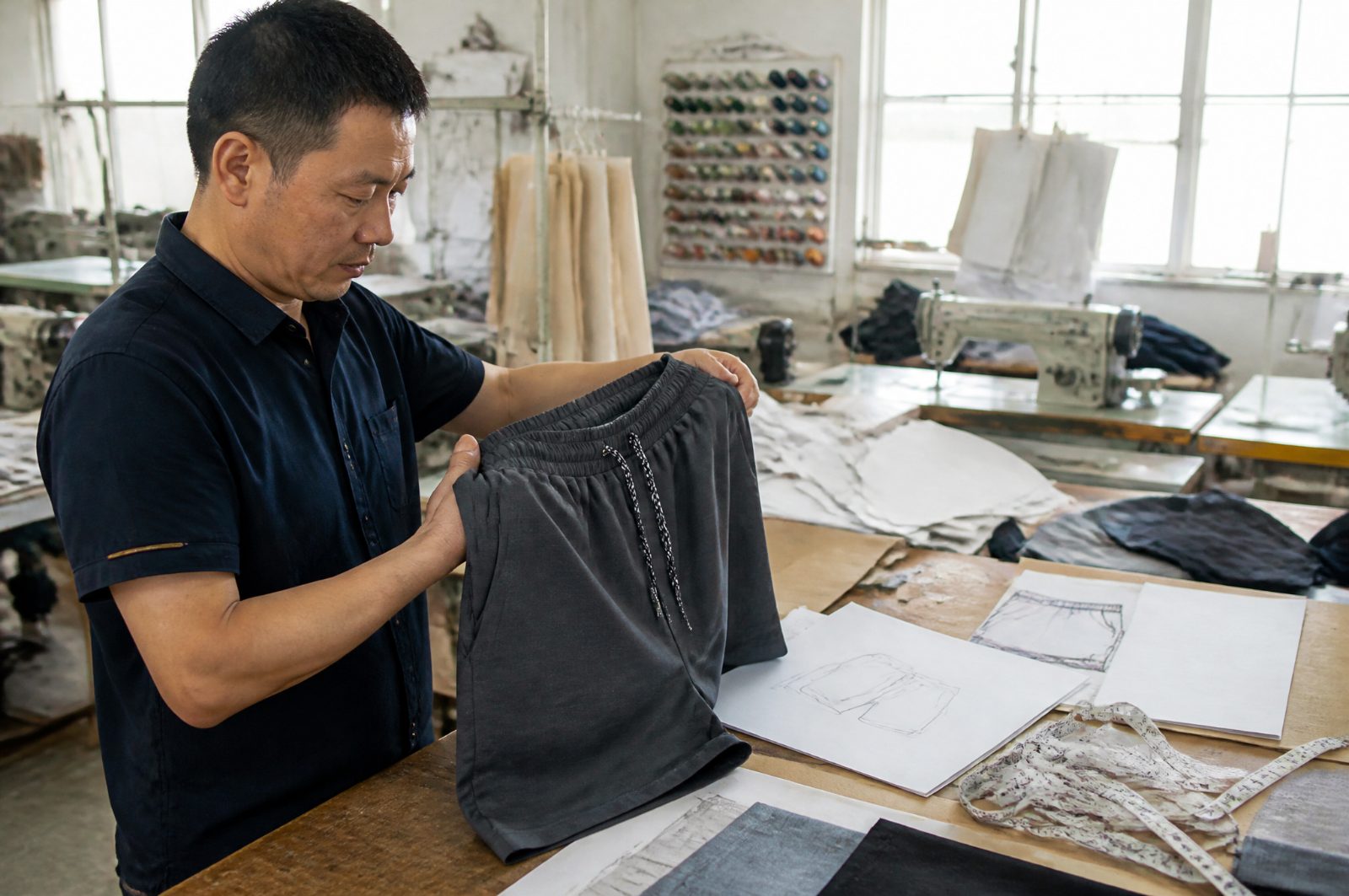
After creating the pattern, a garment is developed from the chosen fabric during the initial design phase. This item serves as a tangible representation of the design, allowing for evaluation before full-scale production begins.
Evaluation sessions are critical in assessing the suitability of the garment. The garment may undergo various tests to examine its design aspects. Modifications may be made to ensure the shorts align with the intended design and comfort characteristics. Such refinement helps in minimizing errors during the main production run, paving the way for creating shorts that meet quality standards.
3. Cutting and Sewing
Cutting is the first critical step in transforming patterns into fabric components for custom shorts. Using precision tools like computerized cutting machines, which often reference digital pattern files, ensures each piece mirrors the drawn outlines perfectly. This method minimizes material waste and improves production efficiency. Cutting must be meticulous, as any deviation can compromise the garment's fit.
Once the fabric pieces are accurately cut, the focus shifts to sewing — where custom shorts take shape. Production teams employ various sewing techniques, such as lockstitching for durable seams and overlocking for clean edges. These methods ensure the shorts not only maintain structure but also withstand daily stresses. Seams are typically double-stitched in high-stress areas like pockets or waistband, enhancing the garment's durability and longevity.
To achieve desired seam and stitch precision, it is advisable for buyers to discuss with suppliers about potential regular checks during sewing. Considerations like the use of stitch counters and thread tension testers can also be part of the discussion to ensure accuracy and consistency. Ensuring that each stitch is uniform can prevent issues like seam slippage, which could result in customer dissatisfaction.
Despite advancements in technology, challenges like fabric shifting during cutting or inconsistency in stitch tension during sewing still occur. Operators must be vigilant, making consistent adjustments on-the-fly to maintain quality. Garment makers often fall back on experience to handle various fabric behaviors and maintain precision.
In terms of equipment, industrial sewing machines and sergers dictate the efficiency of this stage. These machines are preferred for their speed and stability, essential for meeting large orders without sacrificing quality. Their ability to handle diverse materials further enhances their role in crafting high-quality custom shorts.
4. Quality Control and Inspection
Quality control is critical in ensuring that custom shorts meet the brand's specifications and maintain the required standards. Brands should ensure that their suppliers perform thorough visual inspections for defects such as color inconsistencies and stitching errors.
In the quality assurance phase, each sample is meticulously compared against the original tech pack specifications. Inspectors review measurements and design elements to verify that dimensions, prints, and trims align correctly with the client's requirements. This fidelity to the tech pack is crucial, as any deviations could negatively impact the product’s fit and the brand’s reputation.
Buyers should consider asking suppliers about the tools and techniques they use to facilitate these checks. Standard industry practices may include precise measurement verification and maintaining consistent and trustworthy record-keeping processes, which aid in tracing quality issues back to their source when encountered.
Consistent quality plays a significant role in maintaining brand reputation. Trusted quality assurance processes help brands build trust with their consumers by consistently delivering products that adhere to high standards.
Key Quality Control Metrics for Custom Shorts
| Metric | Standard Value | Importance |
|---|---|---|
| Stitch Consistency | Even throughout | Prevents weak seams and enhances durability |
| Color Matching | Within specified tolerance | Ensures aesthetic integrity and customer satisfaction |
| Dimensional Accuracy | +/- 0.5 cm of tech pack spec | Critical for maintaining fit and design intent |
| Print Alignment | As per tech pack design | Vital for visual consistency and brand integrity |
| Trims and Accessories | As requested | Essential for functionality and overall design adherence |
| Material Quality | Per vendor specification | Ensures durability and comfort, reflecting brand expectations |
5. Addressing Common Production Issues
Navigating the production process of custom shorts often involves tackling issues like seam puckering and misalignment. Seam puckering, typically caused by tension imbalances during sewing, can ruin the aesthetic appeal of a garment. To address this, buyers should consider asking suppliers to adjust thread tension and use stabilizing fabrics to achieve clean, flat seams. Consistent seam misalignment is another challenge, often resulting from inaccurate cutting or poor handling during sewing stages. Buyers might find it beneficial to ensure their supplier applies precise markers and regularly calibrates equipment to minimize such errors, aiming for alignment with the design blueprint.
Buyers should also establish feedback loops with their supplier to address minor issues in samples promptly. For example, if an advanced design detail doesn't translate well during assembly, immediate adjustments by the supplier could involve re-evaluating pattern dimensions or altering sewing techniques. Emphasizing the importance of these feedback loops can enable rapid iteration, addressing and mitigating defects before they proceed too far along the production line.
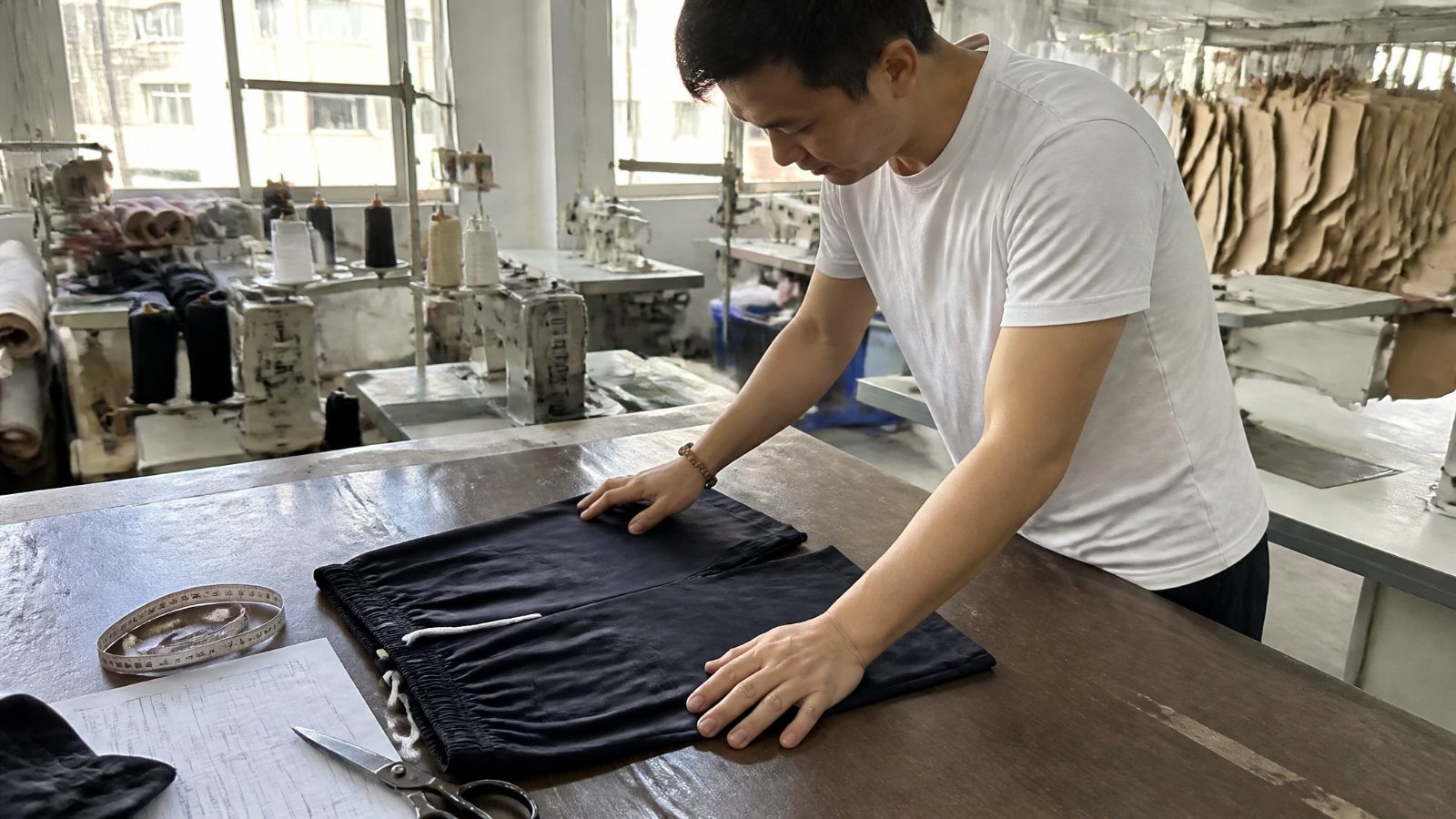
Communication between the design and production teams is critical to overcoming these manufacturing hurdles efficiently. Regular meetings ensure a mutual understanding of the design intent and open avenues for designers to provide instant feedback on production outcomes. For example, if a new embroidery pattern does not meet design expectations, immediate discussions between team members can lead to adjustments in stitch density or thread choice, ensuring alignment with original design specifications.
This ongoing dialogue and dedication to problem-solving are crucial for delivering samples that meet buyer expectations. To explore more about design intricacies, refer to Shorts: Design Details That Surprise Buyers. With these robust systems in place, Dongguan City Salati Apparel Co., Ltd. continuously improves its processes, turning potential production pitfalls into opportunities for refinement and excellence.
6. The Final Sample Evaluation
Evaluating the final sample is a crucial step in crafting custom shorts. First and foremost, the sample is assessed based on its alignment with the original tech pack and design specifications. This involves checking every stitch and seam, as precise stitching contributes significantly to durability and wearability. Ensuring a seamless match with the original design ensures that the shorts not only look the part but also perform under real-world conditions.
Once the garment passes initial design checks, wearability and durability testing come into play. These tests simulate common stresses that shorts undergo, such as numerous wash cycles and friction resistance during wear. The fabric's ability to maintain colorfastness and structural integrity under these conditions is a key indicator of quality. Furthermore, adjustments might be needed at this stage if the shorts show signs of premature wear or fail to meet comfort expectations. This corrective phase aims to ensure that the final product meets durability criteria, a vital aspect for brand reputation.
Customer feedback also plays a pivotal role in refining the sample. Feedback from stakeholders can highlight unforeseen comfort issues or aesthetic mismatches with brand expectations. Incorporating this feedback helps the finished product resonate with the brand's identity and meet customer satisfaction levels. This iterative approach, focusing on constant improvement, is essential for achieving the perfect balance of comfort and style, a concept further explored in Shorts: The Perfect Balance of Comfort and Style.
Ultimately, the sample should embody the brand's vision, meeting both functional and aesthetic standards before approval. Buyers are advised to ensure samples align with their brand expectations to stand as a testament to quality and style, matching brand promises in every detail.
Reviewing Your Own Sample
When reviewing your own sample, start with a detailed checklist. Pay close attention to potential discrepancies between sketches and the sample. Ensure that it aligns with your brand’s specifications for consistency. Invite feedback from end users to gain fresh perspectives beyond the factory view. Balance aesthetic appeal with functional performance in your evaluation. Ultimately, ask yourself what specific factor might differentiate your sample from the competition in the market — a critical point for continuous development.
Frequently Asked Questions About Crafting Custom Shorts
How long does it usually take to produce a custom shorts sample?
The timeline for producing a custom shorts sample is influenced by factors such as material availability, design complexity, and order size. It's important to consult with your supplier for project-specific timelines, as these can vary significantly based on the details of your project.
What should I look for in a final shorts sample?
In a final shorts sample, check for consistency with your original design specs, quality of stitching, fabric feel, and overall fit. Additionally, ensure that the sample aligns with your brand's aesthetic and functional requirements. Evaluating wearability over a few uses can also provide insights into potential durability.
Can design changes be made after the prototype is evaluated?
Yes, design changes can often be made after initial prototypes are evaluated. Feedback from fit sessions and sample testing can lead to alterations in design and construction for better performance and alignment with specifications. Collaborative communication with your manufacturer is key to managing changes effectively.